

Iran Demands Lebanon Ceasefire, Asset Release Before Peace Talks/ Newslooks/ WASHINGTON/ J. Mansour/ Morning Edition/ Iran demanded a Lebanon ceasefire and release of frozen assets before peace talks. U.S. and Iranian negotiators prepare for high-stakes discussions in Pakistan. The fragile ceasefire faces pressure amid ongoing Israeli strikes and oil disruptions.
Iran Peace Talks Conditions Quick Looks
- Iran demands Lebanon ceasefire before negotiations
- Tehran seeks release of frozen financial assets
- U.S.-Iran talks scheduled in Pakistan
- Israel continues strikes across southern Lebanon
- Strait of Hormuz remains largely blocked
- Trump warns strikes could resume if talks fail
- JD Vance leads U.S. negotiation delegation
- Oil supply disruptions fueling global inflation
Deep Look: Iran Demands Lebanon Ceasefire, Asset Release Before Peace Talks
DUBAI/BEIRUT/JERUSALEM/ISLAMABAD — Iran raised new conditions ahead of planned peace negotiations with the United States, demanding a ceasefire in Lebanon and the release of frozen Iranian assets before talks can proceed.
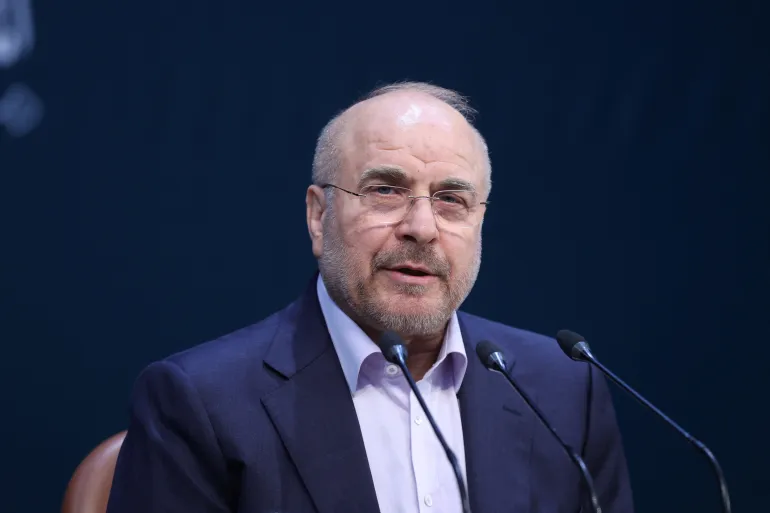
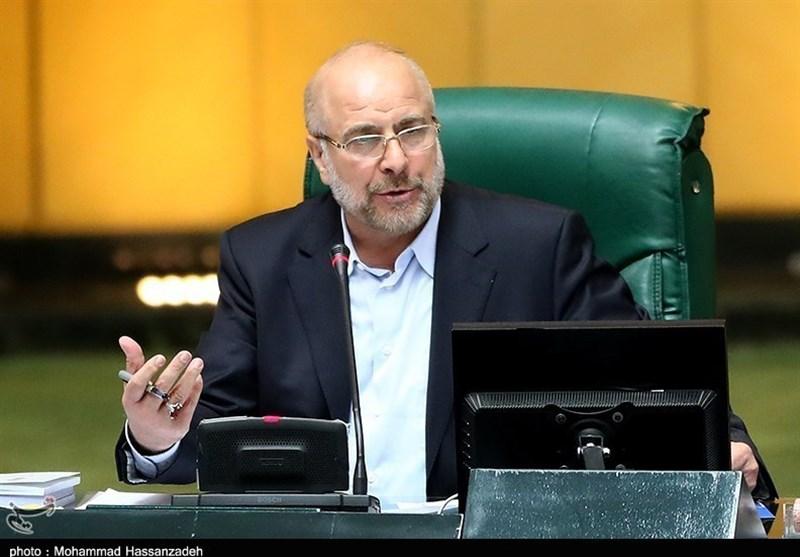
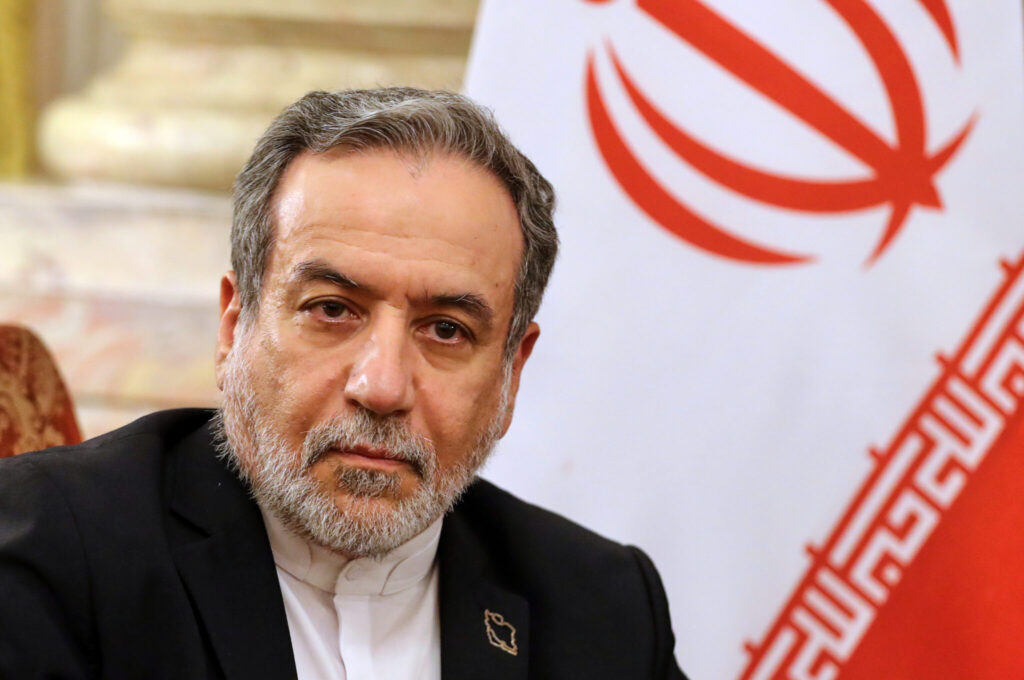
Iran’s parliament speaker Mohammad Baqer Qalibaf said negotiations scheduled in Pakistan would not begin unless these conditions were met, adding that the measures had previously been agreed upon with Washington. Iran’s Foreign Minister Abbas Araqchi echoed the demands, also calling for Israeli airstrikes in Lebanon to stop immediately. Both officials are expected to attend the upcoming talks.
The last-minute demands have introduced new uncertainty into negotiations aimed at ending the six-week conflict between Iran, the United States, and Israel.
The White House did not immediately respond to Iran’s demands. However, President Donald Trump signaled readiness for renewed military action if diplomacy fails. In an interview, Trump said U.S. warships were being reloaded and prepared to resume strikes against Iran if negotiations collapse.
“We’re going to find out in about 24 hours,” Trump said, expressing cautious optimism but warning that military options remain on the table.
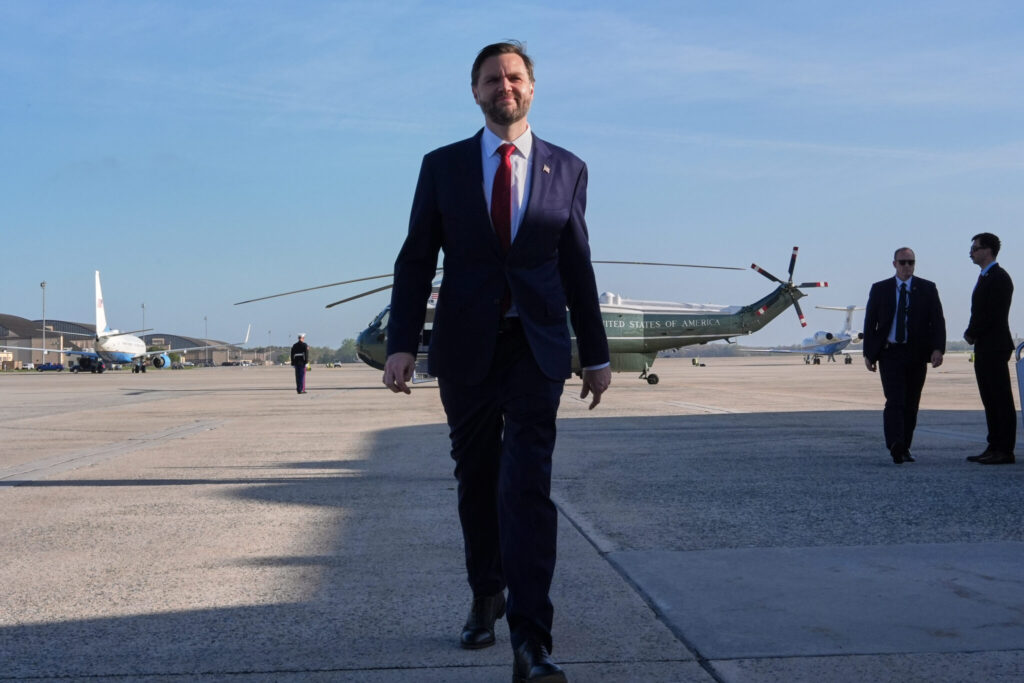
Vice President JD Vance, who is leading the U.S. delegation, also struck a cautious tone while traveling to Pakistan. Vance said he expects productive discussions but warned Iran not to attempt to manipulate negotiations.
“If they’re going to try to play us, then they’re going to find the negotiating team is not that receptive,” Vance said.
Frozen Assets at Center of Dispute
Iran’s demand includes the release of tens of billions of dollars in frozen assets held in foreign banks. These funds, largely generated from oil and gas exports, remain inaccessible due to U.S. sanctions targeting Iran’s banking and energy sectors.
Iranian leaders argue that releasing the funds is essential for any meaningful peace agreement and economic recovery following the conflict.
Fragile Ceasefire Under Pressure
The ceasefire announced earlier this week remains tenuous. Although U.S. and Israeli airstrikes on Iran have paused, fighting continues in Lebanon between Israeli forces and Hezbollah, an Iran-backed militant group.
Israel launched one of the largest attacks of the conflict shortly after the ceasefire announcement, killing more than 300 people in Lebanon, according to Lebanese authorities. Strikes continued Friday, with more than a dozen people reported killed in southern Lebanon.
One attack targeting a government building in Nabatieh killed 13 Lebanese state security personnel, Lebanese President Joseph Aoun said.
Lebanese officials report at least 1,830 deaths from Israeli strikes since early March, underscoring the ongoing humanitarian toll.
Strait of Hormuz Remains Critical
Another major obstacle involves the Strait of Hormuz, where Iran continues restricting shipping traffic. The disruption has significantly impacted global energy markets.
Before the conflict, approximately 140 ships crossed the strait daily, carrying roughly 20 million barrels of oil. Now, only a handful of vessels are passing through, contributing to rising oil prices and global inflation concerns.
Trump criticized Iran’s handling of shipping traffic, warning Tehran not to impose fees on vessels.
“That is not the agreement we have,” Trump wrote on social media.
Despite restrictions on international vessels, Iranian ships continue moving through the strait, reinforcing Tehran’s strategic leverage in negotiations.
Iran Signals Hardline Position
Iran’s new Supreme Leader Ayatollah Mojtaba Khamenei also took a firm stance ahead of talks, demanding compensation for wartime damage and warning that aggressors would not go unpunished.
“We will certainly not leave unpunished the criminal aggressors who attacked our country,” Khamenei said.
Despite Trump declaring victory, analysts note the war did not achieve several U.S. objectives, including dismantling Iran’s nuclear capabilities and limiting its regional influence.
Iran still maintains missile and drone capabilities and retains a stockpile of enriched uranium close to weapons-grade levels. Tehran also appears to be seeking broader concessions, including easing sanctions and gaining authority over the Strait of Hormuz.
Economic Impact Continues
The disruption to global energy supplies has already affected inflation and economic growth worldwide. U.S. inflation data released Friday showed consumer prices rose 0.9% in March — the fastest increase since the 2022 inflation surge.
Economists warn the economic effects could persist even if negotiations successfully reopen the Strait of Hormuz.
As talks approach, both sides remain far apart, with Iran pushing for major concessions and the United States warning of renewed military action if negotiations fail.
The coming negotiations in Pakistan could determine whether the fragile ceasefire holds — or whether the conflict escalates again.






You must Register or Login to post a comment.