

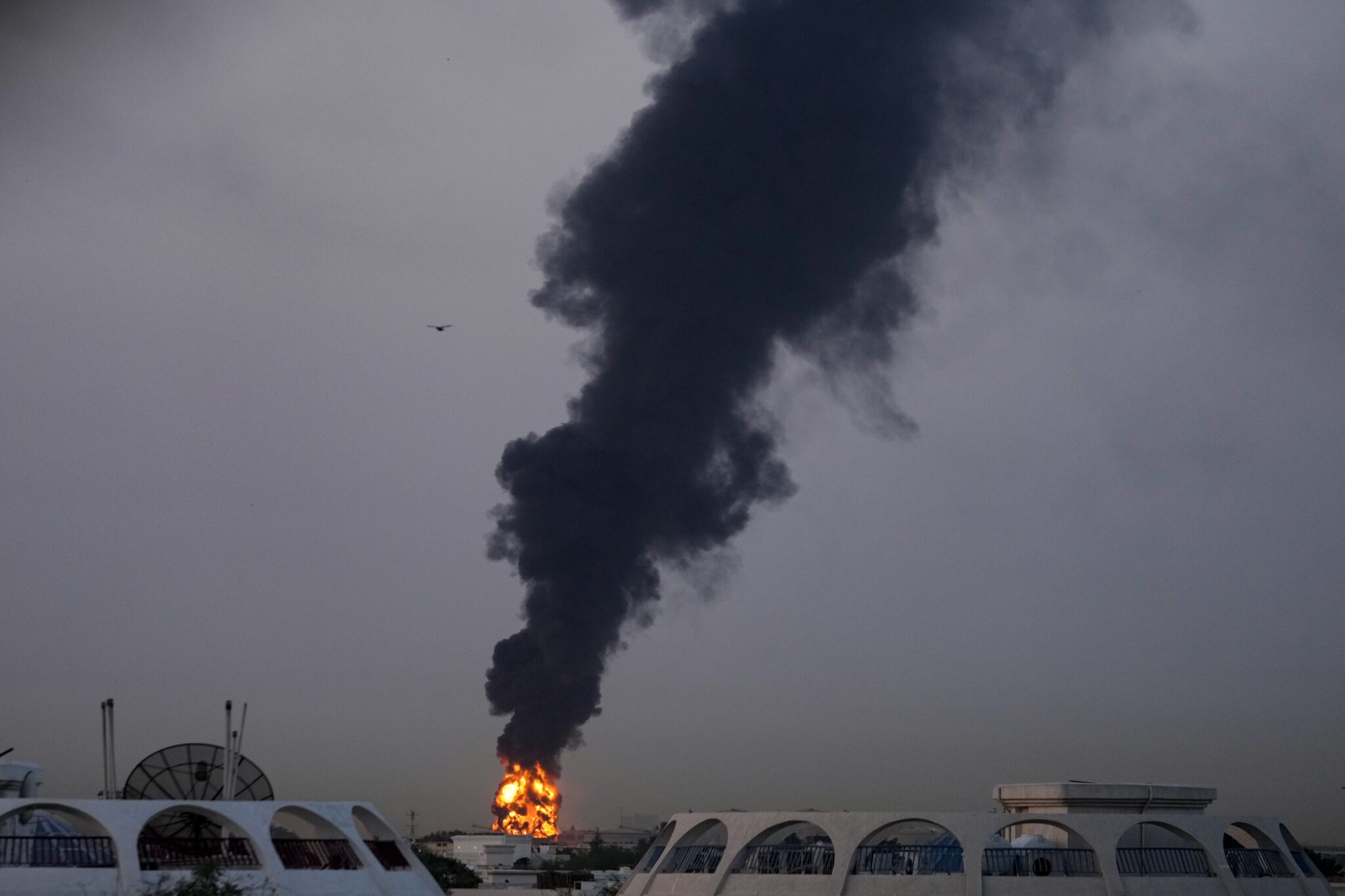
Iran Escalates Attacks After Israel Kills Top Officials/ Newslooks/ WASHINGTON/ J. Mansour/ Morning Edition/ Iran launched fresh missile and drone attacks after Israel said it killed two top Iranian officials. The conflict is intensifying across the region, including strikes on Gulf states and energy infrastructure. Rising tensions around the Strait of Hormuz are fueling fears of a global energy crisis.
Iran Israel War Escalation Quick Looks
- Israel claims killing of two senior Iranian leaders.
- Iran confirms one death, remains silent on the other.
- Tehran launches new missile and drone attacks regionwide.
- Oil facilities and shipping routes targeted in Gulf states.
- Dubai airspace briefly shut down after attacks.
- Strait of Hormuz disruption raises global energy concerns.
- Israel expands strikes in Iran and Lebanon.
- Civilian casualties and displacement continue rising.

Deep Look: Iran Escalates Attacks After Israel Kills Top Officials
The war between Iran and Israel intensified Tuesday as Israel claimed it had killed two of Iran’s most senior security figures, while Tehran responded with a fresh wave of missile and drone attacks across the region.
The escalating conflict is spreading geographically and economically, increasing fears of prolonged instability and a potential global energy crisis.
Israel targets top Iranian officials
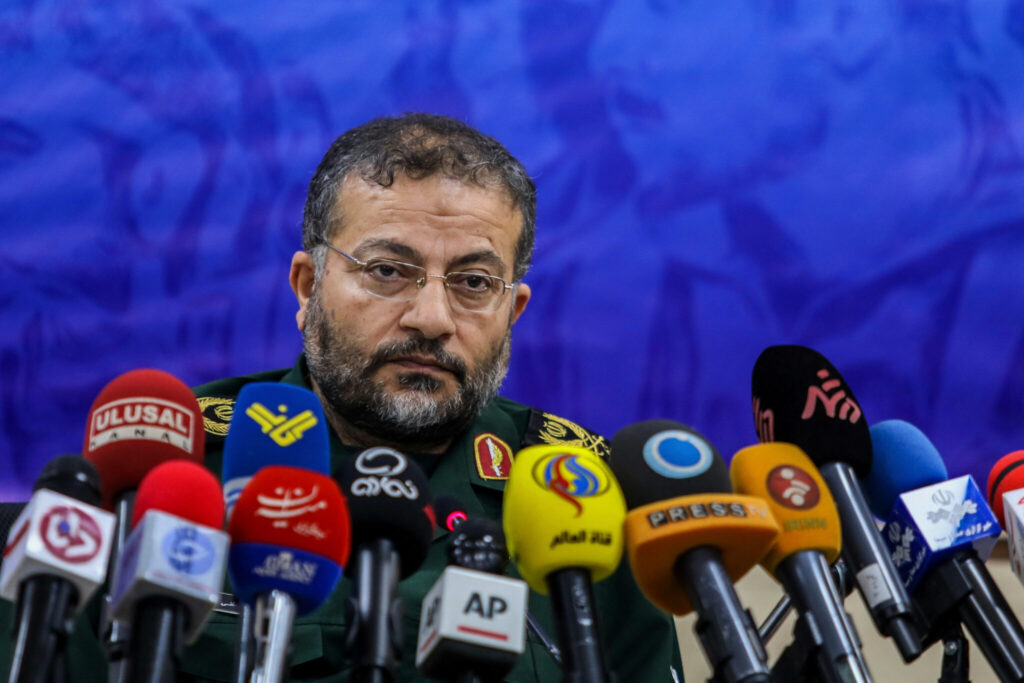
Israeli Defense Minister Israel Katz said Israeli forces killed Ali Larijani, a key political and security figure, along with Gholamreza Soleimani, head of Iran’s Basij paramilitary force.
Larijani, a former parliamentary speaker and senior adviser, had become one of the most powerful figures in Iran following the death of Supreme Leader Ayatollah Ali Khamenei earlier in the conflict.
Iran confirmed Soleimani’s death but has not officially confirmed or denied Larijani’s killing.
Both figures were deeply involved in Iran’s internal security operations and suppression of protests, making their loss a significant blow to the country’s leadership during wartime.
Israeli Prime Minister Benjamin Netanyahu said the strikes are aimed at weakening Iran’s ruling system.
“We are undermining this regime to give the Iranian people the opportunity to remove it,” Netanyahu said.
Iran launches new regional attacks
Iran responded with a barrage of missile and drone strikes targeting Israel and neighboring Gulf countries.
In Dubai, authorities temporarily shut down airspace after an attack, marking the second disruption in two days.
Across the region:
- A drone strike hit an oil facility at Fujairah Port
- Missile debris killed a civilian in Abu Dhabi
- Drones were intercepted near the U.S. Embassy in Baghdad
- Air defenses were activated over Doha
Iran has launched thousands of attacks since the war began, targeting oil infrastructure, military sites, and civilian areas.
Strait of Hormuz crisis deepens
The Strait of Hormuz remains a central flashpoint.
The narrow waterway carries about 20% of global oil supply, making any disruption critical for the global economy.
Iran says the strait remains technically open but has restricted access for the United States, Israel, and their allies. Around 20 vessels have been struck since the war began.
Oil prices have surged, raising fears of inflation and supply disruptions worldwide.
President Donald Trump has urged allies to help secure the waterway, but most countries have declined to participate.
Kaja Kallas said European nations are reluctant to enter the conflict, emphasizing the need for diplomacy.
Fighting expands in Lebanon and Iran
The conflict is also intensifying in Lebanon, where Israeli forces have expanded strikes against Hezbollah.
More than 1 million people in Lebanon have been displaced, with hundreds killed in ongoing strikes.
In Iran, Israeli attacks have targeted military infrastructure in Tehran, including missile sites and command centers.
More than 1,300 people have been killed in Iran, while Iranian missile strikes have killed at least 12 people in Israel. At least 13 U.S. service members have also died during the conflict.
Internal pressure inside Iran
Iranian authorities appear focused on maintaining internal control.
Ahead of public celebrations tied to the Persian New Year, officials warned against gatherings, fearing unrest.
State media showed pro-government demonstrations, including armed supporters, signaling efforts to deter protests.
At the same time, internet restrictions and continuous airstrikes have limited information coming out of the country.
Political fallout in the United States
The war is also creating political tensions in Washington.
Joe Kent resigned as director of the National Counterterrorism Center, citing concerns about the justification for the war.
Kent said Iran did not pose an imminent threat and that he could not support the conflict.
Trump responded by criticizing Kent, saying officials who do not see Iran as a threat “are not the people we want.”
The resignation highlights growing divisions within Trump’s political base as the war continues.
Uncertain outlook
With escalating attacks, rising casualties, and global economic consequences, the conflict shows no clear path to resolution.
The war is increasingly shaping not only Middle East geopolitics but also global energy markets and international relations.



You must Register or Login to post a comment.