

Iran Fires Missiles on Israel & Gulf as Trump Claims Tehran Threat Nearly Eliminated/ Newslooks/ WASHINGTON/ J. Mansour/ Morning Edition/ Iran launched new missile attacks on Israel and Gulf states despite U.S. claims the threat is diminishing. The Strait of Hormuz remains largely shut, disrupting global energy supplies and raising oil prices. World leaders discuss reopening the waterway as fighting and casualties continue across the region.
Iran Missile Attacks Quick Looks
- Iran launches missiles at Israel and Gulf states
- Explosions reported in Dubai during missile interception
- Sirens sounded in Bahrain after Trump speech
- Strait of Hormuz traffic drops 94%
- Oil prices surge due to supply disruptions
- 35 nations discuss reopening waterway
- Iran claims hidden weapons facilities remain intact
- More than 1,900 killed in Iran conflict
- U.S., Israeli strikes continue across region
- Lebanon conflict expands with additional casualties
- Gulf infrastructure targeted in Iranian attacks
- Global markets affected by energy supply concerns
Deep Look: Iran Continues Missile Attacks Despite Trump Claims Threat Reduced
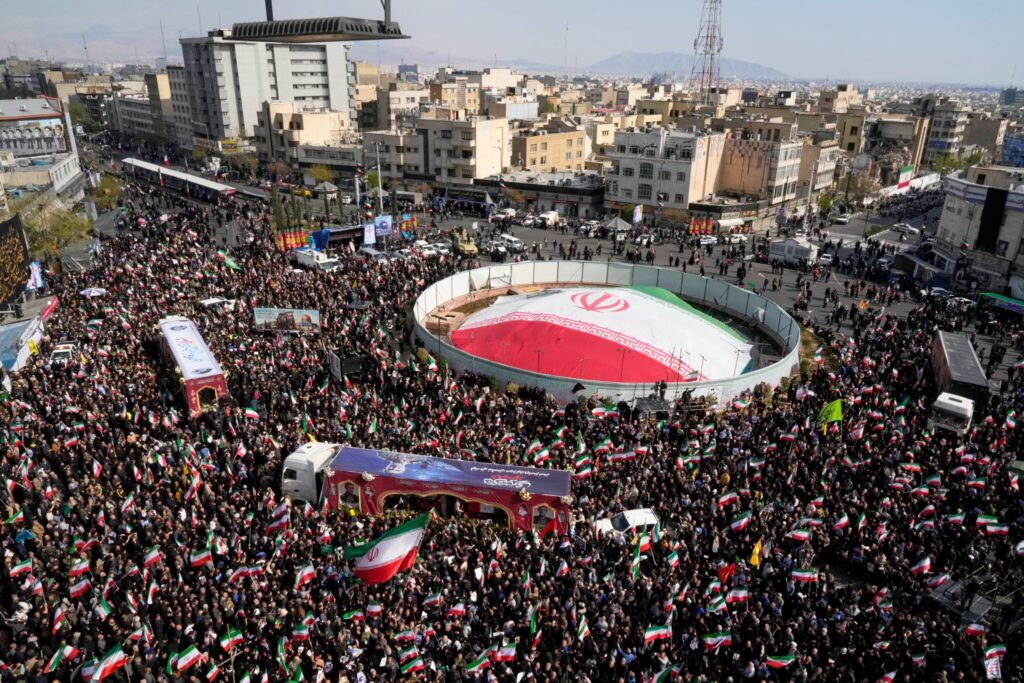
DUBAI, United Arab Emirates — Iran launched new missile strikes Thursday targeting Israel and Gulf Arab states, underscoring Tehran’s continued military capabilities despite U.S. President Donald Trump’s assertion that the Iranian threat has been largely eliminated.
The latest attacks demonstrated Iran’s ability to strike across the region even after weeks of U.S. and Israeli military operations. The continued fighting also highlighted the strategic importance of the Strait of Hormuz, where Iran’s actions have disrupted global energy supplies and shaken financial markets worldwide.
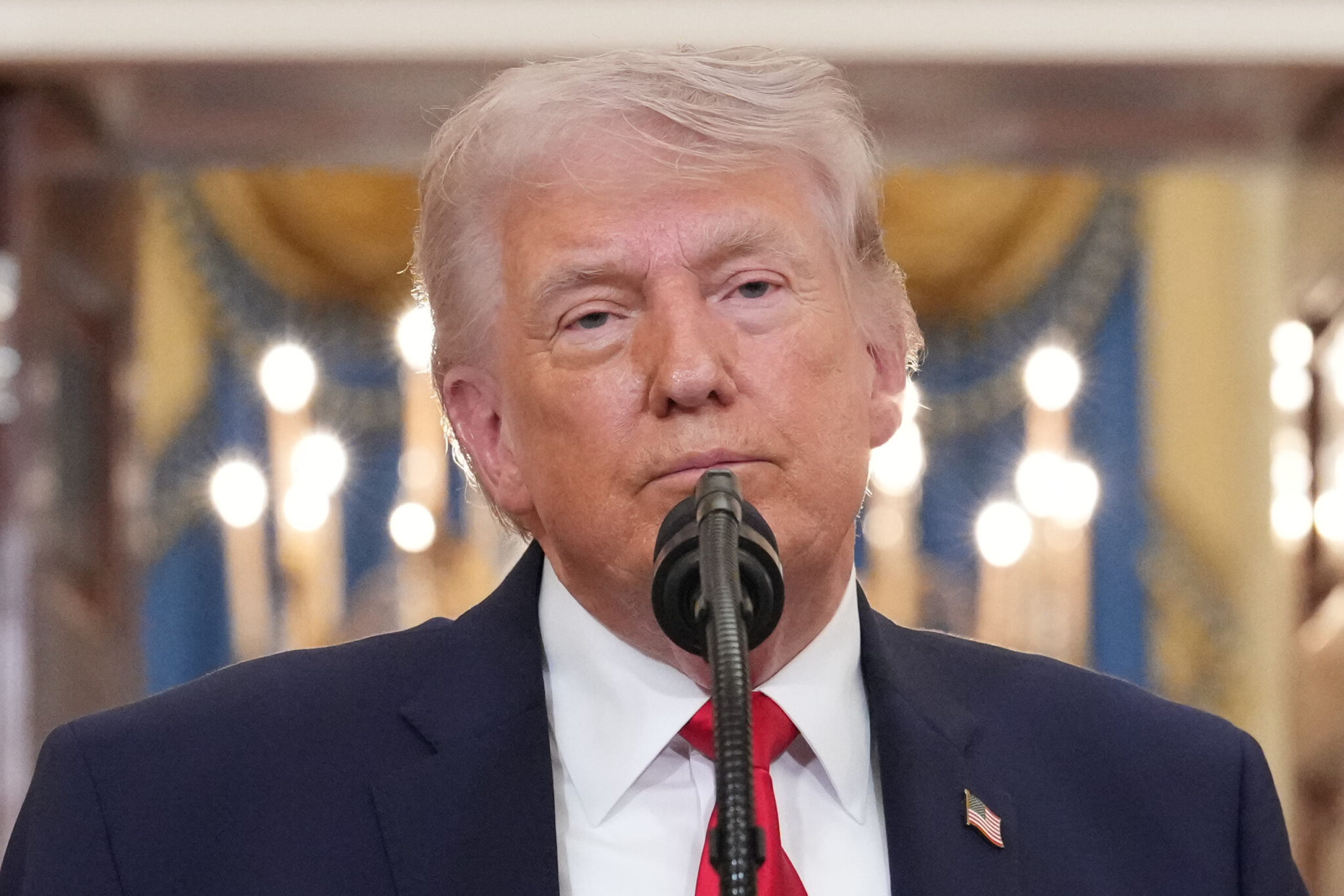
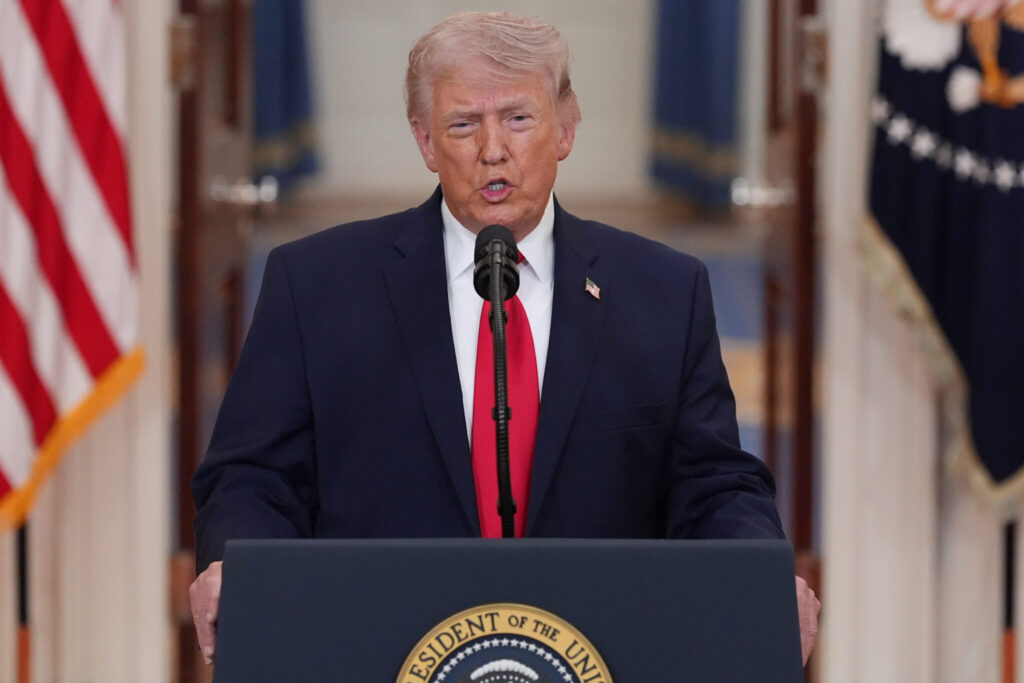
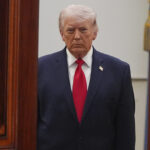
Iran responded defiantly following Trump’s national address, in which he claimed that U.S. strikes had severely weakened Iran and reduced it to “really no longer a threat.” However, events on the ground suggested otherwise.
Explosions were reported in Dubai shortly before Trump began his speech, as air defense systems intercepted an Iranian missile barrage. Shortly after the president concluded his remarks, Israel reported incoming missile threats, while sirens sounded in Bahrain, home to the U.S. Navy’s 5th Fleet.
Iranian military officials said the country still retains significant military capabilities. Lt. Col. Ebrahim Zolfaghari, a spokesman for Iran’s military, claimed the country maintains hidden stockpiles of weapons, munitions, and production facilities. He said previously targeted sites were “insignificant” and suggested U.S. and Israeli forces had not reached key strategic locations.
Strait of Hormuz Disruption Impacts Global Energy
Iran’s chokehold on the Strait of Hormuz remains one of its most powerful strategic tools. The waterway connects the Persian Gulf to global shipping routes and typically handles about 20% of the world’s traded oil.
Since the conflict began on Feb. 28, traffic through the strait has dropped by 94% compared with the same period last year, according to shipping data from Lloyds List Intelligence.
Iranian attacks on roughly two dozen commercial vessels and continued threats have effectively halted most traffic. Only a small number of ships have been allowed through under special arrangements.
Countries in the region are scrambling to find alternative routes. Saudi Arabia has increased pipeline shipments to Red Sea ports, while Iraq has begun transporting oil across Syria to Mediterranean terminals.
Global Effort to Reopen Waterway
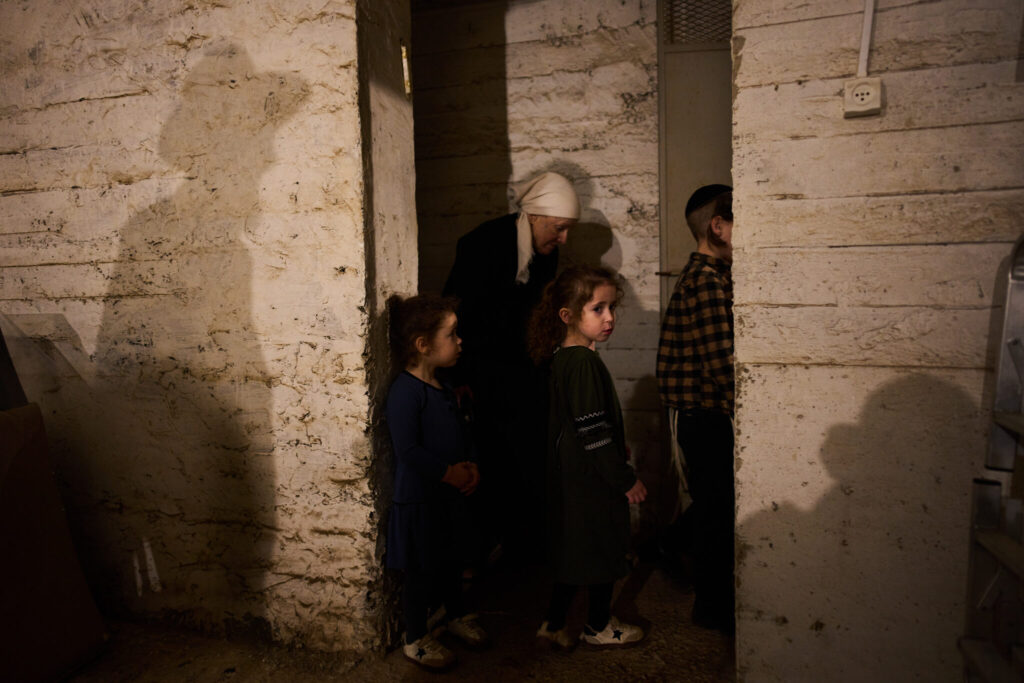
Nearly three dozen countries, including most G7 nations, planned talks Thursday on reopening the Strait of Hormuz after hostilities subside. The United Arab Emirates and Bahrain also joined the discussions.
British Foreign Secretary Yvette Cooper said military planners from several countries would consider options to secure shipping lanes once fighting ends. These could include mine-clearing operations and security assurances for commercial vessels.
However, no country appears willing to attempt reopening the strait by force while the conflict continues. French President Emmanuel Macron described such a military operation as “unrealistic” during a visit to South Korea.
The international discussions echo past coalition efforts, such as multinational security arrangements proposed during the Ukraine conflict. The talks also reflect growing European efforts to demonstrate increased security involvement following repeated criticism from Trump.
Rising Casualties Across Region
The conflict continues to produce mounting casualties across multiple countries. More than 1,900 people have been killed in Iran, while 19 have died in Israel. More than two dozen deaths have been reported in Gulf states and the occupied West Bank.
Thirteen U.S. service members have also been killed during the conflict.
Fighting has intensified in Lebanon as well, where Iran-backed Hezbollah militants are battling Israeli forces. An Israeli strike in southern Lebanon killed four people Thursday, according to the country’s Health Ministry.
The broader Lebanon conflict has resulted in more than 1,200 deaths and displaced over one million people. Ten Israeli soldiers have also been killed in the fighting there.
Oil Prices Continue to Rise
The conflict’s impact on energy markets remains significant. Brent crude rose again Thursday to about $108 per barrel, marking roughly a 50% increase since the war began.
Although much of the oil shipped through the Strait of Hormuz is destined for Asian countries, only Japan and South Korea joined the international talks focused on reopening the waterway.
The disruption has also affected jet fuel supplies, raising concerns about travel costs and airline operations worldwide.
Despite Trump’s suggestion that the war could end soon, continued missile attacks and energy disruptions suggest the conflict’s economic and geopolitical consequences may persist.
As fighting continues across multiple fronts and global leaders seek diplomatic solutions, Iran’s ability to maintain pressure through missile strikes and energy disruptions remains a central factor shaping the conflict’s trajectory.




You must Register or Login to post a comment.