

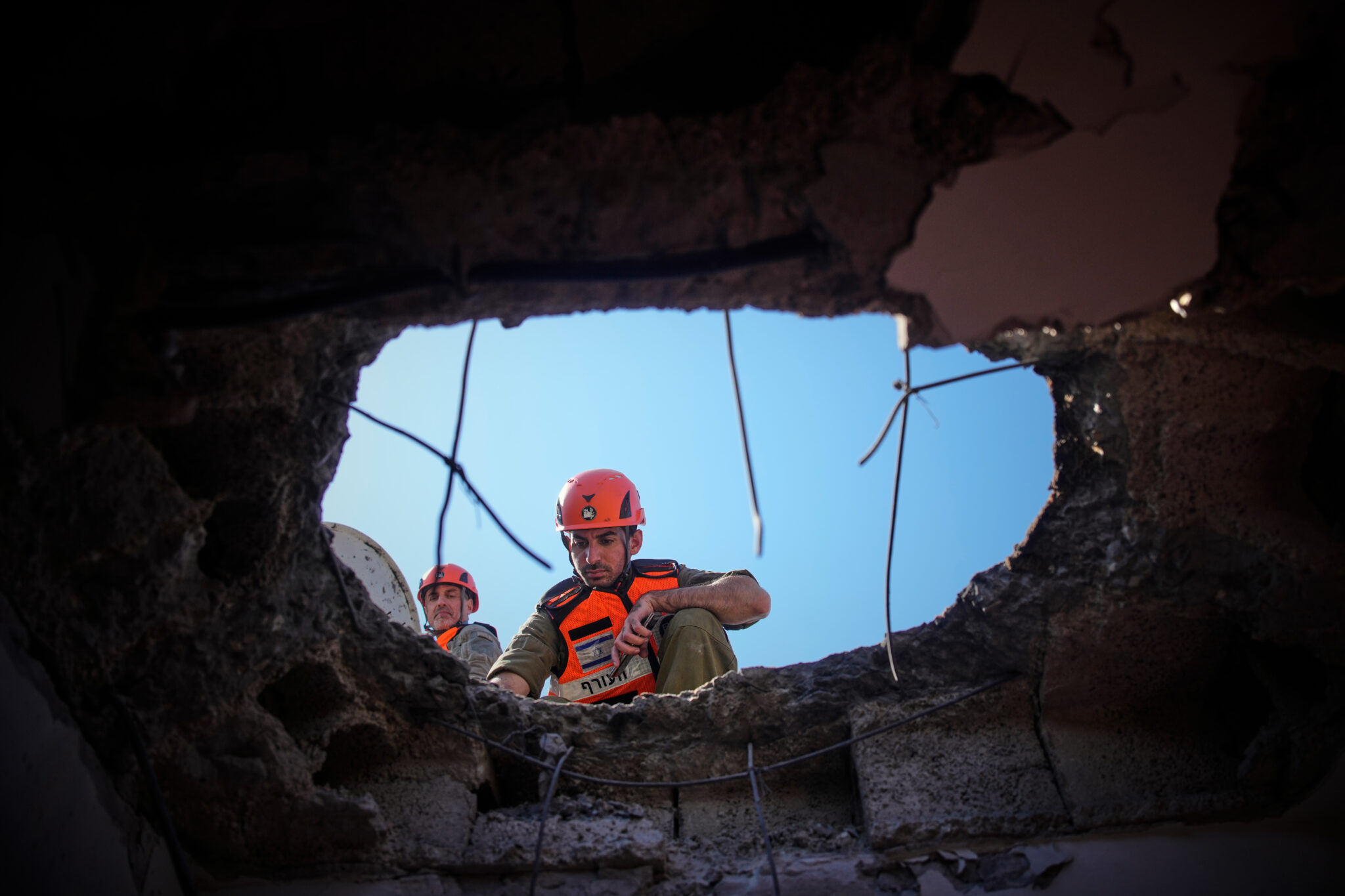
Iran Missile Barrage Spreads War Across Persian Gulf/ Newslooks/ WASHINGTON/ J. Mansour/ Morning Edition/ Iran has launched thousands of drones and missiles across the Persian Gulf as part of a strategy to widen the war and pressure the United States and its allies. The attacks have targeted Israel, U.S. military bases, and energy infrastructure throughout the region. Analysts warn the strategy could either force negotiations or push Gulf nations closer to Washington.
Iran Missile Barrage Strategy Quick Looks
- Iran has launched thousands of drones and ballistic missiles since the war began.
- Targets include Israel, U.S. bases, and Gulf energy infrastructure.
- The campaign began after Ayatollah Ali Khamenei was killed in the conflict.
- Iran’s goal is to expand the war across the region and raise pressure on the U.S.
- Attacks have hit Saudi Arabia, Oman, Qatar, and the UAE.
- Missile exchanges highlight a race between attack and interception capabilities.
- Analysts say Iran hopes to exhaust Western political will for war.
- Some experts warn the strategy could push Gulf states closer to the U.S..
Iran Missile Barrage Strategy Deep Look
Iran’s sweeping wave of drone and missile attacks across the Middle East highlights a core element of Tehran’s wartime strategy: expanding the battlefield across the region in hopes of raising the political and economic costs for the United States and its allies.
For years, Iran’s leadership warned that any threat to the Islamic Republic’s survival would trigger widespread attacks throughout the region. Now, analysts say the country is executing that plan.
Since the United States and Israel launched their military campaign over the weekend — an offensive that resulted in the death of Iran’s Supreme Leader Ayatollah Ali Khamenei — Iranian forces have unleashed thousands of ballistic missiles and drones targeting military and economic sites across the Middle East.
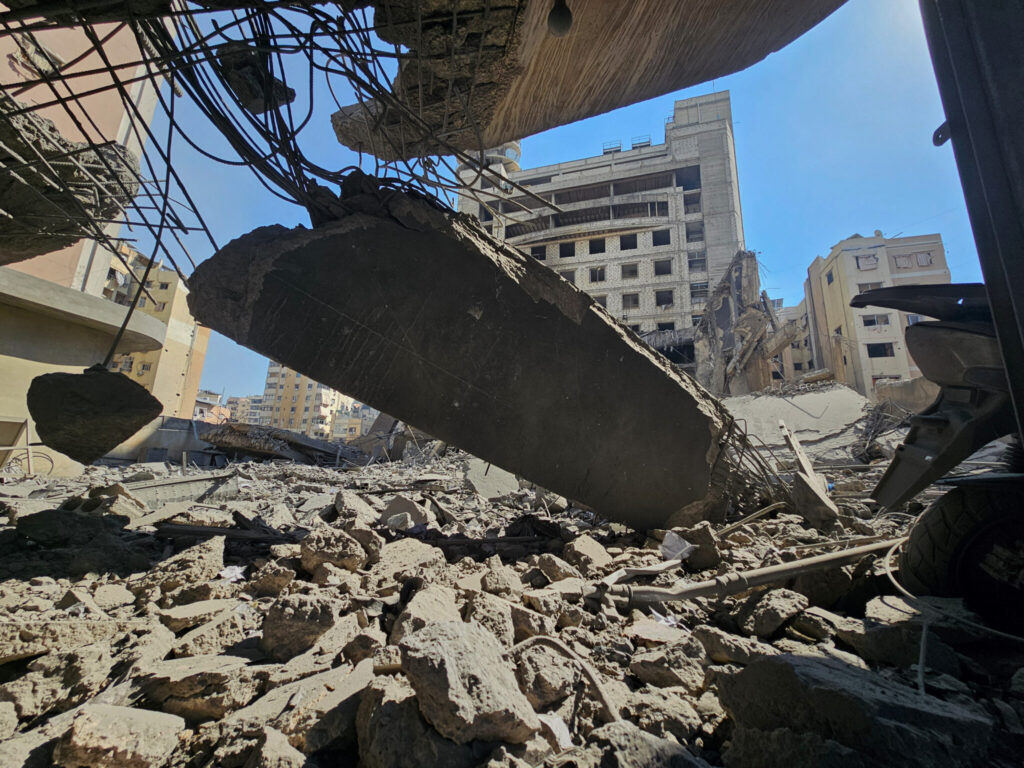
The barrage has struck Israeli cities, U.S. military installations, embassies, and energy infrastructure in Gulf countries.
Some missiles have even traveled over Iranian borders toward countries such as Turkey and Azerbaijan, demonstrating the geographic reach of Tehran’s retaliation.
A Strategy Designed To Spread Chaos
Experts say Iran’s approach is aimed at regionalizing the war as quickly as possible.
By widening the conflict beyond Iran’s borders, Tehran hopes to alarm U.S. allies and create pressure for diplomatic intervention that could halt the American-led military campaign.
Ellie Geranmayeh, deputy director of the Middle East and North Africa program at the European Council on Foreign Relations, said Iran’s immediate goal is survival.
“Iran is upping the costs for this U.S. military campaign and regionalizing it from the start,” she said.
Iran’s leaders believe that if the conflict grows costly enough — through casualties, economic disruption, and rising energy prices — public opinion in the United States and allied nations could shift against continuing the war.
The strategy also assumes that regional instability could push Gulf states and other partners to pressure Washington to seek negotiations.
“The Iranians are banking on exhausting the United States and its allies,” Geranmayeh said.
War Expands Across Middle East
The U.S. and Israeli offensive has inflicted heavy damage on Iranian military, government, and nuclear facilities.
Hundreds of airstrikes have targeted missile launchers, military bases, and nuclear infrastructure.
Despite facing overwhelming military pressure, Iran has continued firing ballistic missiles toward Israel and other targets.
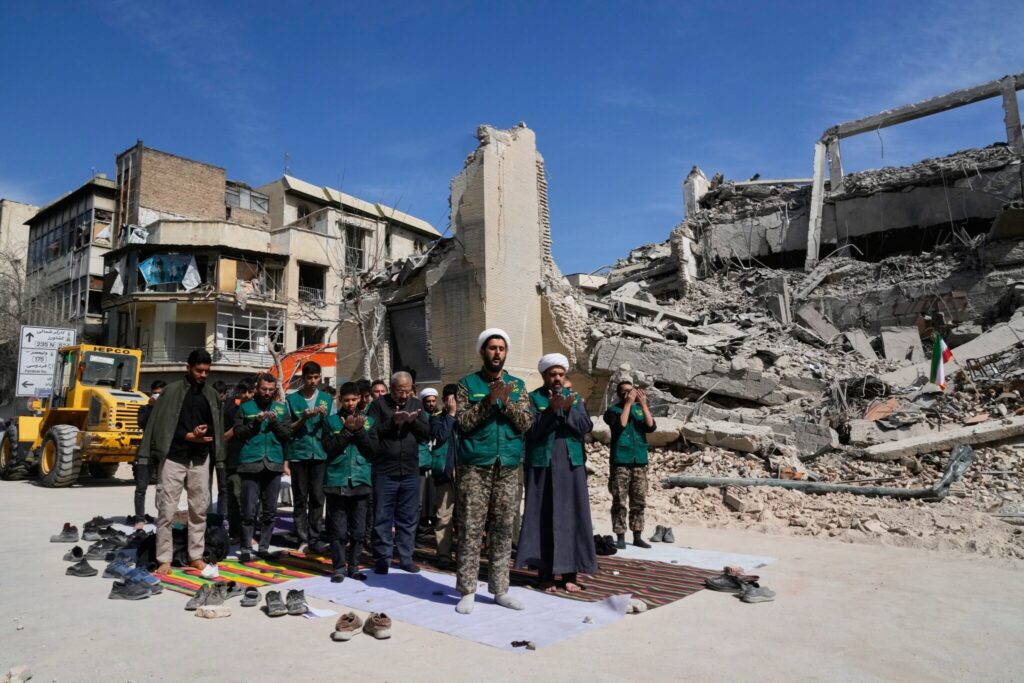
At least 11 people have been killed in Israel, while the broader conflict has resulted in more than 1,000 deaths inside Iran.
Missile attacks have also struck Gulf countries hosting American military forces.
The widening conflict has disrupted life across the region and raised fears of a prolonged war.
Allies And Mediators Caught In Crossfire
Iran’s retaliatory strikes have not spared regional partners that historically maintained relatively stable relations with Tehran.
Oman, which previously served as a mediator between Iran and the West during nuclear negotiations, has been drawn into the conflict.
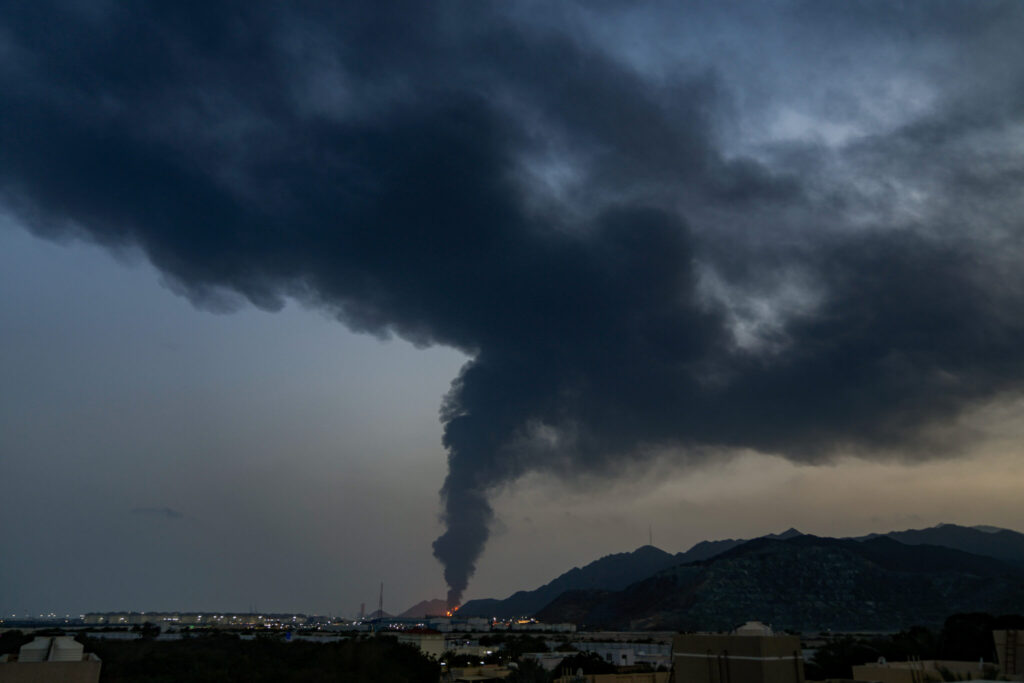
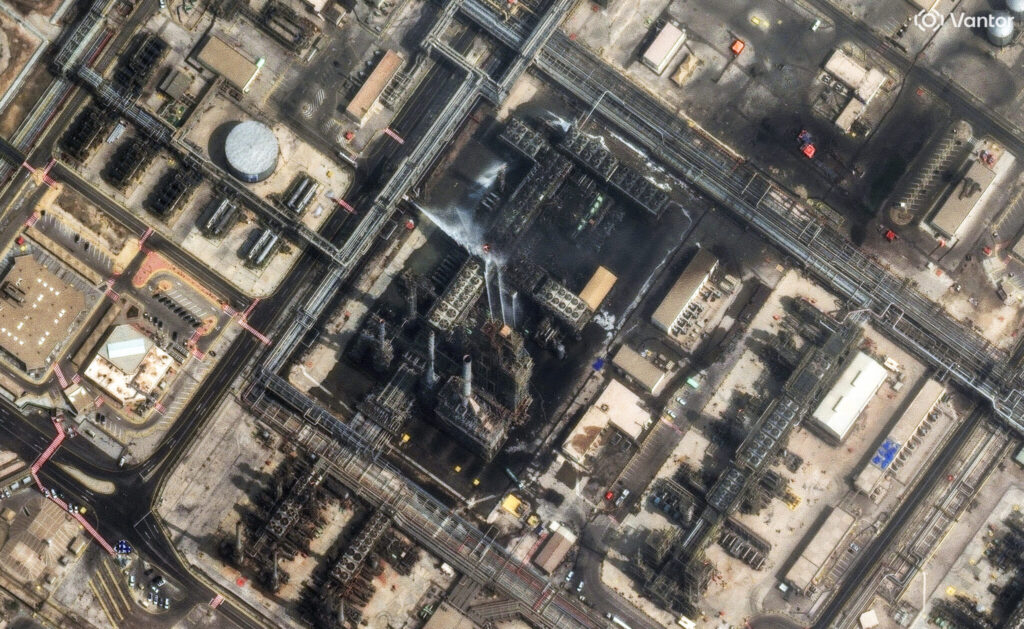
Iranian missiles struck ships and infrastructure near the Omani port of Duqm, a strategic location used for logistical support by the U.S. Navy.
Saudi Arabia has also faced repeated attacks.
Missile strikes targeted the Ras Tanura oil refinery, one of the world’s most important energy facilities, while drones struck the U.S. Embassy compound in Riyadh.
Qatar and the United Arab Emirates — both key U.S. partners — have also experienced missile and drone attacks.
These incidents have placed Gulf governments in a difficult position as they balance concerns about security, energy infrastructure, and diplomatic relations.
Missile Defense Race Intensifies
As the war continues, military planners on all sides are increasingly focused on the balance between offensive weapons and defensive interception systems.
Iran has a large stockpile of missiles and drones, but the supply is not unlimited.
At the same time, Israel, Gulf states, and the United States rely on interceptor missiles to shoot down incoming attacks — weapons that are also limited in number.
U.S. Defense Secretary Pete Hegseth said American and allied forces have intercepted thousands of Iranian missiles and drones during the conflict.
Israeli officials say dozens of Iranian missile launchers have been destroyed through airstrikes.
Still, warning sirens continue to sound across Israel and other parts of the region as attacks persist.
U.S. Central Command commander Adm. Brad Cooper described the military objective in simple terms.
“We are focused on shooting all the things that can shoot at us,” he said.
Western intelligence officials believe Iran may have several days’ worth of missiles available at its current rate of launches, though Tehran could reserve part of its arsenal for a longer campaign.
Strategy Could Backfire
Some analysts believe Iran’s strategy carries significant risks.
By attacking Gulf countries and threatening energy infrastructure, Tehran may be pushing regional governments closer to the United States rather than driving them away.
Hasan Alhasan of the International Institute for Strategic Studies said the missile campaign could strengthen military cooperation between Washington and Gulf states.
“It’s pushing the Gulf states into closer alignment with the United States,” Alhasan said.
Regional governments are likely to accelerate efforts to obtain additional air-defense systems while simultaneously searching for diplomatic pathways to end the war.
Confusion Inside Iran’s Command Structure
Iranian officials have also suggested that some military units may now be acting independently due to disruptions within the country’s leadership.
Foreign Minister Abbas Araghchi said certain Iranian forces were operating under previously issued general orders rather than direct centralized command.
However, neighboring governments have expressed skepticism about that explanation.
Qatar’s prime minister rejected Tehran’s claim that its missile strikes were aimed solely at American targets rather than Gulf states.
The exchange underscores the growing tensions between Iran and countries across the region as the war continues to expand.
Uncertain Outcome
Whether Iran’s strategy ultimately succeeds remains unclear.
Tehran hopes the widening conflict will create enough pressure to force the United States and Israel toward negotiations.
But the escalating attacks could also deepen regional alliances against Iran and prolong a conflict that is already reshaping the Middle East.





You must Register or Login to post a comment.