

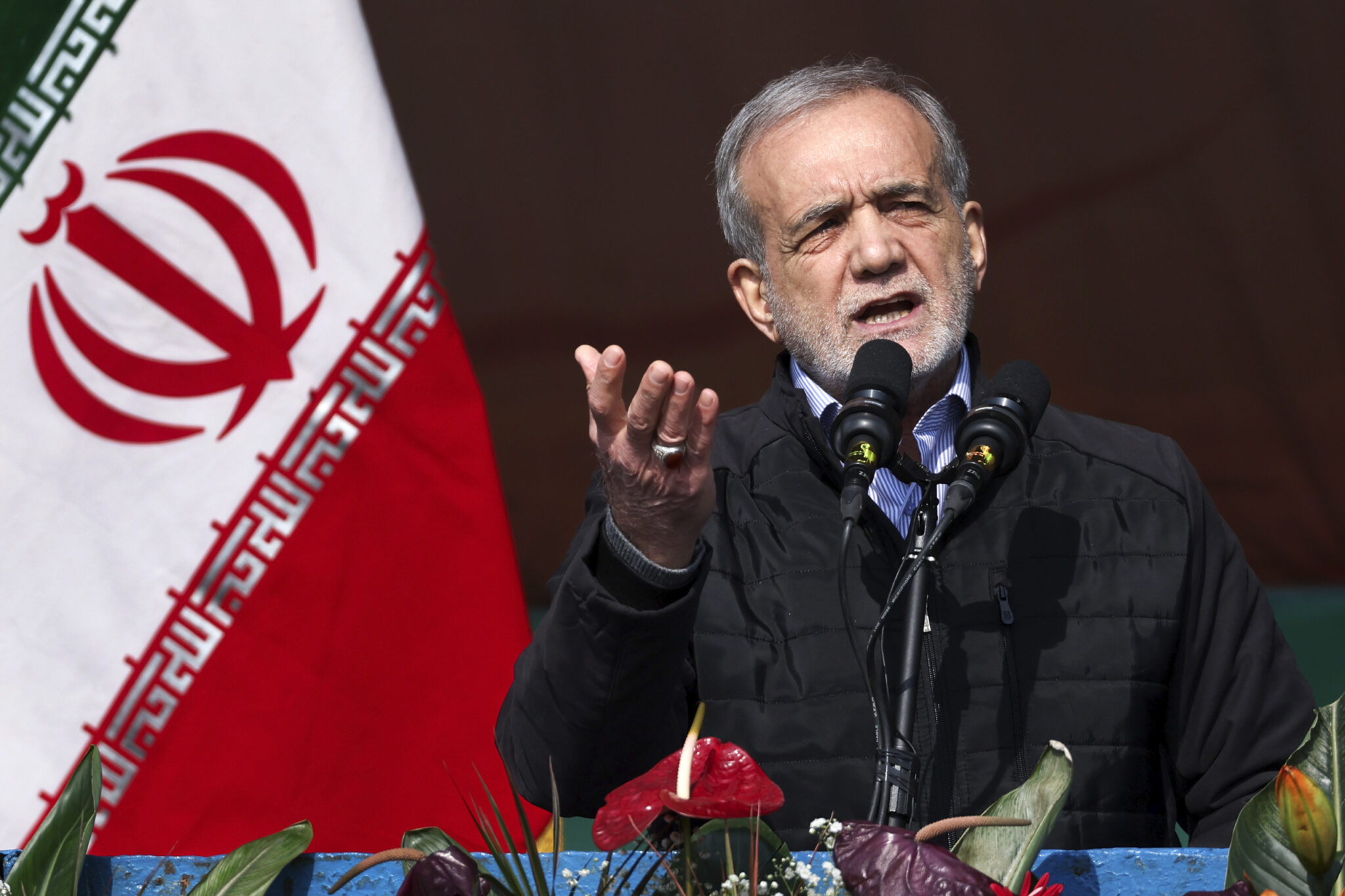
Iran President Apologizes As Missiles Strike Gulf Neighbors/ Newslooks/ WASHINGTON/ J. Mansour/ Morning Edition/ Iran’s president apologized to Gulf neighbors after missiles and drones targeted regional cities during the expanding war. Despite the apology, Iranian attacks disrupted flights in Dubai, targeted Saudi oil infrastructure, and triggered alarms across Bahrain and Israel. The United States and Israel intensified strikes on Iran while President Donald Trump warned Tehran would be “hit very hard.”
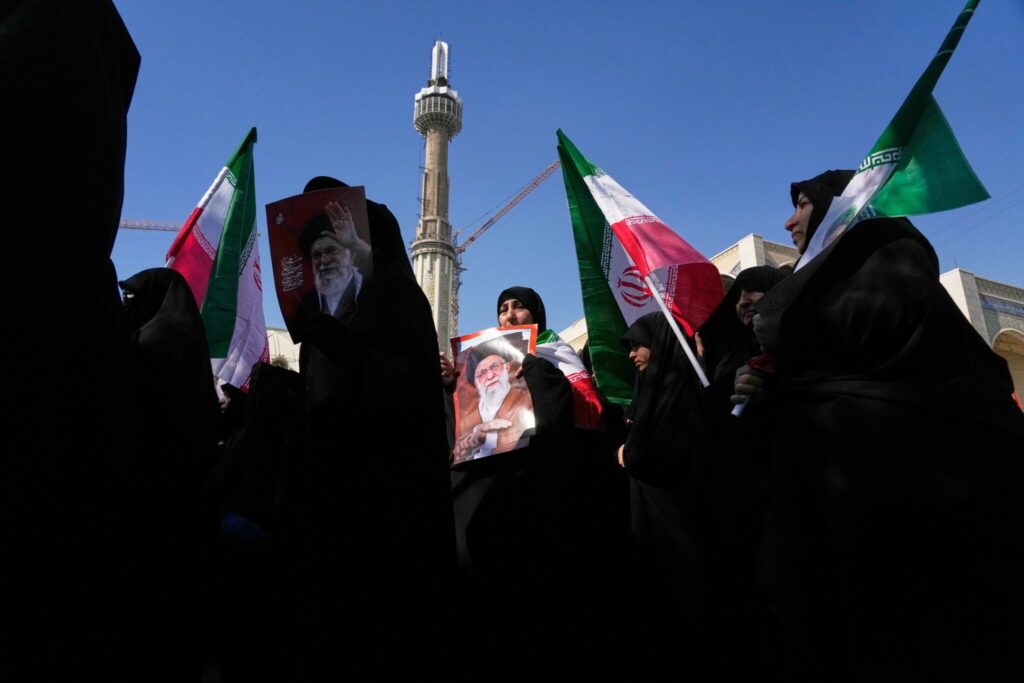
Iran Apology to Neighbors During War Quick Looks
- Iranian President Masoud Pezeshkian apologized to neighboring Gulf states hit by Iranian strikes.
- The conflict began after Supreme Leader Ayatollah Ali Khamenei was killed in a Feb. 28 airstrike.
- Iranian missiles and drones struck or threatened Dubai, Saudi Arabia, Bahrain, and Israel.
- Donald Trump warned Iran would face harsher attacks if hostilities continue.
- Hundreds of U.S. and Israeli airstrikes have targeted Iran’s military, leadership, and nuclear facilities.
- Regional conflict expanded with fighting in Lebanon involving the militant group Hezbollah.
- At least 1,230 people in Iran, more than 200 in Lebanon, and 11 in Israel have died.
- International concerns are rising as oil facilities, airports, and civilian areas face threats.
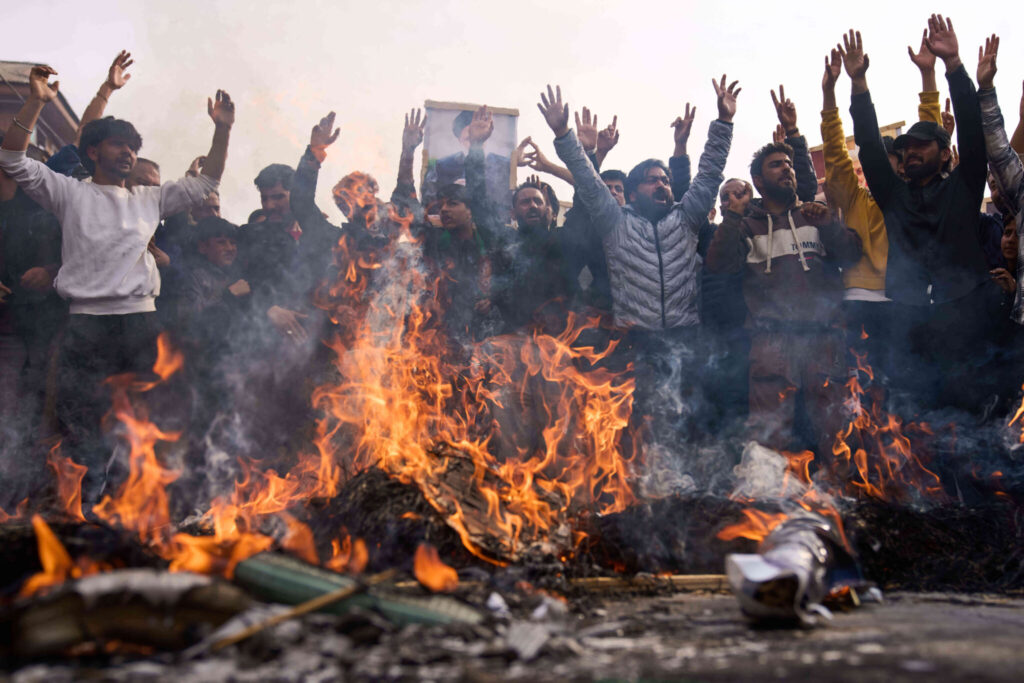
Deep Look
Iran President Apologizes to Gulf Neighbors Amid Expanding War
Iran’s president issued a rare apology to neighboring countries Saturday after Iranian missiles and drones targeted parts of the Gulf region, even as the widening conflict between Iran, the United States, and Israel intensified across the Middle East.
President Masoud Pezeshkian, part of a temporary leadership council governing Iran after the death of Supreme Leader Ayatollah Ali Khamenei, acknowledged the attacks while urging diplomacy. His statement came as regional tensions surged following a week of military escalation that has rattled global markets and destabilized Iran’s political leadership.
The war began after Khamenei was killed in a February 28 airstrike, triggering a wave of retaliatory attacks and counterstrikes across the region.
Iranian Apology Delivered as Attacks Continue
Pezeshkian’s remarks appeared in a quickly recorded video message that lacked the usual professional broadcast setup, suggesting urgency within Iran’s leadership.
“I should apologize to the neighboring countries that were attacked by Iran,” the president said, emphasizing that Iran should avoid striking regional states unless they directly attack Iranian territory.
He also called for diplomatic solutions to the escalating crisis.
However, the apology did little to calm the situation. Within hours of the message, Iranian missiles and drones targeted locations across the Gulf region.
Flights at Dubai International Airport were temporarily disrupted after air defense systems were activated following explosions near the city. Passengers waiting to depart were directed into underground train tunnels during the alert.
Authorities in Saudi Arabia reported intercepting drones heading toward the massive Shaybah oil field and destroying a ballistic missile aimed at Prince Sultan Air Base, which hosts U.S. forces.
Meanwhile, warning sirens sounded across Bahrain, sending residents seeking shelter as Iranian strikes targeted the island kingdom.
Trump Warns Iran of Harsher Strikes
U.S. President Donald Trump responded to the escalating conflict with a sharp warning on social media, indicating that additional Iranian targets could soon be hit.
Trump wrote that Iran would be “hit very hard,” suggesting that previously untouched locations and individuals could be targeted if Tehran continues its aggressive actions.
His administration has already approved a $151 million arms package for Israel, reinforcing Washington’s support for Israeli military operations against Iran.
The United States and Israel have conducted hundreds of airstrikes against Iranian military infrastructure, leadership sites, and nuclear-related facilities since the conflict erupted.
Washington officials have warned that even more intense bombing operations could follow.
Iranian Military Command Confusion
Despite the president’s apology, Iran’s chain of command appears fractured.
The powerful Islamic Revolutionary Guard Corps (IRGC) controls Iran’s ballistic missile forces and traditionally answers only to the supreme leader. With Khamenei dead, analysts say the Guard may now be acting with greater independence.
Iranian military spokesman Gen. Abolfazl Shekarchi further complicated the situation by stating that Iran had not attacked countries that did not assist U.S. forces in launching strikes.
However, American attacks have not been launched from most Gulf states currently under Iranian fire, deepening confusion over Iran’s targeting decisions.
Meanwhile, senior cleric Ayatollah Nasser Makarem Shirazi urged Iran’s Assembly of Experts to quickly appoint a new supreme leader to restore centralized authority. The 88-member clerical body responsible for selecting Iran’s top leader has itself been affected by airstrikes that damaged buildings associated with the council.
Regional Fighting Intensifies
The conflict is expanding beyond Iran and Israel, with fighting spreading across multiple Middle Eastern fronts.
Early Saturday, air raid sirens sounded across Israel as incoming Iranian missiles forced residents to seek shelter. Explosions echoed across Jerusalem, although no immediate casualties were reported.
In Lebanon, the Iranian-backed militant group Hezbollah reported clashes with Israeli forces after troops landed in mountainous areas of eastern Lebanon late Friday.
Lebanon’s Health Ministry said Israeli airstrikes in the town of Nabi Chit and nearby locations killed 41 people and injured 40 others, including three Lebanese soldiers.
Israel’s military did not immediately comment on the reported fighting.
Israeli forces have also conducted repeated airstrikes in the southern suburbs of Beirut, a densely populated area where Hezbollah maintains significant influence.
Lebanon has reported more than 200 deaths and over 800 injuries since the latest wave of strikes began earlier in the week.
Mounting Casualties Across Region
The war’s human toll continues to climb rapidly.
Officials report at least:
- 1,230 deaths in Iran
- More than 200 deaths in Lebanon
- 11 deaths in Israel
- Six U.S. troops killed
The rising casualties and growing geographic scope of the conflict have fueled fears that the war could evolve into a broader regional confrontation.
Naval Incidents Add to Crisis
Complicating matters further, an Iranian naval vessel has docked in Kochi, India, after reportedly experiencing mechanical problems.
India’s foreign minister Subrahmanyam Jaishankar confirmed the docking, saying India granted permission for humanitarian reasons.
The development comes days after a U.S. submarine sank the Iranian warship IRIS Dena off the coast of Sri Lanka, while another Iranian vessel requested assistance in the region.
The ships had previously participated in naval exercises hosted by India but became caught in the rapidly escalating conflict.
A Region on Edge
With missile attacks hitting Gulf states, clashes erupting in Lebanon, and heavy bombardment continuing inside Iran, the Middle East now faces one of its most volatile crises in years.
Diplomatic efforts have so far failed to slow the fighting, and global leaders are increasingly concerned that continued escalation could threaten energy supplies, regional stability, and international security.






You must Register or Login to post a comment.