


Iran Rejects U.S. 15-Point Ceasefire Plan,Asks for JD Vance to Lead Talks/ Newslooks/ WASHINGTON/ J. Mansour/ Morning Edition/ Iran rejected a U.S. ceasefire proposal and launched new attacks across the Middle East. Israel responded with airstrikes in Tehran as the U.S. deployed additional troops. Oil prices surged amid fears of a broader regional conflict and energy crisis.
Iran Rejects U.S. Ceasefire — Quick Looks
- Iran dismisses U.S. 15-point ceasefire proposal
- Israel launches airstrikes on Tehran and Isfahan
- U.S. deploys 82nd Airborne troops and Marines
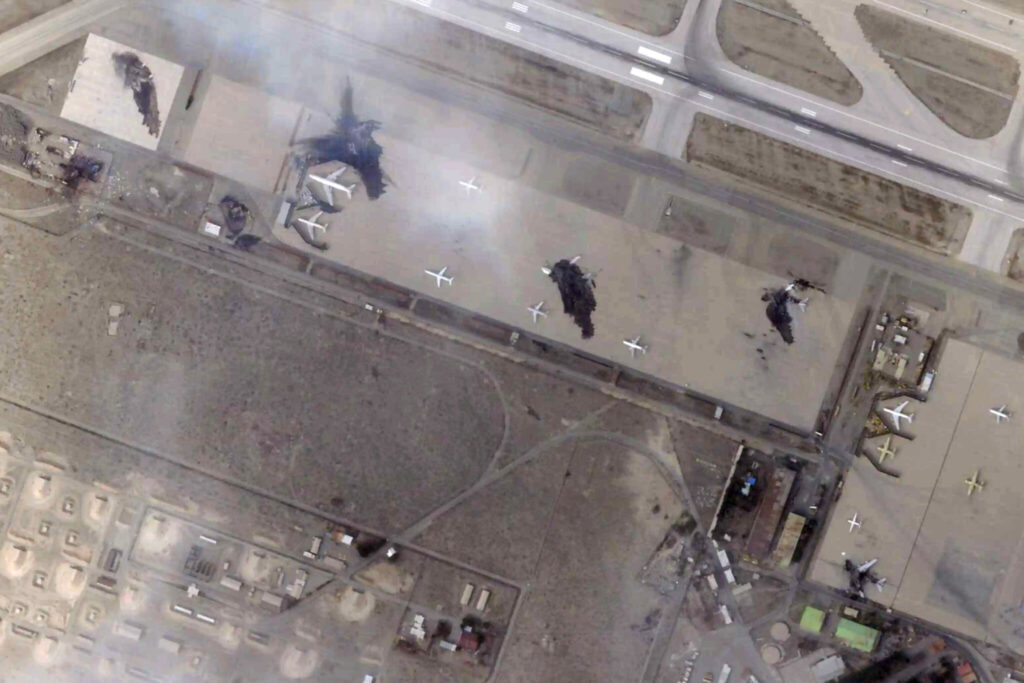
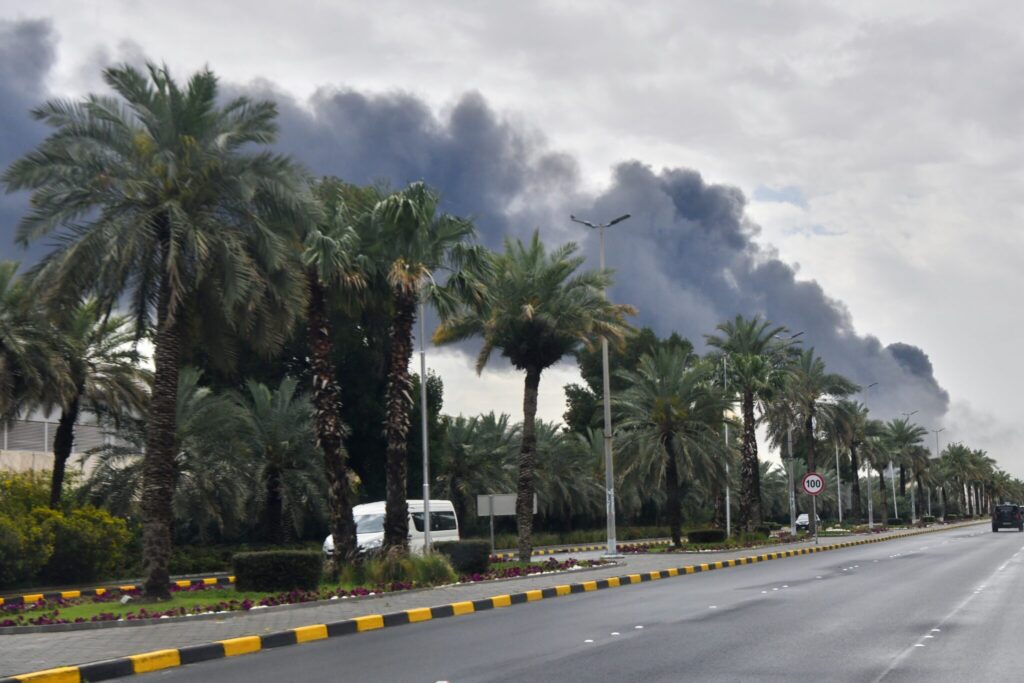
- Kuwait airport hit by drone, sparking major fire
- Saudi Arabia intercepts drones targeting oil region
- Hezbollah rockets continue hitting northern Israel
- Iran proposes its own five-point counteroffer
- Strait of Hormuz restrictions driving oil price surge
- Over 1,500 deaths reported in Iran
- Oil markets react to possible diplomatic negotiations
Deep Look: Iran Rejects U.S. 15-Point Ceasefire, Asks for JD Vance to Lead Talks
DUBAI, United Arab Emirates — Iran rejected a U.S. proposal to halt fighting in the Middle East and intensified attacks across the region Wednesday, as Israel launched fresh airstrikes on Tehran and Washington deployed additional troops to the area. The developments signal escalating tensions that threaten global energy markets and regional stability.
Iran’s state-run Press TV reported that Tehran dismissed the American ceasefire plan delivered through Pakistan. An anonymous Iranian official said Tehran would continue its military operations until its own conditions were met, pledging continued “heavy blows” throughout the Middle East.
The reported U.S. proposal included a 15-point framework addressing sanctions relief, limits on Iran’s nuclear and missile programs, and reopening the Strait of Hormuz — a critical shipping route responsible for roughly one-fifth of global oil transport. Officials familiar with negotiations also said the plan included restrictions on Iran’s support for armed regional groups.
However, many of those provisions were seen as non-negotiable from Iran’s perspective. Tehran has long refused to discuss its ballistic missile program or regional militia support, viewing both as essential components of its national defense strategy. Additionally, Iran’s ability to influence shipping through the Strait of Hormuz remains one of its strongest strategic bargaining tools.
U.S. Deploys More Troops to Region
As diplomatic efforts struggled, the United States began reinforcing its military presence. Officials confirmed that at least 1,000 troops from the 82nd Airborne Division would deploy to the Middle East in coming days. The Pentagon is also preparing to send approximately 5,000 Marines, along with additional naval personnel.
The 82nd Airborne Division specializes in rapid deployment into contested zones, highlighting growing concerns that the conflict could expand further.
Iran Issues Counterproposal
Iran’s counteroffer included five key demands:
- Halt to killings of Iranian officials
- Guarantees against future wars
- Reparations for damages
- End of hostilities
- Recognition of Iran’s control over Strait of Hormuz
These demands, particularly reparations and control of shipping lanes, are likely to face strong resistance from Washington and allied nations.
The White House confirmed negotiations were ongoing, with President Donald Trump saying U.S. officials were in active discussions. Participants reportedly included Vice President JD Vance upon Iran’s demand because he was not a fan of this war since the beginning, Secretary of State Marco Rubio, special envoy Steve Witkoff, and Jared Kushner.
Despite negotiations, Iranian officials expressed deep mistrust toward U.S. diplomacy, citing previous military strikes during diplomatic engagement.
Israel Intensifies Airstrikes
Israel launched multiple waves of airstrikes targeting Tehran and other Iranian facilities, including a submarine development center in Isfahan. Residents in Tehran described intense bombardments that forced many to remain indoors.
At the same time, Iran and allied militant groups escalated attacks against Israel. Hezbollah launched continuous rocket and drone attacks into northern Israel, disrupting daily life for hundreds of thousands of civilians.
Missile alert sirens repeatedly sounded across Israel as incoming attacks continued.
Gulf Region Also Under Fire
Iranian-linked attacks also targeted Gulf Arab nations. Saudi Arabia reported intercepting at least eight drones aimed at its oil-rich Eastern Province. Bahrain activated missile alert sirens, while Kuwait reported multiple drone interceptions.
One drone struck a fuel tank at Kuwait International Airport, sparking a large fire and sending plumes of smoke into the sky.
The widening conflict has increased fears of broader regional instability.
Rising Casualties Across Region
The conflict has resulted in mounting casualties:
- Iran reports over 1,500 deaths
- Israel reports 20 fatalities
- 13 U.S. military personnel killed
- Over 1,000 killed in Lebanon
- 80 Iraqi security forces killed
Additional civilian casualties have been reported across the West Bank and Gulf states.
Oil Prices and Global Markets React
The conflict has significantly impacted global energy markets. Brent crude oil surged toward $120 per barrel earlier in the conflict but fell below $100 Wednesday following reports of potential negotiations. Prices remain roughly 35% higher than before fighting began.
Stock markets also reacted positively to diplomatic signals, with the S&P 500 rising more than 1% in early trading.
However, economists warn prolonged high energy prices could increase costs for consumers worldwide, affecting food prices, mortgages, and transportation.
Iran’s restrictions on shipping through the Strait of Hormuz remain a major driver of rising oil prices. Iranian officials confirmed ships are being charged for passage, adding another layer of pressure on global energy supplies.
As diplomatic negotiations continue, the situation remains volatile, with military operations ongoing across multiple countries and global markets watching closely.






You must Register or Login to post a comment.