

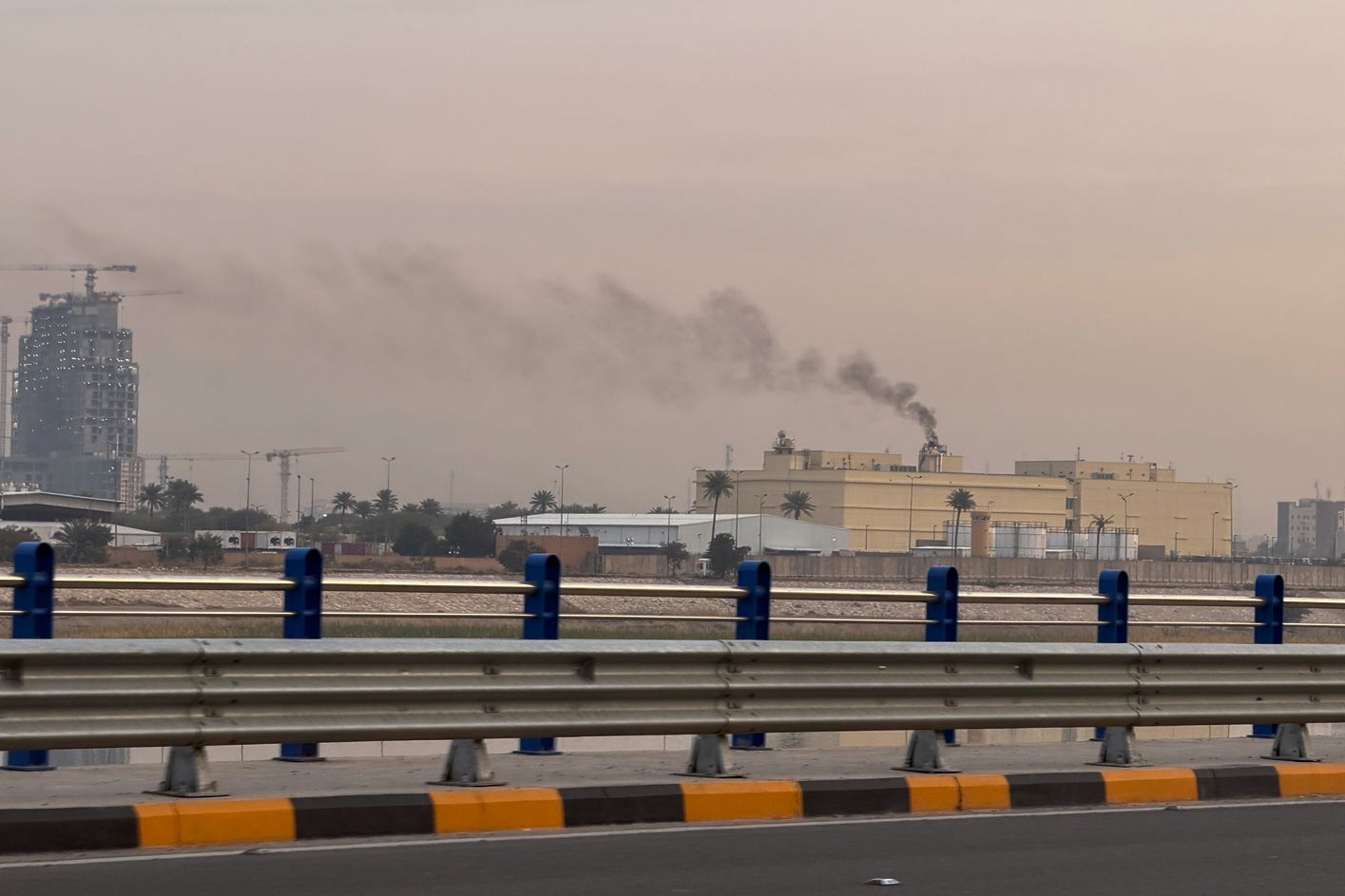
Iran Retaliates, Hits US Embassy After US Strikes Key Oil Island/ Newslooks/ WASHINGTON/ J. Mansour/ Morning Edition/ Iran launched new missile and drone attacks across the region after U.S. strikes targeted military sites on Kharg Island, a critical hub in Iran’s oil network. A missile struck the U.S. Embassy compound in Baghdad while drone debris ignited a fire at a UAE oil facility. The escalating conflict has entered its third week, intensifying military deployments and threatening global energy supplies.
Iran Retaliation After Kharg Island Strike Quick Looks
- A missile struck the U.S. Embassy compound in Baghdad.
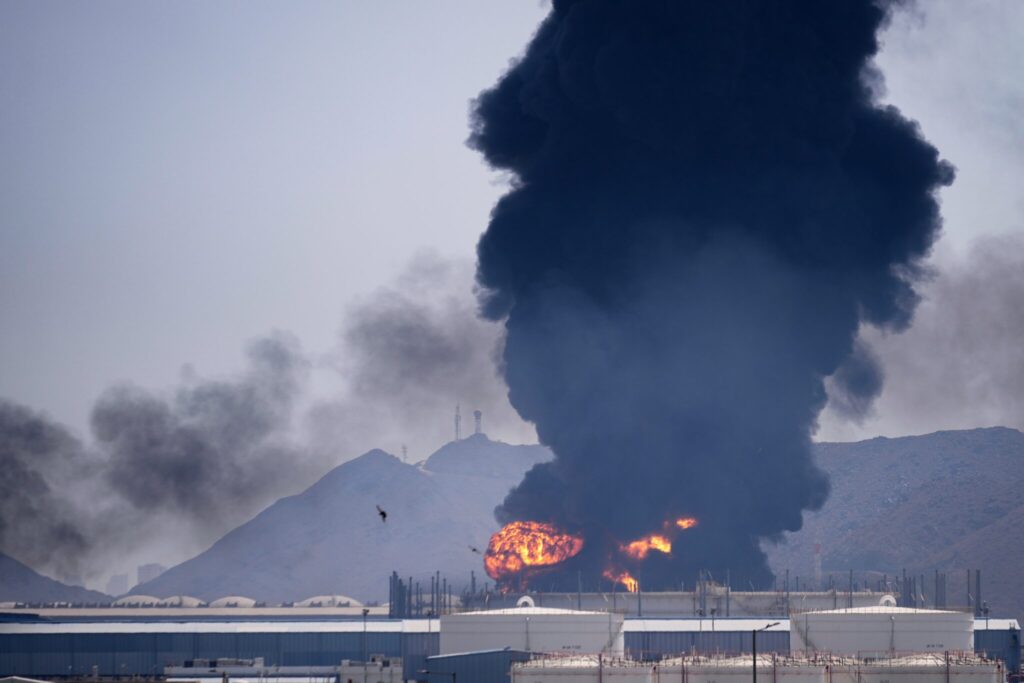
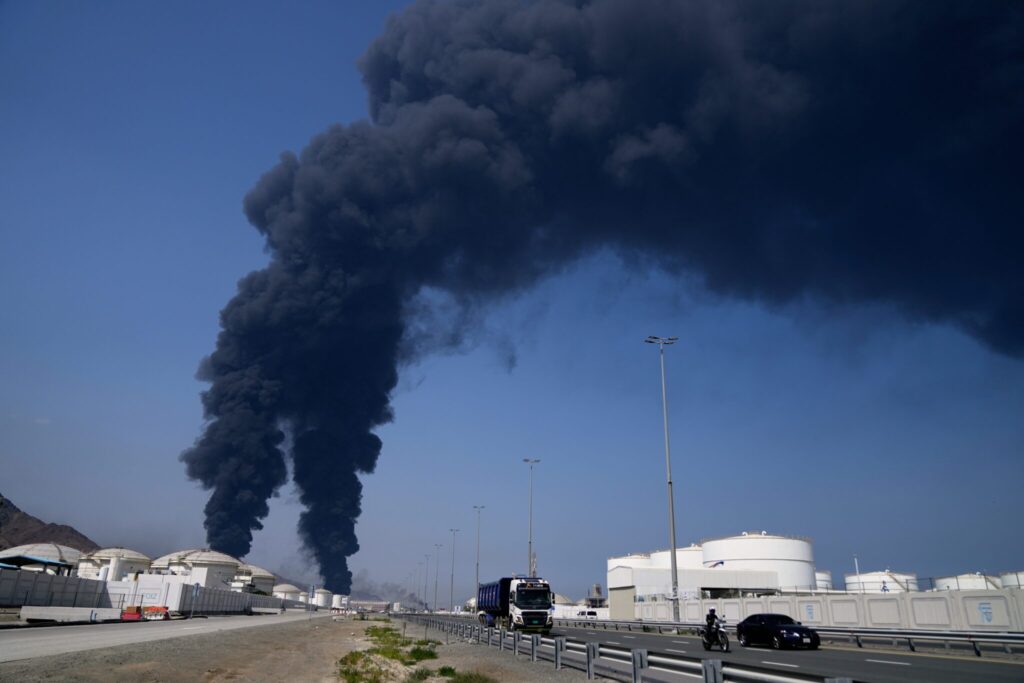
- Drone debris caused a fire at an oil facility in Fujairah, UAE.
- The attacks came after U.S. strikes on Iran’s Kharg Island.
- Kharg Island is the main hub for Iran’s oil exports.
- The U.S. is sending 2,500 additional Marines and an amphibious assault ship.
- Iran has threatened regional oil infrastructure linked to the U.S..
- The war has effectively disrupted shipping in the Strait of Hormuz.
Deep Look
Iran Launches Retaliation After U.S. Strikes Key Oil Hub
Iran launched new attacks across the Middle East as the war with the United States and Israel entered its third week, escalating tensions following U.S. airstrikes on a strategic island central to Iran’s oil network.
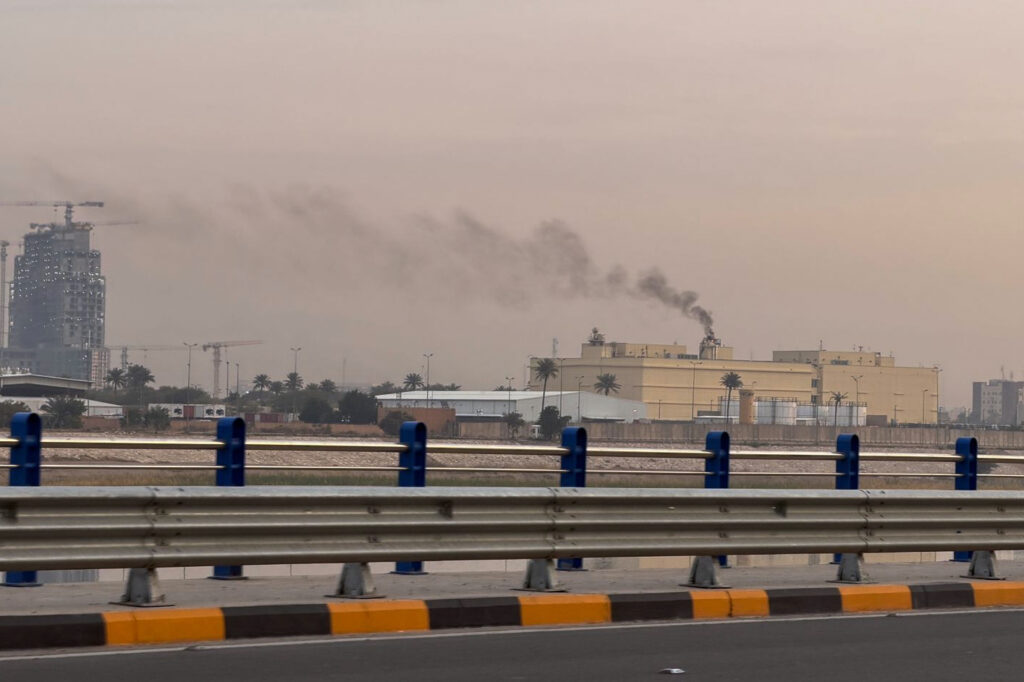
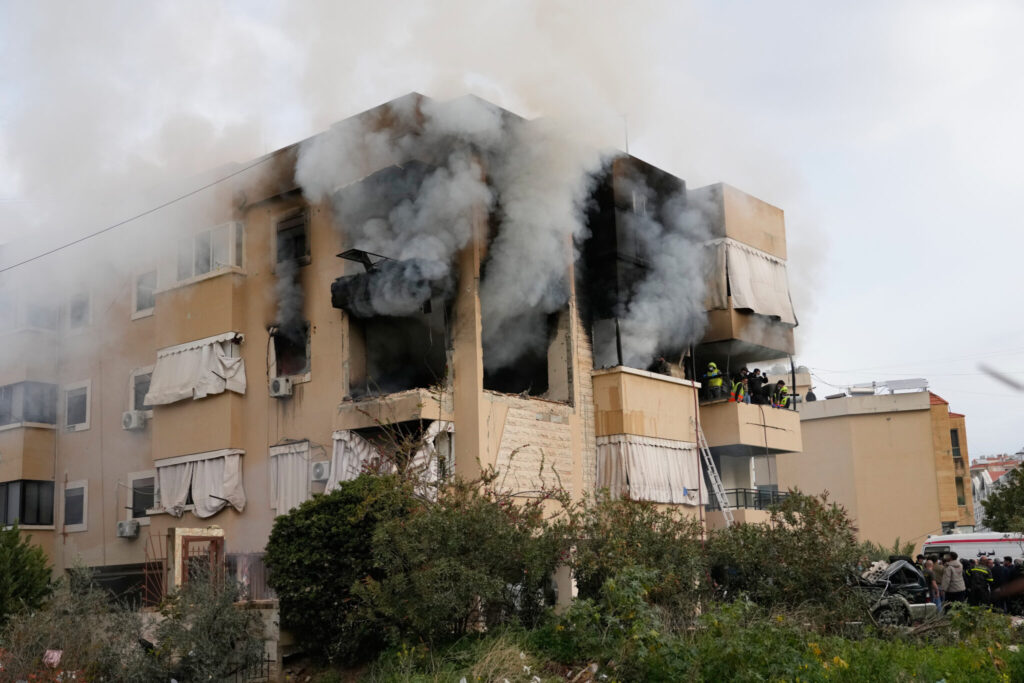
A missile struck a helipad inside the U.S. Embassy compound in Baghdad, while debris from an intercepted Iranian drone ignited a fire at an oil facility in Fujairah in the United Arab Emirates.
Images from the Iraqi capital showed smoke rising from the embassy compound, one of the largest American diplomatic facilities in the world.
The strike came just a day after U.S. President Donald Trump announced that American forces had bombed military targets on Kharg Island, a key hub for Iran’s oil exports.
U.S. Strike Targets Strategic Island
Kharg Island sits in the Persian Gulf and hosts the primary terminal used to export Iranian crude oil.
Trump said U.S. forces had “obliterated” military installations on the island but did not directly target its oil facilities.
However, the president warned that Iran’s energy infrastructure could become a target if Tehran continues interfering with global shipping routes.
“If Iran interferes with ships in the Strait of Hormuz, we will reconsider wiping out the oil infrastructure,” Trump said.
Iranian officials had already warned that attacks on the island could trigger major retaliation.
Iranian Parliament Speaker Mohammad Bagher Qalibaf said strikes on Iran’s southern maritime islands would cause Tehran to abandon “all restraint.”
Iran Threatens Regional Energy Infrastructure
Following the attack, Iran’s military leadership issued new warnings targeting energy facilities connected to the United States or its allies.
A spokesperson for Iran’s Khatam al-Anbiya Central Headquarters, the country’s joint military command, said Tehran could strike oil and energy infrastructure across the region.
The warning included facilities operated by companies that have American ownership or cooperate with U.S. interests.
Iran also threatened to target cities in the United Arab Emirates, accusing the country of allowing the United States to use ports and bases to launch attacks on Iranian territory.
The statement urged residents to evacuate areas where U.S. forces were believed to be stationed.
Details of the Kharg Island Strike
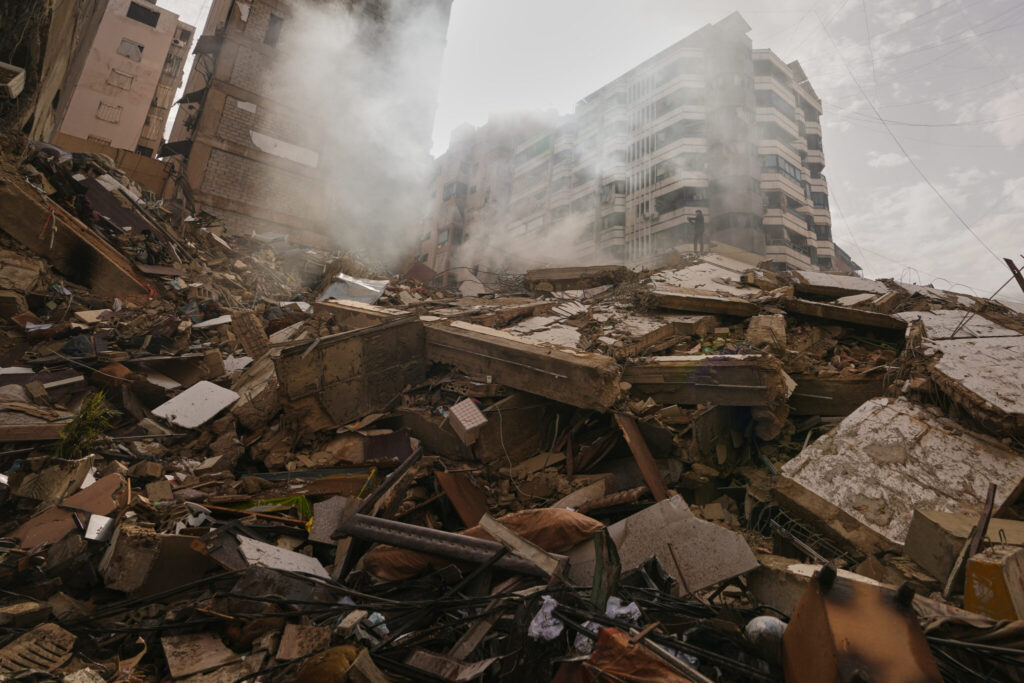
Iranian media said the U.S. strike on Kharg Island triggered at least 15 explosions.
According to Iran’s semi-official Fars News Agency, the strikes targeted several military facilities, including:
- An air defense installation
- A naval base
- The airport control tower
- A helicopter hangar linked to an offshore oil company
Iranian officials said the island’s oil infrastructure was not damaged.
The U.S. military later released video footage showing the attack and said the strikes destroyed naval mine storage facilities, missile bunkers and other military sites.
New U.S. Military Deployments
As the conflict intensifies, the United States is increasing its military presence in the region.
Officials said 2,500 Marines from the 31st Marine Expeditionary Unit are being deployed to the Middle East along with the amphibious assault ship USS Tripoli.
Marine Expeditionary Units are rapid-response forces capable of conducting amphibious landings, evacuating civilians, protecting embassies and responding to emergencies.
The unit is based in Japan and had been operating in the Pacific before being redirected toward the Middle East.
The USS Tripoli was recently spotted near Taiwan by satellite imagery and is expected to take more than a week to reach waters near Iran.
Growing U.S. Naval Presence
The new deployment would join a large American naval force already stationed in the region.
Earlier this week, the U.S. Navy had 12 warships operating in the Arabian Sea, including:
- The aircraft carrier USS Abraham Lincoln
- Eight guided missile destroyers
If the USS Tripoli joins the fleet, it would become one of the largest U.S. vessels operating near Iran.
Meanwhile, Al-Udeid Air Base in Qatar — one of the largest American installations in the Middle East — typically hosts around 8,000 U.S. troops.
Embassy Attack Highlights Escalation
The strike on the U.S. Embassy compound in Baghdad underscores the risk of further escalation across the region.
Iran-aligned militia groups have repeatedly targeted the embassy in the past with rockets and drones.
No group immediately claimed responsibility for the attack.
The U.S. Embassy in Iraq recently renewed its Level 4 security alert, warning Americans to avoid travel to the country due to the threat of attacks from Iranian-backed groups.
Massive Air Campaign Continues
Meanwhile, the U.S. and Israel continue extensive air operations targeting Iranian military infrastructure.
Israeli officials said their forces struck more than 200 targets in Iran in the previous 24 hours, including missile launchers and weapons production facilities.
U.S. Defense Secretary Pete Hegseth said American forces have struck more than 15,000 targets since the war began.
That pace amounts to more than 1,000 strikes per day, reflecting the intensity of the campaign.
Strait of Hormuz Crisis
The war continues to threaten the Strait of Hormuz, a critical global energy corridor that carries roughly 20% of the world’s oil supply.
Iran has attempted to disrupt shipping through the strait, triggering fears of a global energy crisis.
Despite those concerns, U.S. officials say they are working to keep the waterway open.
“We have been dealing with it and don’t need to worry about it,” Hegseth said.
However, continued attacks across the Gulf region highlight the growing risk that the conflict could spread further.






You must Register or Login to post a comment.