

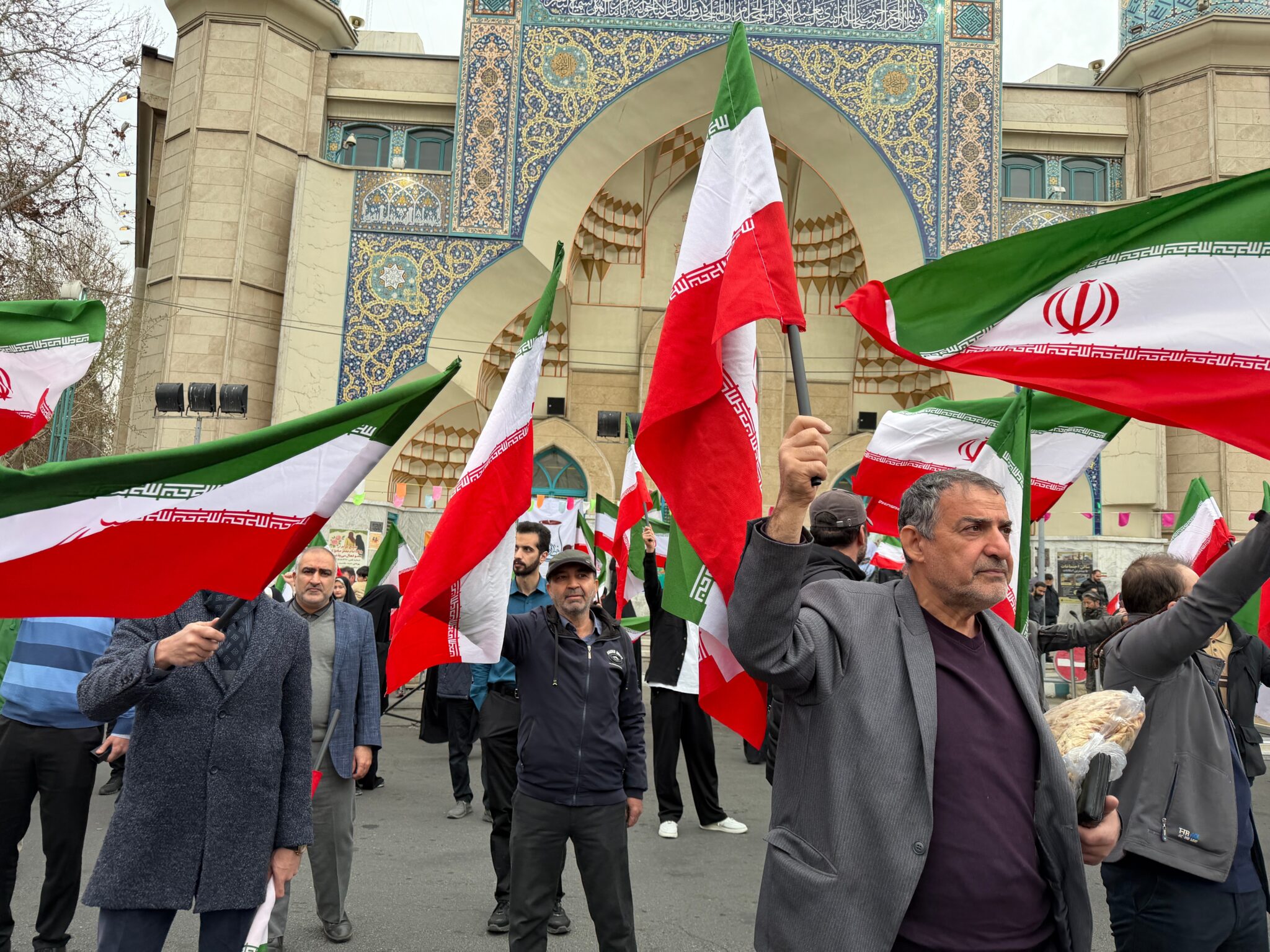
Iran Strikes US Embassy in Saudi Arabia as War Expands Yet Again/ Newslooks/ WASHINGTON/ J. Mansour/ Morning Edition/ Iran struck the U.S. Embassy in Riyadh as the war with the United States and Israel entered a new phase. Washington began evacuating personnel across the Middle East amid widening attacks. Energy markets, shipping lanes, and regional stability remain under severe strain.
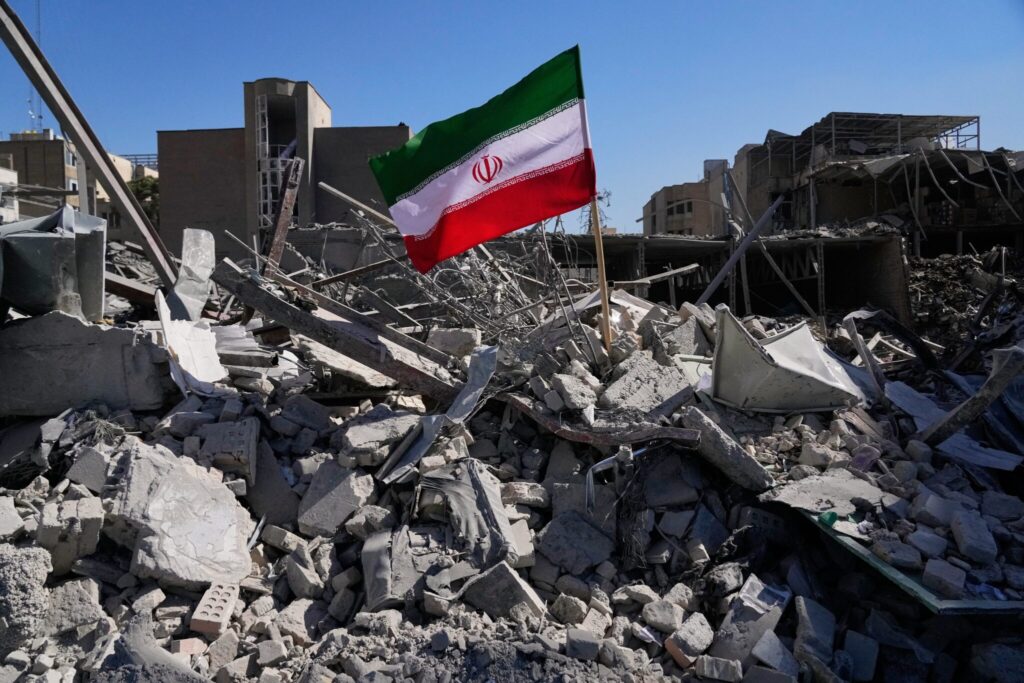
Iran Strikes US Embassy in Saudi Arabia Quick Looks
- Two drones hit U.S. Embassy compound in Riyadh
- Limited fire reported, embassy closed
- U.S. evacuating non-emergency staff across region
- Hundreds killed, majority in Iran
- Israel expands ground operations into Lebanon
- Natanz nuclear site sustains new damage
- Strait of Hormuz tensions spike
- Oil and gas markets rattled

Deep Look
Iran Strikes U.S. Embassy in Saudi Arabia as War Widens Again
DUBAI, United Arab Emirates — Iran expanded its retaliation campaign Tuesday by striking the U.S. Embassy in Riyadh, Saudi Arabia, marking a dramatic escalation in a conflict that has already disrupted global energy supplies, shipping lanes and air travel.
Saudi Arabia’s Defense Ministry said two drones targeted the embassy compound, causing a limited fire. The U.S. Embassy urged American citizens to avoid the area and later announced it would remain closed until further notice.
The strike followed a separate attack on the U.S. Embassy in Kuwait and came as Washington ordered the evacuation of non-essential diplomatic personnel and family members from several Middle Eastern countries.
U.S. Begins Regional Drawdown
The U.S. State Department ordered non-emergency personnel to leave Kuwait, Bahrain, Iraq, Qatar, Jordan and the United Arab Emirates. Americans were also urged to depart more than a dozen countries in the region, though widespread airspace closures have left many travelers stranded.
Other nations began arranging evacuation flights for their citizens as the war entered its fourth day.
The widening scope of Iranian retaliation — targeting diplomatic missions and energy infrastructure — has deepened concerns about how far the conflict could spread.
Rising Death Toll Across the Region
The Iranian Red Crescent Society said at least 787 people have been killed in U.S.-Israeli strikes on Iran. In Israel, Iranian missile attacks have killed 11 people. In Lebanon, retaliatory Israeli strikes following Hezbollah attacks have left 52 dead.
The U.S. military has confirmed six American service members killed in action. Additional casualties have been reported in the United Arab Emirates, Kuwait and Bahrain.
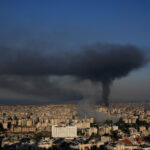
Explosions were heard across Tehran overnight into Tuesday, with Iranian state television reporting strikes on a broadcasting facility but no injuries.
Nuclear Facilities Targeted Again
The International Atomic Energy Agency (IAEA) said Iran’s Natanz nuclear enrichment site sustained “some recent damage,” though it reported no radiological consequences.
Natanz had previously been struck during a 12-day conflict in 2025, when U.S. and Israeli forces severely degraded parts of Iran’s nuclear infrastructure.
Israeli Prime Minister Benjamin Netanyahu claimed Iran had begun constructing new underground nuclear facilities, though he did not present public evidence. Iran maintains that its nuclear program is peaceful and says it has not enriched uranium since last year’s conflict.
Satellite imagery reviewed by analysts suggested limited activity at certain nuclear sites prior to the current war, potentially indicating damage assessments were underway.
Uncertain War Timeline
President Donald Trump said Monday that operations could last four to five weeks but emphasized the U.S. was prepared for a longer engagement if necessary.
“We have a virtually unlimited supply” of munitions, Trump wrote on social media, suggesting the campaign could continue as long as required.
Despite the escalating strikes, administration officials have offered limited clarity about long-term objectives. While Trump initially urged Iranians to overthrow their government following the killing of Supreme Leader Ayatollah Ali Khamenei, senior officials have since stated regime change is not an explicit goal.
Energy Markets and Shipping Disrupted
The conflict has sent shockwaves through global markets.
Iran has struck energy facilities in Qatar and Saudi Arabia and targeted vessels in the Strait of Hormuz — a critical maritime chokepoint through which roughly 20% of global oil trade passes.
Iranian Brig. Gen. Ebrahim Jabbari declared the strait “closed,” warning ships attempting passage could face attack.
Qatar vowed retaliation for strikes on its territory, and global oil and natural gas prices have surged amid fears of prolonged disruption.
In addition to energy targets, Iranian strikes reportedly hit two Amazon data centers in the United Arab Emirates and damaged a facility in Bahrain.
Israel Expands Operations Into Lebanon
The conflict has also reignited hostilities along Israel’s northern border.
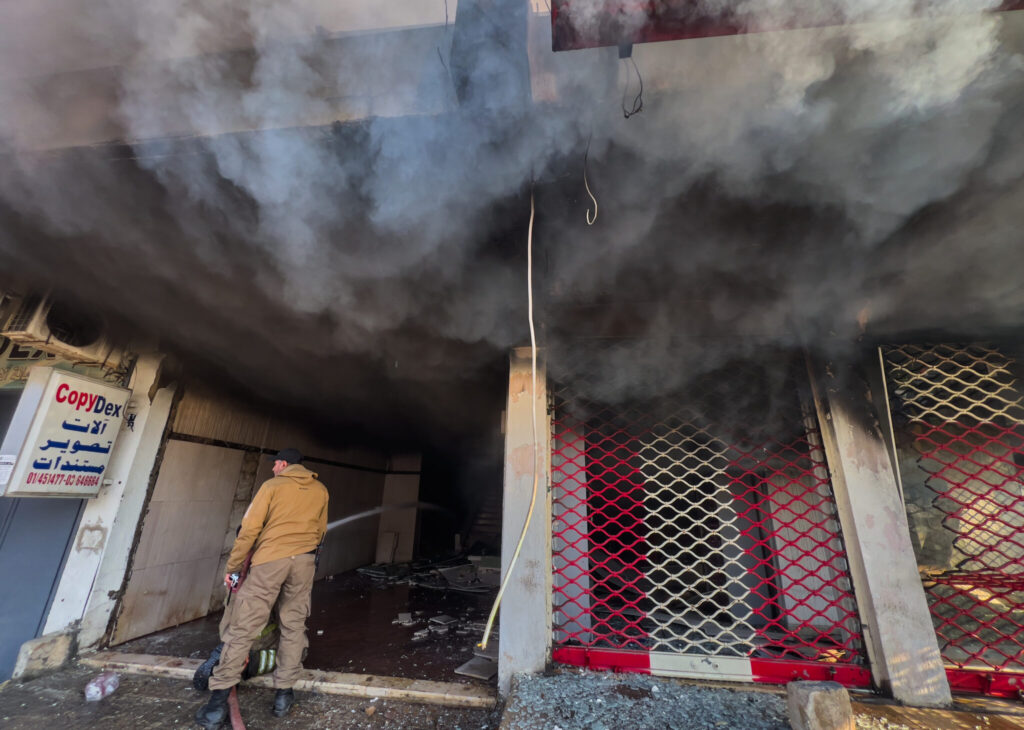
Hezbollah launched missile attacks into Israel, prompting Israeli retaliatory strikes in Lebanon. On Tuesday, the Israeli military confirmed additional troop deployments into southern Lebanon and said it had secured several strategic positions near the border.
A U.N. peacekeeping force reported observing Israeli troops moving into and then out of Lebanon, though Israel stated its forces remain operational inside the country.
A Region on Edge
With diplomatic missions under attack, nuclear facilities damaged and ground forces mobilizing across multiple fronts, the war shows few signs of abating.
The embassy strike in Riyadh underscores how the conflict has moved beyond direct military targets and into diplomatic and civilian domains — raising new questions about international law, escalation risks and the potential for broader regional involvement.
As evacuation flights depart and airspace remains closed, the Middle East faces a volatile and uncertain chapter in an already rapidly expanding war.



You must Register or Login to post a comment.