

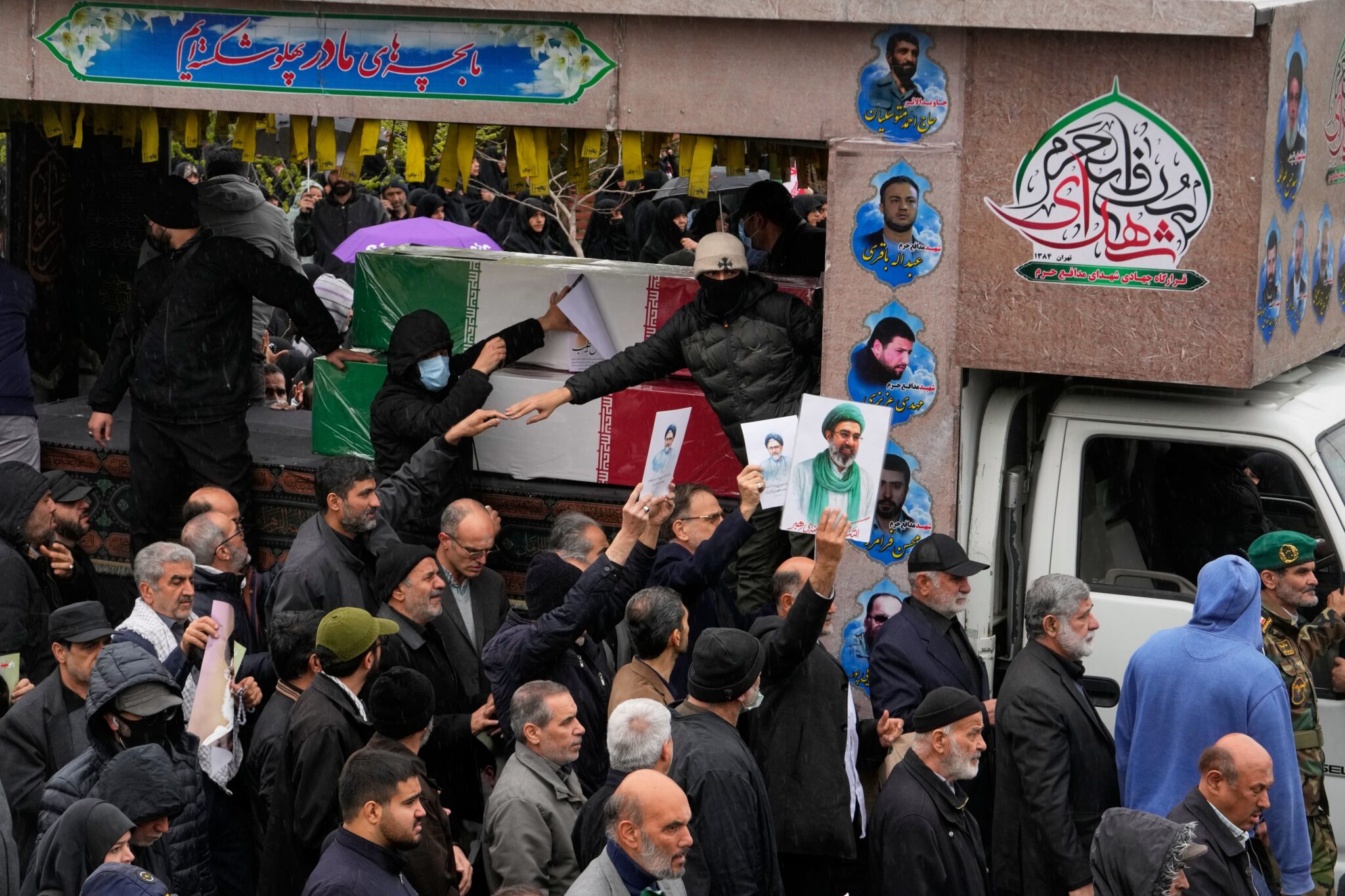
Iran Supreme Leader Issues Defiant Wartime Statement Again/ Newslooks/ WASHINGTON/ J. Mansour/ Morning Edition/ Iran’s top leader issued another written statement praising public resilience as the war entered its third week. The message came as Iran threatened wider retaliation and the United States expanded its military presence in the region. The conflict continues to batter energy infrastructure, unsettle markets, and raise fears of a broader regional crisis.
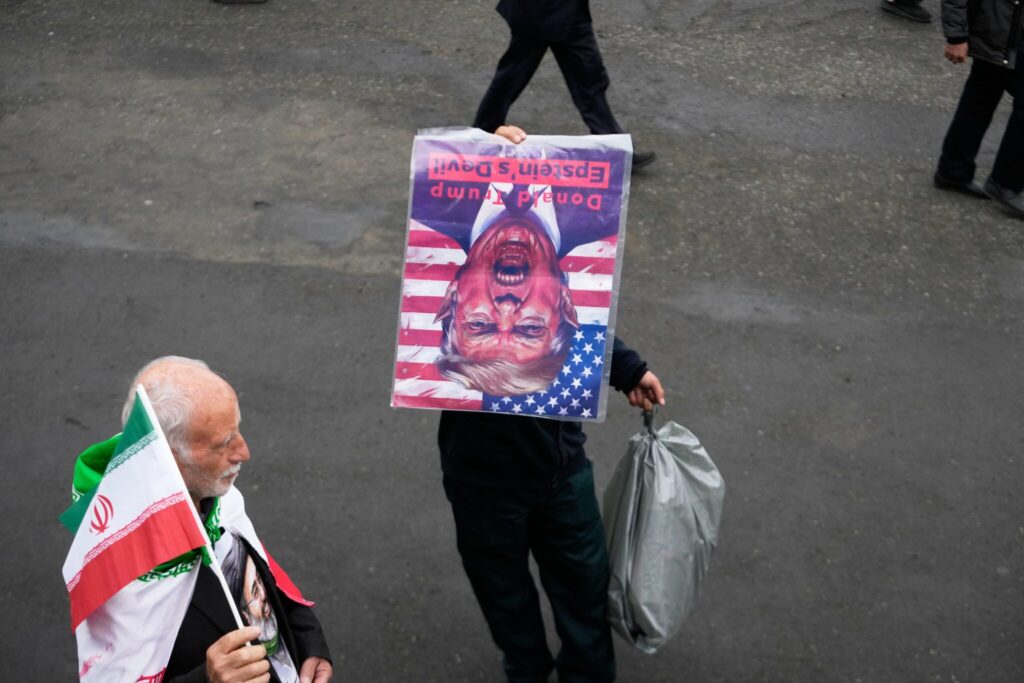
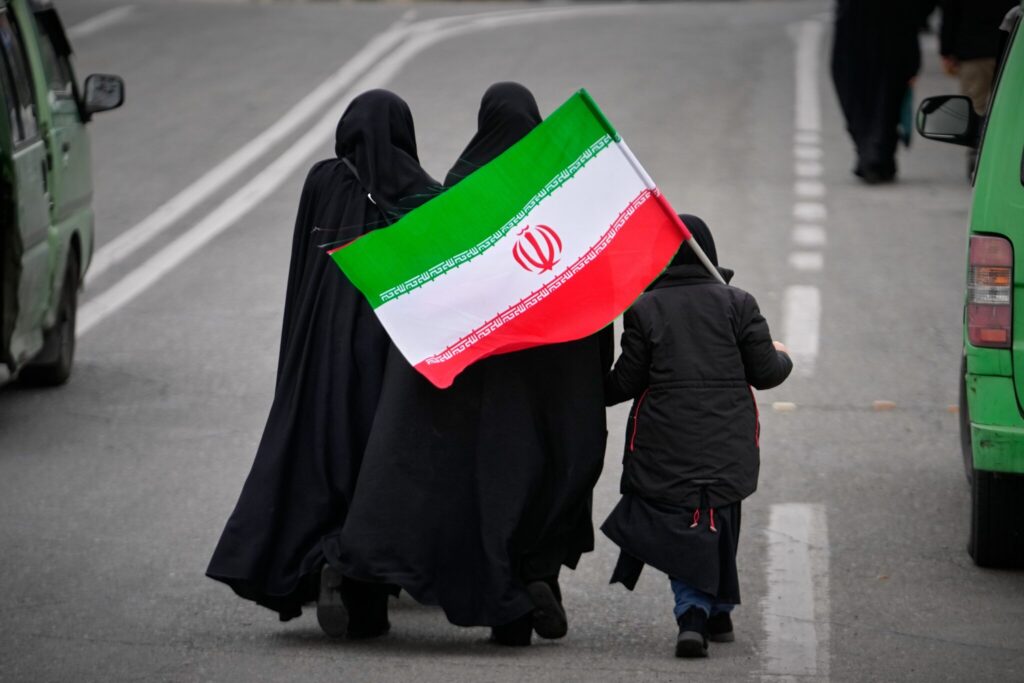
Iran supreme leader statement Quick Looks
- Ayatollah Mojtaba Khamenei released another written wartime statement.
- He praised Iranians for their steadfastness during the conflict.
- Khamenei has not appeared in public since taking over after his father’s death.
- Iran also threatened tourist and recreational sites tied to its enemies.
- Tehran insists it is still producing and stockpiling missiles.
- The U.S. is sending more warships and roughly 2,500 additional Marines to the Middle East.
- Iranian attacks have continued against Israel and Gulf energy targets.
- The conflict is fueling global concerns over oil supplies and economic disruption.
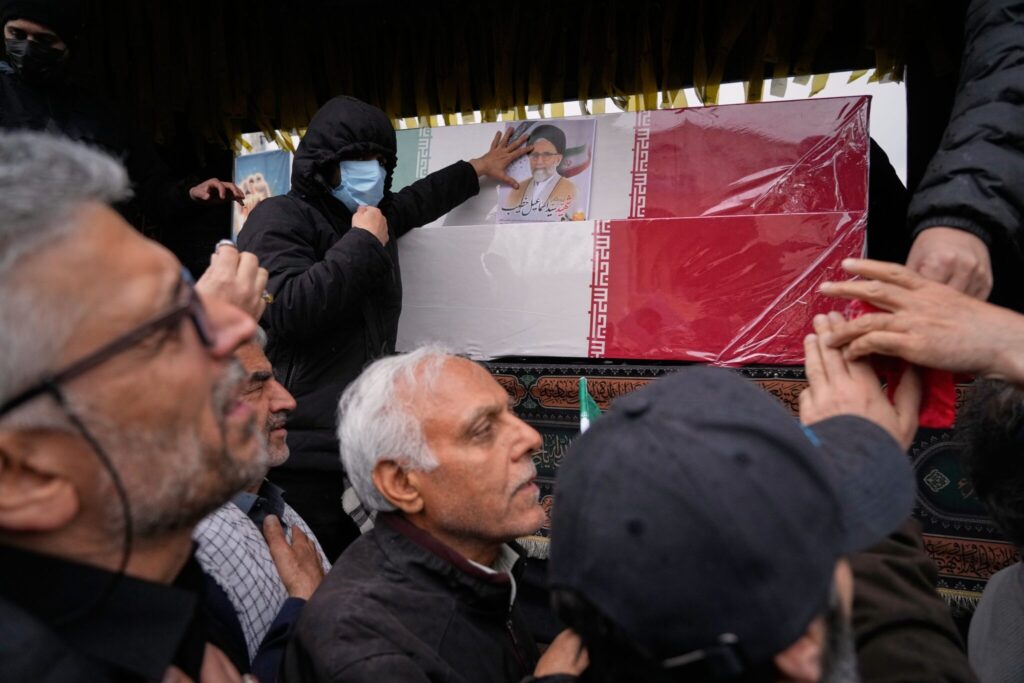
Deep Look: Iran Supreme Leader Issues Defiant Wartime Statement Again
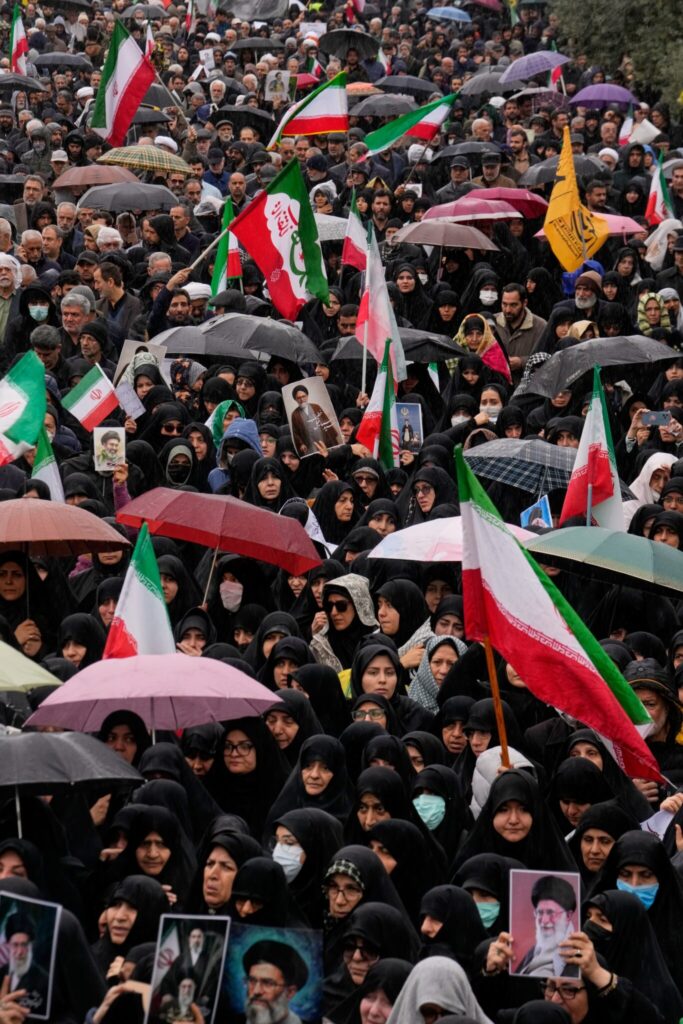
Iran’s top leader has issued another defiant written statement as the war with the United States and Israel entered its third week, using the message to praise the resilience of the Iranian people and signal that Tehran does not intend to back down despite heavy losses and sustained military pressure.
Ayatollah Mojtaba Khamenei’s new statement continues a pattern of written communications that have taken on added significance because he has not been seen in public since assuming leadership after the death of his father, Ayatollah Ali Khamenei, in the opening strikes of the war. U.S. and Israeli officials have said the younger Khamenei was also wounded in those attacks, adding to the mystery around his condition and the extent of his control over the Iranian system.
The timing of the statement matters. It arrived as Iran tried to project both internal endurance and external deterrence. Alongside Khamenei’s message, senior Iranian voices warned that recreational, tourist, and park sites tied to Tehran’s enemies would no longer be safe, a threat that widened fears Iran could resort to attacks outside the Middle East if pressure on the regime continues.
That threat came as the United States moved to reinforce its regional posture. American officials said three additional warships and about 2,500 Marines are being sent toward the Middle East, signaling Washington is preparing for the possibility of a broader or longer confrontation. The new deployment adds to a growing U.S. military buildup aimed at protecting assets, deterring further escalation, and preserving options if maritime security or regional stability deteriorate further.
Even after weeks of Israeli and U.S. strikes, Iran is still trying to show it remains operational. Iranian officials and military figures have insisted the country continues producing and stockpiling missiles despite repeated claims from Israel that Tehran’s missile production capacity has been crippled. That message is as much political as military. It is meant to reassure domestic supporters, challenge enemy narratives, and show that Iran can still retaliate in meaningful ways.
The battlefield itself remains fluid and dangerous. Iranian attacks have continued against Israel and against key energy infrastructure in Gulf Arab states. A major Kuwaiti refinery was hit by drone attacks, while Bahrain and Saudi Arabia also reported incidents linked to incoming projectiles or drones. Explosions were heard over Dubai as air defenses engaged threats, underlining how the conflict is spilling far beyond the direct U.S.-Iran-Israel axis.
Inside Iran, the symbolic backdrop is striking. The new year holiday of Nowruz, usually marked by celebration, has been overshadowed by wartime conditions, uncertainty, and new strikes. That contrast helps explain why Khamenei’s language focused so heavily on steadfastness. In moments of crisis, the leadership appears to be trying to frame endurance itself as a national act of resistance.
The war has already exacted a severe toll. Iran has lost senior military and political figures, while attacks have spread into Lebanon, Syria, Israel, and the occupied West Bank. U.S. personnel have also been killed, and regional civilian populations are living under repeated alerts, missile threats, and economic strain. The lack of clear public information from inside Iran has made it difficult to know how much of the country’s military and governing structure remains intact, but the continuing attacks show the state still has the capacity to strike outward.
Beyond the battlefield, the conflict is sending shockwaves through the global economy. Iranian attacks on Gulf energy infrastructure and shipping pressure in the Strait of Hormuz have heightened fears of a prolonged supply disruption. Oil prices have jumped sharply since the war began, and the effects are now spreading through global trade in fuel, food, and industrial inputs. Countries far from the fighting are increasingly exposed to the economic consequences.
Khamenei’s latest statement therefore serves multiple purposes at once. It is a morale message to Iranians, a warning to adversaries, and a sign that the leadership wants to project continuity despite visible disruption and internal losses. Whether that reflects genuine strength or an attempt to mask deeper weakness remains unclear. What is clear is that the war shows no sign of ending soon, and Iran’s leadership is still trying to frame the conflict as one of survival, resistance, and national resolve.





You must Register or Login to post a comment.