

Iran Targets British-US Base as Its Main Nuclear Enrichment Site Struck Again/ Newslooks/ WASHINGTON/ J. Mansour/ Morning Edition/ Iran targets a U.S.-U.K. base as war intensifies. Airstrikes hit nuclear sites while regional tensions surge. Global energy markets and security risks continue to rise.
Iran War Escalation Quick Looks
- Iran targeted Diego Garcia U.S.-U.K. military base
- Main nuclear site at Natanz struck again amid conflict
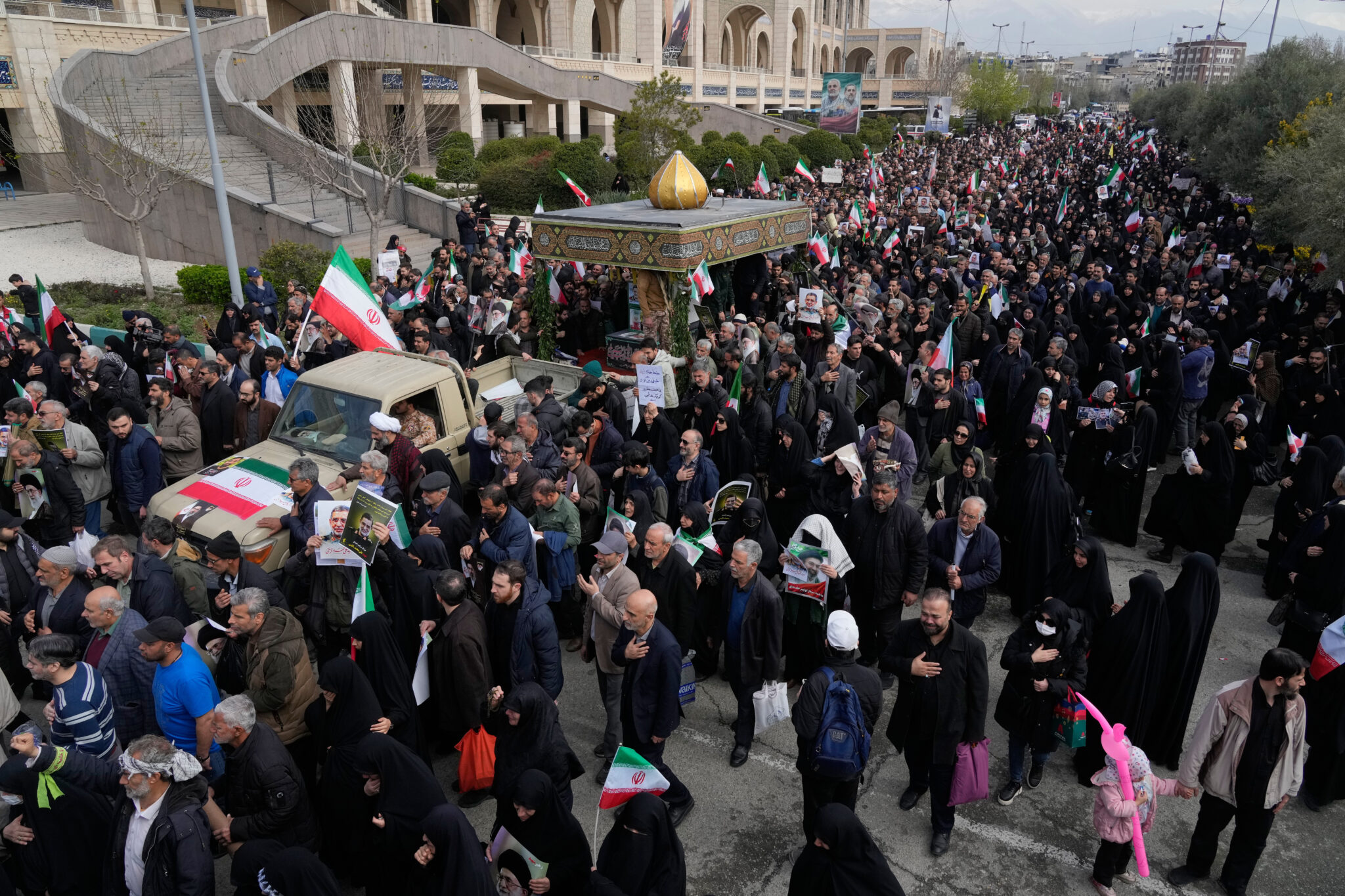
- Tehran hit by heavy airstrikes during Ramadan observances
- Missile threats and drone attacks spread across Gulf region
- U.S. deploys more warships and Marines to Middle East
- Global concerns rise over Strait of Hormuz disruptions
Deep Look: Iran Targets British-US Base as Its Main Nuclear Enrichment Site Struck Again
Iran’s widening military actions and continued strikes on key infrastructure underscore a rapidly intensifying conflict in the Middle East, now entering its fourth week.
Tehran attempted to strike a joint U.S.-U.K. military installation on Diego Garcia, a remote but strategically critical base in the Indian Ocean. While officials said the attack was unsuccessful, the move raised alarm among defense analysts, as it suggested Iran may possess longer-range strike capabilities than previously believed. Some experts speculated that Iran could have adapted elements of its space launch technology for military use.
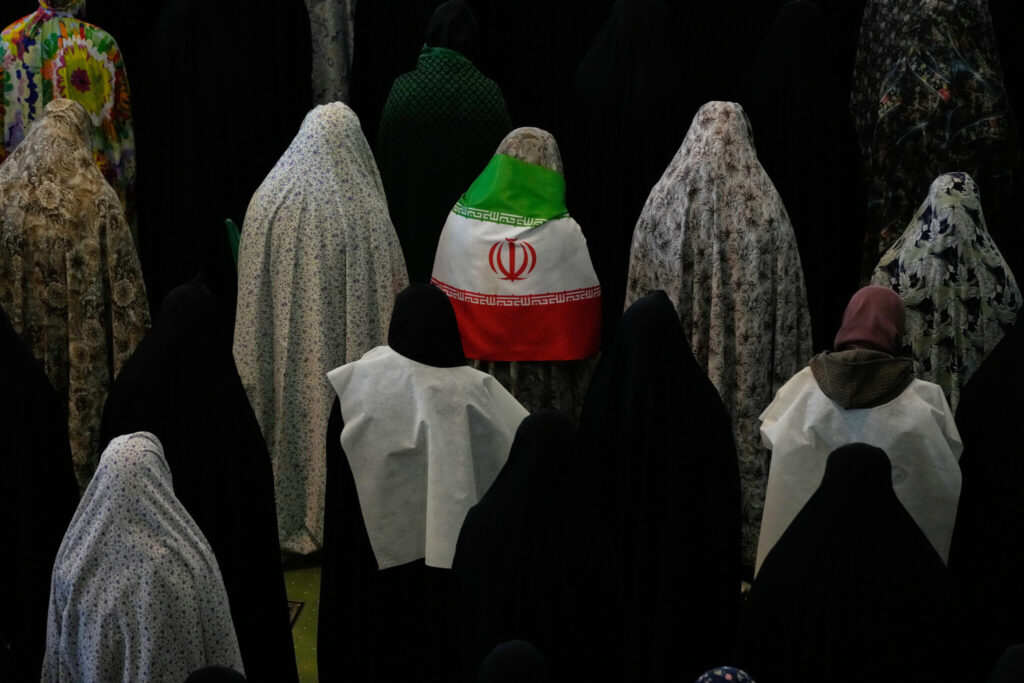
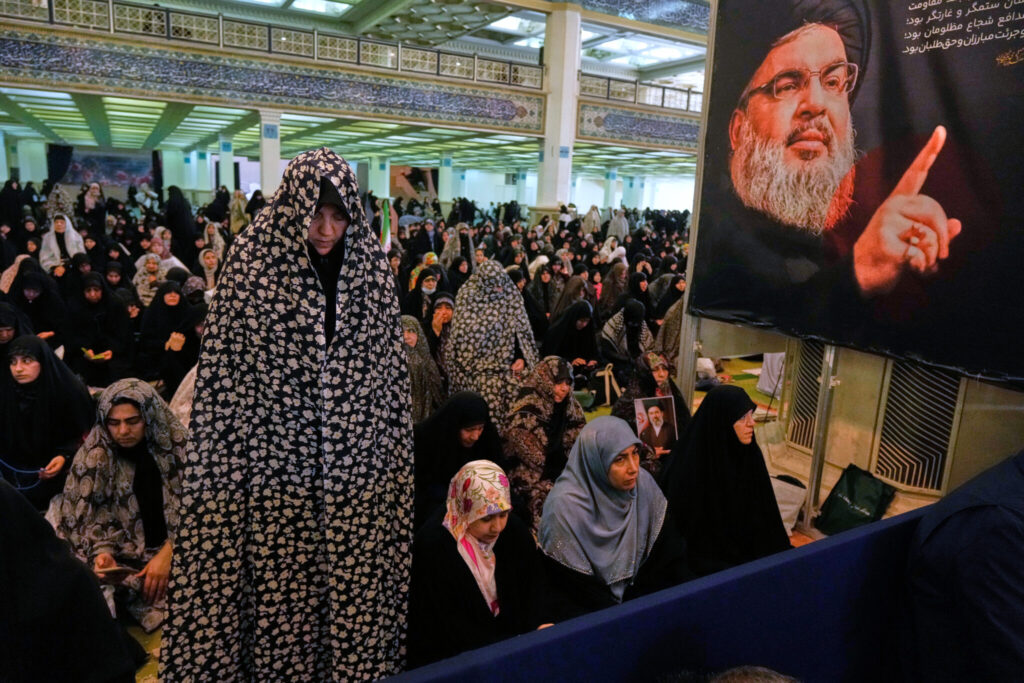
At the same time, Iran’s capital experienced sustained airstrikes overnight and into the morning, with residents reporting explosions across Tehran. The bombardment coincided with large religious gatherings marking the end of Ramadan, highlighting the war’s intrusion into civilian life.
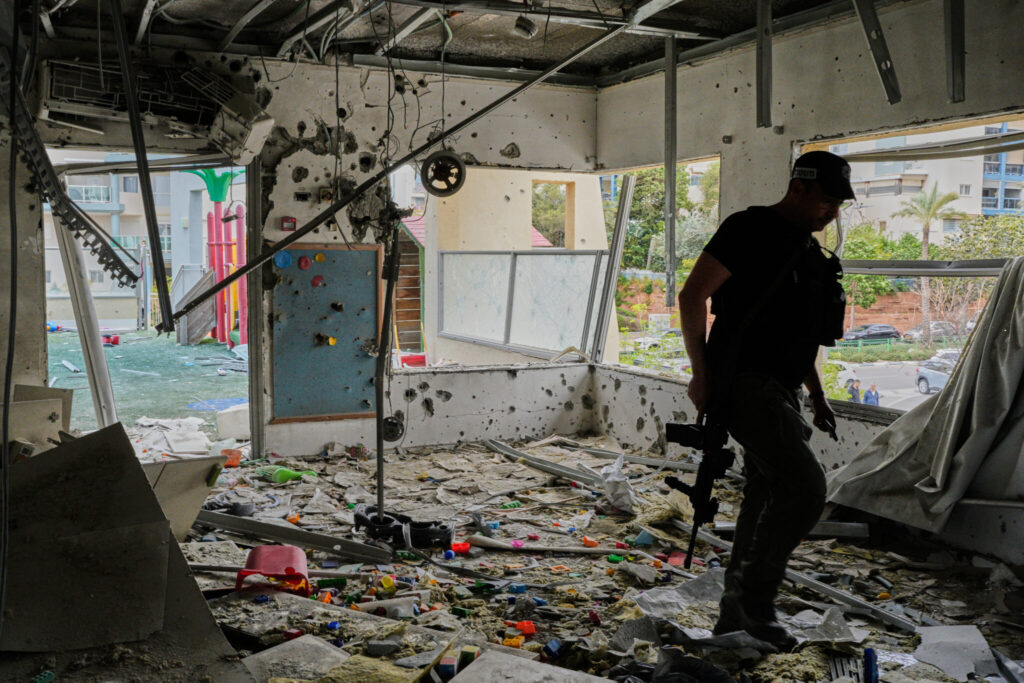
Israeli officials signaled that operations would intensify further. Defense Minister Israel Katz warned that strikes on Iran would escalate significantly in the coming days. His comments followed an incident in which debris from an Iranian missile struck near a kindergarten in Tel Aviv, underscoring the ongoing risk to civilian areas.
The conflict continues to ripple beyond the immediate battlefield. Global food and fuel prices have climbed as instability spreads across energy markets, particularly due to disruptions linked to Iran’s actions in the region.
Uncertainty remains high regarding the extent of damage to Iran’s military and nuclear infrastructure. Limited information from inside the country — compounded by communication restrictions — has made it difficult to assess both the effectiveness of U.S. and Israeli strikes and the current state of Iran’s leadership. Supreme Leader Ayatollah Mojtaba Khamenei has not appeared publicly since assuming power, adding to speculation about internal dynamics.
Iran’s nuclear program remains a focal point. Reports indicated that the Natanz enrichment facility was struck again, though Iranian officials said there was no radiation leak. International monitors are investigating the impact, while concerns persist over the location and safety of enriched uranium stockpiles believed to be stored at multiple sites.
Meanwhile, tensions around the Strait of Hormuz continue to escalate. Iran’s threats to shipping lanes and attacks on regional energy infrastructure have prompted a coalition of countries — including major Western and Asian powers — to signal readiness to help secure maritime traffic through the vital waterway.
The United States has also taken steps to bolster its military presence. Additional amphibious assault ships and roughly 2,500 Marines are being deployed to the region, reflecting growing concern about the conflict’s trajectory and the need to protect strategic interests.
Across the Gulf, the impact of the war is increasingly visible. Missile alerts sounded in cities like Dubai, while Saudi Arabia reported intercepting multiple drones targeting key oil-producing areas. These developments point to a broader regional confrontation that extends well beyond Iran and Israel.
Casualties continue to mount. More than 1,300 people have been reported killed in Iran, while Israeli fatalities from missile attacks and deaths in the West Bank have added to the toll. U.S. military losses and civilian casualties in Gulf nations further illustrate the widening human cost.
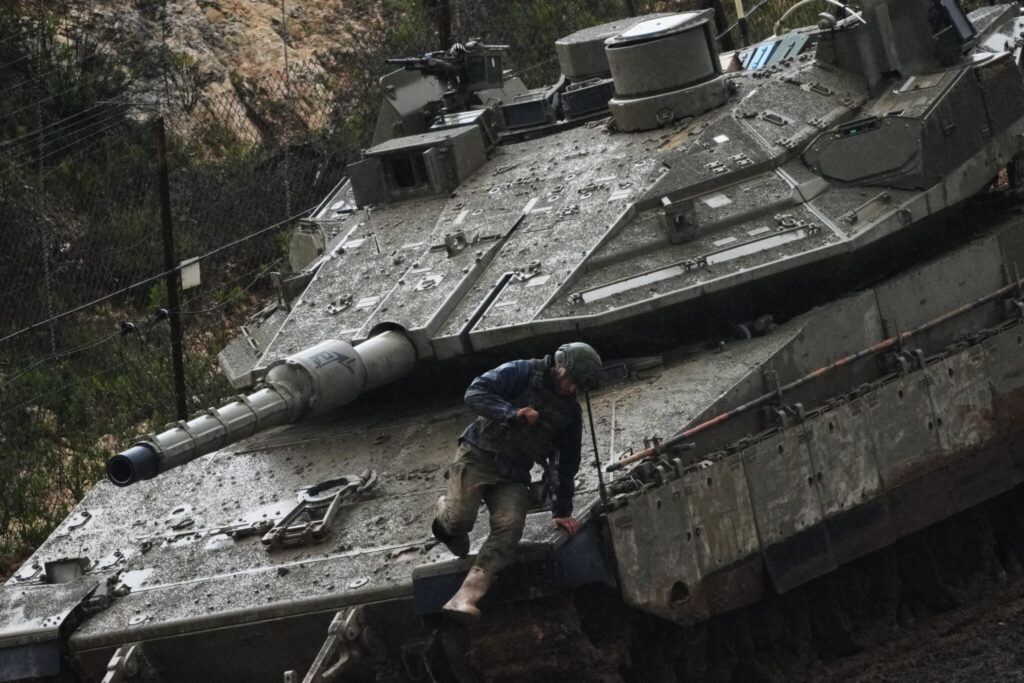
In Lebanon, clashes between Israeli forces and Hezbollah militants have intensified, with ground operations reported in southern areas. The fighting has contributed to widespread displacement and significant casualties, adding another front to an already complex conflict.
As the war evolves, its economic and geopolitical consequences are becoming increasingly pronounced. Disruptions to energy supplies, threats to international shipping, and the risk of broader regional escalation continue to weigh heavily on global stability — with no clear resolution in sight.





You must Register or Login to post a comment.