

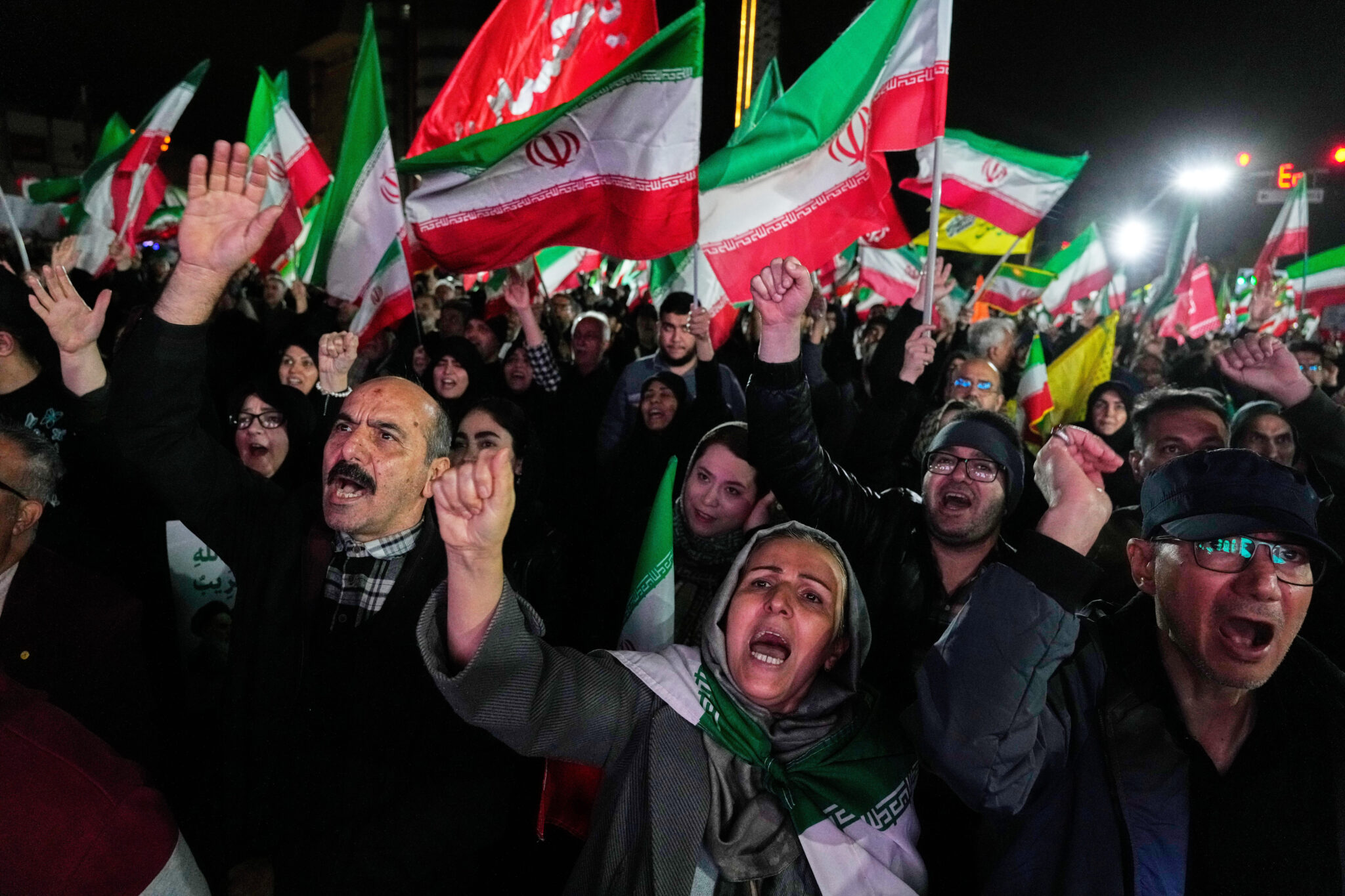
Iran Tightens Strait of Hormuz Grip as US Hardens Position/ Newslooks/ WASHINGTON/ J. Mansour/ Morning Edition/ Iran and the United States hardened positions as tensions escalated across the Middle East. Tehran tightened control over the Strait of Hormuz, raising global oil prices and security concerns. U.S. troop deployments increased while missile exchanges intensified across the region.
Iran Strait of Hormuz Crisis Quick Looks
- Iran tightened control over Strait of Hormuz
- U.S. deploying additional troops to Middle East
- Oil prices surged above $100 amid tensions
- Iran reportedly charging ships for safe passage
- Israel launched strikes on Iranian military targets
- Iran rejected U.S. ceasefire proposal
- Trump threatened strikes on Iranian power plants
- Thousands of casualties reported across region
- Gulf nations intercepted Iranian missile barrages
- Global energy crisis fears growing
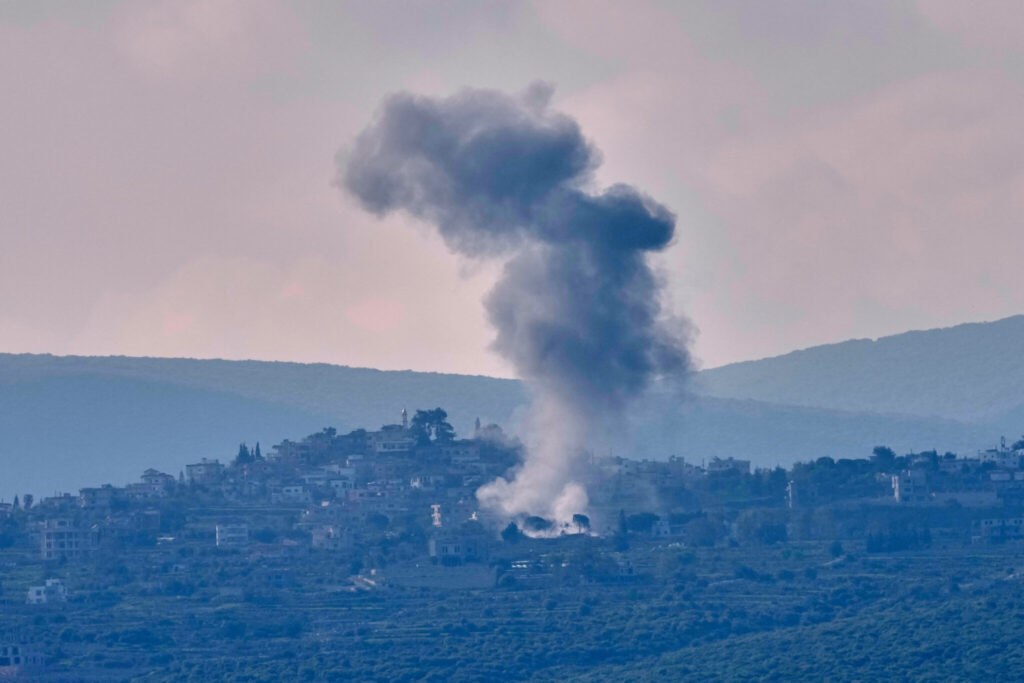
Deep Look: Iran Tightens Strait of Hormuz Grip as US Hardens Position
The standoff between Iran and the United States intensified Thursday as both sides hardened their positions, raising concerns about a broader Middle East conflict and global economic disruption. With additional U.S. troops moving closer to the region and Iran tightening control over the strategically vital Strait of Hormuz, tensions reached a new and dangerous phase.
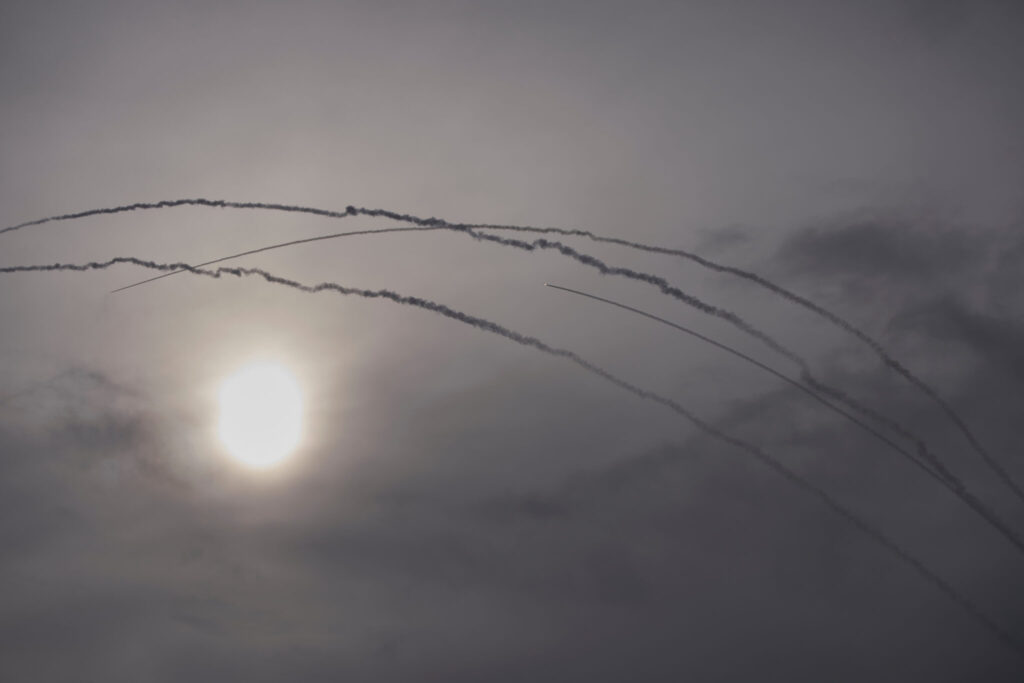
Air raid sirens sounded across Israel as Iranian missiles targeted the country, while Gulf nations worked to intercept incoming threats. At the same time, heavy airstrikes were reported in Tehran and other Iranian cities, marking one of the most intense phases of the ongoing conflict.
The war appears increasingly defined by endurance, with both sides seeking strategic advantage through sustained pressure. U.S. objectives have evolved throughout the conflict, ranging from eliminating Iran’s missile and nuclear capabilities to ending Tehran’s support for regional armed groups. At certain points, Washington also hinted at broader goals, including regime change in Tehran.
Despite sustained U.S. and Israeli attacks targeting Iranian military infrastructure and leadership, Iran has continued missile launches and shown no signs of internal unrest or collapse. For Tehran’s leadership, simply surviving the ongoing assault could be considered a strategic victory.
Iran’s strategy appears focused on leveraging its geographic advantage. By tightening control of the Strait of Hormuz — through which roughly 20% of global oil and natural gas shipments pass during peacetime — Tehran is attempting to pressure global markets and Western economies. Rising fuel prices, increased shipping costs, and potential supply disruptions could create political pressure for de-escalation.
President Donald Trump addressed the situation during a cabinet meeting, emphasizing that Iran — not the United States — was seeking negotiations. Trump stated that Tehran was “begging to make a deal,” while also warning that Iran must fully reopen the strait or face strikes targeting power plants. His deadline reportedly falls within days as the conflict approaches its one-month mark.
Meanwhile, Gulf officials reported that Iran had begun charging ships for safe passage through the Strait of Hormuz. Iran has reportedly blocked vessels linked to U.S. or Israeli interests while allowing limited transit for others.
Jasem Mohamed al-Budaiwi, secretary-general of the Gulf Cooperation Council, said Iran was effectively operating a toll system. Iranian media outlets, including agencies linked to the Revolutionary Guard, reported that lawmakers were considering formalizing the payment structure.
Shipping intelligence firm Lloyd’s List described the system as a “de facto toll booth,” noting that some vessels had reportedly paid fees using Chinese yuan.
The tightening grip on maritime traffic has fueled a sharp spike in oil prices. Brent crude surged above $104 per barrel — a jump of more than 40% since the conflict began. European leaders warned that continued disruption could trigger a global energy crisis. Germany’s defense minister described the situation as a potential economic catastrophe.
Israel reported additional strikes against Iranian military leadership, including the killing of Revolutionary Guard Navy commander Commodore Alireza Tangsiri and naval intelligence chief Behnam Rezaei. Israeli officials said the commanders played central roles in operations disrupting maritime traffic and coordinating naval intelligence.
Diplomatic efforts continued behind the scenes. Washington reportedly sent a 15-point ceasefire proposal through Pakistan, including demands to reopen the Strait of Hormuz. However, Iran’s foreign minister Abbas Araghchi said Tehran had not engaged in negotiations and had no plans to do so.
Egypt also attempted mediation, suggesting that both sides showed interest in calming tensions, though no formal talks had begun. Iranian state media reported Tehran had its own five-point proposal, including demands for reparations and recognition of Iranian sovereignty over the Strait of Hormuz.
Military movements suggested further escalation could be imminent. The USS Tripoli and approximately 2,500 Marines moved closer to the Middle East. Additionally, about 1,000 paratroopers from the 82nd Airborne Division were deployed, prepared for rapid-response operations.
Meanwhile, Israeli airstrikes targeted Iranian infrastructure, including sites near Isfahan, which houses key military facilities and nuclear infrastructure previously targeted in earlier operations.
Iran responded with missile barrages toward Israel and Gulf nations. In the United Arab Emirates, missile interception debris reportedly killed two people in Abu Dhabi.
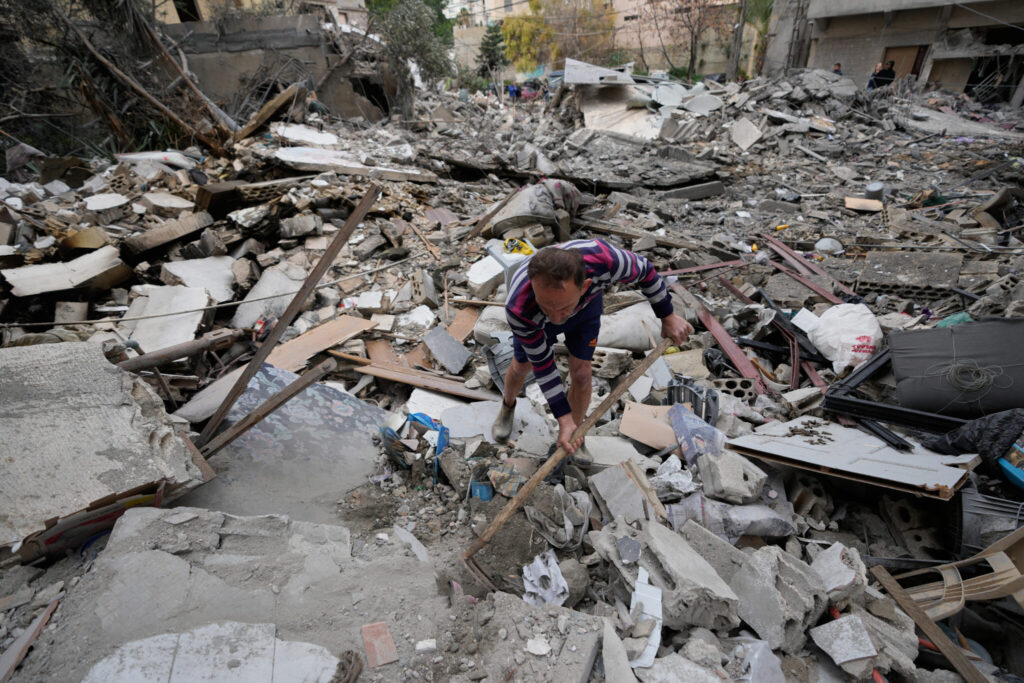
The human toll continued to rise. Iranian officials reported more than 1,900 deaths since the conflict began. Israel reported 18 civilian deaths, along with casualties among soldiers. American troop casualties also increased, with at least 13 reported killed.
Elsewhere, violence expanded across the region. In Lebanon, Israeli strikes targeting Hezbollah resulted in nearly 1,100 deaths. In Iraq, Iranian-backed militias joined the conflict, leading to additional casualties among security forces.
With neither side backing down, global leaders warned the situation could escalate further, threatening energy markets, international shipping, and broader regional stability.





You must Register or Login to post a comment.