

Iran War Raises Concerns Over U.S. Weapons Stockpiles/ Newslooks/ WASHINGTON/ J. Mansour/ Morning Edition/ The war with Iran has sparked debate in Washington about whether U.S. weapons stockpiles could be stretched too thin. The Trump administration says the military has sufficient munitions, while Democratic lawmakers warn critical systems may be running low. Experts say the issue reflects long-standing production challenges for advanced missile defense systems.
U.S. Weapons Stockpile Concerns Iran War Quick Looks
- The war against Iran has raised concerns about U.S. weapons supply levels.
- The Trump administration says American forces have enough munitions for current operations.
- Democrats warn missile defense systems such as Patriot and THAAD interceptors may be stretched thin.
- Demand has grown due to conflicts in Ukraine, Israel, and the Middle East.
- President Donald Trump said defense companies will quadruple production of key weapons.
- Experts say interceptor stockpiles were already limited before the Iran conflict began.
- The U.S. military is deploying new anti-drone technology to counter Iranian attacks.
- Analysts say long-term deterrence against China and Russia could be affected if supplies shrink.
Iran War and U.S. Weapons Stockpile Concerns Quick Looks
Debate in Washington Over Military Supply Levels
The escalating war between the United States, Israel, and Iran has triggered renewed debate in Washington over whether the conflict could strain America’s stockpile of critical weapons.
Democratic lawmakers and defense analysts have raised concerns that the use of missile defense systems and other munitions could reduce U.S. readiness if another major conflict emerges.
The Trump administration has rejected those concerns, insisting the U.S. military has sufficient weapons and equipment to sustain operations.
President Donald Trump said on social media Friday that several major defense contractors have agreed to rapidly expand weapons production.
According to Trump, companies have committed to quadrupling production of key munitions, though he did not specify which systems were involved.
Pentagon Says U.S. Military Fully Prepared
Pentagon officials maintain that American forces are fully equipped to continue the campaign against Iran.
Pentagon spokesman Sean Parnell said the military currently has everything required to carry out operations.
“The U.S. military has everything it needs to execute any mission at the time and place of the president’s choosing,” Parnell said.
Defense contractor Lockheed Martin also confirmed it is expanding production of critical munitions, noting that the effort began months before the current conflict.
However, neither the Pentagon nor the company provided a timeline for when the increased production levels will be achieved.
Democrats Warn of Long-Term Risks
Several Democratic lawmakers say the war highlights a broader issue involving U.S. weapons supply.
Sen. Richard Blumenthal of Connecticut noted that officials previously cited limited stockpiles as a reason the United States could not send additional Patriot missile interceptors to Ukraine.
“We’ve been told again and again that these systems are in short supply,” Blumenthal said in a television interview.
Sen. Mark Warner of Virginia, the top Democrat on the Senate Intelligence Committee, said U.S. munitions levels have been strained by multiple conflicts.
“Our munitions are low,” Warner said, adding that replenishing supplies would likely require additional funding from Congress.
He warned that the U.S. government faces competing budget priorities while attempting to rebuild stockpiles.
Missile Defense Systems Under Pressure
Defense experts say missile defense interceptors are among the most heavily used weapons in the Iran conflict.
Two systems in particular are in high demand:
- Patriot missile defense system – designed to intercept short-range ballistic missiles and aircraft
- THAAD (Terminal High Altitude Area Defense) – built to stop medium-range ballistic missiles
Both systems have been used extensively by the United States and its allies to defend against Iranian missile attacks.
Experts estimate that roughly 25% of the entire THAAD interceptor stockpile was used during previous confrontations between Israel and Iran last year.
Ryan Brobst, a defense strategy specialist at the Foundation for Defense of Democracies, said the current conflict has likely consumed several hundred additional interceptors.
“These were already in very high demand before this war,” Brobst said.
Anti-Drone Systems Becoming Critical
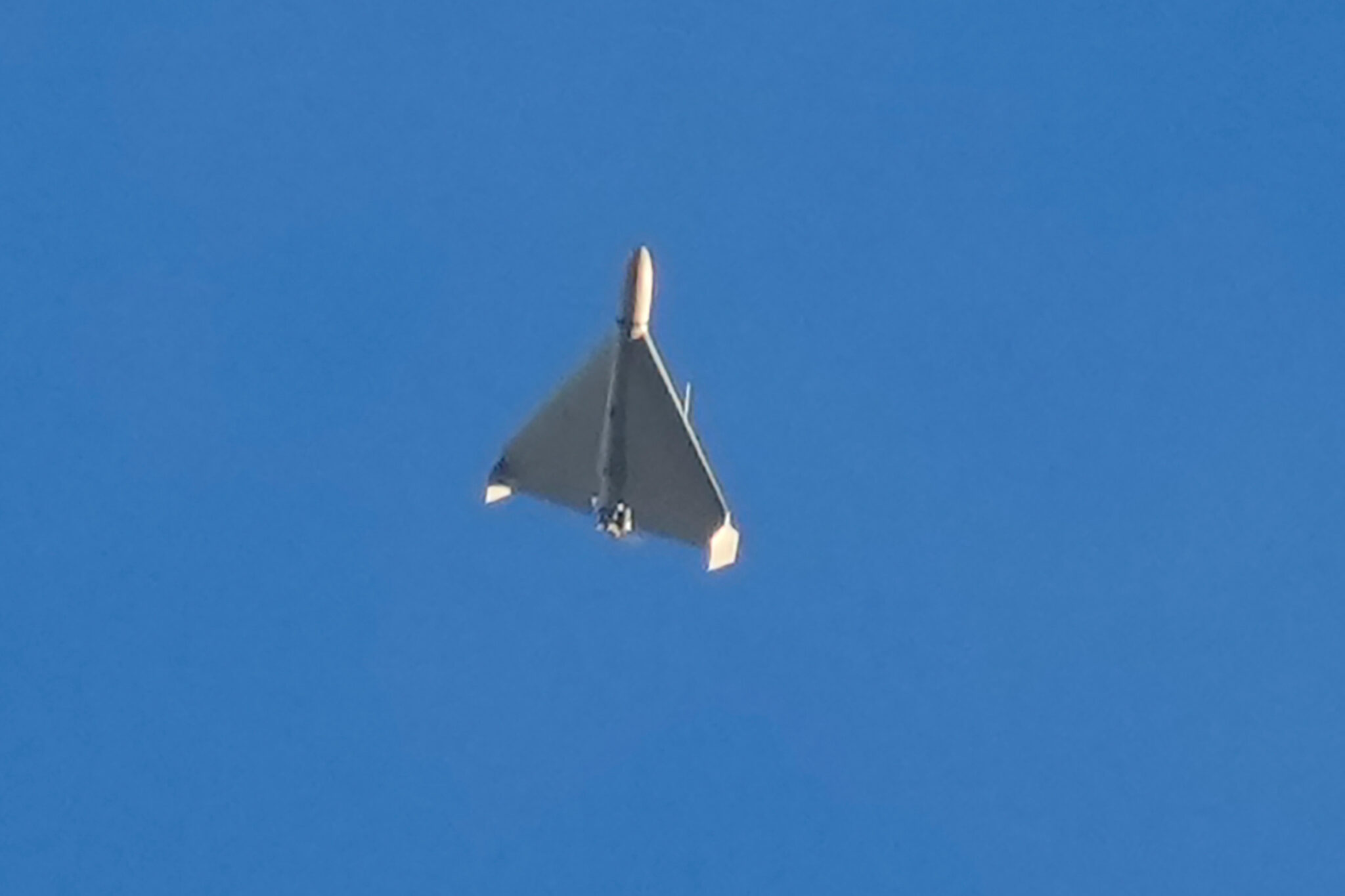
Iran has also relied heavily on drones during the conflict, creating another challenge for U.S. forces.
American officials say missile defense systems are less efficient against drones because interceptors can cost hundreds of thousands of dollars, while drones may cost less than $50,000.
To address the issue, the U.S. military is deploying a newer anti-drone system known as Merops, which uses drones to intercept other drones.
The system can operate from a pickup truck and uses artificial intelligence to track targets even when satellite communications are disrupted.
The technology was previously used successfully against Russian drone attacks in Ukraine.
Root of the Stockpile Problem
Experts say the concerns about weapons supply are not new.
For decades, the United States has purchased limited quantities of certain advanced munitions, particularly missile defense interceptors.
Brobst said this procurement pattern discouraged defense companies from expanding manufacturing capacity.
“Successive administrations did not procure sufficient quantities of these interceptors,” he said.
When demand suddenly increases during wartime, manufacturers often need months or years to ramp up production.
Political Debate Over Past Policies
Some analysts blame previous administrations for reducing U.S. stockpiles.
Katherine Thompson, a former Pentagon adviser, said earlier shipments of interceptors to Ukraine may have contributed to the current supply pressure.
“It was a short-term win but a long-term strategic problem,” Thompson said.
She argued that the current administration should avoid further depleting stockpiles while conflicts continue.
Pentagon Looking for Solutions
Defense officials say the United States has several options to maintain adequate supplies.
The Pentagon could shift weapons between different regions or coordinate with allies to share interceptor systems if necessary.
Meanwhile, the administration is encouraging defense contractors to expand production capacity and accelerate manufacturing timelines.
Riki Ellison, chairman of the Missile Defense Advocacy Alliance, said increasing production will help resolve long-term supply concerns.
“We’re moving in that direction,” Ellison said. “It’s not something that can be done overnight, but progress is being made.”
Strategic Implications Beyond Iran
While the Iran war has intensified the debate, experts say the broader issue involves U.S. military preparedness for future conflicts.
Some analysts warn that prolonged fighting could complicate American efforts to deter potential adversaries such as China or Russia.
For now, officials say U.S. forces remain fully equipped for the ongoing conflict, but the discussion highlights deeper challenges facing America’s defense production system.






You must Register or Login to post a comment.