Iranian President Says His Country is at ‘Total War’ with US, Israel & Europe/ Newslooks/ WASHINGTON/ J. Mansour/ Morning Edition/ Iranian President Masoud Pezeshkian says Iran is engaged in a “total war” with the United States, Israel and Europe. He argues the current confrontation is more complex than the Iran-Iraq war, involving economic, political and cultural pressure. His remarks come amid heightened regional tensions following recent airstrikes and a fragile ceasefire.
Iran Total War Warning Quick Looks
- Iranian president says Iran is in “total war” with U.S., Israel and Europe
- Conflict described as more complex than 1980s Iran-Iraq war
- Claims Western powers aim to weaken Iran on multiple fronts
- Comments published by Iranian state media
- Iran says its military is stronger despite recent conflict
- Statements follow June air conflict between Iran and Israel
- U.S. strikes targeted Iranian nuclear facilities
- Ceasefire between Iran and Israel took effect June 24
- Regional tensions remain elevated heading into 2026
Deep Look
Iranian President Masoud Pezeshkian Says Country Is in ‘Total War’ With U.S., Israel and Europe
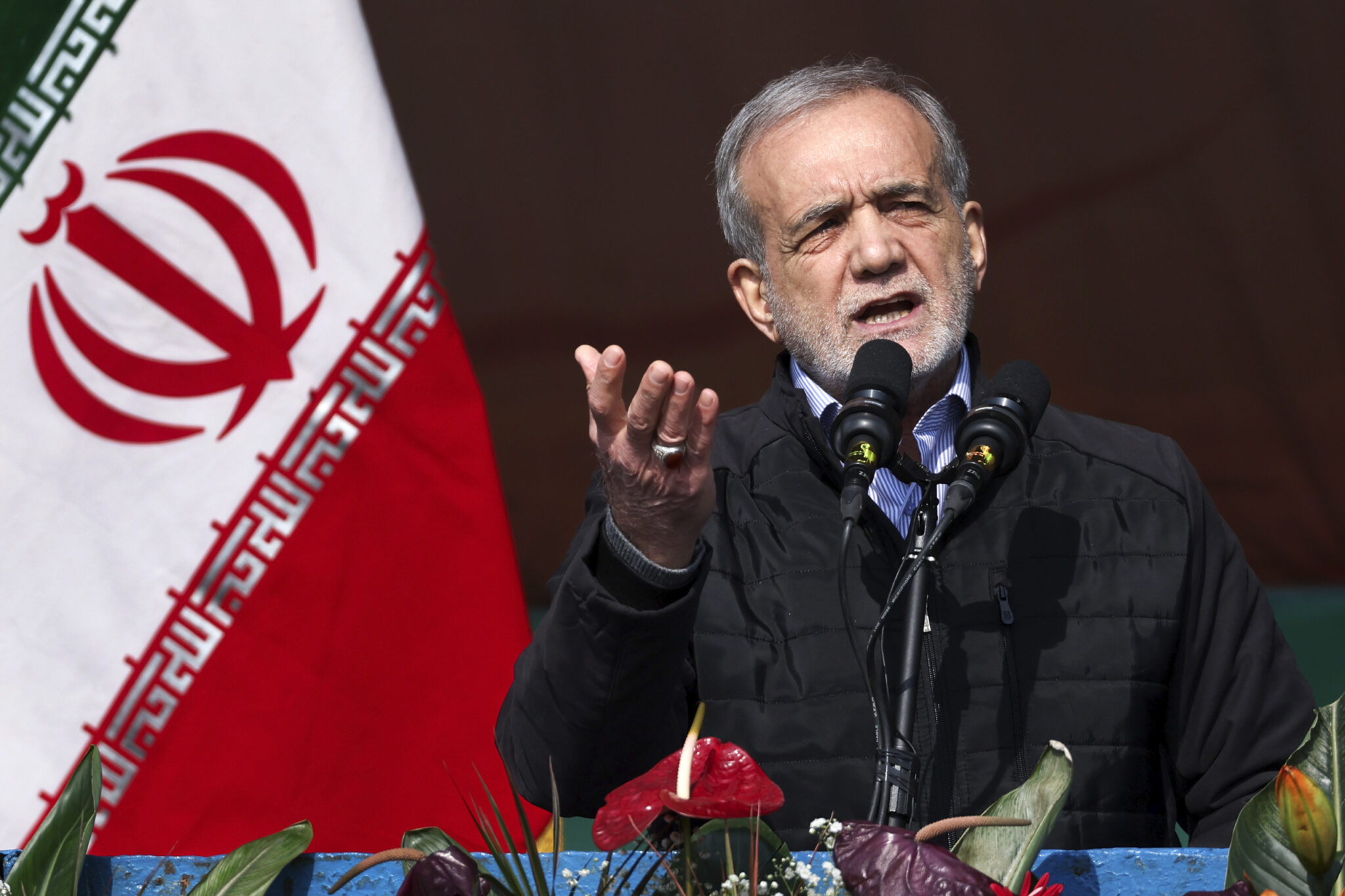
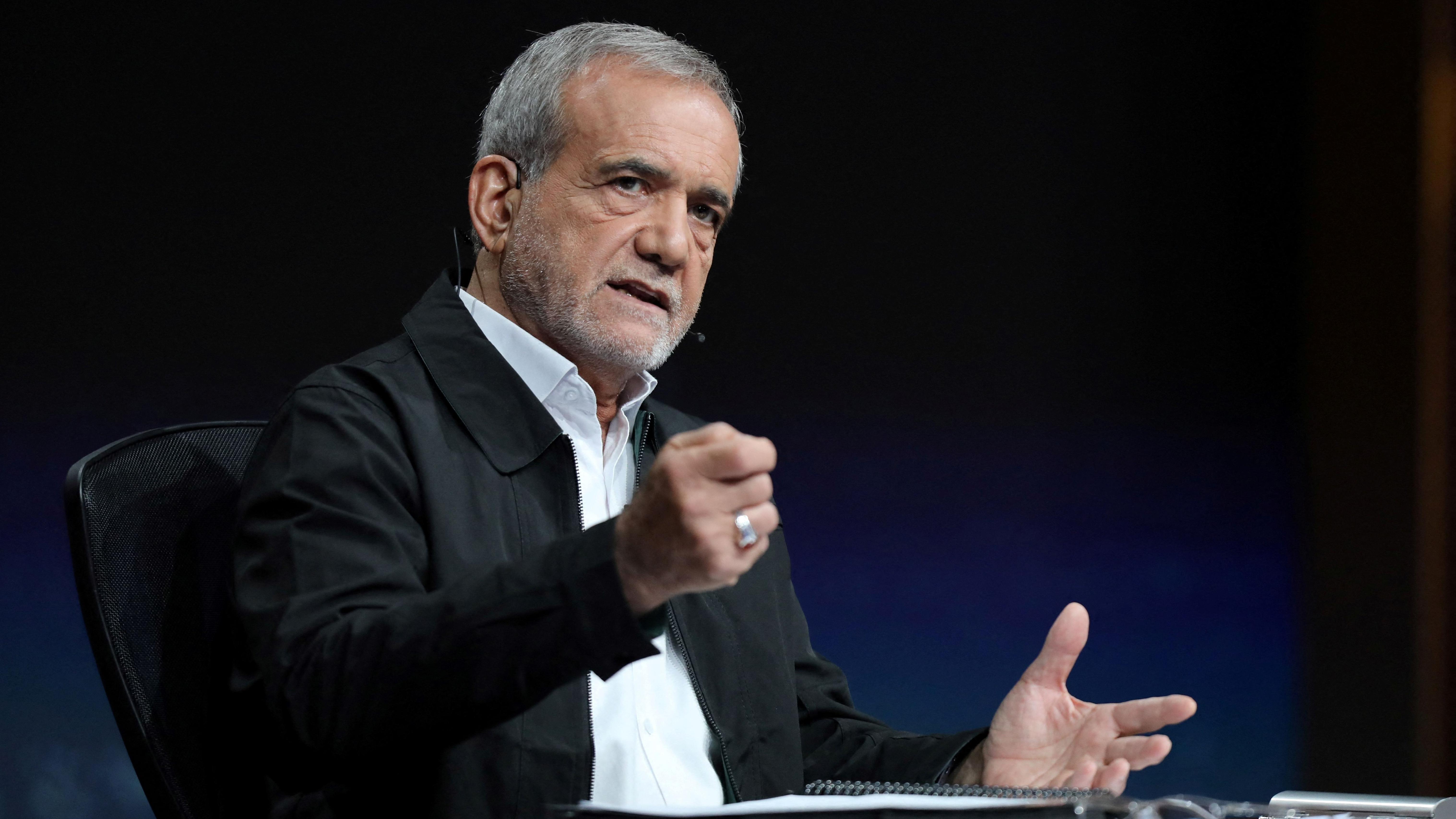
Iranian President Masoud Pezeshkian has declared that Iran is effectively engaged in what he describes as a “total war” with the United States, Israel and European powers, warning that the nature of the confrontation is broader and more complex than any conflict the country has faced in decades.
In an interview published by Iranian state media and later cited by regional outlets, Pezeshkian said Western nations are attempting to bring Iran “to its knees” through sustained pressure that extends far beyond conventional military conflict.
“In my opinion, we are at total war with the United States, Israel and Europe,” Pezeshkian said, according to reports. “They want to bring our country to its knees.”
The Iranian president argued that the current struggle cannot be compared directly to the Iran-Iraq war of the 1980s, a conflict that defined a generation in Iran and resulted in hundreds of thousands of casualties. While that war was largely fought with conventional weapons and clear battle lines, Pezeshkian said today’s conflict is multifaceted and far more difficult to confront.
He described Iran as being pressured “from every angle,” including economic sanctions, political isolation, cultural influence and security threats. According to Pezeshkian, these combined forms of pressure create a persistent state of confrontation that blurs the line between war and diplomacy.
“If one understands it well, this war is far more complex and difficult than that war,” Pezeshkian said in remarks attributed to Iranian and regional media. “In the war with Iraq, the situation was clear. Here, they are besieging us in livelihood, culture, politics and security.”
Despite the ongoing strain, Pezeshkian claimed Iran’s military capabilities have improved, even after a brief but intense conflict with Israel earlier this year. He said Iran’s armed forces emerged stronger in both manpower and equipment, warning that any future attacks would be met with a more forceful response.
“Our military forces are doing their jobs with strength,” Pezeshkian said. “Despite all the problems we face, they are stronger than before. If they want to attack, they will naturally face a more decisive response.”
The remarks come against the backdrop of heightened regional tensions following a series of airstrikes and missile exchanges in June. The fighting, initiated by Israeli strikes according to Iranian accounts, resulted in significant casualties on both sides. Iranian officials have said roughly 1,100 people were killed in Iran, including senior military commanders and nuclear scientists. Iranian missile attacks reportedly killed 28 people in Israel.
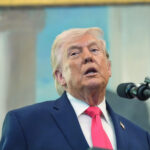
The conflict escalated further when the Donald Trump administration announced U.S. strikes on Iranian nuclear facilities. On June 22, Trump said American forces targeted sites at Fordow, Natanz and Isfahan, describing the operation as a decisive blow against Iran’s nuclear ambitions.
“Our objective was the destruction of Iran’s nuclear enrichment capacity and a stop to the nuclear threat,” Trump said at the time, calling the strikes a major military success.
Those strikes drew strong reactions across the Middle East and raised fears of a wider regional war. A U.S.-brokered ceasefire between Iran and Israel took effect on June 24, temporarily halting the fighting but doing little to resolve the underlying tensions.
Pezeshkian’s interview was released just days before a planned meeting between Israeli Prime Minister Benjamin Netanyahu and President Trump at Mar-a-Lago, underscoring the fragile and highly charged geopolitical environment. Analysts say the timing of Pezeshkian’s remarks may be intended to signal Iran’s resolve as diplomatic and military discussions continue behind the scenes.
While Iran’s leadership insists it is prepared for prolonged confrontation, economic pressures remain severe. Sanctions, inflation and currency instability continue to strain daily life for many Iranians. Pezeshkian acknowledged these hardships but framed them as part of a broader struggle for national sovereignty.
As 2025 draws to a close, Iran’s warnings of “total war” reflect a broader sense of uncertainty in the Middle East. Although open hostilities have paused for now, the combination of military action, economic warfare and political brinkmanship suggests that tensions between Iran, the U.S., Israel and European allies are far from resolved.