

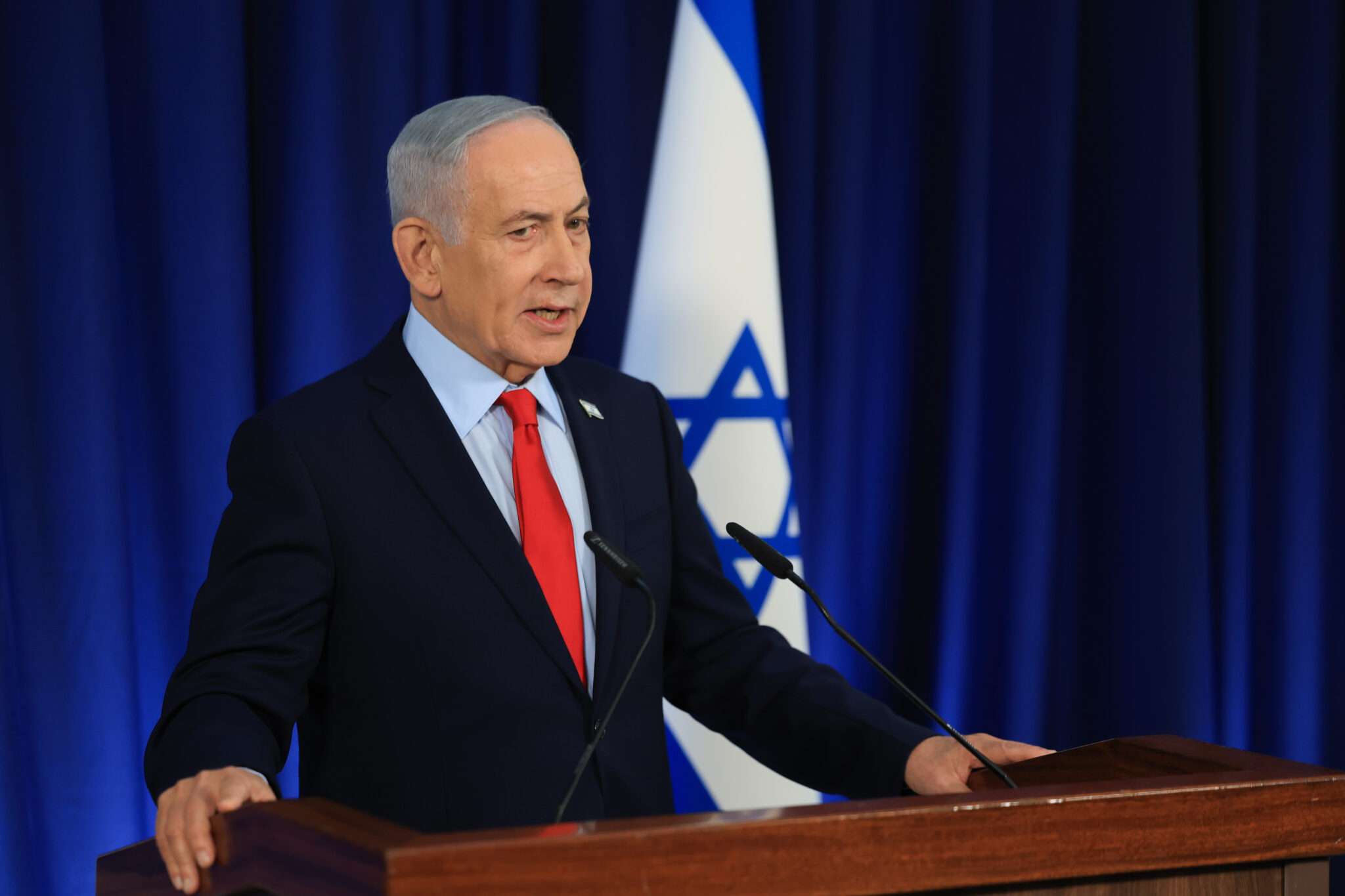
Israel Airstrikes Tehran on Persian New Year as War Jolts Energy Markets/ Newslooks/ WASHINGTON/ J. Mansour/ Morning Edition/ Israel launched fresh airstrikes on Tehran as Iranians marked the Persian New Year. The widening war is hitting Gulf energy infrastructure and rattling global oil and gas markets. With attacks spreading across the region, fears are rising over a deeper conflict and prolonged economic fallout.
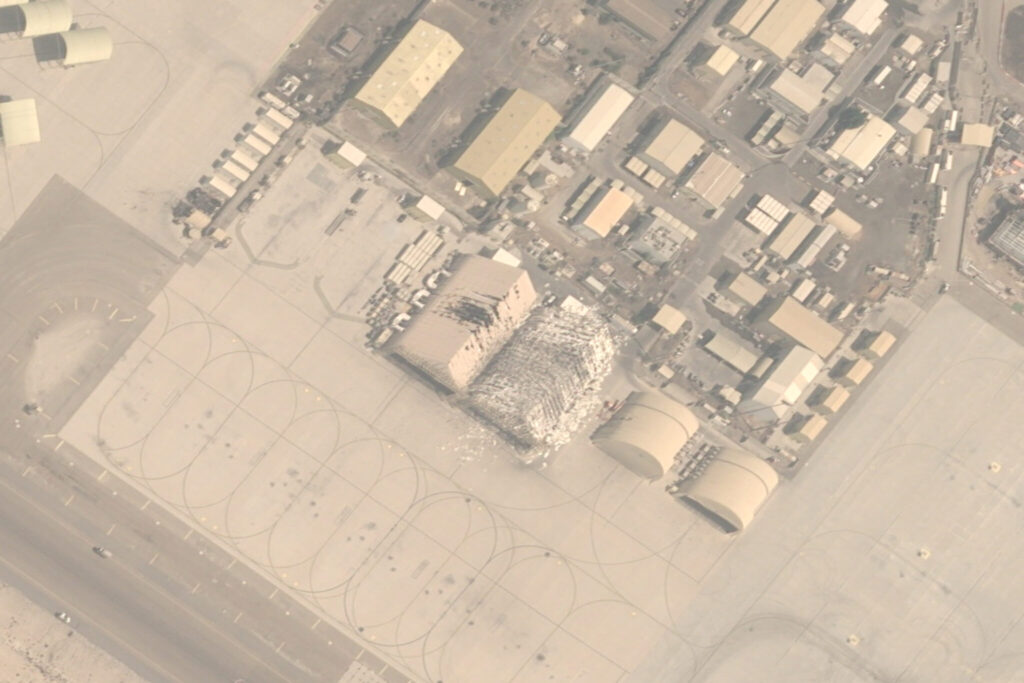
Israel Tehran airstrikes Quick Looks
- Israel carried out new airstrikes on Tehran during Nowruz.
- Iran continued missile attacks toward Israel and Gulf energy targets.
- Explosions were also reported over Dubai as air defenses intercepted threats.
- The Strait of Hormuz remains central to fears over global energy disruption.
- Brent crude surged sharply as the conflict intensified.
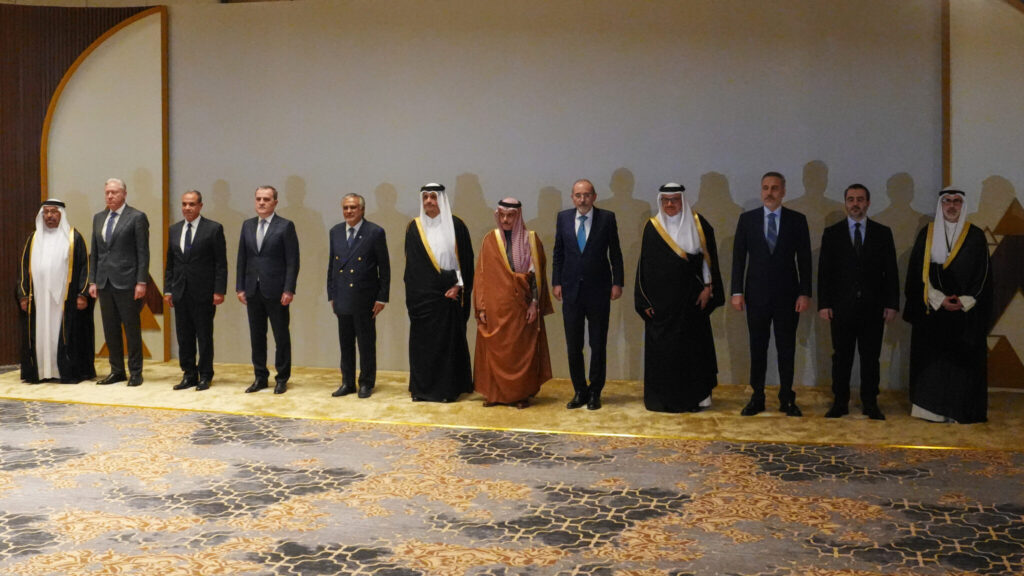
- Gulf countries pressed Iran to stop attacks on their territory and infrastructure.
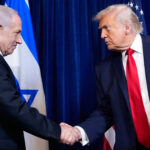
- Netanyahu said Israel would pause further strikes on South Pars after Trump’s request.
- The war’s death toll and economic impact continue to rise.
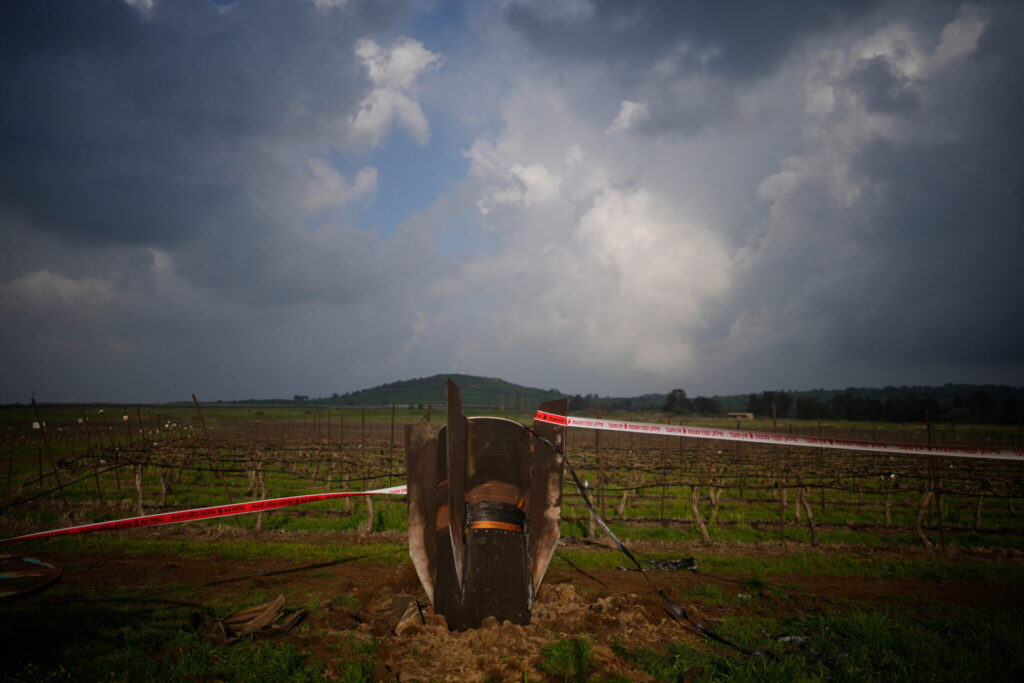

Deep Look: Israel Airstrikes Tehran on Persian New Year as War Jolts Energy Markets
Israel launched another round of airstrikes on Tehran on Friday, striking the Iranian capital as people across the country marked Nowruz, the Persian New Year, under the shadow of a war that is increasingly reshaping both Middle East security and the global economy.
The new attacks underscored how the conflict has moved beyond a limited military exchange into a broader regional crisis with energy, shipping, and diplomatic consequences. Reports from activists indicated strikes were heard around Tehran, while Iran continued firing missiles toward Israel and pressing attacks that have reached Gulf Arab energy infrastructure. The result is a war that now threatens not only the immediate combatants but also neighboring states and worldwide markets.
The timing of the strikes added symbolic weight. Nowruz is usually one of the most important and festive dates on the Iranian calendar, associated with renewal and celebration. Instead, this year’s holiday has been overshadowed by bombardment, uncertainty, and signs of further escalation. In the Gulf, meanwhile, Eid al-Fitr observances were also disrupted as explosions shook Dubai and air defenses responded to incoming threats, a reminder of how deeply the conflict is spilling across the region.
At the center of global concern is energy. Iran’s pressure on the Strait of Hormuz, one of the world’s most important shipping chokepoints, has placed fuel markets under severe strain. With roughly a fifth of the world’s oil trade normally passing through that corridor, any prolonged disruption creates immediate economic anxiety. Oil prices surged as the conflict intensified, while natural gas markets also moved sharply higher, reflecting fears that damage to infrastructure and shipping could persist.
One especially sensitive flashpoint has been the South Pars gas field, the massive offshore natural gas reserve shared by Iran and Qatar. After Israel struck the Iranian side of the field, Iran retaliated with attacks on Gulf energy sites, intensifying pressure on major oil and gas producers. Israeli Prime Minister Benjamin Netanyahu later said Israel would refrain from further South Pars strikes after a request from President Donald Trump, an indication that Washington is trying to limit the fallout from attacks on critical energy assets.
Even so, damage has continued to mount elsewhere. Gulf states reported strikes or attempted strikes on refineries, gas operations, and shipping. Qatar said earlier missile damage to its Ras Laffan liquefied natural gas facility would significantly reduce exports and carry enormous long-term costs. Saudi Arabia, Kuwait, and the United Arab Emirates have also reported attacks or disruptions tied to Iran’s expanding retaliation strategy. The broader pattern suggests Tehran is using regional energy infrastructure as leverage in a war where it has suffered major losses at home.
Israel, for its part, says those losses inside Iran are severe. Netanyahu claimed that Iranian air defenses, naval capabilities, and missile production have been heavily degraded, though such battlefield assessments are difficult to verify independently in real time. Iran’s leadership and military hierarchy have undeniably been hit hard since the war began, but Tehran has still shown it can launch missiles and drones, threaten shipping, and impose real costs on the region’s economy.
That dynamic is one reason the war remains so dangerous. Even if Israel and the United States have damaged key Iranian capabilities, Iran retains enough reach to keep the region unstable and global markets on edge. The conflict is no longer measured only in battlefield terms. It is also being fought through energy bottlenecks, refinery strikes, missile alerts, and economic disruption.
Diplomatic pressure is rising alongside the military escalation. The U.N. Security Council held an urgent closed meeting in which Gulf states stressed the need for Iran to stop attacking them. At the same time, Trump has tried to signal both deterrence and restraint, warning Iran against further strikes on Qatar while also saying he is not sending U.S. ground troops into Iran. That leaves the United States in a difficult position: deeply involved, but still publicly resisting a larger direct military commitment on the ground.
The human cost is also climbing. Casualty figures continue to rise in Iran, Israel, Lebanon, and the occupied West Bank, while civilians across the region are living with air raid alerts, disrupted holidays, and growing uncertainty. More than three weeks into the war, there is still no clear sign of a political off-ramp.
For now, Friday’s strikes on Tehran make one thing unmistakable: the conflict is widening in both symbolism and consequence. It is no longer only about military targets or nuclear calculations. It is about regional stability, global energy flows, and whether the Middle East is moving toward an even broader and more damaging confrontation.





You must Register or Login to post a comment.