

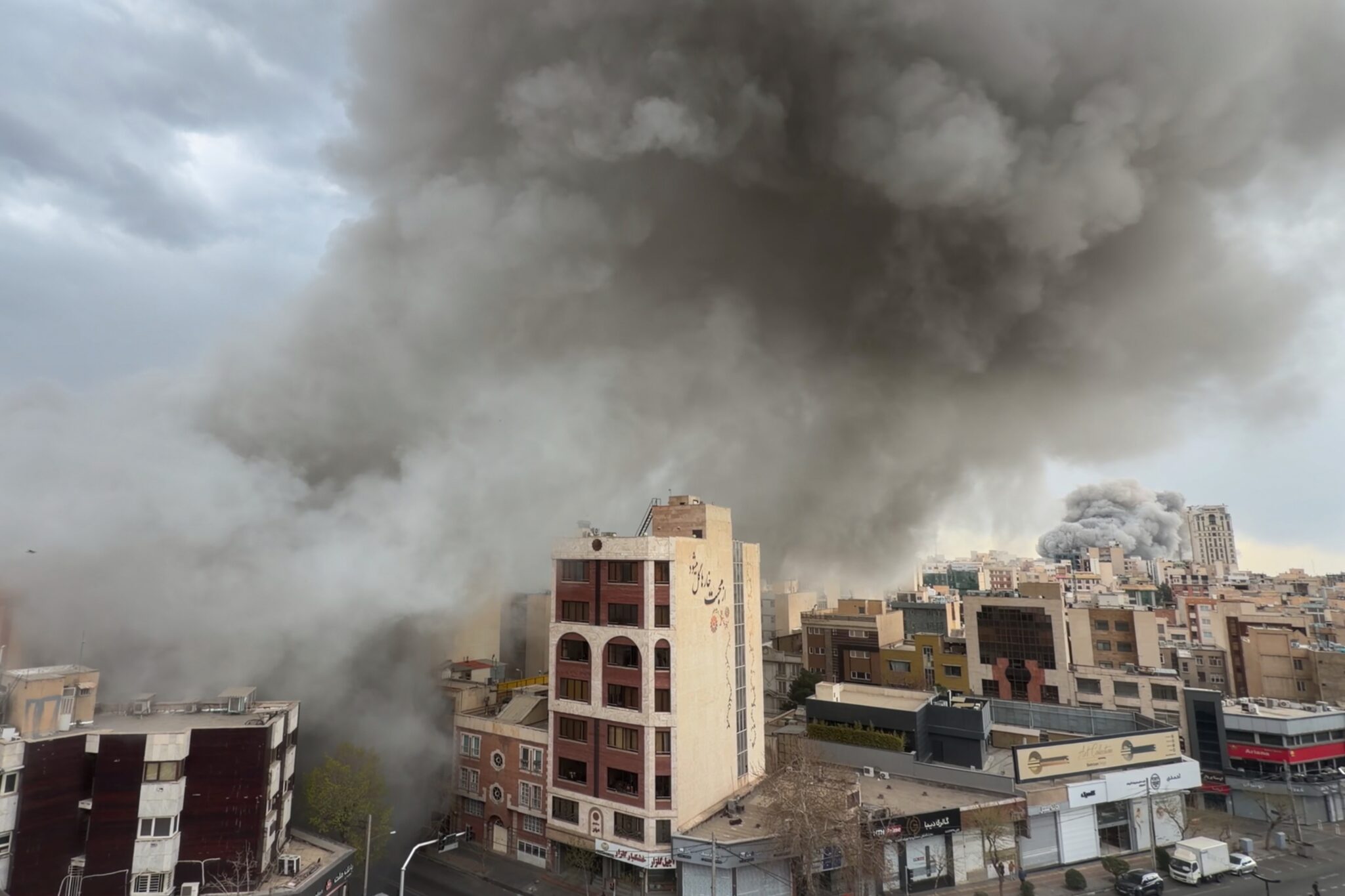
Israel Bombs Council Choosing Iran’s Next Supreme Leader/ Newslooks/ WASHINGTON/ J. Mansour/ Morning Edition/ Israel targeted Iran’s Council of Experts in Qom as clerics met to choose a successor to Supreme Leader Ali Khamenei. An Israeli official said the strike aimed to disrupt the leadership transition process. The attack marks a significant escalation in efforts to destabilize Iran’s ruling structure.
Israel Strikes Iran Council Choosing New Leader Quick Looks
- Israeli air force strikes Qom
- Target: Iran’s Council of Experts
- Strike reportedly occurred during vote counting
- 88-member clerical body oversees succession
- Ali Khamenei killed in earlier airstrikes
- 49 senior Iranian leaders reported killed
- Leadership vacuum deepens inside Iran
- Succession process thrown into uncertainty
Deep Look
Israel Bombs Council Tasked With Choosing Iran’s Next Supreme Leader
Israel escalated its campaign against Iran’s leadership on Tuesday by striking a building in the holy city of Qom that housed the Council of Experts — the clerical body responsible for appointing the country’s next supreme leader.
An Israeli defense official said the airstrike took place while members of the council were meeting and votes were reportedly being counted to determine a successor to Iran’s late Supreme Leader, Ayatollah Ali Khamenei.
“We wanted to prevent them from picking a new supreme leader,” the official said, describing the attack as a direct effort to disrupt the regime’s succession process.
Why the Council of Experts Matters
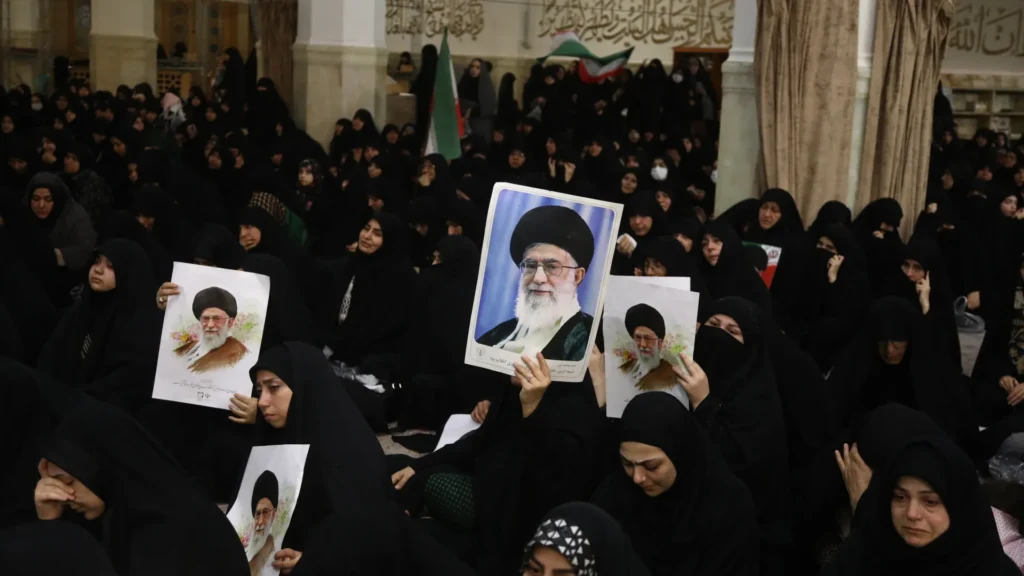
The Council of Experts is one of the most powerful institutions in Iran’s political system. The 88-member body of clerics has constitutional authority to appoint — and theoretically remove — the country’s supreme leader.
Following Khamenei’s death in the initial wave of Israeli strikes, the council began deliberations on selecting a replacement from a short list prepared by a smaller internal committee.
It remains unclear how many council members were inside the building at the time of the strike or the extent of the damage caused. Iranian authorities have not yet released official casualty figures.
A Broader Campaign Against Iran’s Leadership
The strike on Qom comes days after Israel and the United States launched Operation Epic Fury, a coordinated military campaign that targeted Iran’s top leadership and military command structure.
According to Israeli and U.S. officials, 49 of Iran’s most senior political and military figures were killed in the opening salvo, including Khamenei. The assault left Iran’s command hierarchy severely disrupted and raised urgent questions about who would assume control of the country.
Fox News correspondent Trey Yingst reported that Israeli forces struck what remained of Iran’s senior leadership while they were gathered to determine succession plans.
The targeting of the council suggests Israel is seeking not only to degrade Iran’s military capabilities but also to prevent the rapid reconstitution of its political leadership.
Intelligence and Strategic Implications
Israeli officials have indicated that the strike underscores the depth of Israeli intelligence penetration inside Iran. Successfully identifying and targeting a closed-door leadership meeting would signal a significant intelligence achievement.
Strategically, disrupting the succession process could prolong instability inside Iran. Without a recognized supreme leader, the Islamic Republic may struggle to project unified authority over its military forces, security services and regional proxies.
However, analysts warn that direct attacks on Iran’s religious and political institutions could further inflame tensions and solidify hardline resistance.
What Comes Next?
The immediate impact of the strike on the succession process remains uncertain. If surviving council members are able to reconvene, they may accelerate efforts to appoint a new leader.
Alternatively, prolonged instability could deepen the power vacuum created by Khamenei’s death, potentially triggering internal factional struggles.
The attack on the Council of Experts represents one of the boldest moves yet in the ongoing conflict — shifting the focus from military targets to the very core of Iran’s political authority.
As the war continues, the question remains whether such strikes will hasten regime collapse or intensify resistance in a region already on edge.





You must Register or Login to post a comment.