

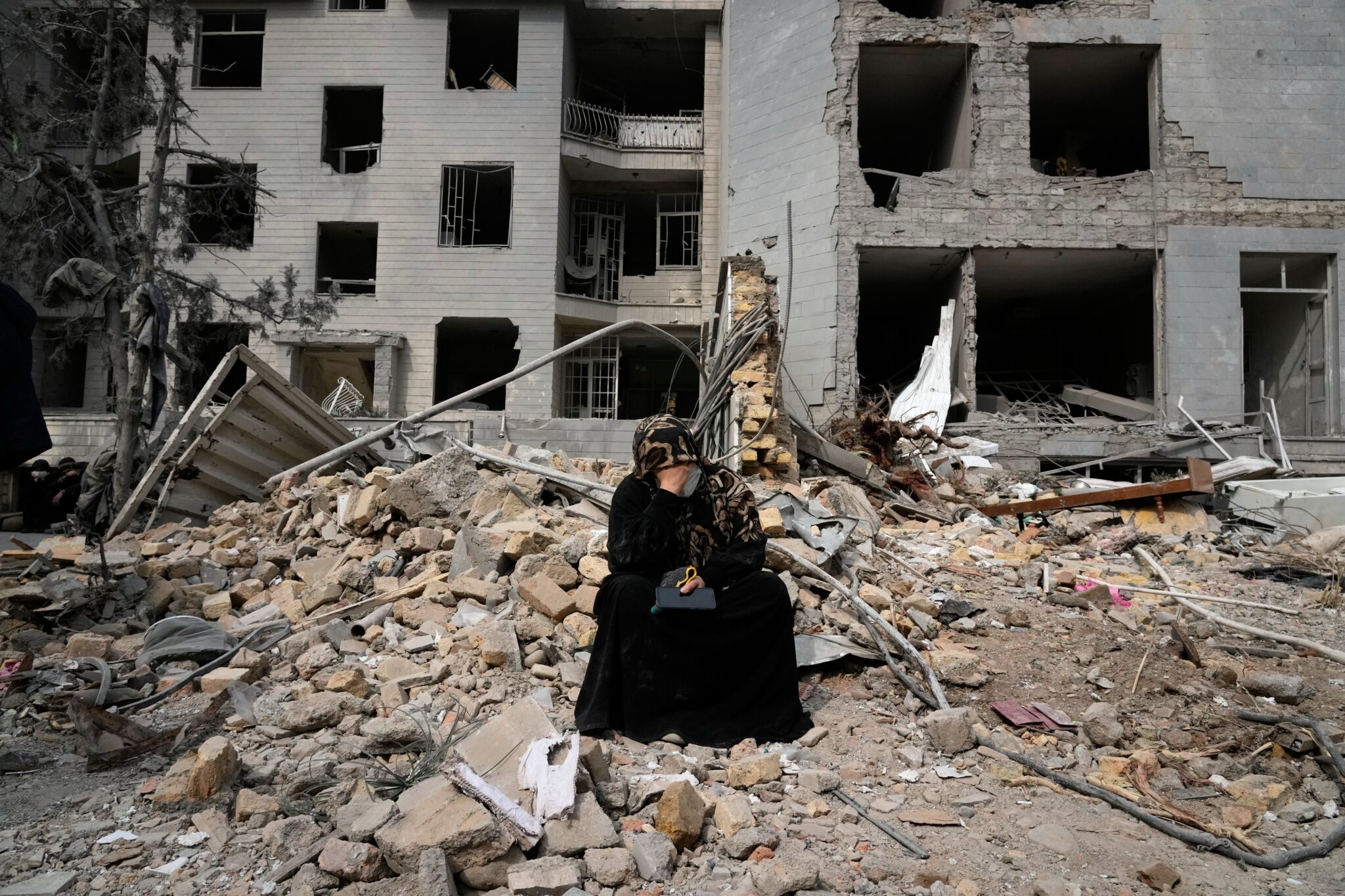
Israel Hits World’s Largest Natural Gas Field in Iran, Tehran Retaliates With More Attacks/ Newslooks/ WASHINGTON/ J. Mansour/ Morning Edition/ Iran expanded attacks on Gulf energy infrastructure after a strike hit Iran’s South Pars gas field. Qatar, Saudi Arabia, and the UAE condemned the escalation as oil prices surged and regional tensions worsened. The conflict is now threatening global energy supplies, maritime security, and wider Middle East stability.
South Pars attack Quick Looks
- Iran widened attacks on major Gulf energy facilities after a strike on South Pars, the world’s largest natural gas field.
- Qatar, Saudi Arabia, and the UAE condemned the attacks as a dangerous regional escalation.
- South Pars is critical to Iran’s domestic energy supply and is shared with Qatar.
- Ras Laffan in Qatar and facilities in the UAE were reported hit or disrupted.
- Oil prices jumped sharply as fears grew over supply disruptions and Strait of Hormuz traffic.
- The conflict is increasing pressure on Gulf states to decide whether to stay defensive or respond more directly.
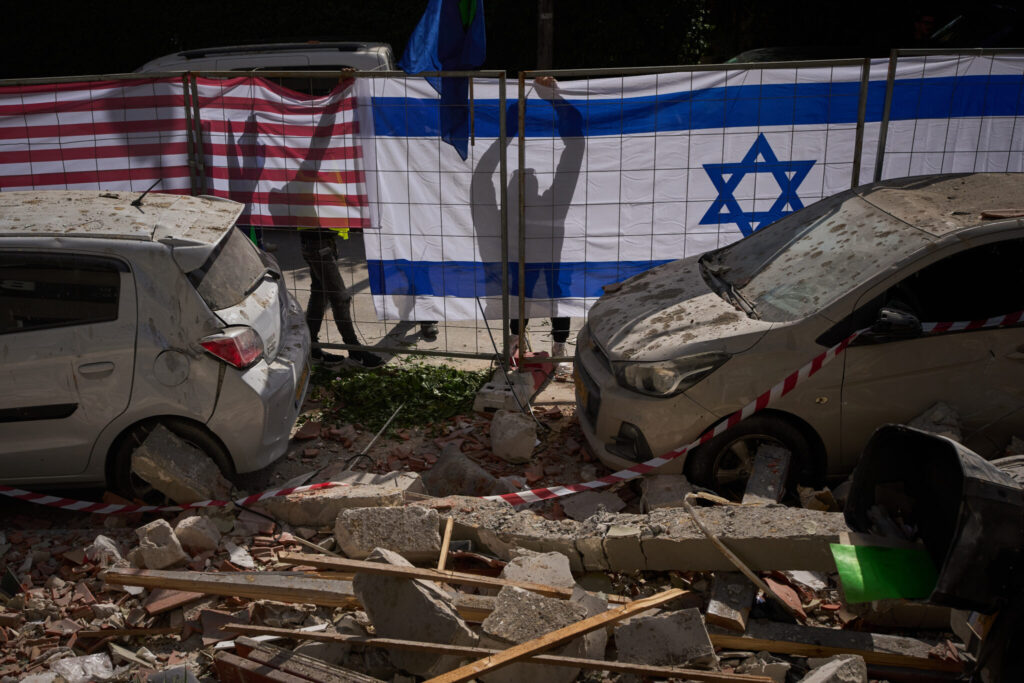
- Civilian casualties were also reported in the occupied West Bank during Iranian missile strikes.
- Global markets are closely watching LNG exports, oil flows, and shipping security in the Gulf.
Deep Look: Israel Hits World’s Largest Natural Gas Field in Iran, Tehran Retaliates With More Attacks
The war between Iran, Israel, and the United States entered a more dangerous phase after strikes reached the heart of the Gulf’s energy network, pushing fears of a broader regional confrontation and renewed shockwaves through global oil and gas markets.
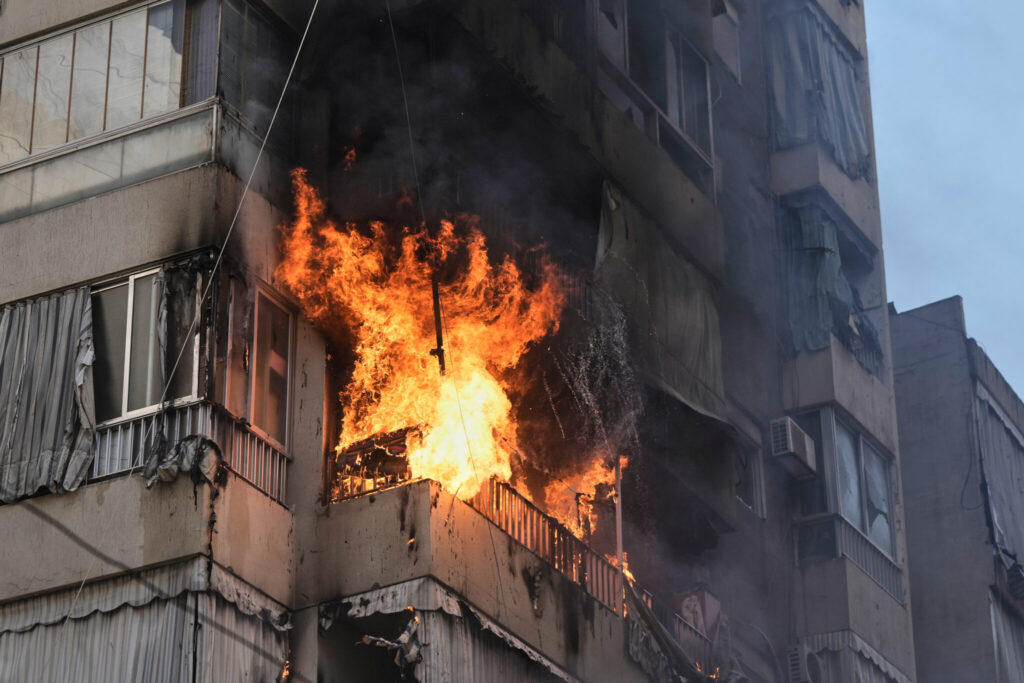
At the center of the escalation is South Pars, the massive offshore gas field shared by Iran and Qatar and widely regarded as the world’s largest natural gas reserve. A reported strike on Iran’s side of the field sharply raised the stakes in a conflict that had already been expanding beyond direct military targets. The attack struck at one of Tehran’s most vital energy assets, a field that underpins much of Iran’s domestic gas supply and helps sustain electricity generation, industrial demand, and winter heating needs. Recent reporting has described South Pars as an energy lifeline for Iran, while the broader Gulf fighting has intensified concern about LNG and oil exports across the region.
Iran responded by broadening its attacks on energy facilities across the Gulf. The fallout quickly spread to neighboring states that had tried to avoid direct entry into the war. Qatar, Saudi Arabia, and the United Arab Emirates all condemned the strikes, warning that targeting oil and gas infrastructure marked a major escalation. Those reactions reflected a growing fear among Gulf governments that the conflict is no longer confined to Iran, Israel, and U.S. forces, but is increasingly threatening the strategic infrastructure that powers both regional economies and global energy trade. Reuters reported that Tehran had issued evacuation warnings for several Gulf energy facilities before some of the attacks, underscoring the deliberate pressure campaign aimed at the region’s economic backbone.
In Qatar, the crisis centered on Ras Laffan, one of the most important liquefied natural gas hubs in the world. Fresh reporting indicates the damage could be severe, with QatarEnergy’s chief executive saying the Iranian attack knocked out roughly 17% of Qatar’s LNG export capacity for as long as five years. That scale of disruption matters well beyond the Gulf because Qatar is one of the world’s largest LNG exporters and a major supplier to Europe and Asia. The outage raises the risk of tighter gas supplies, higher prices, and longer-term contract disruptions for major importers.
The UAE also faced direct pressure, with reported attacks targeting the Habshan gas facility and the Bab field. Abu Dhabi described the strikes as a dangerous escalation, signaling that the war is increasingly testing the ability of Gulf states to remain outside the conflict while their strategic sites come under threat. This matters not just militarily, but commercially: any sustained interruption to Gulf production or processing capacity could hit crude exports, gas shipments, refining activity, and investor confidence across the region.
The broader market reaction has been swift. Oil prices have surged amid rising concerns about attacks on production facilities, export terminals, and tanker routes. One of the biggest worries remains the Strait of Hormuz, the narrow maritime chokepoint through which a large share of the world’s oil and gas trade passes. Reuters and AP have both highlighted how energy infrastructure attacks and maritime insecurity are amplifying fears of wider supply disruptions. The combination of damaged LNG facilities, threatened shipping lanes, and new strikes on Gulf assets has turned the war into a direct challenge to the world’s energy lifeline.
The conflict is also exacting a human toll beyond the energy story. Iranian missile fire reportedly caused fatalities in the occupied West Bank, while the broader war has already left significant casualties across multiple countries. At the same time, Israel has continued targeting senior Iranian officials, and Iran has responded with missile and drone attacks designed to overwhelm defenses and broaden deterrence. AP reported that Iran’s retaliation came amid a campaign of high-level assassinations and widening strikes that show neither side is stepping back.
What makes this moment especially dangerous is that the conflict is no longer just about military command structures or symbolic retaliation. It is now directly tied to infrastructure that keeps homes powered, industries running, ships moving, and governments financially stable. South Pars, Ras Laffan, Habshan, and other facilities are not peripheral sites; they are central nodes in the global energy system. Once those assets become regular targets, the risks spread far beyond the battlefield.
For Gulf Arab states, the dilemma is becoming harder to manage. They have tried to defend their territory and critical sites without fully joining offensive military action against Tehran. But repeated attacks on gas fields, oil facilities, and shipping routes may eventually force a change in posture. Analysts quoted by Reuters earlier in the conflict warned that sustained Iranian attacks on Gulf states could push them closer to a broader anti-Iran coalition. Whether that happens now may depend on how much further energy infrastructure is damaged and whether diplomatic channels can still contain the spiral.
For the global economy, the message is already clear. The war is no longer only a geopolitical standoff. It is an energy crisis in motion, with the potential to reshape oil markets, LNG trade, insurance costs, shipping patterns, and regional alliances. As South Pars and other strategic facilities come under fire, every new strike increases the chance that a regional war becomes a deeper global economic shock.





You must Register or Login to post a comment.