


Israel Killed Top Iranian Official and The Head of Internal Security/ Newslooks/ WASHINGTON/ J. Mansour/ Morning Edition/ Iran rejected ceasefire and de-escalation proposals as the war with Israel enters its third week. Israel claims it killed senior Iranian officials, including security chief Ali Larijani. Rising oil prices and attacks across the Gulf region are intensifying fears of a global economic crisis.
Iran Rejects Ceasefire Israel Strikes Quick Looks
- Iran rejects proposals to reduce tensions or agree to ceasefire.
- Supreme leader Mojtaba Khamenei demands U.S. and Israel “accept defeat.”
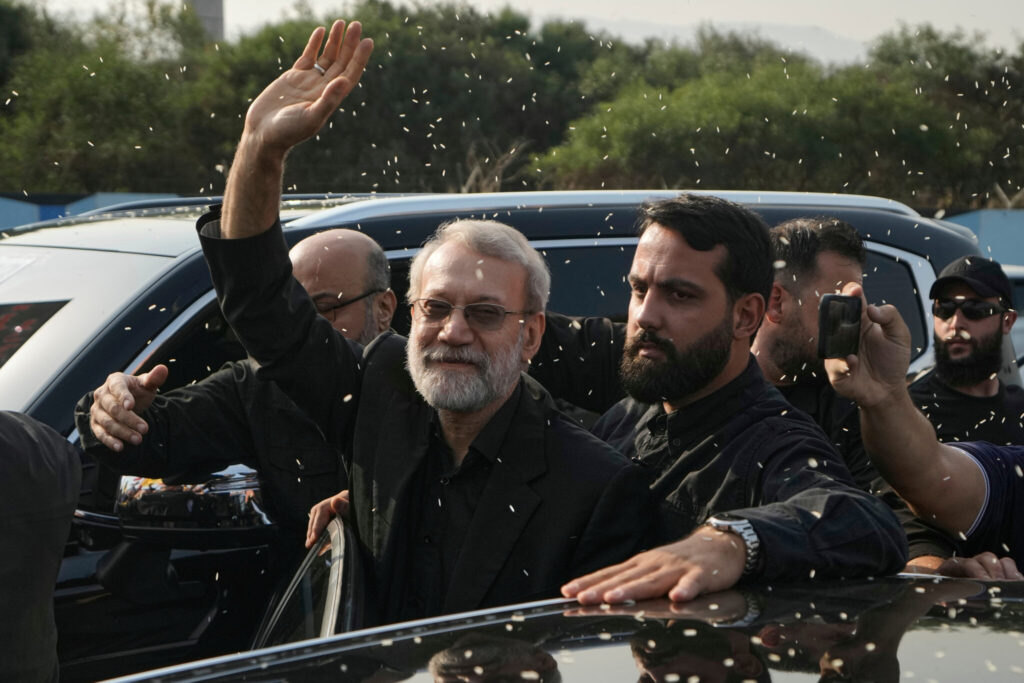
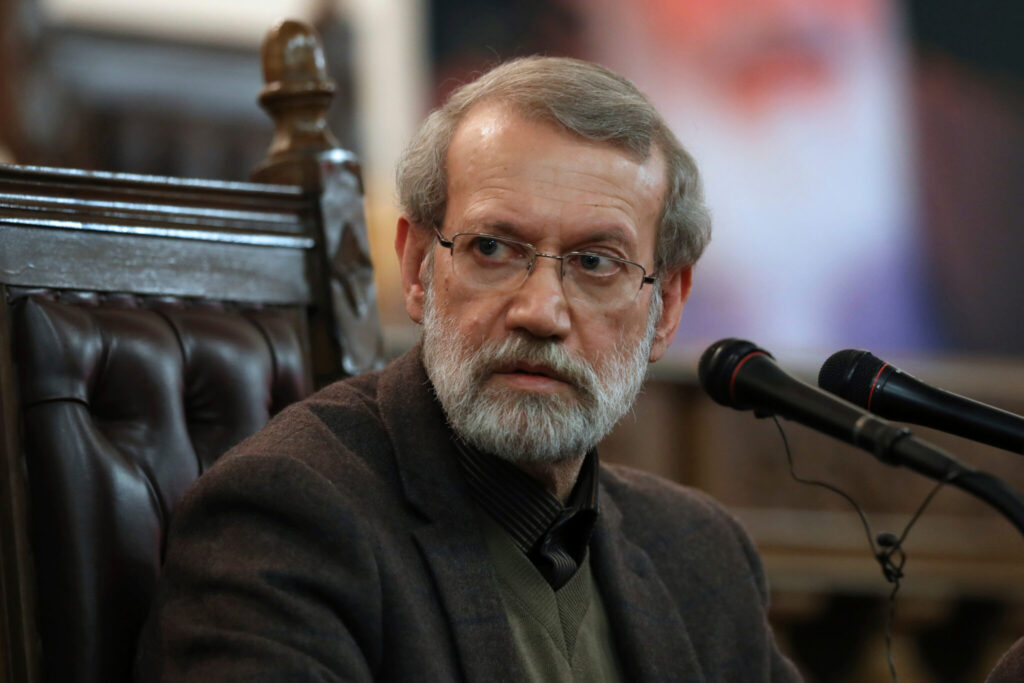
- Israel claims it killed top security figures including Ali Larijani.
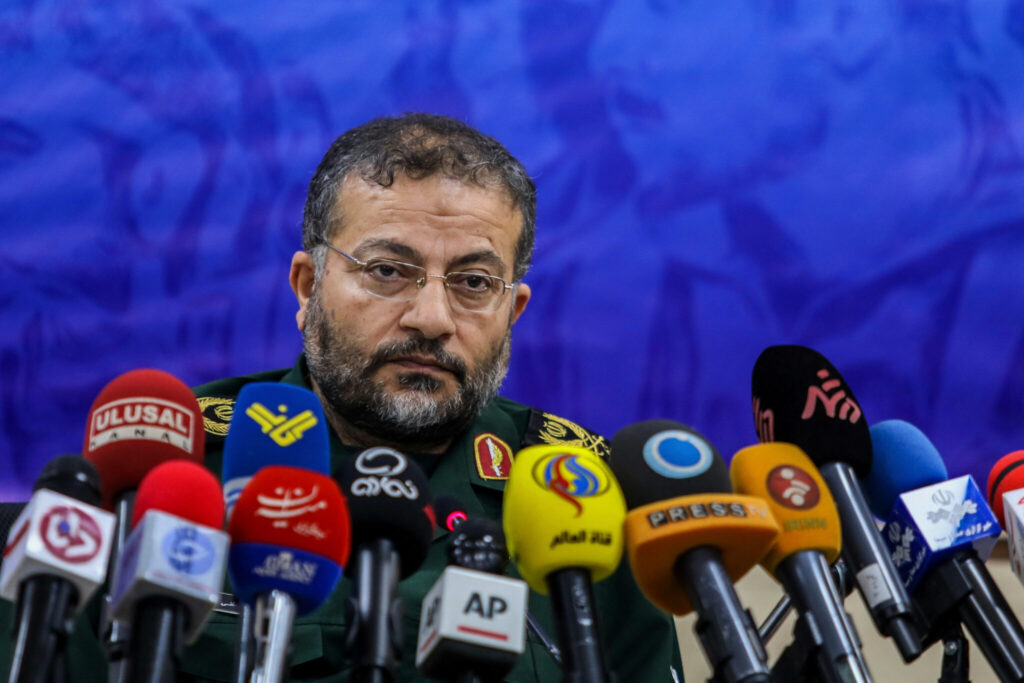
- Head of Basij militia also reportedly killed.
- War enters third week with 2,000+ deaths reported.
- Oil prices rise as Strait of Hormuz remains largely closed.
- Iran continues missile and drone strikes across the region.
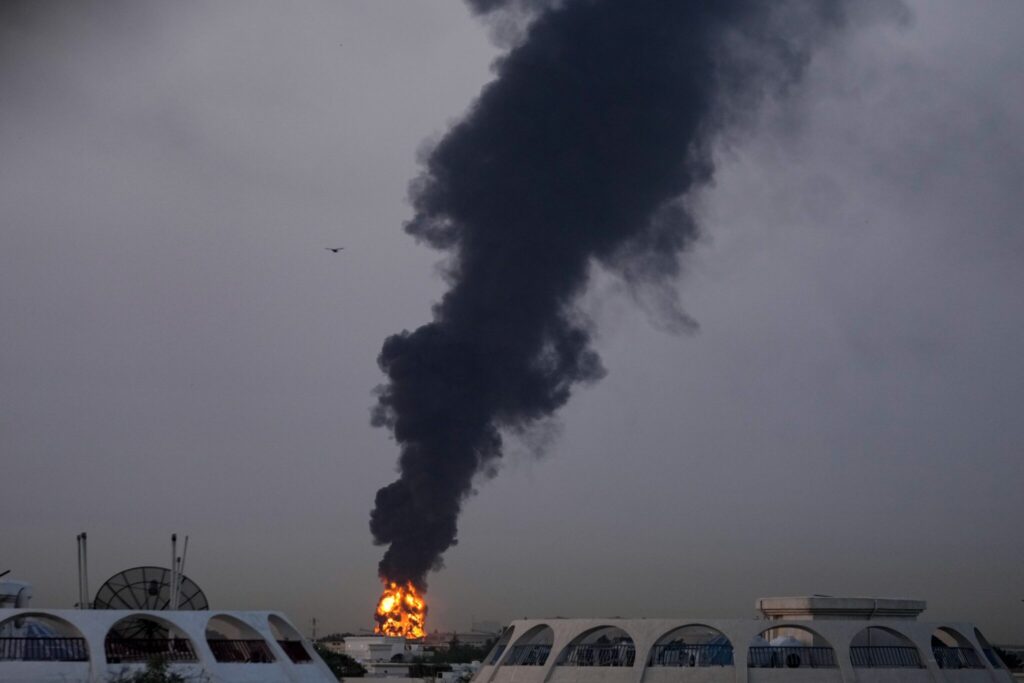
- UAE oil facilities and ports targeted in new attacks.

Deep Look: Israel Killed Top Iranian Official and The Head of Internal Security
The conflict between Iran and Israel escalated further Tuesday as Tehran rejected proposals for de-escalation while Israel claimed it had eliminated some of Iran’s most senior security officials.
The war, now entering its third week, shows no signs of slowing, with mounting casualties, expanding regional attacks, and growing economic consequences worldwide.
Iran Rejects Ceasefire Proposals
According to a senior Iranian official, Tehran has dismissed offers conveyed through intermediaries aimed at reducing tensions or reaching a ceasefire with the United States.
The official said two countries had passed proposals to Iran’s Foreign Ministry, but leadership rejected them outright.
At the center of that decision is Mojtaba Khamenei, who recently assumed power following the death of his father, former supreme leader Ayatollah Ali Khamenei.
Khamenei reportedly told officials it was not the “right time for peace,” insisting that negotiations could only happen after the United States and Israel are “brought to their knees,” accept defeat, and pay compensation.
It remains unclear whether Khamenei attended the meeting in person, as he has not appeared publicly since taking power — fueling speculation about his condition following earlier airstrikes.
Israel Targets Iran’s Leadership
On the battlefield, Israel says it is intensifying efforts to weaken Iran’s leadership structure.
Defense Minister Israel Katz said Israeli forces had killed Ali Larijani, one of the most senior figures in Iran’s security establishment.
Katz also claimed that Gholamreza Soleimani, who led the powerful Basij paramilitary force, was killed in the same wave of strikes.
There was no immediate confirmation from Tehran regarding those claims.
If confirmed, Larijani would be the highest-ranking Iranian official killed since the initial U.S.-Israeli strikes that killed the country’s previous supreme leader.
Larijani, who served as secretary of Iran’s Supreme National Security Council, was widely seen as a key power broker within the Iranian system, known for navigating between rival political factions.
Israeli Prime Minister Benjamin Netanyahu said the campaign is aimed at weakening Iran’s leadership and creating conditions for internal political change.
“It won’t happen in one go,” Netanyahu said. “But if we persist, we will give them the opportunity to take their destiny into their own hands.”
Continued Attacks Across Region
Fighting between the two sides showed no sign of easing.
In Israel, air raid sirens sounded throughout major cities including Tel Aviv, as Iranian missiles triggered interception systems. Explosions were heard as far as Jerusalem.
Iran said it targeted Israeli cyber infrastructure and weapons manufacturing facilities, including sites linked to defense contractor Rafael Advanced Defense Systems.
At the same time, Israeli forces launched new strikes targeting infrastructure in Tehran and positions linked to Hezbollah in Beirut.
Israeli officials said they believe the war is turning in their favor, though no timeline for its conclusion has been provided.
Gulf Attacks Disrupt Oil Supply
The conflict has also expanded beyond Iran and Israel, hitting energy infrastructure across the Gulf.
The United Arab Emirates has faced repeated drone and missile attacks targeting oil facilities, ports, and airports.
At the key port of Fujairah Port, oil loading operations were partially halted after a third attack in four days sparked a fire.
Fujairah is one of the few regional export routes that bypass the Strait of Hormuz, making disruptions there particularly significant.
In Abu Dhabi, debris from a missile strike killed one civilian, while a separate drone attack triggered a fire at the Shah gas field.
These attacks threaten to cut off remaining oil export routes and deepen the global energy crisis.
Oil Prices and Global Impact
Oil prices rose again Tuesday, climbing roughly 2% on the day and about 45% since the start of the war.
The disruption of shipping through the Strait of Hormuz — which handles about 20% of global oil and liquefied natural gas flows — continues to drive market volatility.
Rising energy costs are fueling fears of renewed global inflation, particularly as supply chains face increasing disruption.
Diplomatic Efforts Falter
Despite growing pressure to find a diplomatic solution, efforts to de-escalate the conflict have so far failed.
European leaders have emphasized the need for diplomacy rather than military escalation.
‘Kaja Kallas said no country is currently willing to risk sending forces into the Strait of Hormuz.
“Nobody is ready to put their people in harm’s way,” she said, warning that failure to reopen the strait could trigger a broader crisis affecting food, fertilizer, and energy supplies.
A Conflict With No Clear End
With Iran rejecting negotiations, Israel escalating strikes, and global powers reluctant to intervene militarily, the war appears to be entering a prolonged and increasingly dangerous phase.
The combination of military escalation, economic disruption, and humanitarian impact is raising concerns that the conflict could reshape regional dynamics — and potentially the global economy — for months or even years to come.





You must Register or Login to post a comment.