

Israel Sends Troops Into Lebanon Amid Hezbollah ‘Open War’ Warning/ Newslooks/ WASHINGTON/ J. Mansour/ Morning Edition/ Israel deployed additional troops into southern Lebanon after Hezbollah declared it was ready for “open war.” Israeli airstrikes killed 40 people in Lebanon, while rocket fire targeted northern Israel. The escalation raises fears of a broader regional conflict tied to the U.S.-Israel war with Iran.
Israel Sends Troops Into Southern Lebanon Quick Looks
- Israeli troops move into southern Lebanon
- Hezbollah vows readiness for “open war”
- 40 killed in Israeli airstrikes, health officials say
- 246 wounded; tens of thousands displaced
- Over 80 Lebanese villages ordered to evacuate
- UN peacekeepers observe cross-border incursions
- Lebanese army repositions near border
- Conflict tied to wider U.S.-Israel campaign against Iran
Deep Look
Israel Deploys Troops Into Southern Lebanon as Hezbollah Warns of “Open War”
BEIRUT — Israel sent additional ground forces into southern Lebanon on Tuesday and ordered evacuations across dozens of border villages, as Hezbollah declared it was prepared for an “open war” with Israel amid the expanding regional conflict involving Iran.
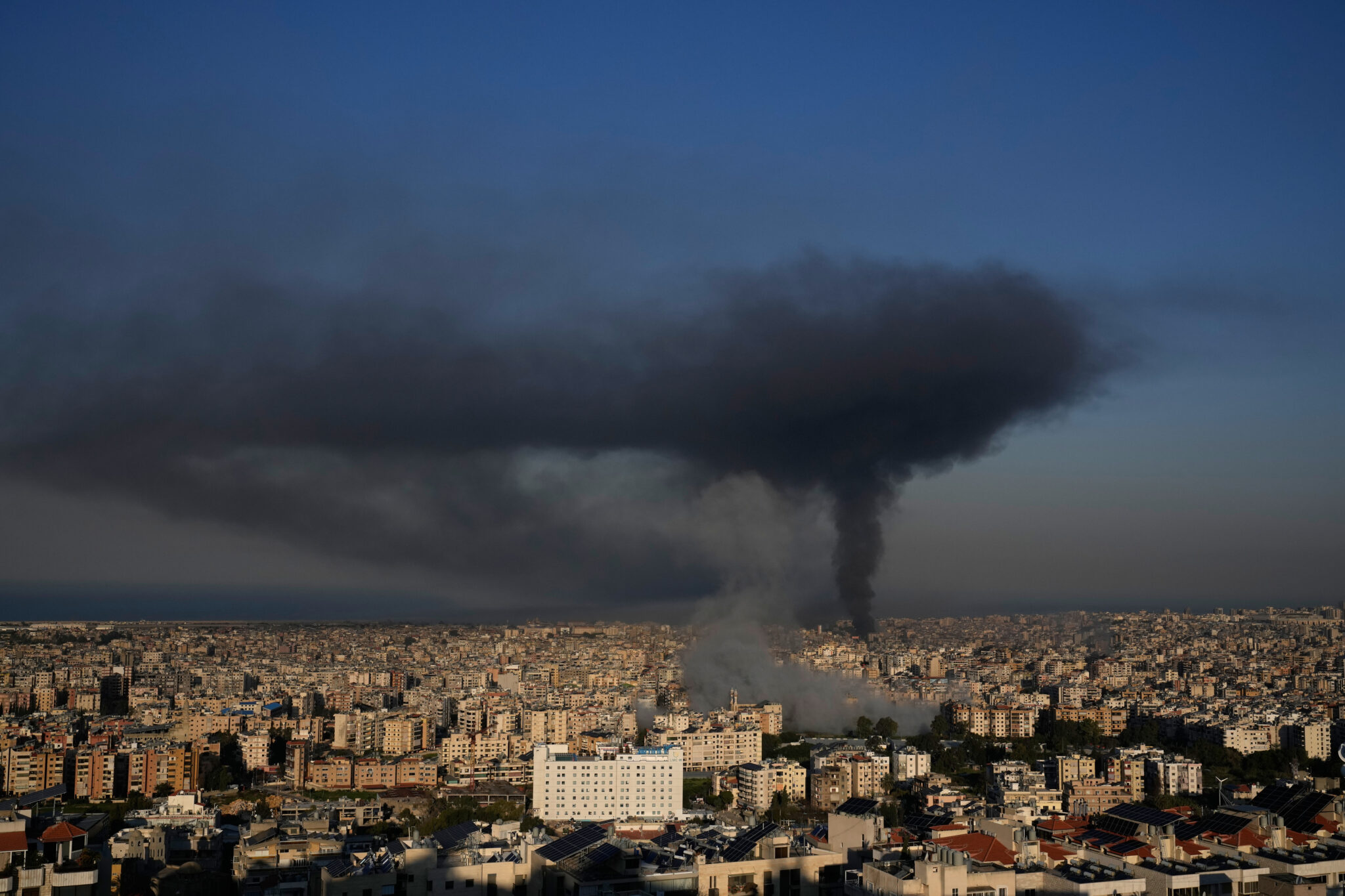
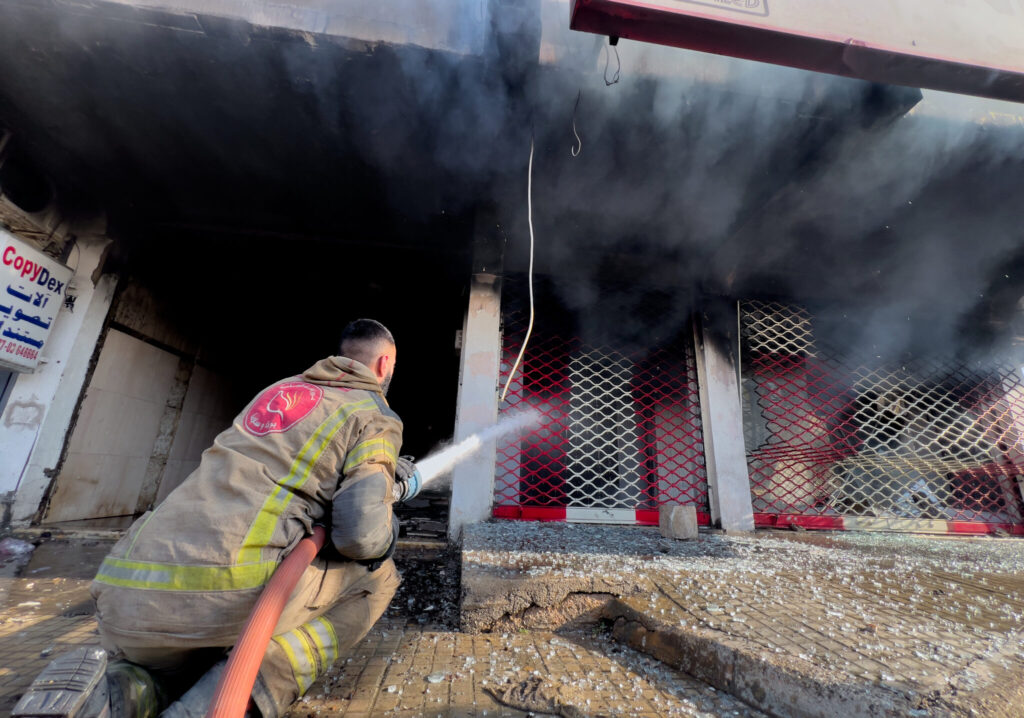
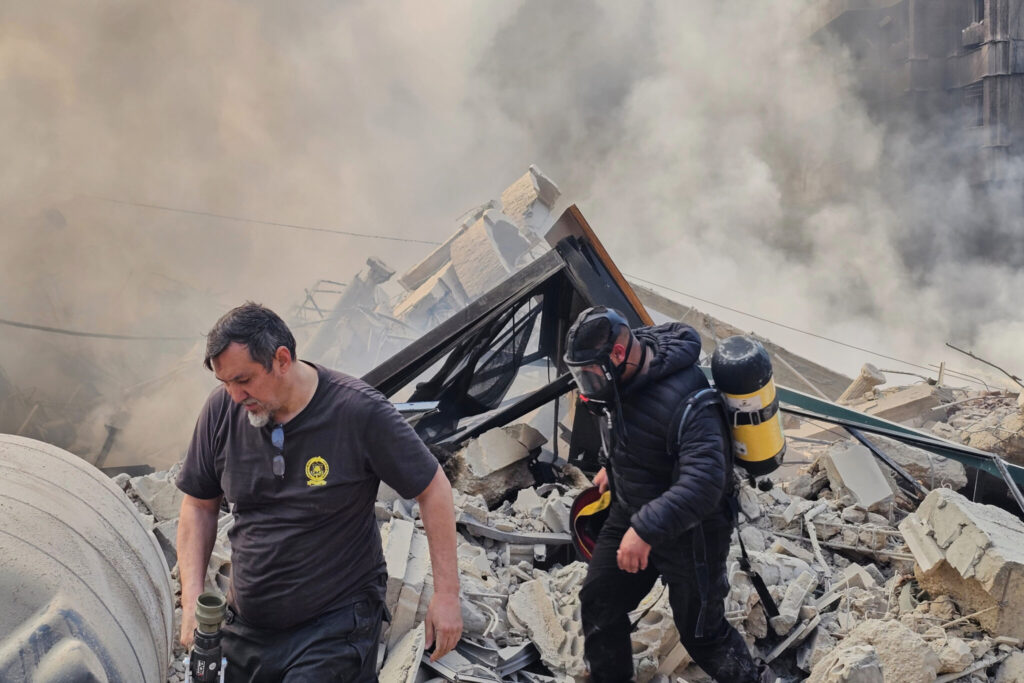
The move marks a significant escalation following Hezbollah’s rocket and drone attacks on northern Israel earlier this week. In response, Israel launched extensive airstrikes across Lebanon that killed 40 people, according to revised figures from Lebanon’s Health Ministry.
Lebanese Health Minister Rakan Nassereddine said the updated death toll reflected confirmed casualties after earlier reports had placed the number higher. Authorities also reported 246 wounded and said tens of thousands of residents have fled affected areas.
Hezbollah Escalates Rhetoric
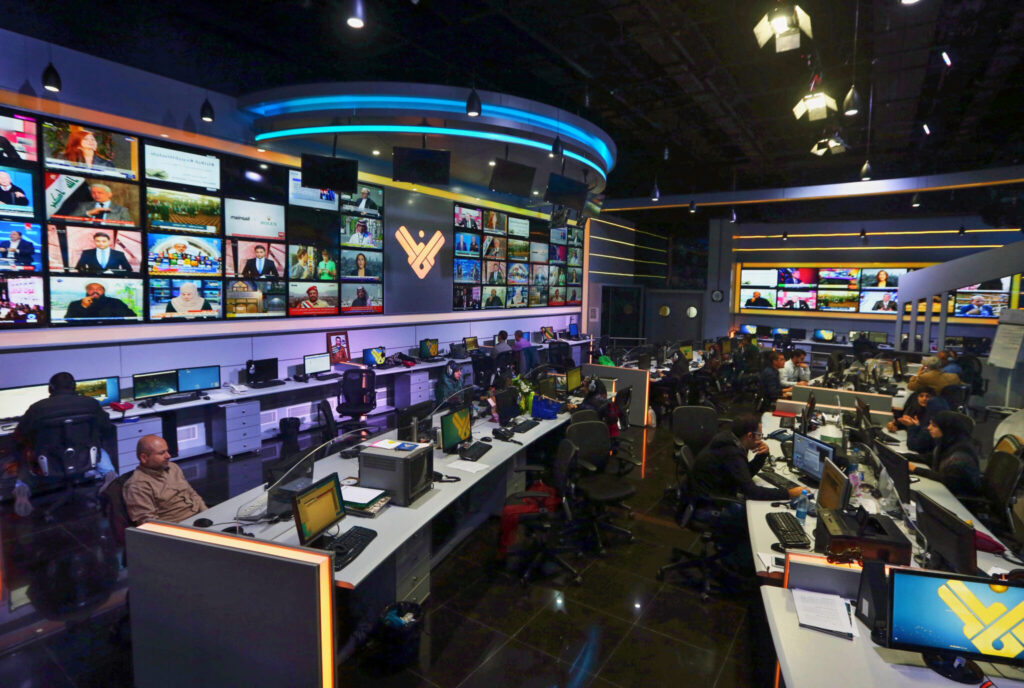
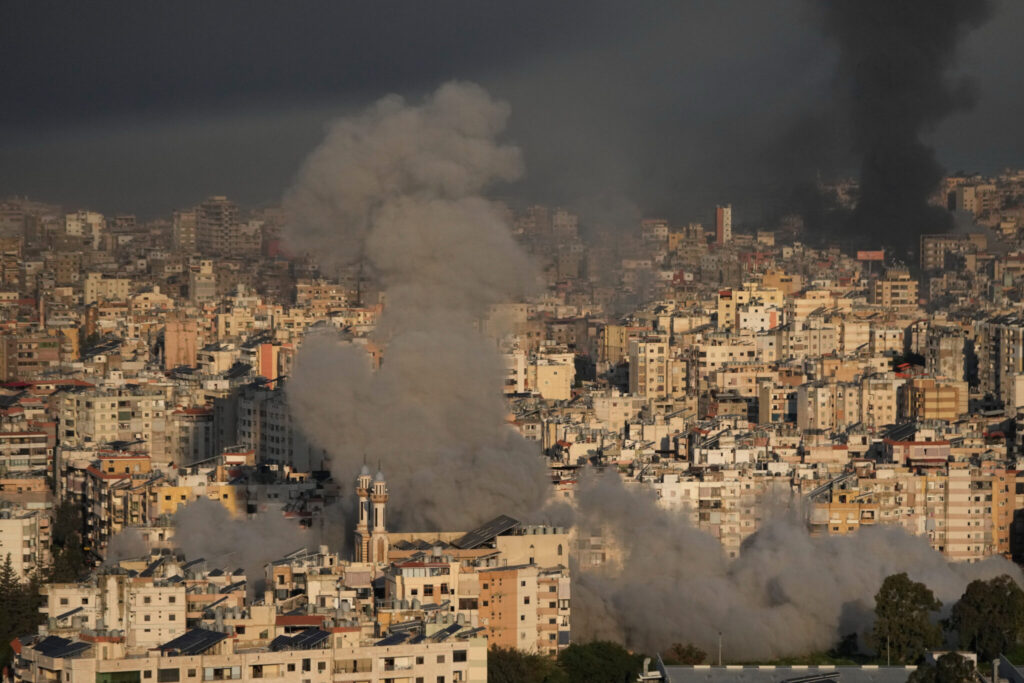
Hezbollah announced Tuesday that it fired two new salvos of rockets toward northern Israel. Overnight Israeli airstrikes damaged a building housing Hezbollah’s television and radio outlets, and explosions were reported in Beirut’s southern suburbs — an area known as a Hezbollah stronghold.
Israel later confirmed it targeted Hezbollah officials.
A senior Hezbollah official, Mohamoud Komati, said the group’s patience had ended after more than a year of relative restraint under a ceasefire arrangement.
“The Zionist enemy wanted an open war,” Komati said. “So let it be an open war.”
Hezbollah has accused Israel of continuing strikes inside Lebanon despite the November 2024 U.S.-brokered ceasefire that ended a previous round of fighting.
Evacuation Orders and Ground Movements
Israel’s military spokesperson for Arabic-language media, Avichay Adraee, issued warnings to residents in more than 80 villages and towns in southern Lebanon, urging them to evacuate immediately and not return until further notice.
The Israeli military said it deployed additional troops and seized new positions near the border to strengthen what it described as its forward defense posture.
Lebanon’s state-run National News Agency reported that the Lebanese army was evacuating some positions near the border. A Lebanese military official confirmed Israeli troops had entered multiple areas and said Lebanese forces were “repositioning.”
The U.N. Interim Force in Lebanon (UNIFIL) said peacekeepers observed Israeli troops crossing into Lebanese territory before returning to Israel, though it was unclear how many remained inside Lebanon.
Ceasefire Unravels
The current escalation comes despite a ceasefire brokered by the United States in November 2024, which had halted a previous Israeli ground invasion and months of cross-border fighting.
Under the agreement, Hezbollah was to withdraw weapons and military infrastructure south of the Litani River. Lebanese authorities have said the area is now under full control of the Lebanese army.
However, Lebanese President Joseph Aoun told diplomats Tuesday that Hezbollah rockets were launched from areas north of the river, complicating the fragile security framework.
Israel has maintained that Hezbollah continues efforts to rebuild its military capabilities and has conducted near-daily strikes in Lebanon since the ceasefire took effect.
Lebanon’s Health Ministry said that even before this latest exchange, 397 people had been killed in Israeli strikes since the ceasefire began.
Regional War Deepens
The fighting in Lebanon is unfolding alongside the broader U.S.-Israeli war against Iran, which began with airstrikes that killed Iran’s Supreme Leader and other senior officials.
Hezbollah, backed by Iran, has long been considered a key regional ally of Tehran. The group began firing rockets into Israel shortly after the October 7, 2023, Hamas-led attack that triggered the Gaza war.
What began as limited exchanges gradually escalated into a full-scale conflict in September 2024, culminating in Israel’s previous ground incursion into Lebanon.
With fresh troop deployments and increasingly aggressive rhetoric, fears are mounting that the current escalation could spiral into a prolonged and multi-front war.
The key unknown now is whether diplomatic channels can prevent the situation from deteriorating further — or whether Hezbollah’s declaration of “open war” signals a broader confrontation that could engulf the region.





You must Register or Login to post a comment.