

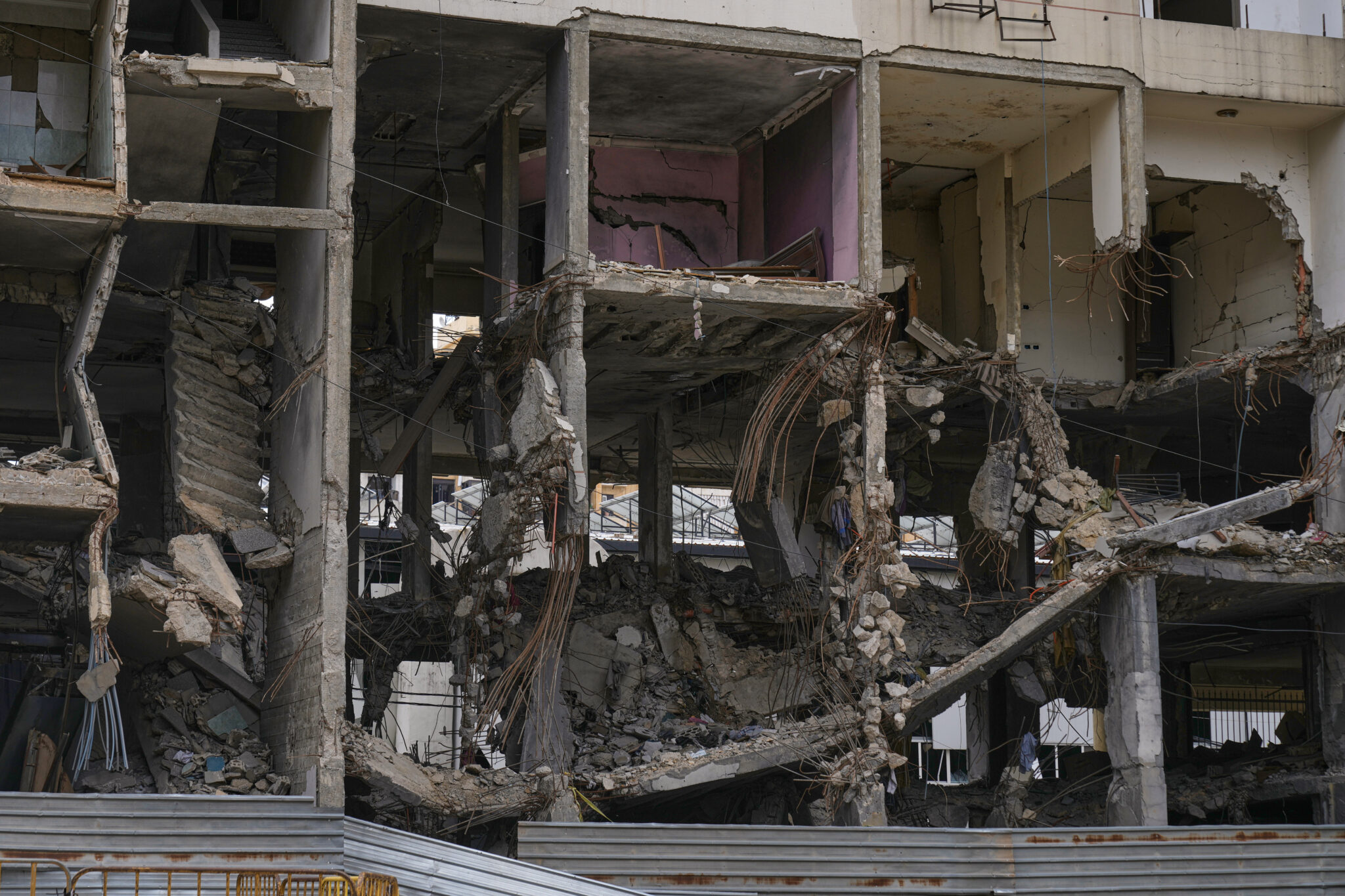
Israel Steps Up Campaign in Lebanon, Iran Keeps Stranglehold on Shipping/ Newslooks/ WASHINGTON/ J. Mansour/ Morning Edition/ Israel intensified strikes in Beirut and southern Lebanon as fighting spreads across the region. Meanwhile, Iran continues to disrupt shipping in the Strait of Hormuz, fueling a global energy crisis. Drone and missile attacks across the Gulf and Israel highlight the growing regional war.
Israel Lebanon Strikes Hormuz Crisis Quick Looks
- Israel expands military campaign against Hezbollah in Lebanon.
- Explosions reported in Beirut as Israeli airstrikes hit militant infrastructure.
- Iran keeps pressure on global shipping through the Strait of Hormuz.
- Oil prices surge above $100 per barrel amid supply fears.
- Drone strike temporarily shuts Dubai International Airport.
- More than 800,000 people displaced in Lebanon due to fighting.
- Iran continues missile and drone attacks across the region.
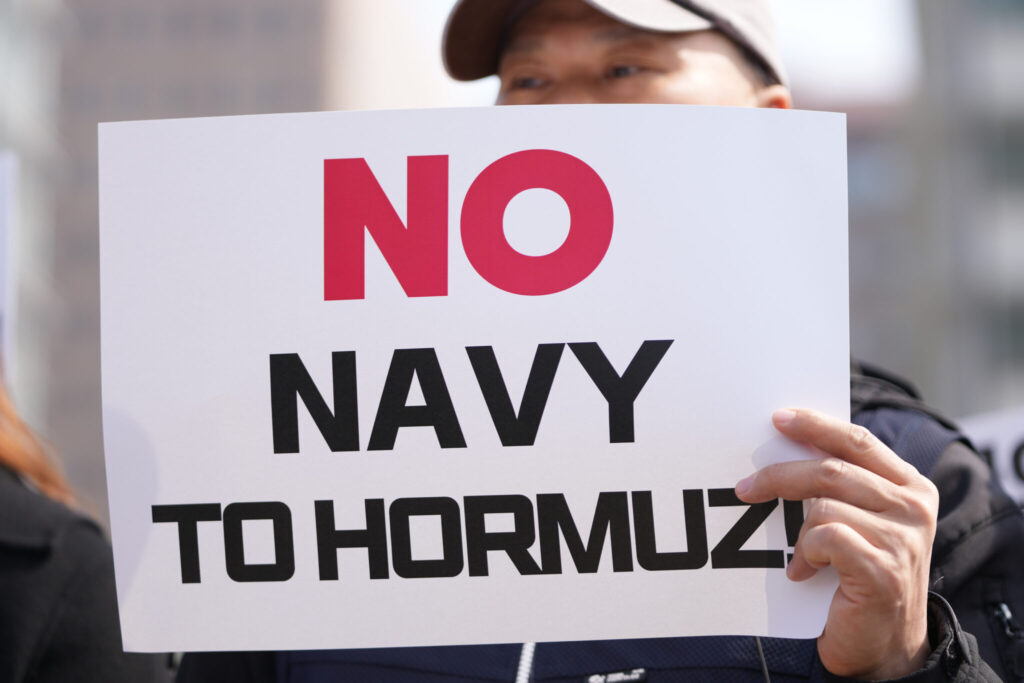
- Global leaders debate naval missions to secure shipping lanes.
Deep Look: Israel Steps Up Campaign in Lebanon, Iran Keeps Stranglehold on Shipping
The widening Middle East conflict intensified Monday as Israel escalated its military campaign in Lebanon, while Iran continued to disrupt global oil shipments through the critical Strait of Hormuz.
The multi-front conflict now stretches across several countries in the region. Israeli forces launched new airstrikes targeting Iran-linked militant positions in Lebanon while also continuing attacks inside Iran. At the same time, Iranian drone and missile strikes have targeted Israel, U.S. military installations, and key energy infrastructure across Gulf states.
The situation has heightened fears of a broader regional war while also threatening global energy supplies.
Israeli Strikes Intensify in Lebanon
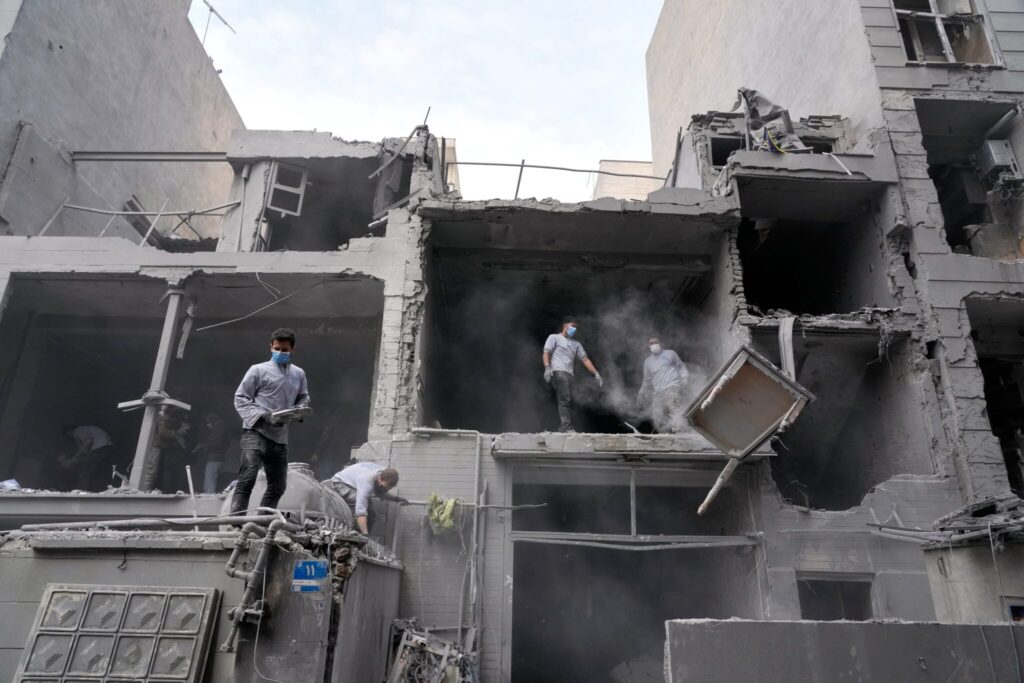
Large explosions shook Beirut before dawn Monday as Israeli aircraft struck locations it said were tied to Hezbollah, the powerful Iran-backed militia that dominates parts of Lebanon.
Israel says the strikes targeted weapons depots, command centers, and other infrastructure used by the group.
Hezbollah began firing rockets into northern Israel shortly after the United States and Israel launched coordinated attacks on Iranian military targets on Feb. 28.
The Israeli military has since expanded operations across Lebanon, issuing evacuation warnings to residents in parts of Beirut and southern regions of the country.
According to Lebanese authorities, Israeli strikes have killed at least 850 people and displaced more than 800,000 residents, many fleeing from southern Lebanon and Beirut’s southern suburbs.
Israeli ground forces have also pushed into southern Lebanon, raising fears that Israel may be preparing for a large-scale invasion of the country.
On Monday alone, at least seven people were killed in Israeli airstrikes in southern Lebanon.
Attacks Continue Inside Iran
At the same time, Israeli forces continued strikes on targets inside Iran.
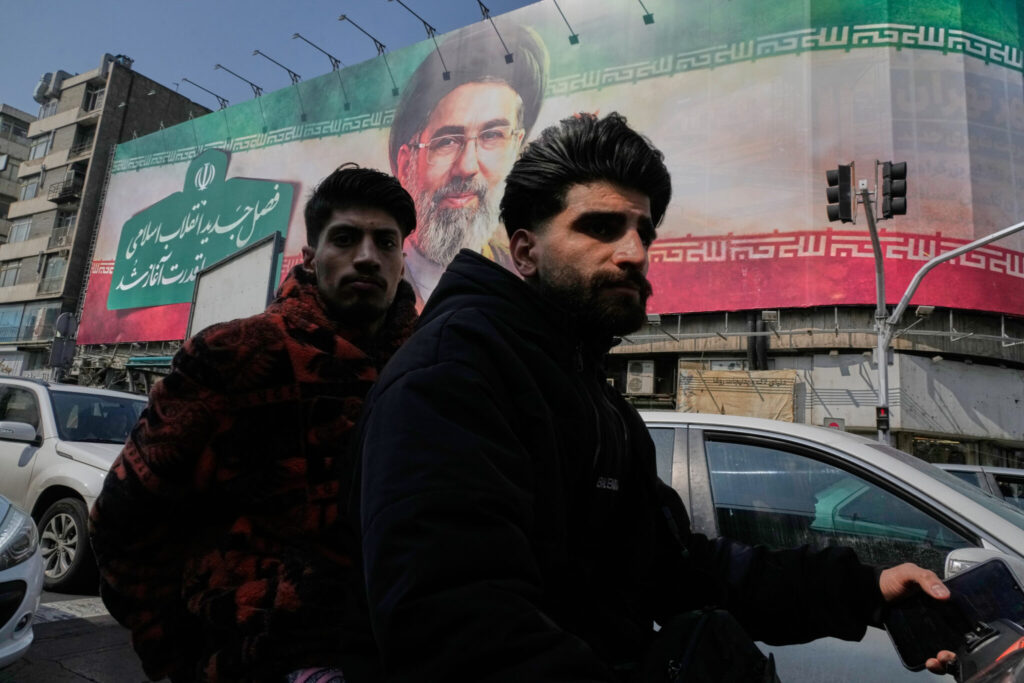
Explosions were reported in Tehran shortly after Israel’s military announced new operations targeting Iranian infrastructure.
Details about the attacks remain limited because of strict government controls on information and widespread internet outages across the country.
According to the Iranian Red Crescent Society, more than 1,300 people have been killed in Iran since the conflict began.
Israeli military spokesperson Nadav Shoshani said Israeli forces have carried out roughly 7,600 airstrikes on Iranian targets so far.
Those operations have reportedly destroyed 85% of Iran’s air defense systems and 70% of its missile launchers, although Israel says thousands of additional targets remain.
“We will continue these attacks for as long as needed,” Shoshani told reporters.
Meanwhile, Iranian missile strikes have killed 12 people in Israel, while 13 U.S. military personnel have died during the conflict.
Iran Maintains Pressure on Global Oil Routes
Even as fighting intensifies on land, Iran continues to exert pressure on global energy markets by restricting shipping through the Strait of Hormuz.
The narrow passage between the Persian Gulf and the Indian Ocean typically carries about 20% of the world’s oil supply.
Iranian drone attacks on commercial vessels and threats against shipping have drastically reduced traffic through the strait.
Only a small number of ships have crossed the corridor in recent days, including vessels flying the flags of India and Pakistan.
Iranian Foreign Minister Abbas Araghchi insisted that the strait remains open — but not for the United States, Israel, or their allies.
“From our perspective it is open,” Araghchi said, rejecting claims that Iran is seeking negotiations to end the war.
He added that Tehran is pursuing neither a ceasefire nor diplomatic talks at this stage.
Oil Prices Surge as Shipping Slows
The near shutdown of the Strait of Hormuz has shaken global energy markets.
Brent crude oil, the international benchmark, remained above $100 per barrel Monday — nearly 45% higher than before the conflict began.
Prices briefly surged to around $120 per barrel during the crisis.
The spike in energy costs has raised fears of a global economic shock, with rising oil and fertilizer prices threatening food supplies in vulnerable countries and complicating efforts by central banks to control inflation.
Trump Pressures Allies to Help Secure Strait
U.S. President Donald Trump has urged other nations to help secure the Strait of Hormuz.
Trump said he has asked about seven countries to deploy naval forces to escort oil tankers through the waterway, though none have yet formally committed.
“Whether we get support or not … we will remember,” Trump said, warning that the United States is closely watching which allies step forward.
Gulf Region Attacks Escalate
The conflict has also spilled into the wider Gulf region.
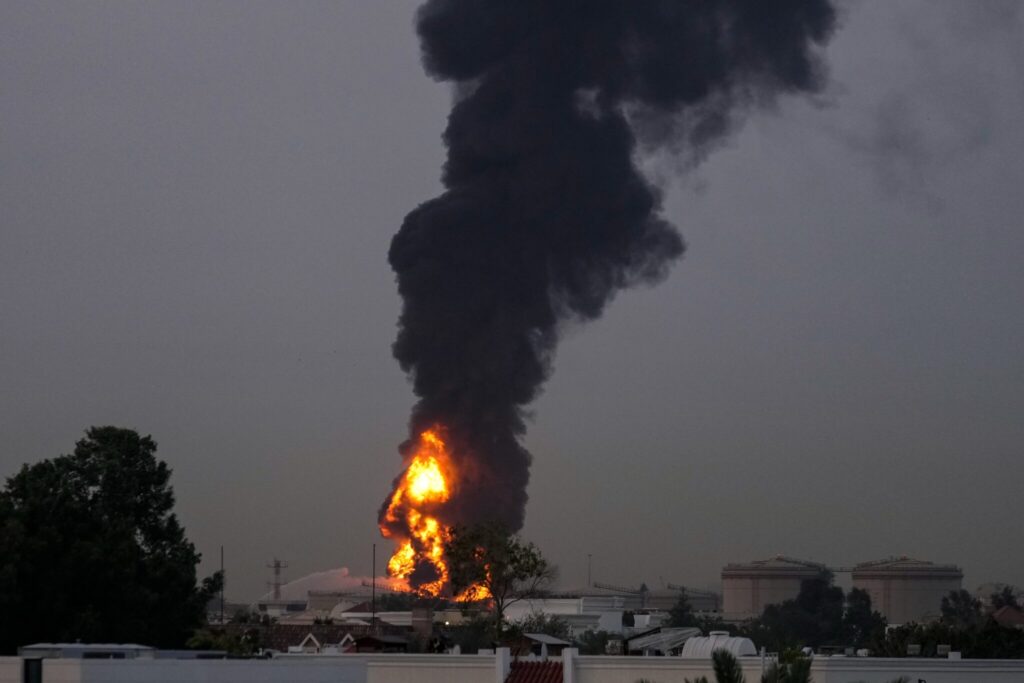
A drone strike Monday morning hit a fuel tank near Dubai International Airport, briefly shutting down operations at the world’s busiest airport for international travel.
Authorities said firefighters quickly contained the blaze and no injuries were reported. Flights resumed several hours later.
Elsewhere in the United Arab Emirates, an Iranian missile struck a vehicle in Abu Dhabi, killing one person.
Another drone strike triggered a fire at an oil facility in Fujairah, a key energy export hub.
Meanwhile, Saudi Arabia said its air defenses intercepted 35 Iranian drones heading toward its oil-producing eastern region.
Global Leaders Debate Response
As the conflict spreads, governments around the world are debating how to respond.
The European Union is discussing whether to extend an existing naval mission protecting shipping in the Red Sea to cover the Strait of Hormuz.
EU foreign policy chief Kaja Kallas said the issue will be discussed by foreign ministers meeting in Brussels.
Some European leaders remain cautious about expanding military involvement.
Italian Foreign Minister Antonio Tajani said Italy supports strengthening defensive maritime missions but is skeptical about extending them into the Strait of Hormuz.
British Prime Minister Keir Starmer said allies are exploring options to reopen the shipping route but stressed Britain does not want to be drawn deeper into the war.
As the fighting continues across multiple fronts, the Middle East faces one of its most volatile periods in years — with global economic stability increasingly tied to the fate of the Strait of Hormuz.






You must Register or Login to post a comment.