

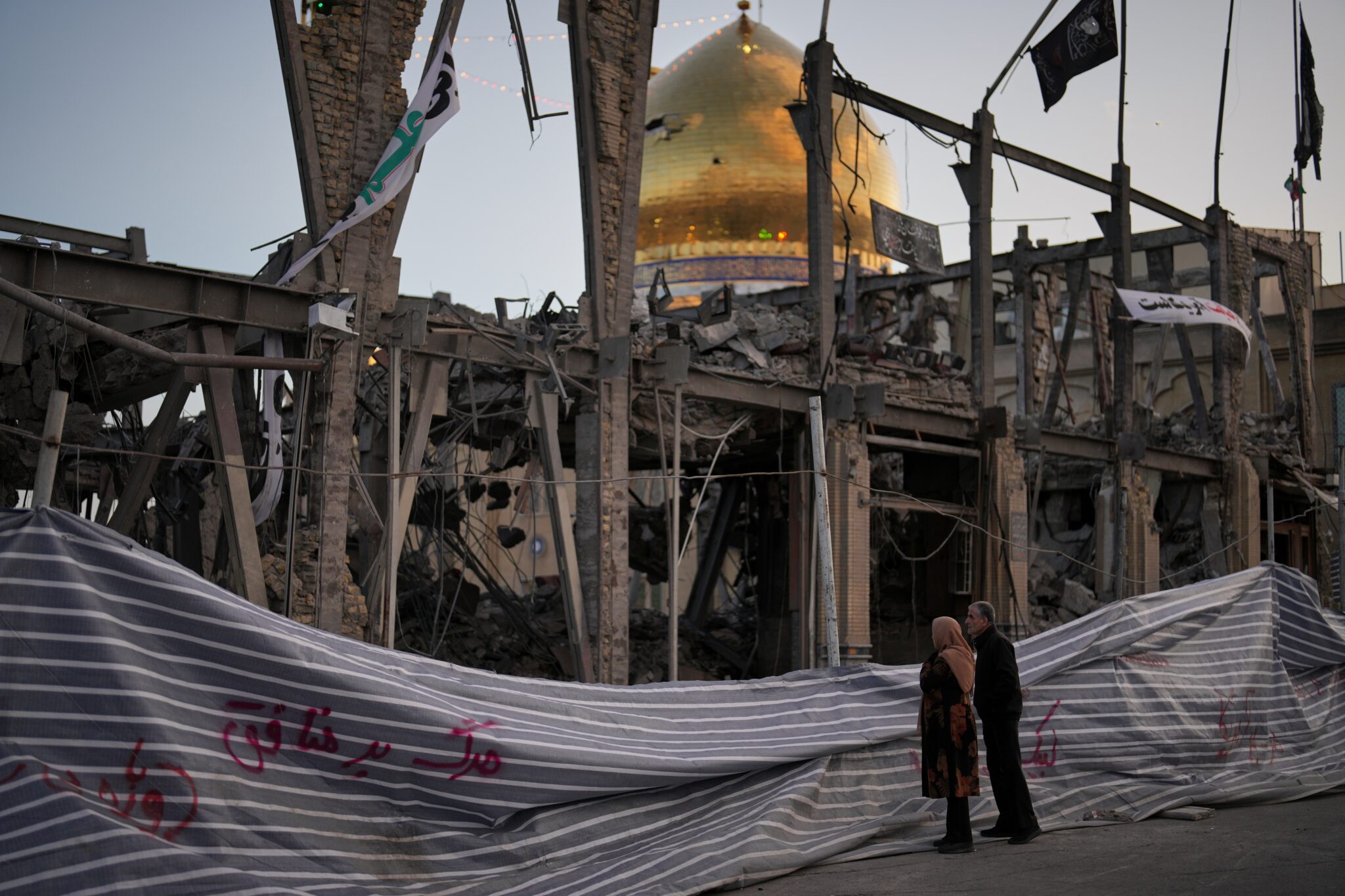
Israel Strikes Iran Petrochemical Plant in Gas Field as Trump Ultimatum Nears/ Newslooks/ WASHINGTON/ J. Mansour/ Morning Edition/ Israel struck a major Iranian petrochemical facility at South Pars gas field. The attack comes hours before President Trump’s Strait of Hormuz deadline. Oil prices surged as diplomacy and regional tensions intensified.
Israel Iran Gas Field Strike + Quick Looks
- Israel strikes South Pars petrochemical facility
- Two Revolutionary Guard commanders killed
- Trump deadline on Strait of Hormuz approaches
- 45-day ceasefire proposal under discussion
- Oil prices surge above $109 per barrel
- Iranian missiles target Gulf and Israeli cities
- Airstrikes kill more than 25 across Iran
- Regional tensions escalate across Middle East
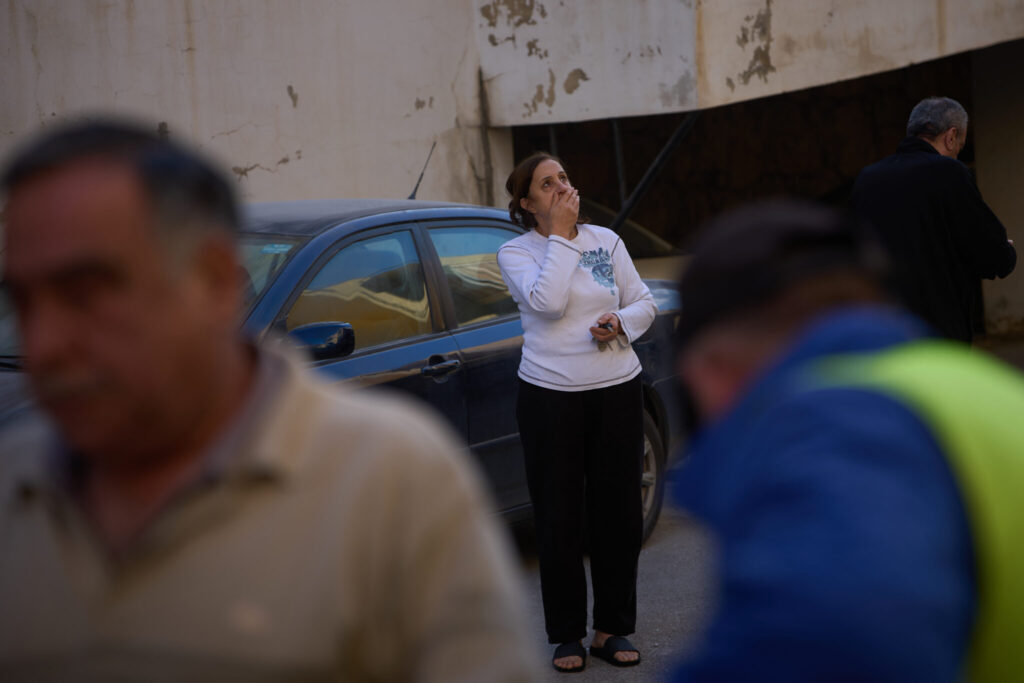
Deep Look: Israel Strikes Iran Petrochemical Plant in Gas Field as Trump Ultimatum Nears
Israel launched a major strike Monday targeting Iran’s South Pars natural gas field, hitting a key petrochemical plant and killing two senior commanders from Iran’s paramilitary Revolutionary Guard. The attack comes as President Donald Trump’s deadline for Iran to reopen the Strait of Hormuz approaches, raising fears of further escalation in a conflict already rattling global markets and destabilizing the Middle East.
Israel described the operation as a “powerful strike” aimed at weakening a significant source of Iranian government revenue. The South Pars field, shared with Qatar beneath the Persian Gulf, is the world’s largest natural gas field and plays a central role in Iran’s electricity generation and economic stability.
Iranian state media confirmed the strike and blamed both Israel and the United States. The White House did not immediately comment, though Trump was expected to speak publicly later Monday in his first appearance since last week.
The attack appears separate from Trump’s own threats to strike Iranian infrastructure if Tehran does not reopen the Strait of Hormuz to international shipping. However, the timing increases pressure on Iran as diplomatic efforts intensify.
Trump previously warned that the United States would take severe action if Iran continued targeting energy infrastructure in the Gulf. Following an earlier Israeli strike in March, Trump said Israel would avoid hitting the field again but warned the U.S. would “massively blow up” the site if Iran escalated further.
Trump’s ultimatum to reopen the Strait of Hormuz — a key route for global oil shipments — is set to expire Monday night Washington time.
Ceasefire Proposal Emerges
Diplomatic mediators from Egypt, Pakistan, and Turkey have proposed a 45-day ceasefire between Iran and the United States. The proposal also calls for reopening the Strait of Hormuz, according to Middle East officials familiar with the negotiations.
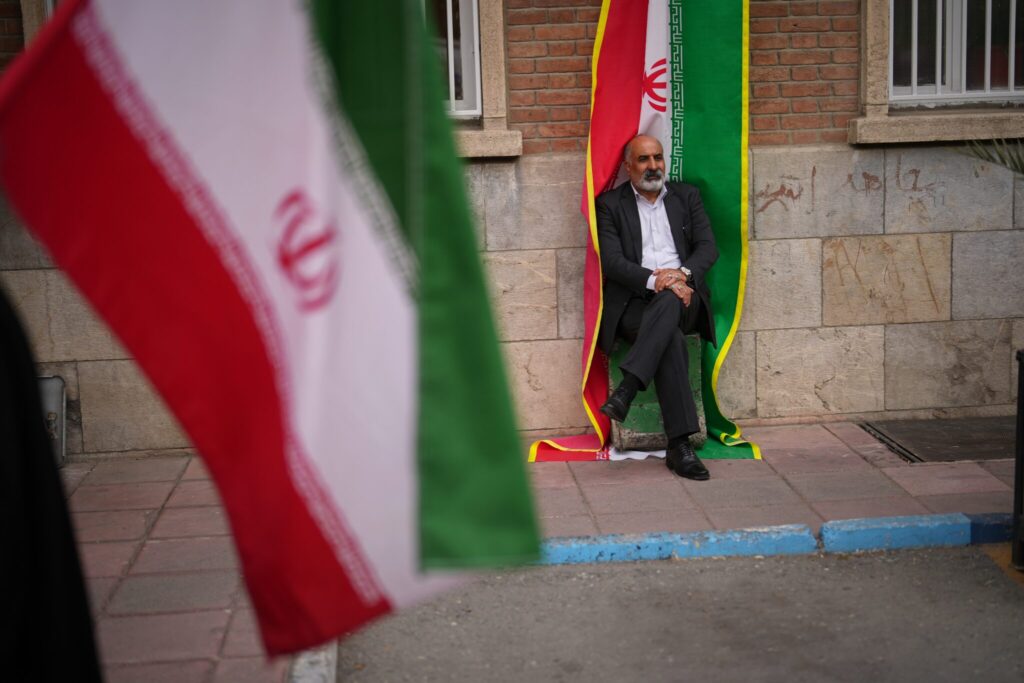
Iran’s Foreign Ministry acknowledged receiving messages through mediators but rejected negotiating under threats.
“Negotiations are entirely incompatible with ultimatums, crimes, and threats of war crimes,” Iranian Foreign Ministry spokesman Esmail Baghaei said.
Pakistan’s government also indicated that ceasefire negotiations were advancing, though officials warned that misinformation campaigns could derail progress.
Meanwhile, explosions were heard across Tehran as jets flew low overhead, signaling continued military activity.
Iranian state media confirmed that Maj. Gen. Majid Khademi, head of intelligence for the Revolutionary Guard, was killed in the strikes. Israel also said it killed Asghar Bakeri, leader of a covert Revolutionary Guard unit within the Quds Force.
Israel’s Defense Minister Israel Katz vowed further strikes against senior Iranian leadership.
“Iran’s leaders live with a sense of being targeted,” Katz said. “We will continue to hunt them down one by one.”
Regional Fighting Expands
Iran continued retaliatory actions across the region. Kuwait, Saudi Arabia, and the United Arab Emirates activated air defenses to intercept Iranian missiles and drones targeting infrastructure.
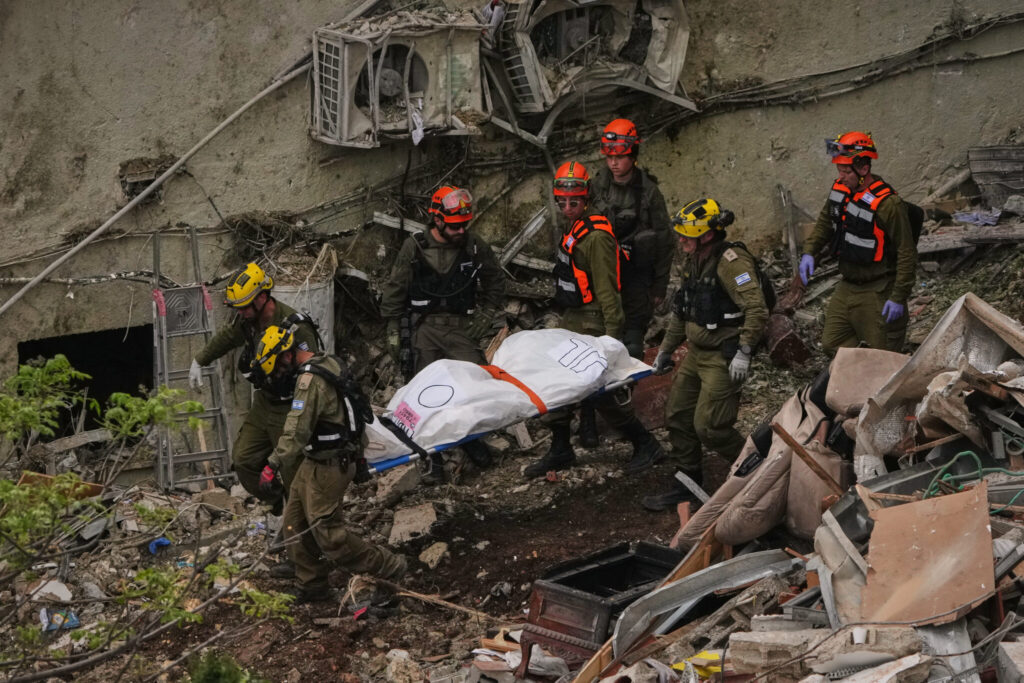
In Israel, Iranian missiles struck the northern city of Haifa, killing four members of the same family when a residential building collapsed.
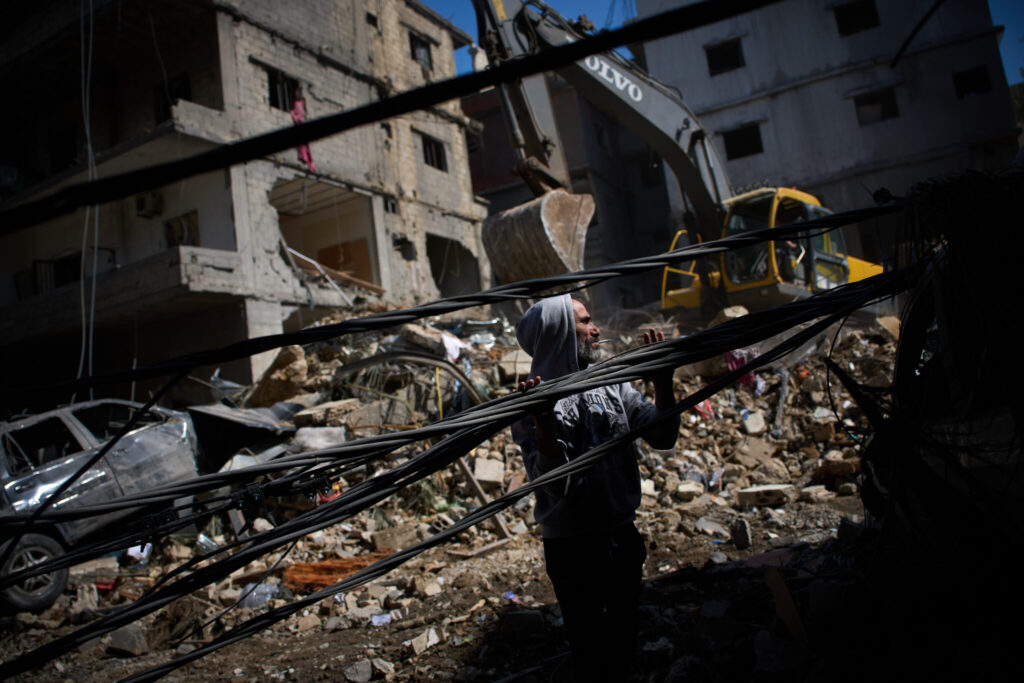
Meanwhile, Israel expanded strikes in Lebanon, where an airstrike killed a Lebanese Forces political figure, his wife, and another woman in the town of Ain Saadeh near Beirut.
The widening conflict has raised fears of a broader regional war.
Oil Prices Surge
The ongoing conflict and Iran’s partial closure of the Strait of Hormuz have driven oil prices sharply higher. Brent crude surged to $109 per barrel in early trading Monday, roughly 50% higher than prices before the war began.
The Strait of Hormuz typically carries about one-fifth of the world’s oil shipments, making disruptions particularly impactful on global markets.
Trump warned that failure to reopen the strait would trigger direct U.S. strikes on Iranian infrastructure.
“Tuesday will be Power Plant Day, and Bridge Day, all wrapped up in one,” Trump said in a social media post.
Former Iranian Foreign Minister Ali Akbar Velayati warned that such strikes could plunge the entire region into darkness.
Iran has allowed limited vessel traffic through the strait, though shipping volume has dropped by more than 90% compared to last year.
Airstrikes Across Iran
Airstrikes across Iran killed more than 25 people Monday, according to Iranian media reports.
A strike near Tehran’s Sharif University of Technology caused heavy smoke near Azadi Square and damaged nearby buildings and gas infrastructure. Iran’s foreign minister described the university as “the MIT of Iran,” emphasizing its strategic importance.
Additional strikes killed:
- 15 people near Eslamshar
- Five in Qom
- Six in other cities
- Three in Tehran residential area
Schools across Iran remain closed, with classes moved online due to the conflict.
Rising Death Toll
The war’s humanitarian toll continues to climb:
- More than 1,900 killed in Iran
- Over 1,400 killed in Lebanon
- More than 1 million displaced in Lebanon
- 23 killed in Israel
- 13 U.S. service members killed
- Dozens killed in Gulf states and West Bank
The growing casualties and economic fallout are increasing pressure on global leaders to secure a ceasefire.
With Trump’s deadline looming and military operations intensifying, the Middle East faces one of its most volatile moments in years, with the potential for further escalation or a fragile diplomatic breakthrough.





You must Register or Login to post a comment.