

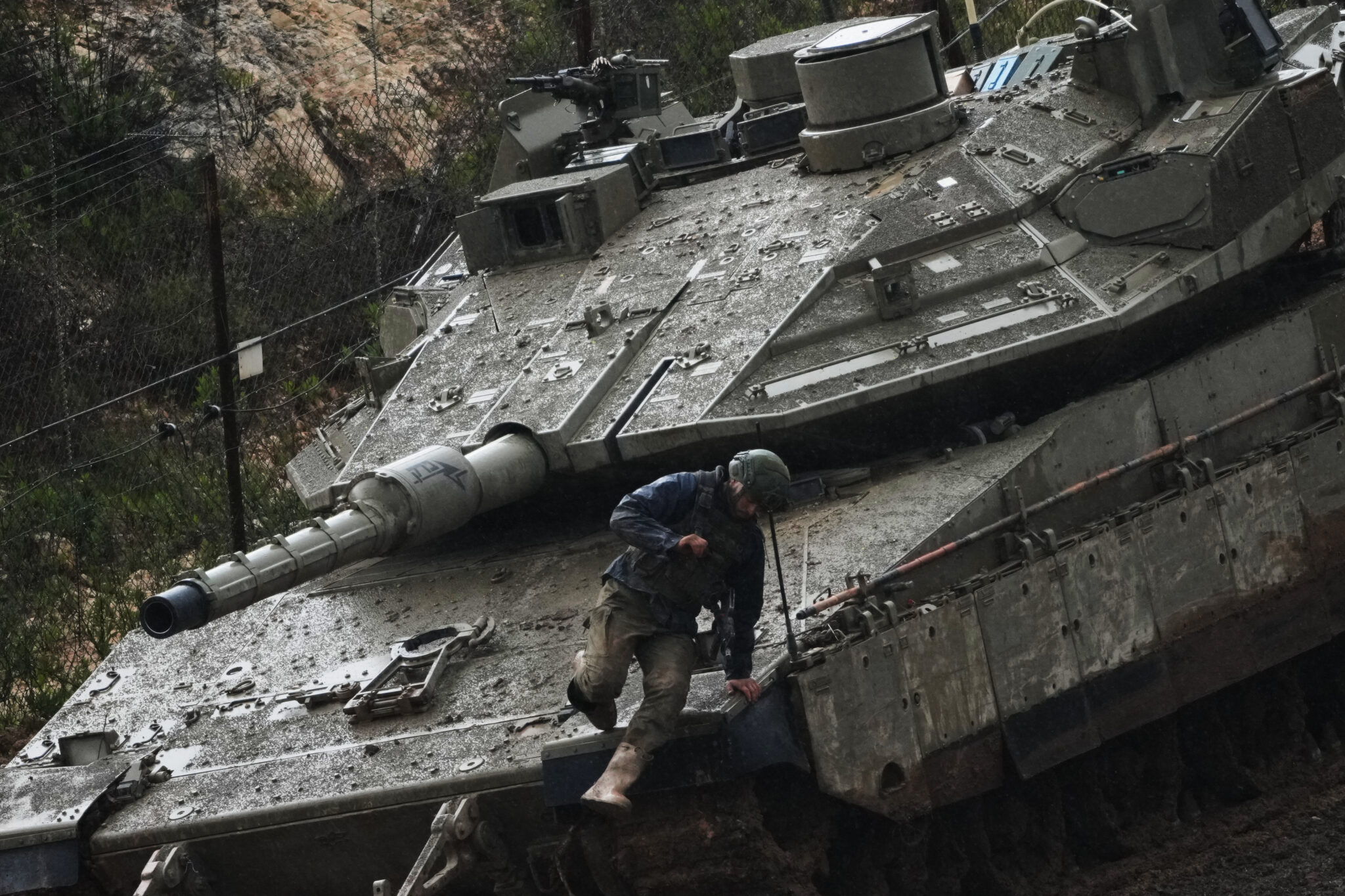
Israel warns of intensified strikes as Iran escalates/ Newslooks/ WASHINGTON/ J. Mansour/ Morning Edition/ Israel signaled a major escalation in attacks as Iran demonstrated extended missile range. Strikes hit key nuclear and military sites while regional tensions spread beyond borders. Global energy risks rise as the conflict enters its fourth week with no clear end.
Israel Iran War Escalation Quick Looks
- Israel warns of significantly increased attacks in coming days
- Iran targets long-range sites, including Diego Garcia base attempt
- Natanz nuclear facility struck again with no radiation leak
- U.S. reinforces region with ships and Marines amid mixed signals
- Iran threatens global tourist and civilian targets
- Oil markets disrupted as Strait of Hormuz pressure continues
- Hezbollah clashes with Israeli forces in southern Lebanon
- Death toll rises across Iran, Israel, Lebanon, and U.S. forces
Deep Look: Israel warns of intensified strikes as Iran escalates
The conflict between Israel and Iran intensified further as both sides signaled no immediate path toward de-escalation, with new developments highlighting the war’s growing geographic and strategic reach.
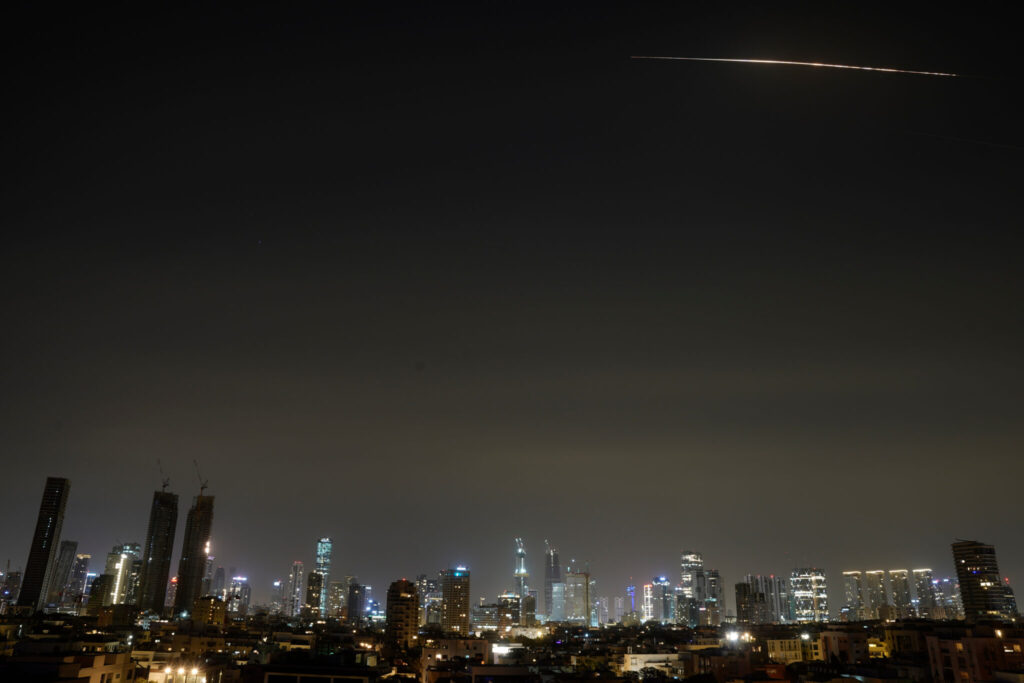
Israel’s defense leadership warned that military operations against Iran would sharply escalate in the coming days. The announcement came as the war entered its fourth week, with sustained airstrikes reported in and around Iran’s capital and continued missile exchanges across the region.
Iran demonstrated an apparent expansion in its military capabilities by attempting to strike a joint U.K.-U.S. military base on Diego Garcia, located deep in the Indian Ocean. The attempted strike suggested Tehran possesses longer-range missile capabilities than previously disclosed. British officials condemned the move, calling it a threat to allied security interests, though details of the attack remain limited.
Meanwhile, another strike hit Iran’s Natanz nuclear enrichment facility, a critical site in the country’s nuclear program. Iranian officials said there was no radiation leak, and international monitors confirmed no immediate off-site danger. The facility has been repeatedly targeted since the conflict began, underscoring its strategic importance.
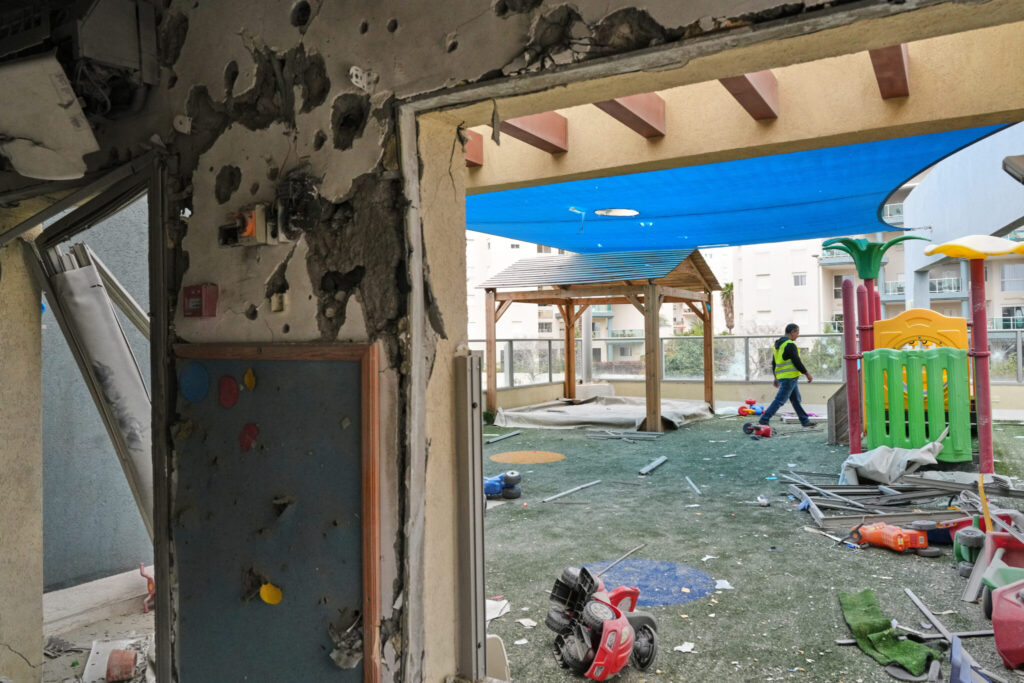
Inside Israel, debris from an Iranian missile struck a kindergarten near Tel Aviv, though the building was empty and no casualties were reported. The incident illustrated the continued risks to civilian areas despite ongoing defensive measures.
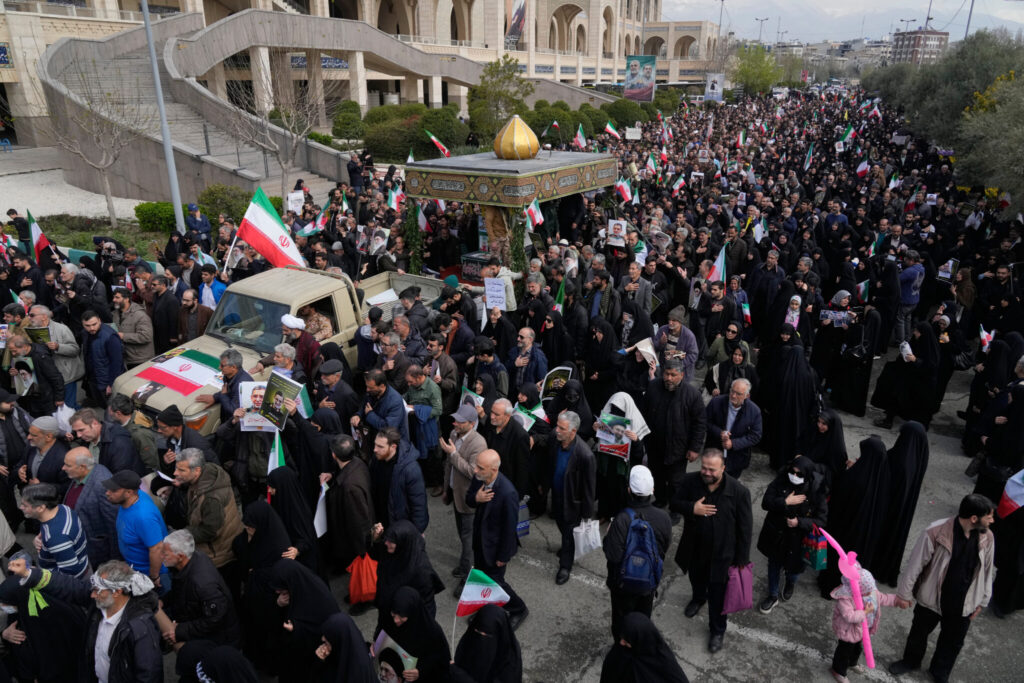
Despite mounting hostilities, Iran’s foreign minister stated that the country seeks a complete and lasting end to the war rather than a temporary ceasefire, suggesting Tehran is positioning itself for a broader diplomatic resolution even as fighting continues.
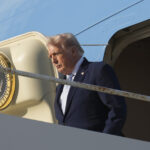
In Washington, President Donald Trump offered mixed signals about U.S. involvement. He indicated that he is considering winding down operations, yet his administration is simultaneously increasing military presence in the region. The U.S. has deployed additional amphibious warships and approximately 2,500 Marines, reinforcing its strategic posture amid escalating tensions.
The administration also moved to ease some economic pressure by temporarily lifting sanctions on certain Iranian oil shipments already at sea. However, the measure is limited in scope and unlikely to significantly boost global supply or stabilize rising fuel prices.
Regional tensions extended beyond Israel and Iran. Saudi Arabia reported intercepting dozens of drones targeting key oil infrastructure, while Gulf states remain on high alert for further attacks. Iran’s actions continue to disrupt energy flows, particularly through the Strait of Hormuz, a vital corridor for global oil shipments.
Iran’s military leadership has also issued stark warnings, suggesting that tourist destinations and civilian sites worldwide could become targets. Such rhetoric has raised concerns about a potential expansion of the conflict beyond the Middle East.
At the political level, Iran’s supreme leader released a rare public message praising the resilience of the Iranian people. He has remained largely out of public view since assuming power following the death of his predecessor earlier in the war.
The conflict has also spread into neighboring Lebanon, where Israeli forces conducted targeted ground operations against Hezbollah militants. Clashes have intensified along the southern border, adding another volatile front to the war.
Human and economic costs continue to mount. More than 1,300 people have been killed in Iran, while casualties in Israel, Lebanon, and among U.S. forces are also rising. Displacement in Lebanon has surpassed one million people, reflecting the broader humanitarian impact.
At the same time, the global economy is feeling the strain. Disruptions to oil supply chains and rising energy prices are driving up costs worldwide, affecting everything from fuel to food.
As the conflict deepens, both military escalation and diplomatic uncertainty are shaping a volatile landscape. With no clear resolution in sight, the war is increasingly defined by its widening scope, rising risks, and far-reaching consequences for regional and global stability.




You must Register or Login to post a comment.