

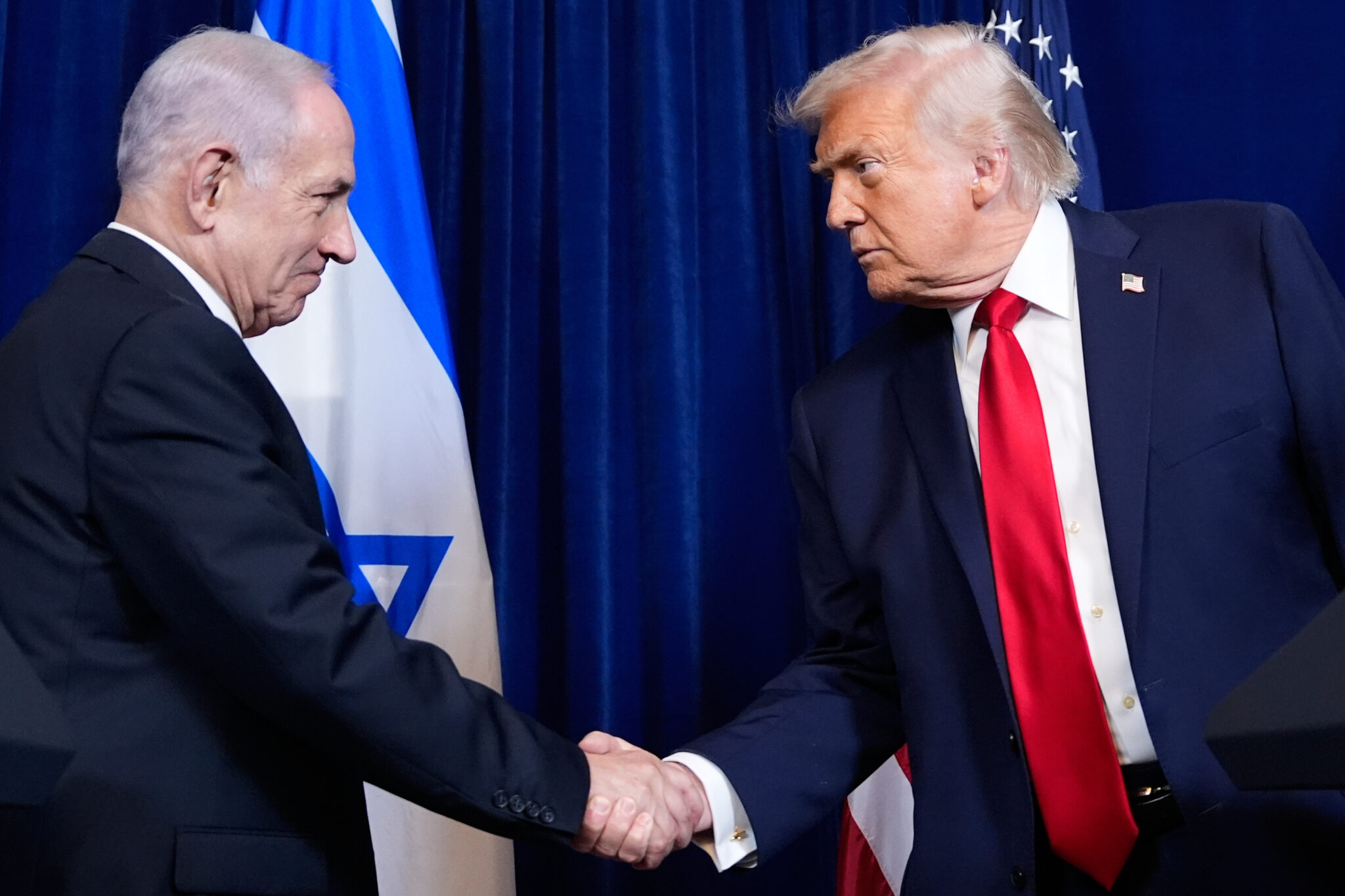
Israel’s Iran War Tests Netanyahu–Trump Alliance/ Newslooks/ WASHINGTON/ J. Mansour/ Morning Edition/ Israeli Prime Minister Benjamin Netanyahu has drawn the United States into a joint war against Iran, betting that American support will hold. While the alliance with President Donald Trump appears strong, prolonged conflict could strain public opinion in the U.S. The war’s outcome may shape Israel’s regional security — and Netanyahu’s political future.
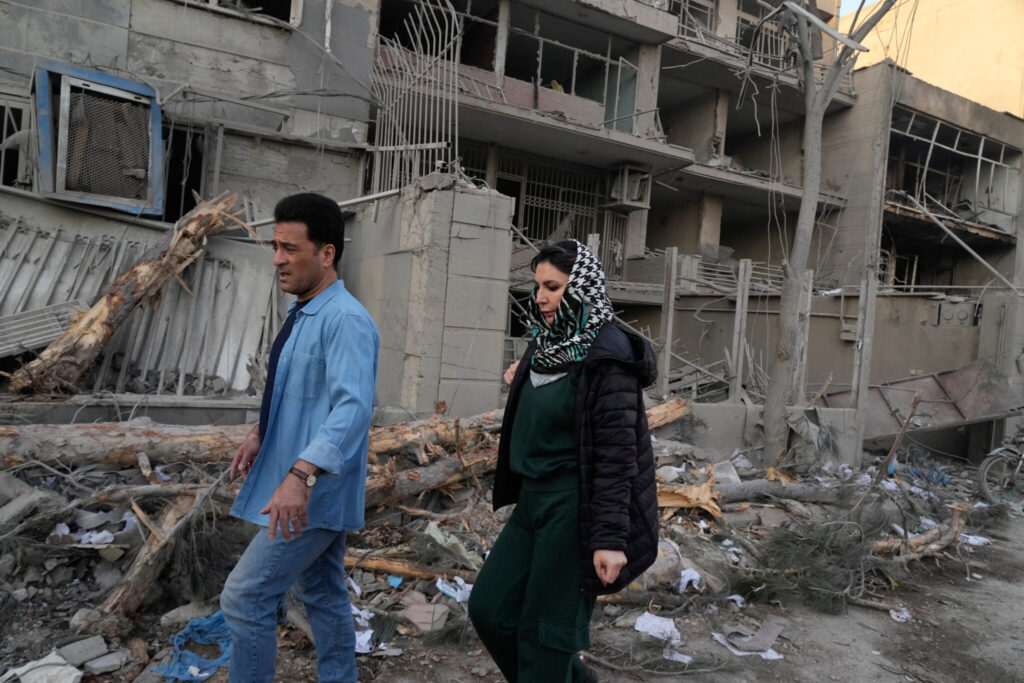
Netanyahu Gambles on U.S. Backing in Iran War Quick Looks
- Netanyahu ties Israel’s fate to U.S. support
- Joint U.S.-Israel strikes target Iranian leadership
- American public opinion on Israel shifting
- Oil prices and casualties impact U.S. voters
- Questions linger about regime change strategy
- War could test long-term U.S.-Israel alliance
- Israeli elections loom this fall
- Trump seen as key decision-maker on escalation

Deep Look
Netanyahu Takes a Calculated Risk on American Support in War With Iran
For decades, Israeli Prime Minister Benjamin Netanyahu has built his foreign policy around two core pillars: an unwavering alliance with the United States and a sustained campaign to confront Iran’s leadership.
Now, with Israel and the U.S. fighting side by side against Iran, those pillars are intersecting in ways that could either cement Netanyahu’s legacy — or strain Israel’s most important international relationship.
By persuading President Donald Trump to join a direct military campaign against Iran, Netanyahu achieved a long-sought objective: transforming Israel’s shadow conflict with Tehran into an overt joint operation with Washington. But that victory carries political and diplomatic risks.
If the campaign succeeds swiftly, Netanyahu and Trump could reshape the region and weaken Iran’s leadership. If it drags on, the partnership could face turbulence — particularly from American public opinion.
A Historic Alignment With Washington
Netanyahu has long positioned himself as Israel’s bridge to Washington. Fluent in English and educated in part in the United States, he has cultivated relationships across multiple U.S. administrations during his lengthy tenure as Israel’s prime minister.
Convincing Trump to join the war represents a high point in that relationship. Netanyahu described U.S. involvement as enabling him to pursue what he has sought for decades: delivering a decisive blow to Iran’s leadership.
Yet American attitudes toward Israel have shifted in recent years. Polling has shown a growing divide, particularly among Democrats, whose sympathies have increasingly leaned toward Palestinians amid the prolonged conflict in Gaza following the October 2023 Hamas attacks.
Even some Republican voters — including members of Trump’s political base — have expressed skepticism about sustained U.S. financial and diplomatic support for Israel.
A prolonged war with Iran could intensify that debate.
Public Opinion: A Key Variable
Analysts warn that if Americans begin to perceive the war as driven primarily by Israeli interests, support could erode.
Ofer Shelah, a research fellow at the Institute for National Security Studies in Tel Aviv, said that some Americans may view the conflict as Israel drawing the United States into a Middle East war.
Such perceptions, he warned, could damage Israel’s standing in the medium to long term — even if short-term military objectives are achieved.
Netanyahu’s critics argue that while he is focused on immediate strategic gains, the long-term diplomatic cost could be significant.
War’s Ripple Effects Reach U.S. Soil
The conflict has already had tangible consequences beyond the battlefield.
At least six American service members have been killed. Air travel disruptions have stranded hundreds of thousands of passengers. Oil prices have surged, raising concerns about higher gasoline and consumer costs in the United States at a time when inflation remains a sensitive political issue.
The broader strategic picture also remains uncertain. Airstrikes have targeted Iranian leadership and military infrastructure, but it is unclear whether military pressure alone can bring about lasting political change in Tehran — or what might replace the current leadership if it falls.
Each day introduces new risks of escalation.
Political Stakes in Israel
Domestically, Netanyahu may see political upside.
With Israeli elections scheduled for the fall, the prime minister faces scrutiny over the October 7 attacks, widely viewed as one of the country’s gravest security failures. A decisive campaign against Iran could reframe his leadership as bold and resolute.
Aaron David Miller, a longtime U.S. Middle East adviser under both Democratic and Republican administrations, suggested that Netanyahu may have little to lose politically in the short term.
If the war falters, however, Trump retains the ability to recalibrate U.S. involvement — a power dynamic that ultimately leaves Washington in control of escalation or de-escalation.
“If Trump feels it’s going south, he’ll find a way to de-escalate,” Miller said.
A Defining Gamble
Netanyahu’s decision to align Israel’s campaign against Iran directly with U.S. military power marks a defining moment in his political career.
Success could validate his decades-long warnings about Iran and solidify his standing at home and abroad. Failure — or prolonged instability — could test the resilience of the U.S.-Israel relationship at a time when public opinion in America is already shifting.
As the war continues, the gamble rests not only on battlefield outcomes but also on whether American political support remains as steadfast as the military alliance itself.






You must Register or Login to post a comment.