

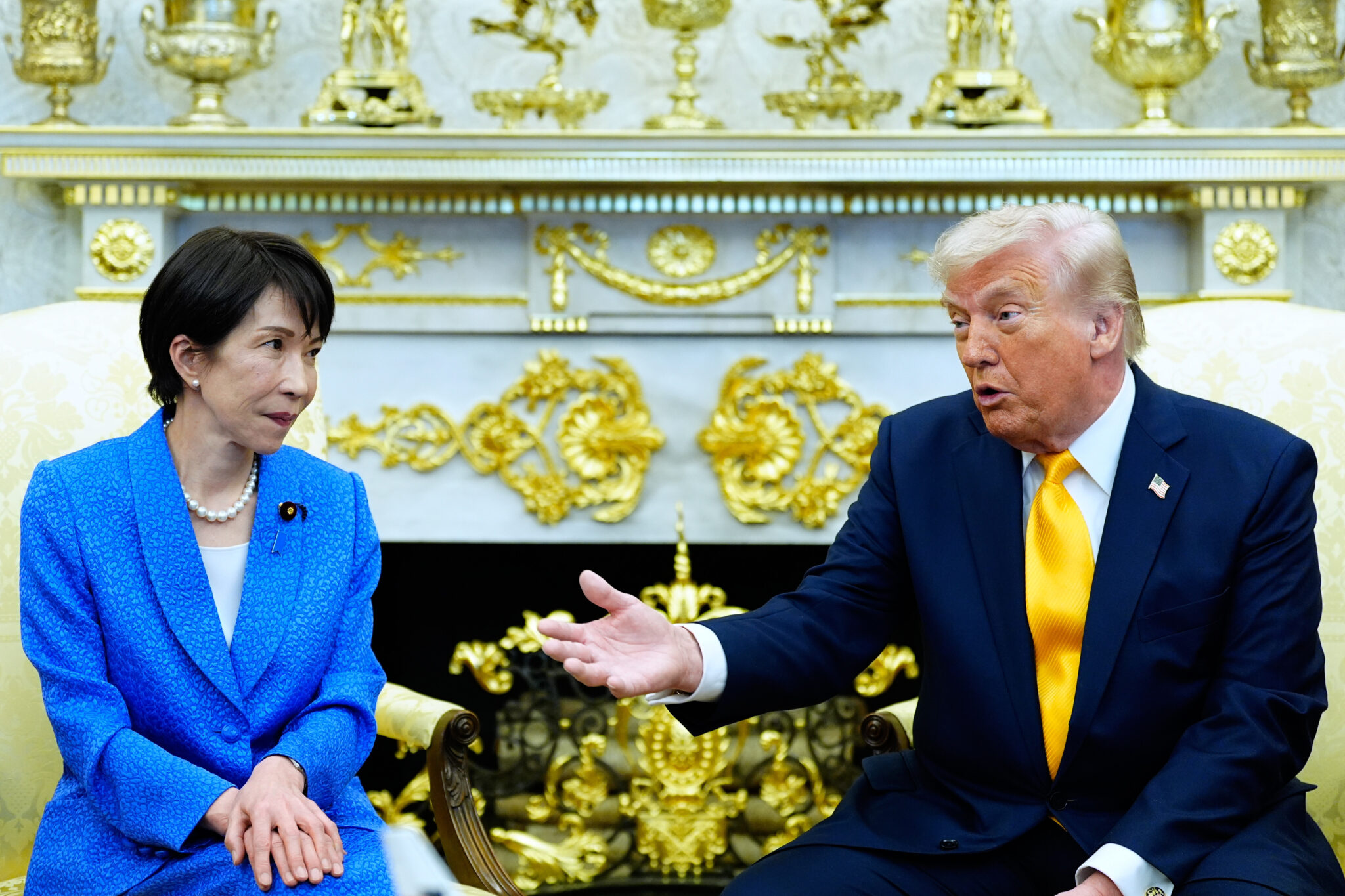
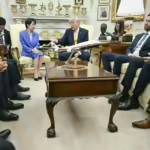
Japan’s Takaichi Reaffirms Trump Alliance Amid Hormuz Security Pressure/ Newslooks/ WASHINGTON/ J. Mansour/ Morning Edition/ Japanese Prime Minister Sanae Takaichi met President Donald Trump as Washington pressed allies to help secure the Strait of Hormuz. The meeting became more urgent after the Iran war disrupted energy markets and delayed Trump’s planned trip to China. Takaichi used the visit to reaffirm the U.S.-Japan alliance while navigating Japan’s legal and political limits on military involvement.
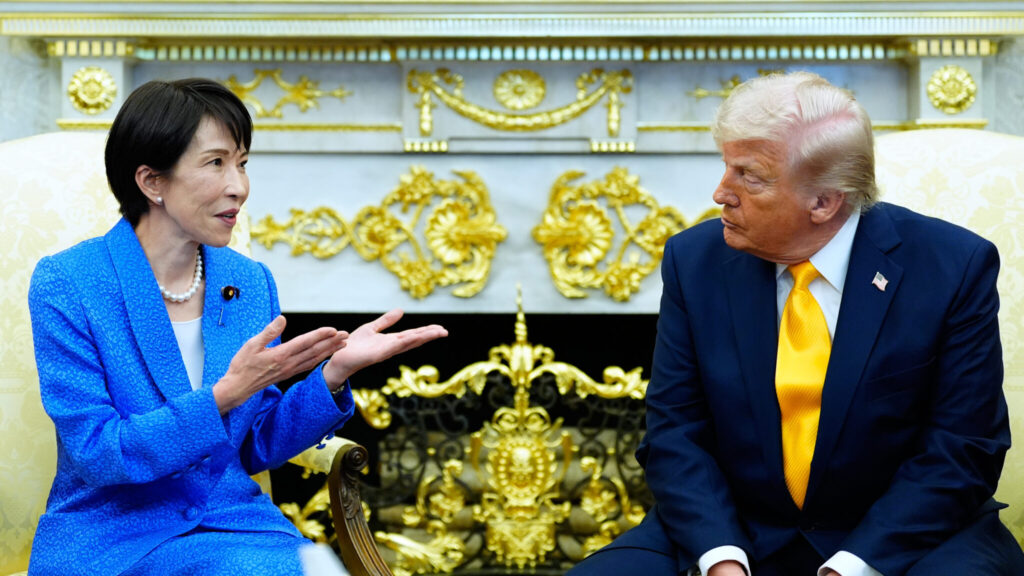
Trump Japan Hormuz talks Quick Looks
- Takaichi visited the White House to reaffirm Japan’s alliance with the United States.
- Trump said Japan was really stepping up on Iran-related support.
- The two leaders were expected to discuss Japan’s level of support for the U.S. in the Iran war.
- Japan had earlier said it was not planning a Strait of Hormuz escort mission.
- Tokyo faces constitutional limits because Japan’s military role is restricted to self-defense.
- A $40 billion U.S.-Japan small modular reactor deal was expected to be announced around the visit.
- Japan also joined a joint statement with European countries condemning attacks in the Strait of Hormuz.
- The talks carried wider implications for Taiwan, China, energy security, and the U.S. Indo-Pacific posture.
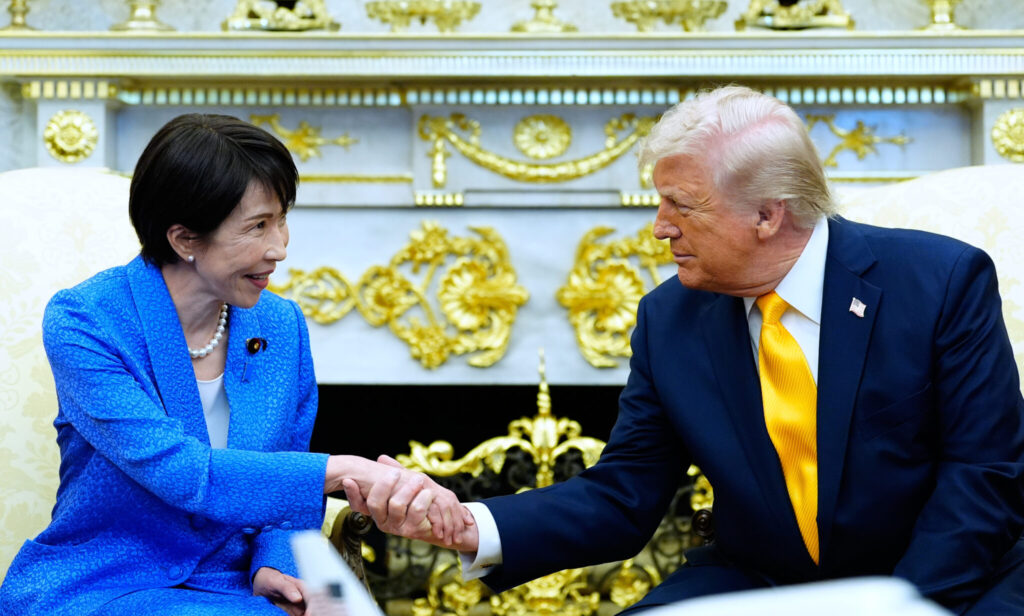
Deep Look: Japan’s Takaichi Reaffirms Trump Alliance Amid Hormuz Security Pressure
Japanese Prime Minister Sanae Takaichi came to Washington trying to reinforce one of Japan’s most important strategic relationships at a moment when the alliance is being tested by events far from East Asia. Her White House meeting with President Donald Trump, originally expected to center on trade, energy, and Indo-Pacific security, was overtaken by the war with Iran and Trump’s public frustration that allies such as Japan had not joined his push to help secure the Strait of Hormuz.
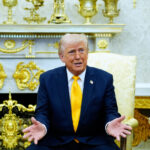
Takaichi used the opening moments of the visit to make a direct appeal to Trump’s sense of leadership, telling him she believed he could achieve peace around the world even as the conflict with Iran deepened. Trump responded warmly in public, calling her a powerful and popular leader, and said the two would discuss Japan’s level of support for the U.S. in the Iran war. He did not publicly explain exactly what that support might include.
The diplomatic challenge for Japan is clear. Tokyo depends heavily on energy flows from the Middle East, so instability in the Strait of Hormuz is a direct economic concern. At the same time, Japan’s postwar legal framework sharply limits the use of military force outside defending its own territory. Japan has said it was not planning an escort mission in the strait and was still considering what independent actions might be possible within legal and constitutional constraints. That leaves Tokyo trying to show solidarity with Washington without crossing domestic political red lines.
That balancing act helps explain why the visit carried such high stakes. Analysts said Takaichi would likely want to leave Washington looking like a partner in the Middle East effort, because doing so could help win Trump’s attention on issues Japan sees as even more vital, especially China and Taiwan. There is also concern in Tokyo that U.S. troop shifts from Japan to the Middle East could weaken deterrence in East Asia at a time when China is increasing pressure around Taiwan.
The meeting also had an economic component that may help both sides claim progress. The two governments were expected to announce a $40 billion nuclear reactor agreement involving GE Vernova and Hitachi to build advanced small modular reactors in Tennessee and Alabama. That kind of deal fits neatly into the alliance message Takaichi wanted to emphasize: not just military alignment, but joint work on energy security, industry, and long-term strategic cooperation.
At the same time, Japan has been trying to show it is not standing entirely apart from Western efforts tied to Hormuz. Tokyo joined Britain, France, Germany, Italy, and the Netherlands in a joint statement condemning attacks on civilian shipping and infrastructure and expressing support for efforts to secure maritime passage. That falls short of a direct military deployment, but it signals that Japan is moving diplomatically to align itself more visibly with U.S. and European concerns.
Takaichi’s broader strategic agenda remains centered on the Indo-Pacific. She came into office with a strong focus on trade, supply chains, critical minerals, energy cooperation, and countering China’s growing power. Separate friction ahead of the summit over a U.S. intelligence assessment describing a significant Japanese shift on Taiwan policy also showed how closely Washington is watching Japan’s security posture beyond the Middle East crisis.
The result is a meeting shaped by overlapping theaters of pressure. Trump wants allies to help protect a crucial shipping lane during a war that is rattling global markets. Takaichi wants to preserve Japan’s ties with Washington, avoid overcommitting militarily in the Gulf, and keep U.S. focus on East Asia. Her challenge is to persuade Trump that Japan is a useful and loyal partner even if it cannot respond in the exact way he demands. Based on the tone of their public remarks and the diplomatic gestures around the visit, she appears to be trying to do that through political support, strategic messaging, and economic cooperation rather than through a dramatic military pledge.
You must Register or Login to post a comment.