

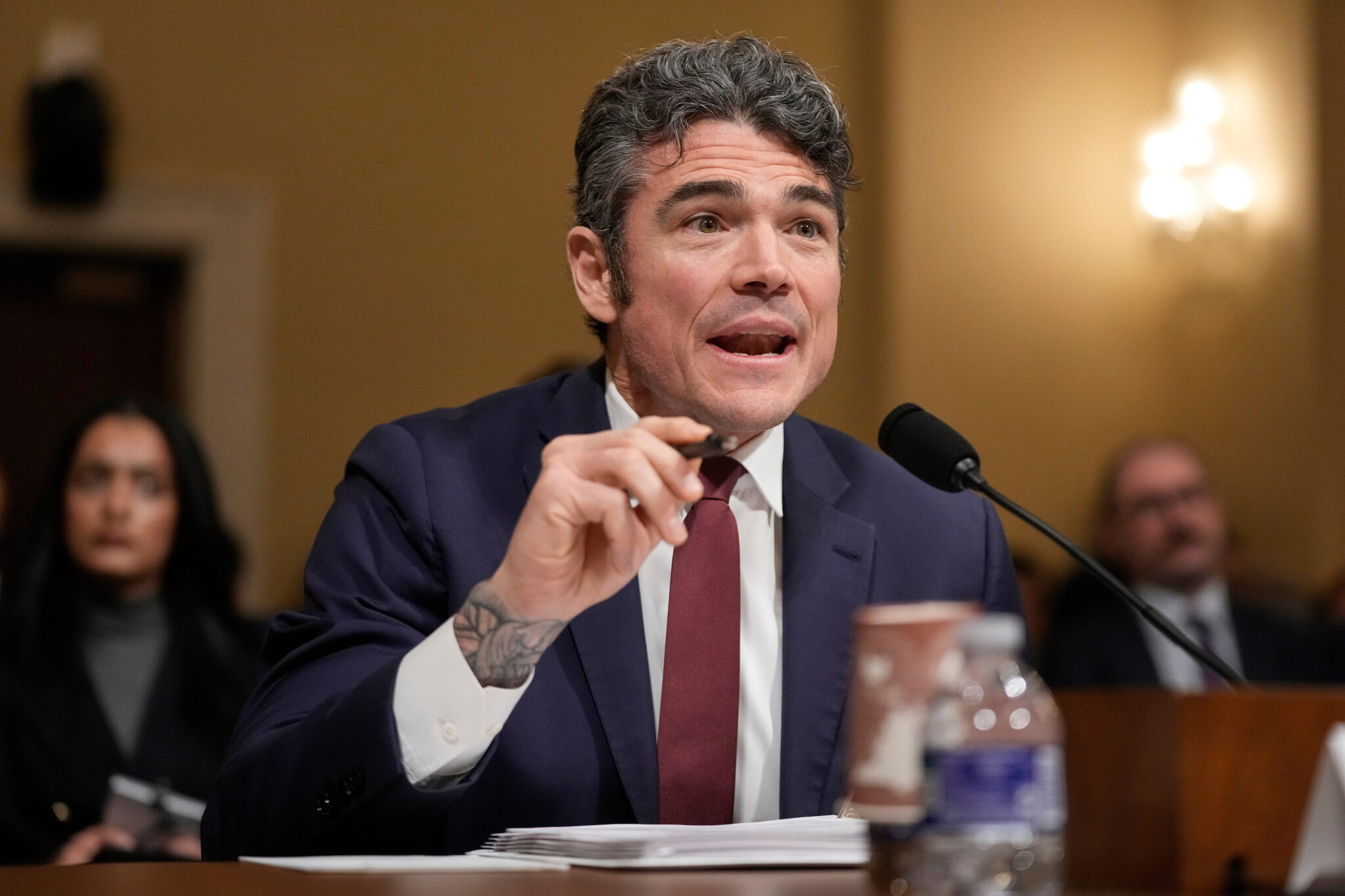
Joe Kent Resignation Fuels Israel Influence Debate/ Newslooks/ WASHINGTON/ J. Mansour/ Morning Edition/ Joe Kent’s resignation over the Iran war has intensified Republican divisions over Israel and U.S. foreign policy. His remarks and subsequent media appearance also revived concerns about antisemitic rhetoric on the political right. The fallout is widening debate over Israeli influence, MAGA media, and the future of GOP support for Israel.
Joe Kent resignation Quick Looks
- Joe Kent resigned from the Trump administration over the Iran war.
- He appeared on Tucker Carlson’s podcast shortly afterward.
- Kent argued that Israel pushed the United States toward military action.
- The interview then moved into territory that critics said echoed conspiracy thinking.
- Republican and Democratic figures condemned Kent’s language as antisemitic.
- The controversy highlights deeper fractures inside the Republican Party over Israel.
- Tucker Carlson remains a central figure in both anti-war and anti-establishment conservative media.
- Right-wing media personalities continue to clash over Israel, antisemitism, and the Iran conflict.
Deep Look: Joe Kent Resignation Fuels Israel Influence Debate
Joe Kent’s resignation from the Trump administration over the Iran war has opened a wider and more combustible debate inside conservative politics, one that goes beyond foreign policy and into the dangerous territory of antisemitic rhetoric and conspiracy thinking.
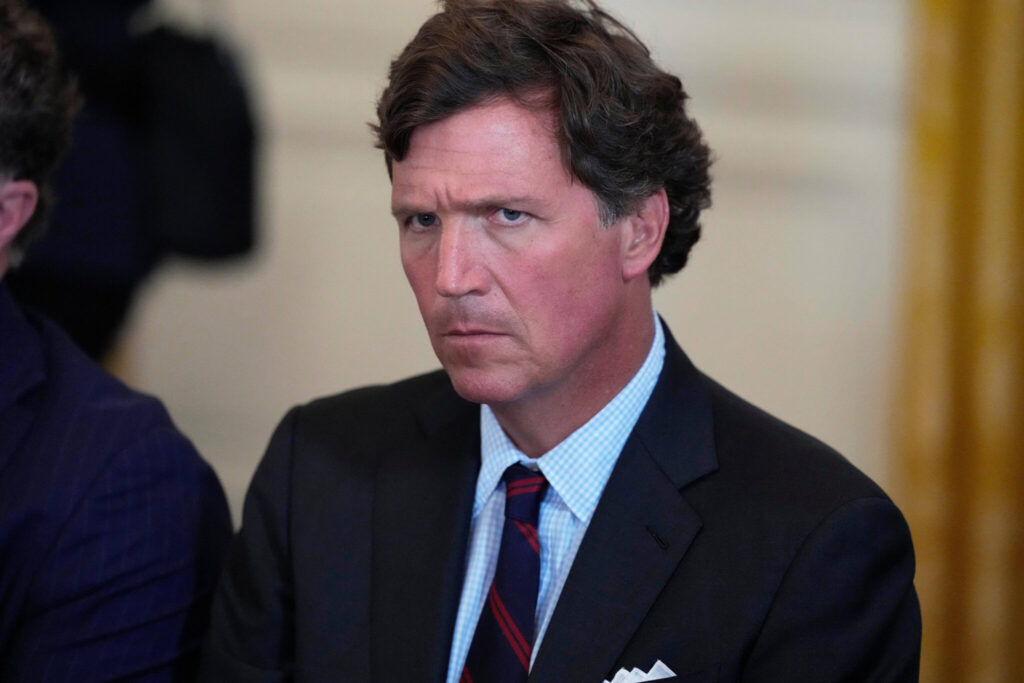
Kent, who stepped down from his counterterrorism post in protest of the administration’s war policy, quickly turned to one of the most influential anti-interventionist voices on the right: Tucker Carlson. That appearance was politically predictable. Carlson has been among the loudest conservative critics of the conflict, and Kent used the interview to argue that Israel had driven the American decision to take military action against Iran.
What made the interview far more controversial was where it went next. The discussion moved beyond criticism of Israeli policy and toward broader insinuations that critics say resemble long-standing antisemitic tropes about hidden influence and manipulation. Kent’s remarks, coupled with his earlier resignation message, intensified concerns that legitimate disagreement over foreign policy was being mixed with darker narratives about Jews, Israel, and power.
That distinction has become central to the reaction. There is a real and growing debate within the Republican Party over the United States’ relationship with Israel, the costs of military escalation in the Middle East, and whether Washington is too easily drawn into regional conflict. That debate is not confined to the political right. Questions about Israeli policy and U.S. alignment with it have also fueled fierce disputes on the left, especially since the Gaza war began in 2023.
But in Kent’s case, critics argue the issue is not simply opposition to war or skepticism of Israeli leadership. They say his comments crossed into a pattern that echoes antisemitic conspiracy claims, particularly when blame shifts from specific policy actors to vague suggestions about coordinated influence by Israeli officials and media figures. Once the language moves in that direction, the conversation stops being only about strategy and starts raising alarms about prejudice.
Several prominent political figures responded forcefully. Some Republicans denounced Kent’s statements as plainly antisemitic, while Democrats accused him of scapegoating Israel in ways that recycle deeply familiar and harmful narratives. The reaction showed that even in an intensely polarized environment, there remains a red line for many lawmakers when criticism of Israel starts to sound like a broader indictment rooted in ethnic or religious suspicion.
Tucker Carlson’s role in all of this is significant. He remains one of the most influential figures in conservative media, especially among audiences skeptical of foreign intervention and establishment power. At the same time, he has repeatedly drawn criticism for giving a platform to voices associated with extremism and antisemitism. Because of that history, Kent’s appearance on Carlson’s show was never likely to be treated as a routine policy conversation. It instead became part of a larger pattern critics say has normalized fringe narratives within mainstream right-wing discourse.
The controversy also reveals how much Republican unity on Israel has weakened. For years, support for Israel was one of the most stable pillars of conservative foreign policy. That is no longer the case. A growing anti-interventionist wing on the right sees Middle East conflicts as costly entanglements and views strong pro-Israel voices in Washington and media as too influential in shaping U.S. policy. Others within the party continue to see Israel as a crucial ally and view any drift toward conspiratorial framing as both morally dangerous and politically unacceptable.
This divide is especially visible in conservative media. Personalities such as Ben Shapiro, Mark Levin, Megyn Kelly, Candace Owens, and Tucker Carlson have all represented different points in the argument, and the clashes between them have become increasingly sharp. The result is not just a policy disagreement, but a struggle over who defines the ideological boundaries of the right and what kind of rhetoric will be tolerated in that fight.
Kent’s resignation therefore matters for two reasons at once. First, it highlights how deeply the Iran war has fractured the Trump coalition and the broader conservative movement. Second, it shows how quickly debates about Israel can slide from geopolitics into narratives that trigger longstanding fears about antisemitism. That overlap is what makes the episode so volatile.
For Republicans, the challenge now is not only deciding where the party stands on Iran or Israel. It is also deciding whether criticism of U.S. foreign policy can remain grounded in facts and strategy without becoming a vehicle for conspiracy theories or ethnic scapegoating. Kent’s departure has forced that question into the open, and the answer could shape both the GOP’s foreign policy identity and the tone of right-wing media for a long time.





You must Register or Login to post a comment.