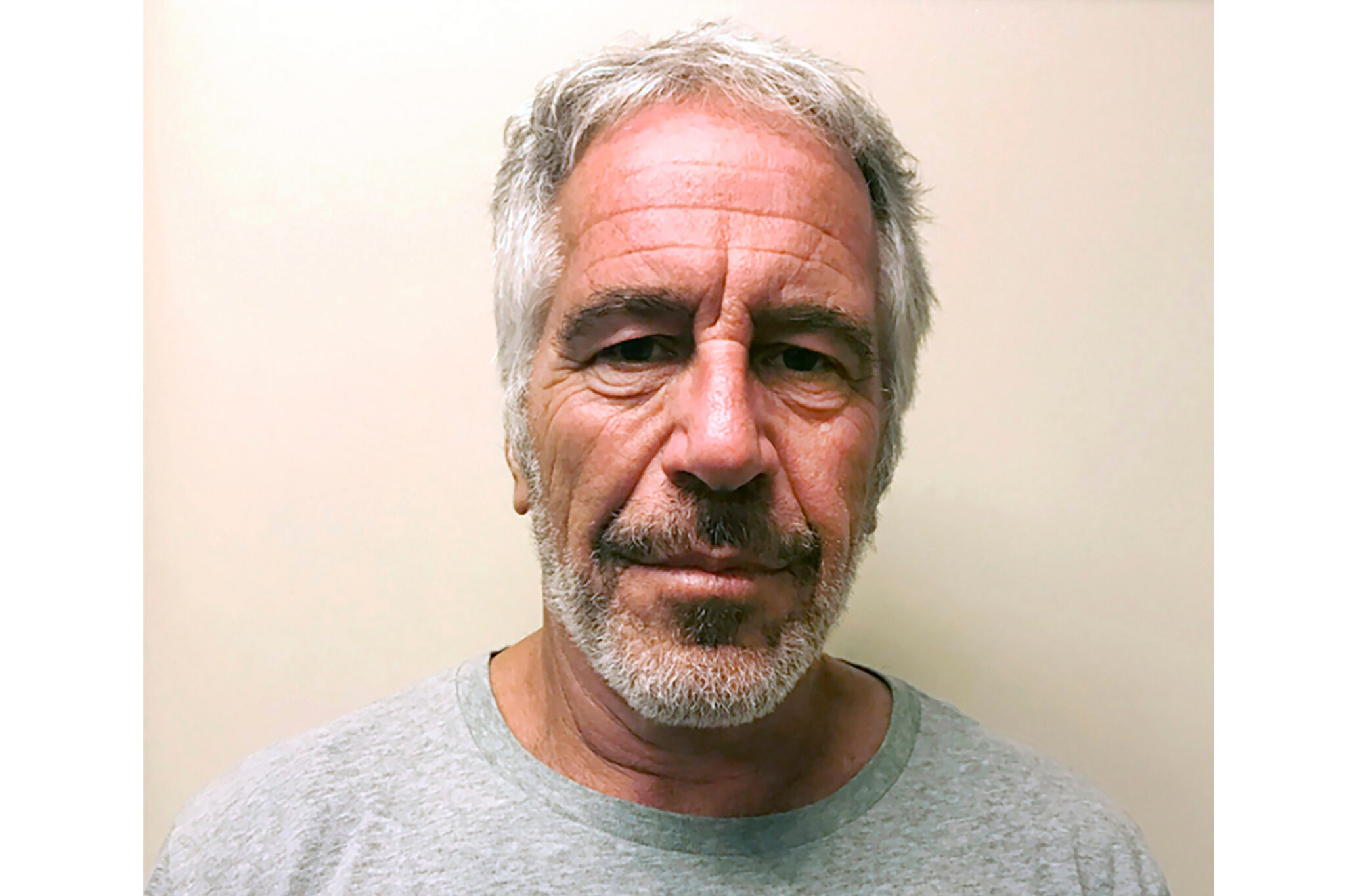
Judge Allows Unsealing of Epstein Grand Jury Records/ Newslooks/ WASHINGTON/ J. Mansour/ Morning Edition/ A federal judge has ruled that grand jury transcripts from Jeffrey Epstein’s 2019 sex trafficking case can be made public. The decision follows new federal legislation mandating disclosure of Epstein-related materials. The Justice Department is required to release the records by December 19, with victim identities protected.
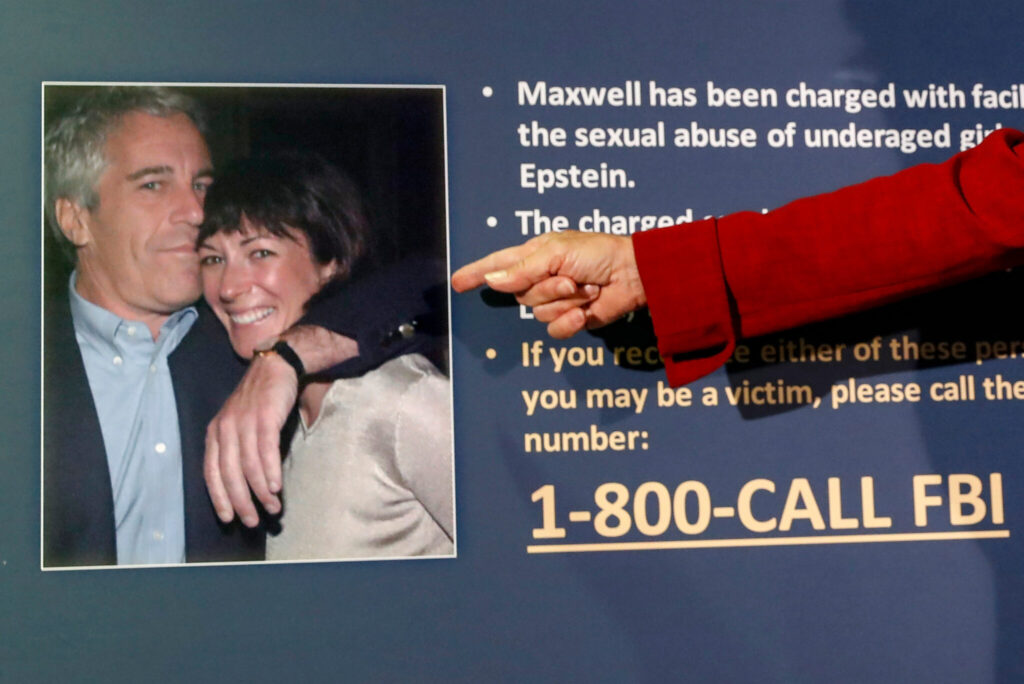
Epstein Records Unsealing Quick Looks:
- Judge Berman authorizes release of Epstein grand jury transcripts.
- New law requires DOJ to disclose Epstein-related materials by Dec. 19.
- Ruling follows similar decisions in Ghislaine Maxwell and Florida cases.
- DOJ confirms only witness was an FBI agent presenting hearsay evidence.
- Privacy protections ordered to shield victim identities in released files.
- Epstein was indicted on July 2, 2019, then died by suicide weeks later.
- Maxwell was convicted in 2021; serving a 20-year sentence.
- Epstein Files Transparency Act signed into law by President Trump.
- Epstein estate did not oppose unsealing; victims’ rights remain central.
- Public pressure on DOJ and Trump continues to grow in second term.
Deep Look
Judge Approves Public Release of 2019 Jeffrey Epstein Grand Jury Transcripts
NEW YORK — A federal judge ruled Wednesday that sealed grand jury materials from Jeffrey Epstein’s 2019 sex trafficking case can be made public, marking another significant step toward transparency in the long-shrouded federal investigations into the late financier and convicted sex offender.
U.S. District Judge Richard M. Berman, reversing a prior decision to keep the records sealed, cited new federal legislation passed by Congress and signed into law last month by President Donald Trump. The measure, known as the Epstein Files Transparency Act, requires the Justice Department to release Epstein-related records by December 19.
In his ruling, Judge Berman wrote that the law “unequivocally intends to make public Epstein grand jury materials and discovery materials,” even if such materials were previously protected by standard grand jury confidentiality.
Scope of the Released Materials
The ruling allows for the release of approximately 70 pages of grand jury content, including testimony and exhibits from the 2019 indictment process that led to Epstein’s arrest.
According to court filings, the only witness who testified before the grand jury was an FBI agent, who offered largely secondhand, hearsay evidence. The rest of the presentation included a PowerPoint slideshow and a call log. The two-day testimony occurred on June 18 and July 2, 2019—the latter date ending with Epstein’s indictment.
Judge Berman noted that the content is unlikely to contain major revelations, calling the materials “merely a hearsay snippet” of Epstein’s broader conduct.
Justice Department and Victim Protections
The Justice Department had requested the lifting of secrecy orders, citing the newly passed transparency law. Judge Berman emphasized that the DOJ must ensure victims’ names and identifying information are redacted, stating that privacy protections are “paramount.”
The Epstein estate informed the court that it would not oppose the Justice Department’s unsealing efforts.
The judge’s ruling follows two recent federal decisions also supporting transparency in Epstein-related cases. On Tuesday, another judge in Manhattan approved the release of records from Ghislaine Maxwell’s 2021 sex trafficking trial. And last week, a Florida judge permitted the unsealing of grand jury transcripts from an abandoned federal probe into Epstein from the early 2000s.
Political Pressure Mounts in Trump’s Second Term
Public scrutiny over Epstein’s government files has intensified during Trump’s second term, particularly after the president walked back a campaign promise to release all Epstein-related documents. While some documents were released, critics argue that most had already been made public or offered little new information.
By mandating the release of these records through new legislation, lawmakers have forced the Justice Department’s hand—and kept pressure on the administration to deliver more transparency on one of the nation’s most controversial criminal cases.
Epstein and Maxwell: A Legal Legacy
Jeffrey Epstein, a wealthy financier and convicted sex offender, was arrested in July 2019 on federal charges of sex trafficking minors. He died by suicide in his Manhattan jail cell a month later while awaiting trial—a conclusion that fueled widespread conspiracy theories due to Epstein’s powerful social circle, which included politicians, celebrities, and business leaders.
Ghislaine Maxwell, his longtime associate, was convicted in 2021 for aiding Epstein in recruiting and sexually abusing underage girls. She is currently serving a 20-year prison sentence. Her legal team recently argued against unsealing records from her case, citing plans to file a habeas petition in an effort to overturn her conviction. The U.S. Supreme Court declined to hear her initial appeal earlier this year.
With the deadline for public disclosure fast approaching, the Justice Department is expected to begin releasing the newly unsealed records in the coming days. The focus will now turn to how much new information is revealed—and whether the documents prompt further legal or political action.