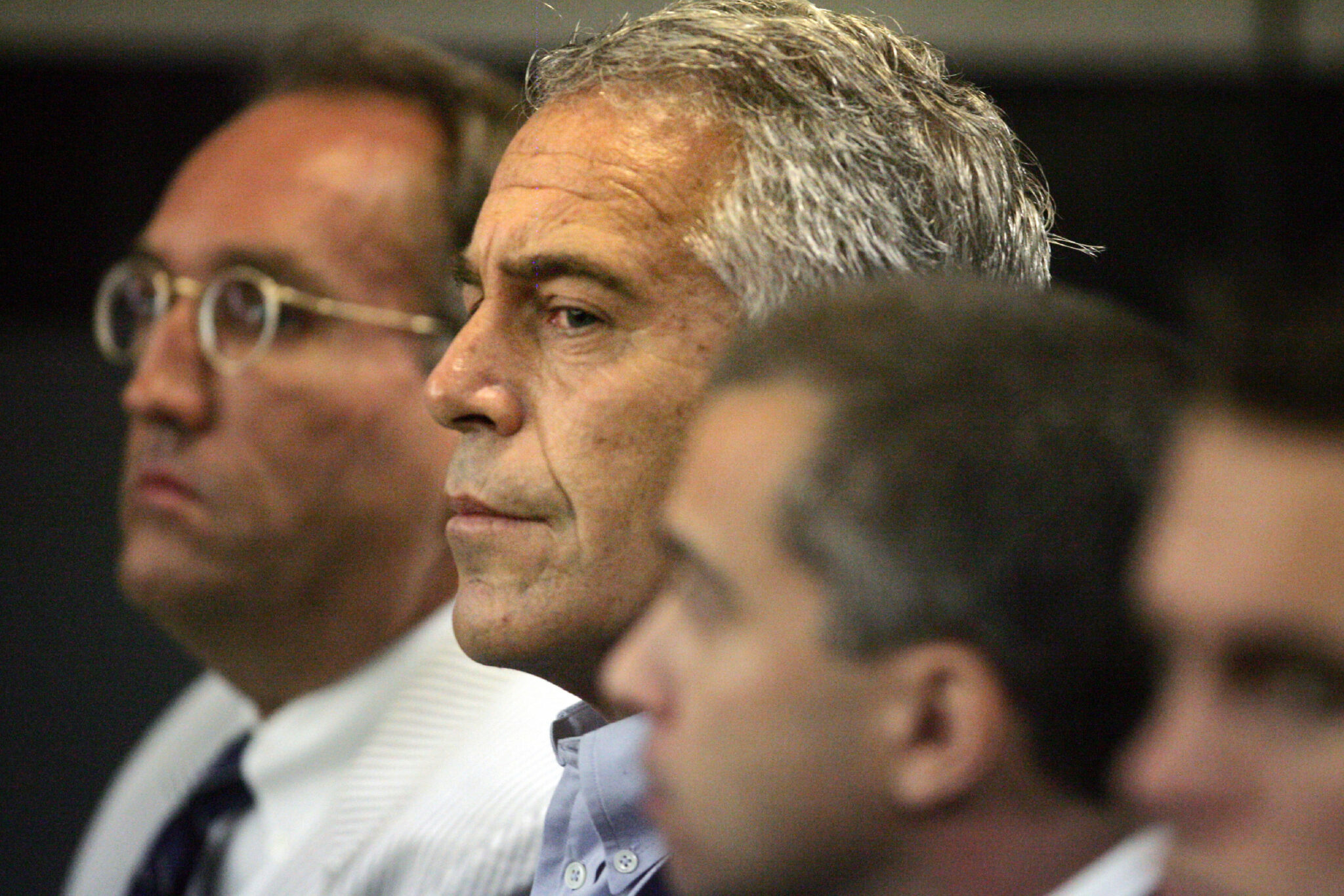
Judge Approves Release of Epstein Grand Jury Transcripts/ Newslooks/ WASHINGTON/ J. Mansour/ Morning Edition/ A federal judge has ruled that the Justice Department may release grand jury transcripts from a 2000s-era federal investigation into Jeffrey Epstein’s alleged abuse of underage girls in Florida. The case, which never resulted in federal charges, came under renewed scrutiny after a new federal law required transparency. The records must be released by December 19 unless exempted for national security or ongoing investigations.
Epstein Grand Jury Transcript Release Quick Looks
- Judge rules transcripts from abandoned Florida Epstein case can be released.
- The case involved alleged abuse of underage girls in Palm Beach in 2005.
- Epstein avoided federal prosecution after a 2008 plea deal on state charges.
- New federal law signed in November overrides grand jury secrecy rules.
- Law mandates release of Justice Department and FBI records by Dec. 19.
- U.S. District Judge Rodney Smith authorized the release Friday.
- Former U.S. attorney Alex Acosta’s non-prosecution decision drew outrage.
- Acosta resigned as Trump’s labor secretary following public backlash in 2018.
- Transcripts may reveal why federal charges were dropped in 2007.
- Justice Department can still withhold documents tied to active investigations or national security.
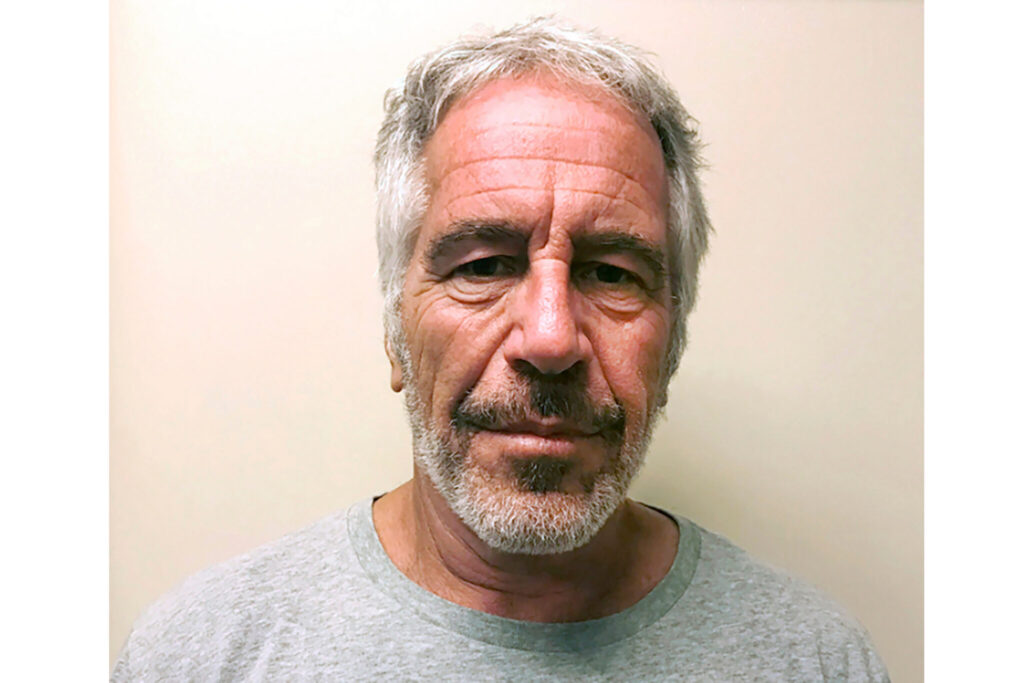
Deep Look: Judge Greenlights Release of Grand Jury Transcripts in Abandoned Epstein Florida Case
ORLANDO, Fla. — In a significant development for transparency in the long-running Jeffrey Epstein saga, a federal judge on Friday authorized the release of grand jury transcripts from a 2000s-era federal investigation into Epstein’s alleged abuse of underage girls in Palm Beach, Florida — a case that ended without federal charges ever being filed.
The ruling by U.S. District Judge Rodney Smith marks a shift in the federal government’s handling of one of the most controversial plea deals in recent American legal history. The release is being made possible by a new federal law, signed in November by President Donald Trump, that requires the Justice Department, FBI, and federal prosecutors to publicly release records related to Epstein investigations by December 19.
Smith’s ruling overrides long-standing federal rules about grand jury secrecy, concluding that the Epstein Files Transparency Act compels the records’ release.
The Original Florida Investigation
The grand jury transcripts relate to the earliest known federal investigation into Epstein, launched after Palm Beach police began gathering testimony from underage girls in 2005 who described being paid for sexually charged massages at Epstein’s mansion.
The FBI later joined the probe, and federal prosecutors prepared an indictment in 2007. But that case was quietly dropped after Epstein’s legal team discredited victims in public and negotiated a secret plea deal that protected him from federal prosecution.
The result: in 2008, Epstein pleaded guilty to state charges of soliciting prostitution from a minor and served just 13 months in a work-release program that allowed him to leave jail daily and work from his office.
The deal was brokered by then-U.S. Attorney Alex Acosta, who would later resign from his role as labor secretary under Trump after a 2018 Miami Herald investigation reignited public outrage. That exposé revealed the extent of the deal and its secrecy, sparking renewed interest and subsequent federal investigations.
A Justice Department report in 2020 concluded that Acosta exercised “poor judgment”, but stopped short of calling it professional misconduct.
What the Transcripts Might Reveal
With much of the state-level grand jury proceedings already public, the federal transcripts could shed light on why prosecutors in 2007 chose not to pursue federal charges — and whether victims’ accounts were fully heard or fairly weighed.
While the court ruling allows for release, the exact date of disclosure remains uncertain. The Justice Department has not set a firm timetable but is required by law to begin releasing Epstein-related records no later than December 19.
Under the new law, some documents may still be withheld if they:
- Compromise active federal investigations
- Are deemed classified
- Involve matters of national defense or foreign policy
A Justice Department request to unseal the grand jury material was made specifically so that it could be included in the upcoming document release. Separate judicial requests are still pending for the release of grand jury records from Epstein’s and Ghislaine Maxwell’s federal sex trafficking prosecutions in New York. Judges in those cases are expected to rule soon.
A Legacy of Legal Controversy
The Florida grand jury investigation is widely viewed as a turning point in the Epstein case — a moment when authorities had enough to indict but chose not to.
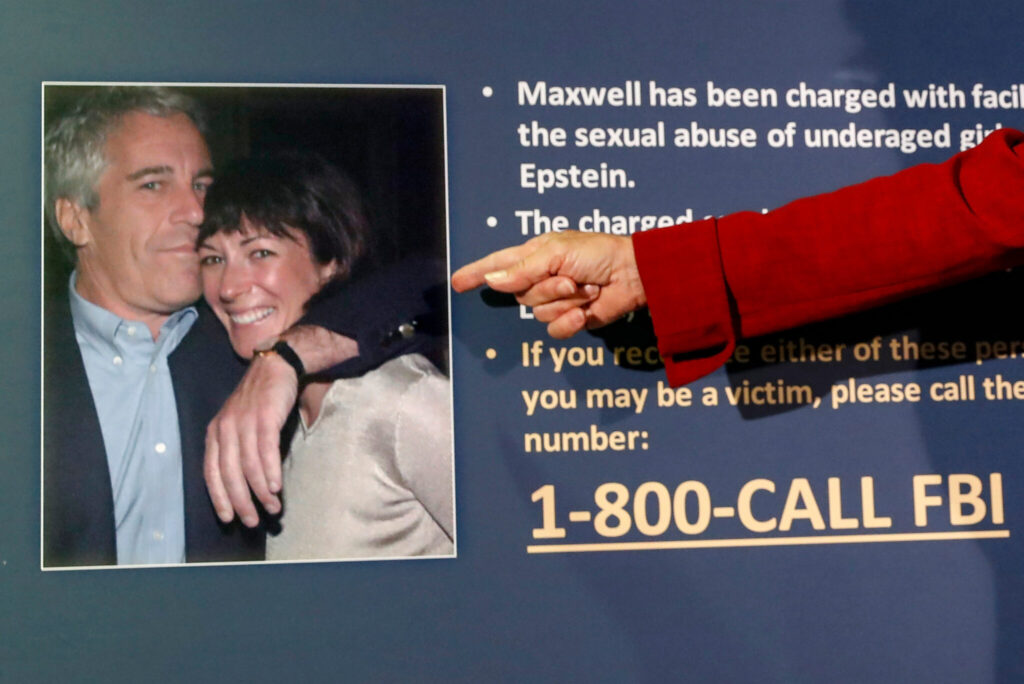
Years later, in 2019, a different federal prosecutor in New York indicted Epstein on sex trafficking charges involving many of the same allegations. Epstein died by suicide in jail while awaiting trial. His longtime associate, Ghislaine Maxwell, was later convicted and sentenced to 20 years in prison for her role in the trafficking scheme.
Now, with the court’s approval to release the federal grand jury records from the Florida case, the public may finally gain a clearer picture of what went wrong in the initial handling of Epstein’s crimes — and who made the decisions that allowed him to avoid justice for over a decade.