Judge Clears Path for New York Offshore Wind Against Trump Order/ Newslooks/ WASHINGTON/ J. Mansour/ Morning Edition/ A federal judge allowed construction to resume on New York’s Empire Wind offshore project, rejecting a Trump administration pause. The ruling marks another legal win for offshore wind developers facing federal resistance. The decision strengthens renewable energy plans across the East Coast.

Offshore Wind Court Ruling Quick Looks
- Federal judge allows Empire Wind construction to resume.
- Court questions Trump administration’s procedure and justification.
- Empire Wind developer Equinor warns delay could kill project.
- Ruling follows similar victory for Orsted earlier in week.
- Administration paused five offshore wind projects over security claims.
- Offshore wind critical to East Coast renewable energy goals.
- Empire Wind is 60% complete and powers over 500,000 homes.
- More court challenges from developers are pending.
Deep Look
Judge Hands Offshore Wind Industry Another Victory Against Trump, Clearing Way for New York Project
WASHINGTON — A federal judge on Thursday cleared the way for construction to resume on a major New York offshore wind project, handing the offshore wind industry another courtroom victory against the Trump administration and dealing a setback to its efforts to halt renewable energy development along the East Coast.
U.S. District Judge Carl J. Nichols, an appointee of President Donald Trump, ruled that construction on the Empire Wind project could continue while he considers the broader legal challenge to the administration’s order suspending the project. Nichols faulted the government for failing to respond to key arguments raised by the developer, including claims that the administration violated proper legal procedures.
The ruling is a significant victory for Equinor, the Norwegian energy company that owns Empire Wind. It also marks the second time this week that offshore wind developers have prevailed in court against the Trump administration.
Empire Wind’s legal team argued that even a short delay would likely doom the project due to the limited availability of specialized construction vessels and the mounting financial losses associated with idling crews and equipment. Nichols appeared persuaded that the administration had not adequately addressed those concerns in court filings.
Trump Administration Targets Offshore Wind
Days before Christmas, the Trump administration ordered a freeze on five major offshore wind projects along the East Coast, citing national security concerns. Since returning to the White House, Trump has repeatedly criticized offshore wind, labeling wind farms as unprofitable, environmentally damaging, and harmful to wildlife.
The order sparked lawsuits from developers and states, which argue that offshore wind is essential to meeting renewable energy targets in densely populated East Coast regions where land-based wind and large solar projects are limited.
On Monday, another federal judge ruled that Orsted could resume construction on its Revolution Wind project serving Rhode Island and Connecticut. That judge said the government failed to justify a full halt to construction. Revolution Wind is nearly complete and is expected to supply about 20% of Rhode Island’s electricity and roughly 5% of Connecticut’s power needs.
Orsted is also challenging the pause of its Sunrise Wind project for New York, with a hearing yet to be scheduled.
More Legal Battles Ahead
Other developers are preparing similar legal challenges. Dominion Energy Virginia plans to ask a judge to block the administration’s order so it can resume work on the Coastal Virginia Offshore Wind project. Another project, Vineyard Wind in Massachusetts, remains paused, though its owners — Avangrid and Copenhagen Infrastructure Partners — have not publicly said whether they will sue.
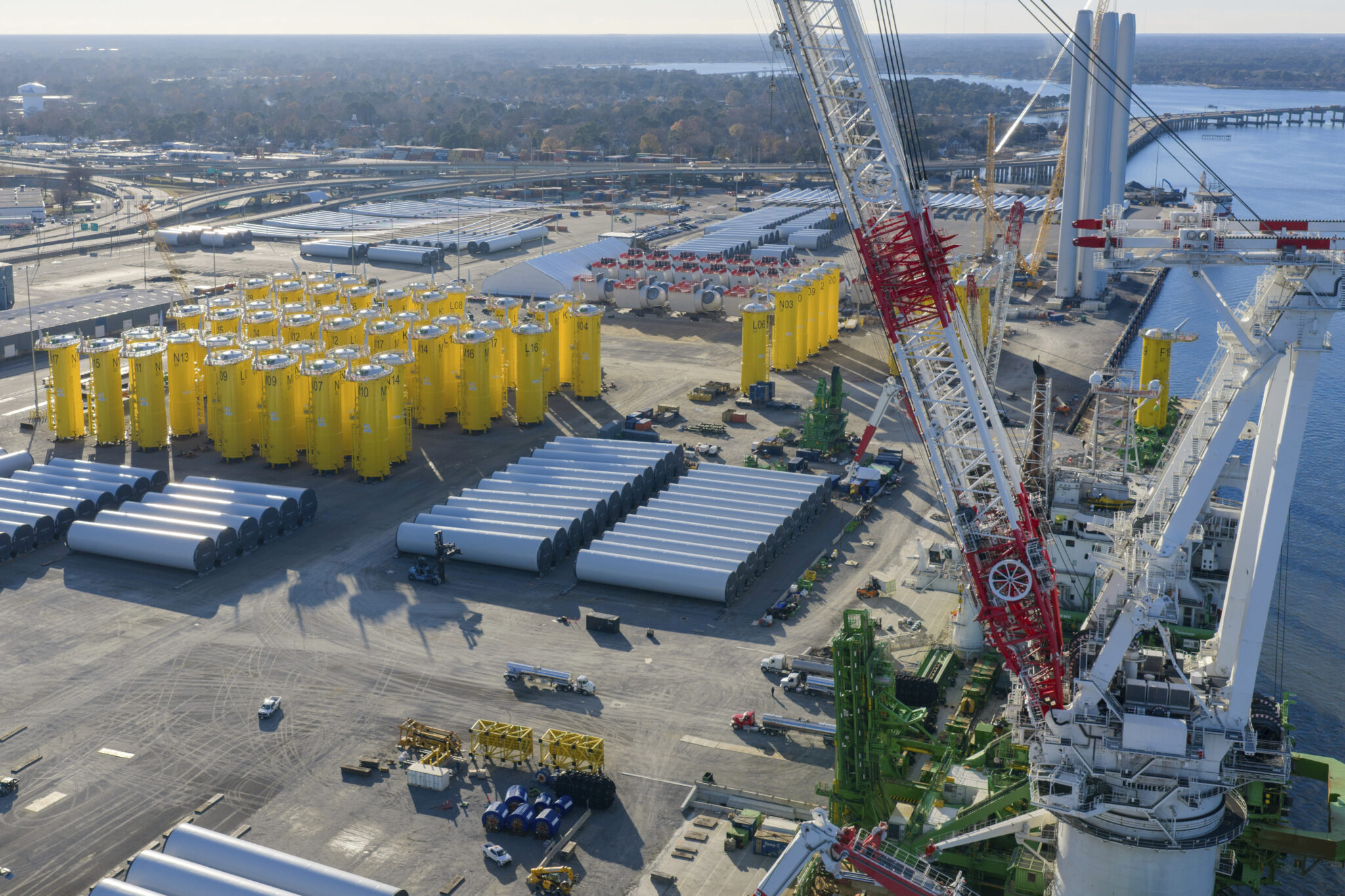
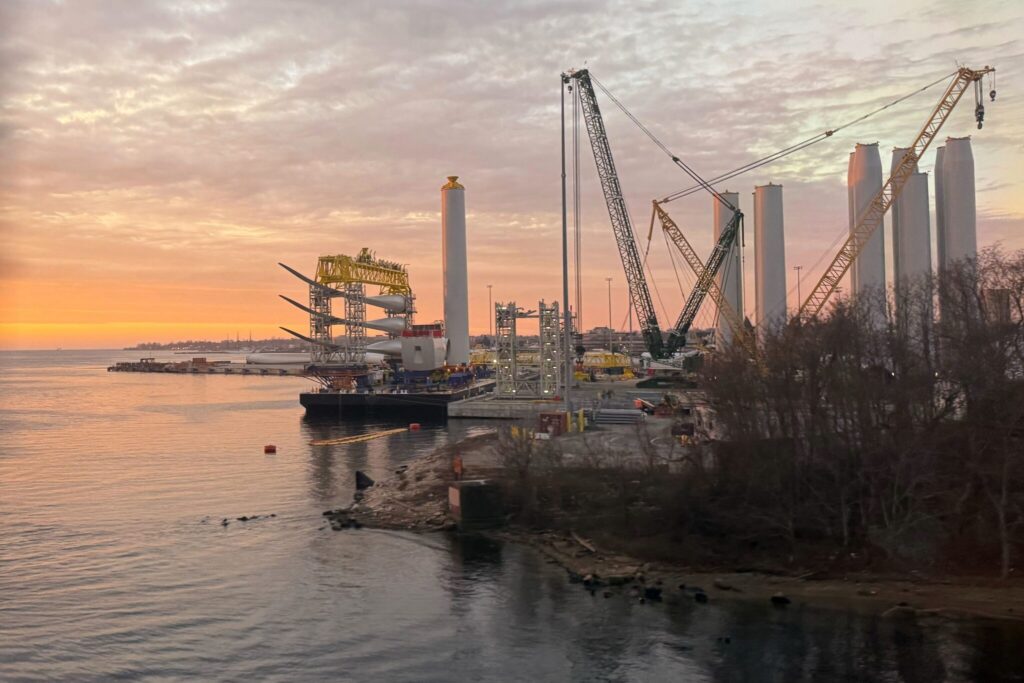
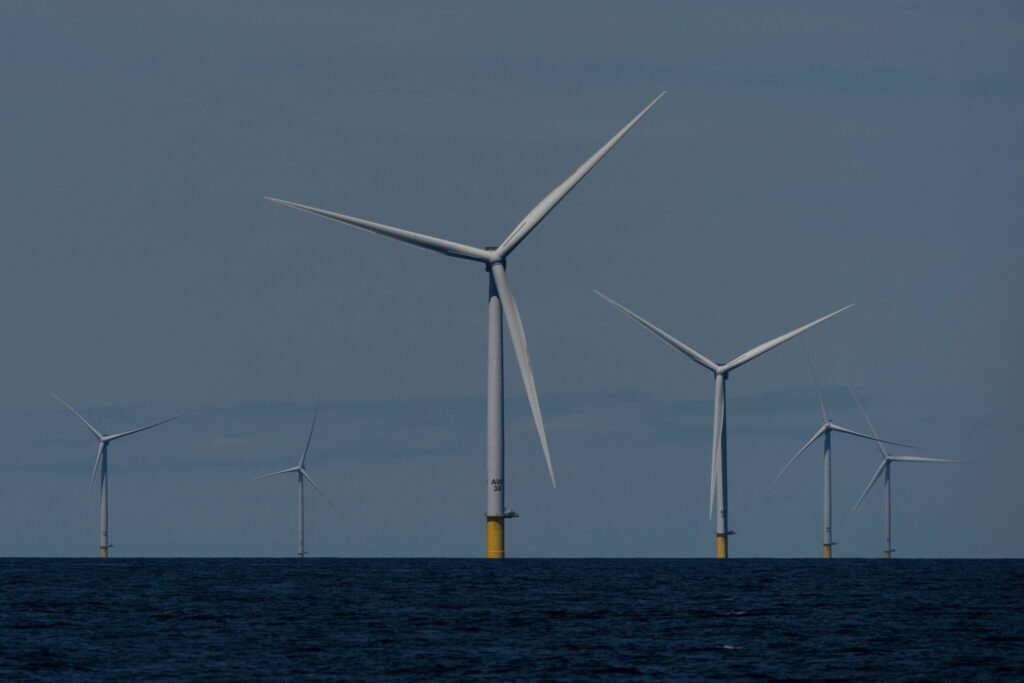
Empire Wind, which is about 60% complete, is designed to generate enough electricity to power more than 500,000 homes in New York. Equinor has warned that prolonged delays could make the project financially unviable.
During a court hearing Wednesday, Judge Nichols suggested the government’s main national security concerns appeared to focus on the operation of the turbines rather than their construction. Government attorneys pushed back, arguing that both phases pose risks.
Associate Attorney General Stanley Woodward Jr., representing the administration, expressed skepticism over what he described as a “perfect storm” of events Equinor said would destroy the project if construction did not resume. Woodward compared the situation to a nuclear facility that posed national security risks, arguing the government would oppose both its construction and operation.
Industry Sees Momentum Shift
Despite ongoing disputes, offshore wind developers see the ruling as a critical step forward. Molly Morris, Equinor’s senior vice president overseeing Empire Wind, said the company remains committed to delivering a major new source of clean energy for New York.
The decision underscores the growing legal resistance to federal efforts to halt offshore wind development and highlights the stakes for states relying on large-scale renewable projects to meet climate and energy goals. As additional cases move through the courts, the future of offshore wind in the United States is increasingly being shaped not just by policy debates, but by judges’ rulings.