Judge Limits ICE Actions Against Protesters in Minneapolis/ Newslooks/ WASHINGTON/ J. Mansour/ Morning Edition/ A federal judge ruled that immigration agents in Minneapolis cannot detain or use tear gas on peaceful protesters who aren’t interfering with law enforcement. The ruling follows a lawsuit filed by activists amid growing tensions over ICE activity in the city. The case comes as protests escalate following the ICE-involved killing of Renee Good.
Minneapolis Immigration Crackdown Ruling Quick Looks
- Judge Kate Menendez limits ICE actions during protests in Minneapolis
- Federal officers banned from detaining or tear-gassing peaceful observers
- Case filed by six activists represented by ACLU of Minnesota
- Order follows unrest after Renee Good’s fatal shooting by ICE agent
- DHS defends enforcement, citing assaults on officers and property
- Protesters allowed to follow agents at a safe distance
- Arrests must be based on probable cause or reasonable suspicion
- Ruling does not affect broader immigration crackdown—yet
- Another lawsuit from Minnesota state and city officials is pending
- Judge asks for further legal briefs on related constitutional issues
Deep Look: Judge Limits ICE Actions Against Protesters in Minneapolis
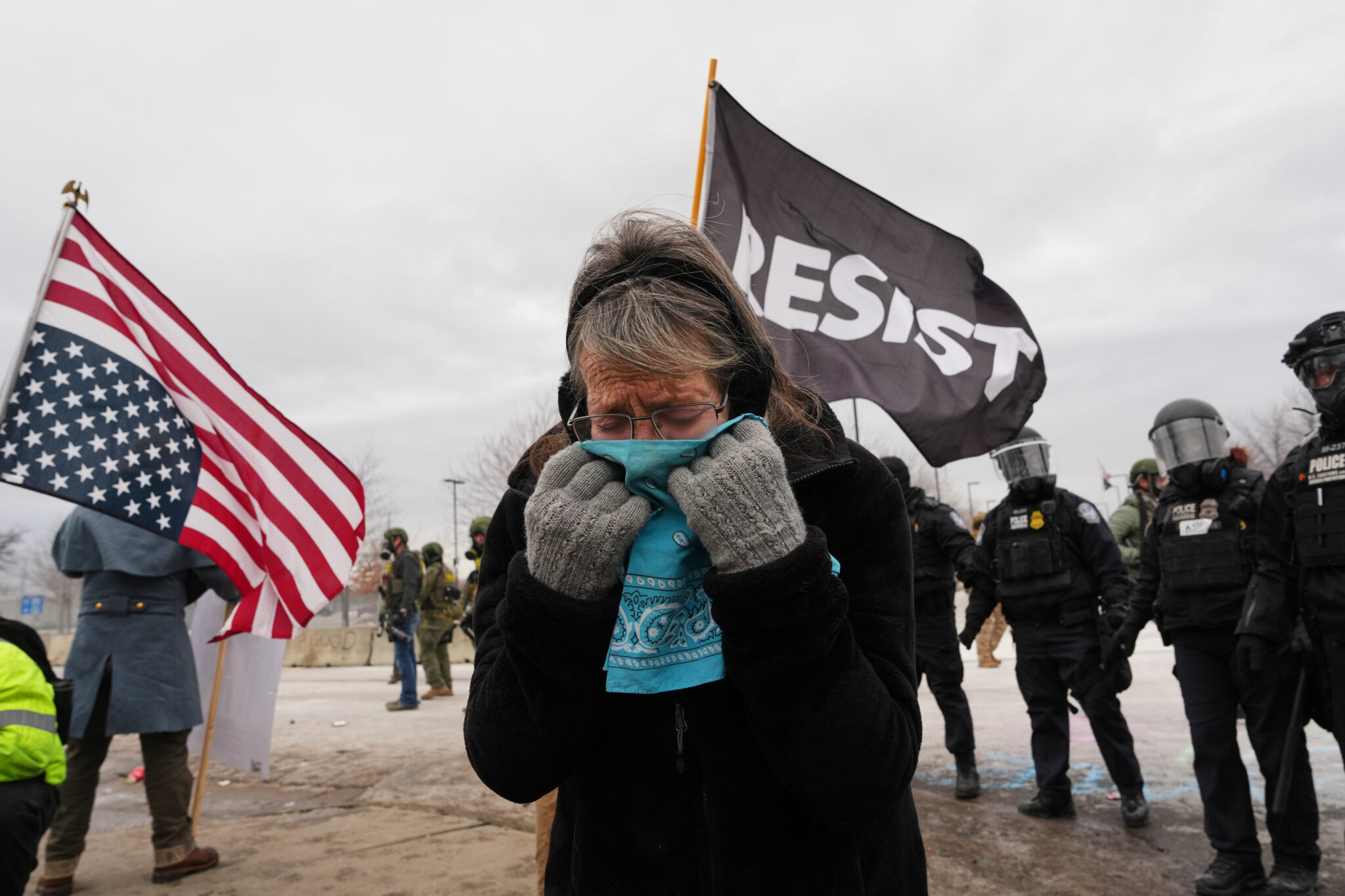
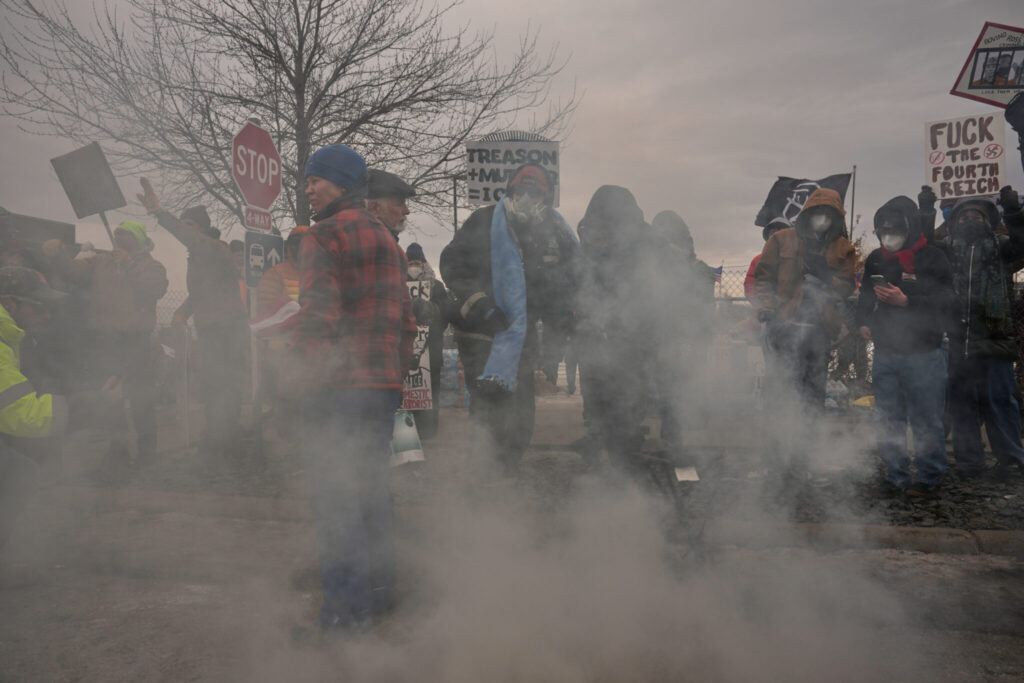
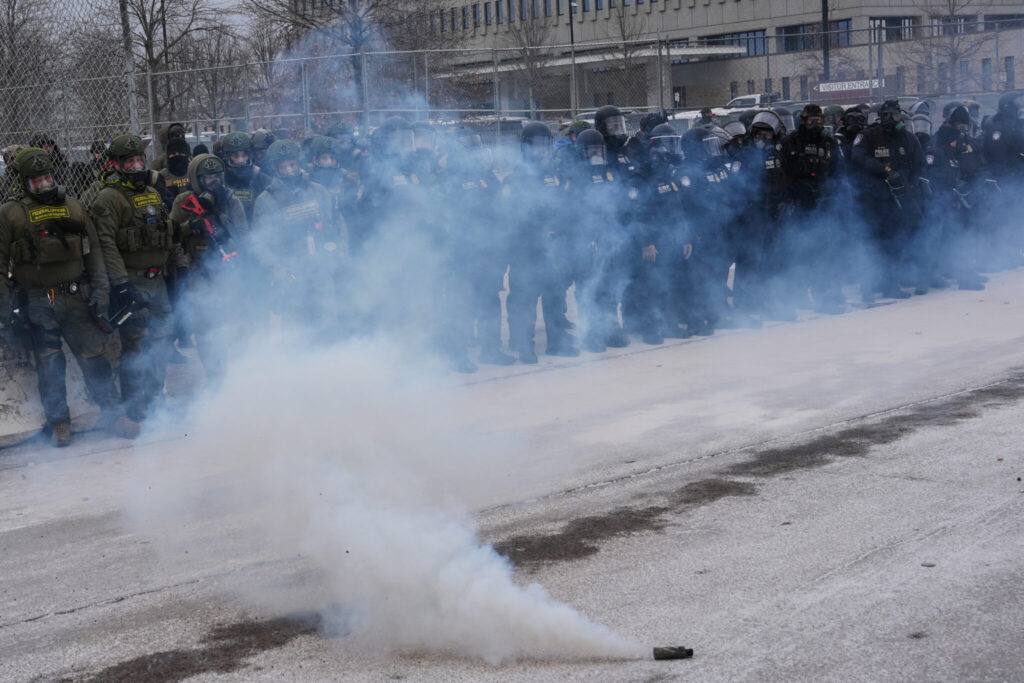
MINNEAPOLIS — January 17, 2026 — A federal judge ruled Friday that U.S. immigration officers in the Minneapolis-St. Paul area cannot detain, arrest, or use tear gas against peaceful protesters who are lawfully observing them, delivering a significant legal rebuke amid the ongoing federal immigration crackdown.
The decision by U.S. District Judge Kate Menendez came in response to a lawsuit filed by six local activists who say their constitutional rights were violated as they joined thousands protesting the federal immigration operation that escalated after the fatal shooting of Renee Nicole Good by an ICE agent on January 7.
Court Affirms Rights of Peaceful Observers
The ruling blocks federal agents from taking action against individuals who are peacefully demonstrating or observing immigration operations without interfering. That includes banning vehicle stops of people who are simply following immigration agents at a distance or recording their actions.
“Safely following agents at an appropriate distance does not, by itself, create reasonable suspicion to justify a vehicle stop,” Judge Menendez wrote.
She also emphasized that federal officers must have probable cause or reasonable suspicion before making any arrests during these operations.
ACLU Takes Lead in Civil Rights Defense
The case was brought by the American Civil Liberties Union of Minnesota, which has been vocal in its criticism of how federal authorities have responded to protests and civil monitoring of ICE activities. The ACLU says the enforcement actions have trampled the rights of Minneapolis residents and amounted to unconstitutional overreach.
Though the ACLU did not issue an immediate statement following the ruling, legal experts suggest it marks a crucial win in protecting civil liberties during mass enforcement actions.
Federal Response: DHS Defends Tactics
In response to the court ruling, DHS Assistant Secretary Tricia McLaughlin pushed back, arguing that the agency has taken “appropriate and constitutional measures” to uphold law and order. She cited violent behavior by some protesters, including assaults on officers, vandalism, and obstruction of law enforcement.
“Rioting is dangerous — obstructing law enforcement is a federal crime and assaulting law enforcement is a felony,” McLaughlin stated.
The DHS maintains that its operation is focused on enforcing immigration law and safeguarding agents and the public, despite intensifying scrutiny.
Backdrop: Renee Good’s Killing Sparks Unrest
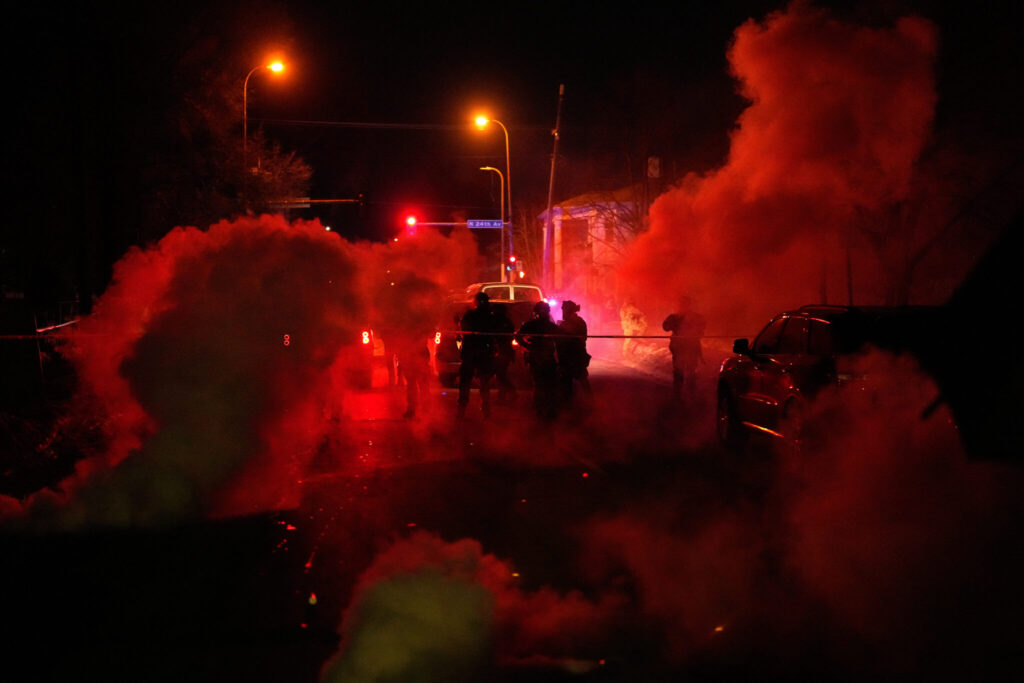
Tensions reached new heights after the death of Renee Good, a 37-year-old mother of three, who was shot by a federal immigration officer during an attempted arrest. Her killing, captured on bystander video, has drawn widespread outrage and sparked nightly protests in Minneapolis.
The city has become a national flashpoint in the debate over immigration enforcement and civil rights.
Related Lawsuit Could Halt ICE Crackdown
This ruling comes just days after the state of Minnesota and the cities of Minneapolis and St. Paul filed a separate lawsuit seeking to suspend the entire immigration enforcement operation in the region. That case is also being presided over by Judge Menendez.
While she declined to issue an immediate temporary restraining order, Menendez acknowledged the case raises critical constitutional questions. She has ordered both sides to file more legal briefs next week before deciding how to proceed.
“What we need most of all right now is a pause. The temperature needs to be lowered,” said Assistant Attorney General Brian Carter at a Wednesday hearing.
Conclusion
With the court’s new restrictions, federal agents will face tighter scrutiny when engaging with peaceful demonstrators. As lawsuits continue and public protests show no sign of slowing, the Minneapolis crackdown may become a pivotal moment in how the U.S. balances immigration enforcement with constitutional freedoms.