

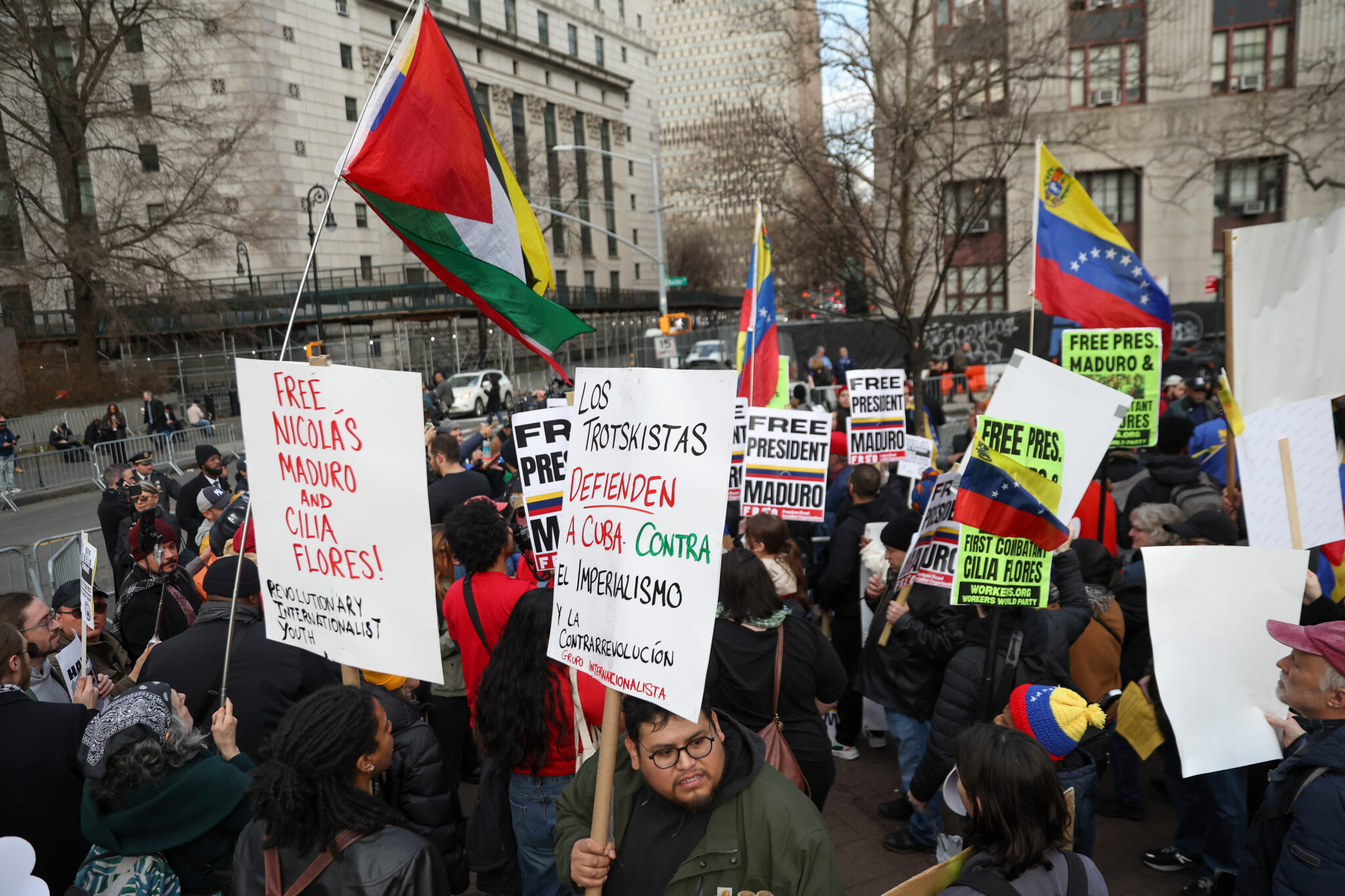
Judge Signals Maduro Case Will Proceed Despite Legal Fee Dispute/ Newslooks/ WASHINGTON/ J. Mansour/ Morning Edition/ A federal judge signaled he will not dismiss charges against Nicolás Maduro. The dispute centers on whether Venezuelan funds can pay legal fees. The ruling suggests the case will proceed despite sanctions complications.
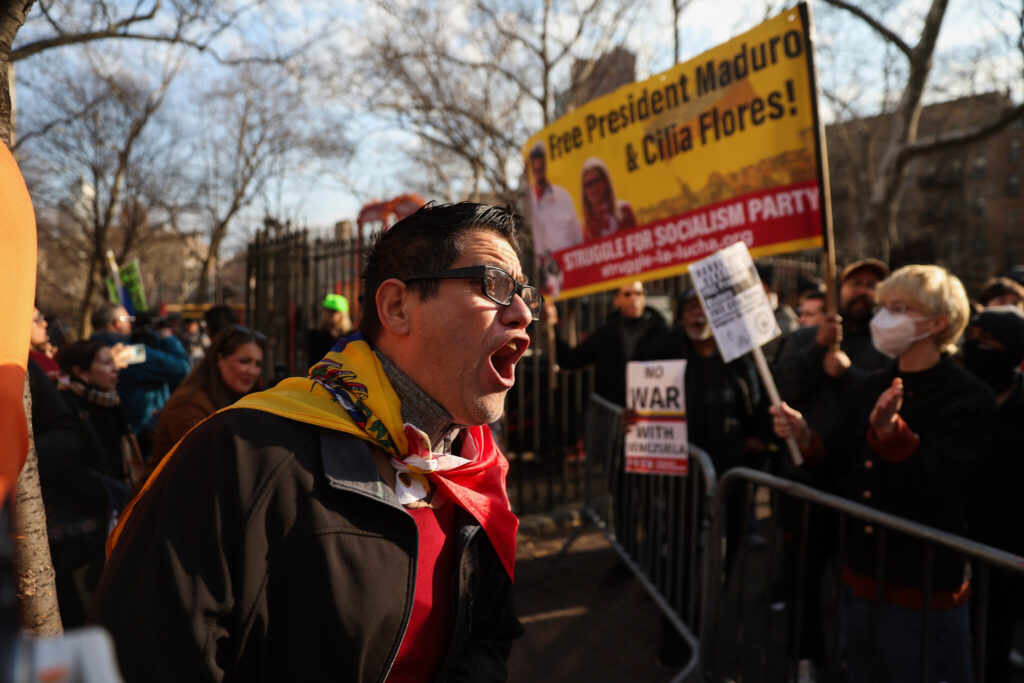
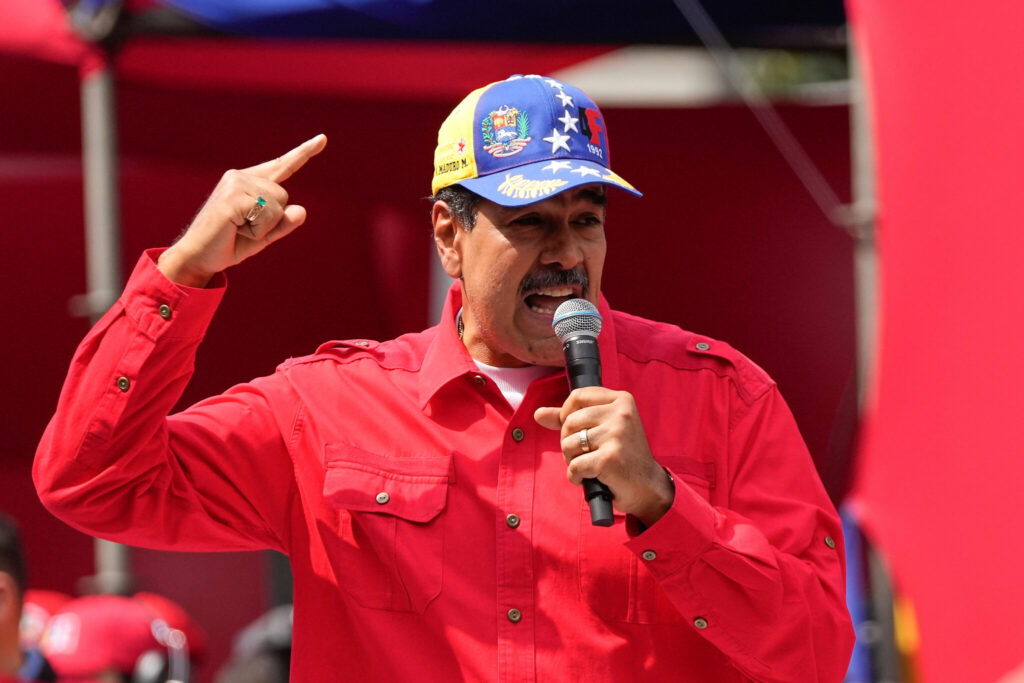
Maduro Court Case Quick Looks
- Judge signals case will not be dismissed
- Legal dispute centers on attorney fees
- Maduro and wife face drug trafficking charges
- US sanctions block Venezuelan funds
- Defense argues Sixth Amendment rights violated
- Prosecutors say sanctions unrelated to case
- Judge questions national security justification
- No formal ruling issued yet
- Maduro represented by lawyer Barry Pollack
- Additional charges possible, Trump says
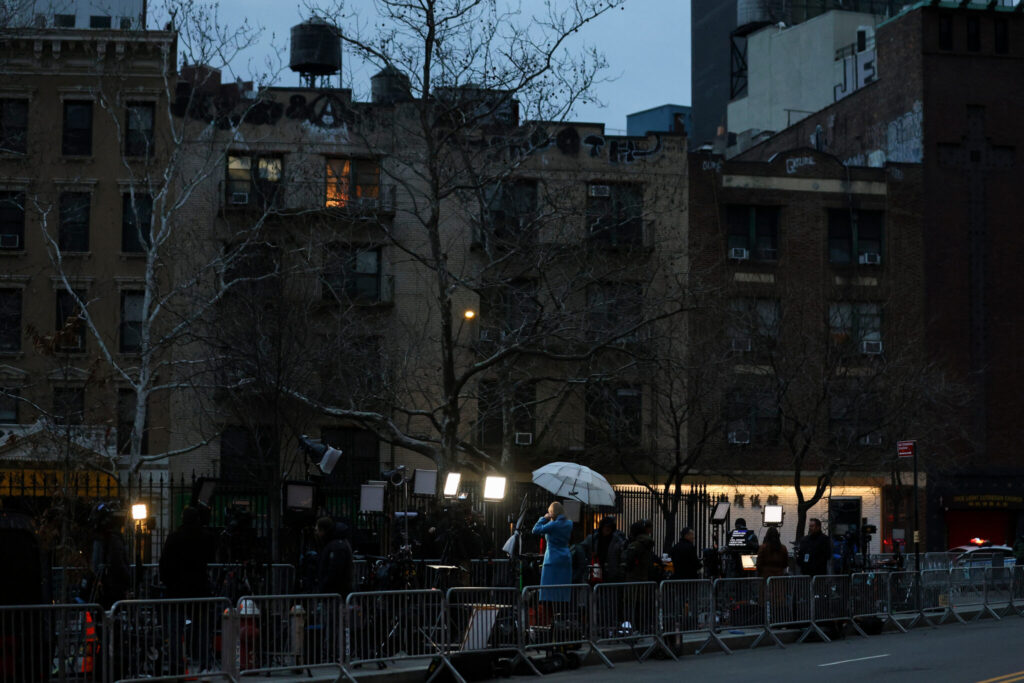
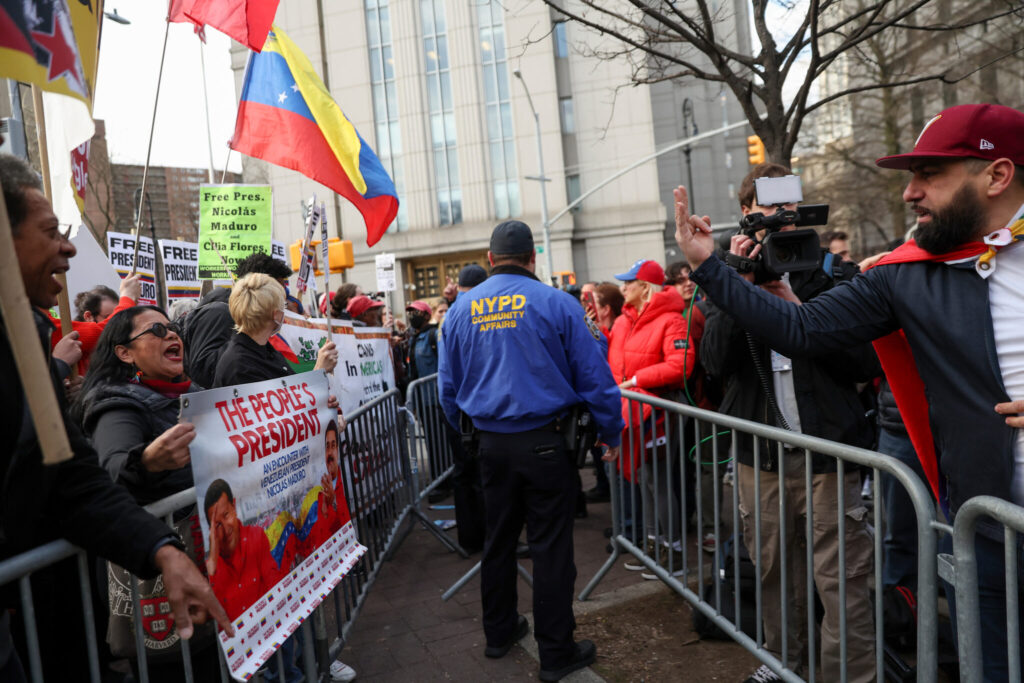
Deep Look: Judge Signals Maduro Case Will Proceed Despite Legal Fee Dispute
A U.S. federal judge signaled Thursday that he is unlikely to dismiss criminal charges against former Venezuelan President Nicolás Maduro, even as he questioned the government’s position on blocking funds for Maduro’s legal defense.
U.S. District Judge Alvin Hellerstein declined to issue a formal ruling during the hearing but indicated he would not dismiss the case over disputes about legal fees. The judge said uncertainty remains about available funds and whether Maduro and his wife, Cilia Flores, have alternative assets to pay for their defense.
“At this point it would be such a serious step based on a hypothetical,” Hellerstein said, explaining why he would reserve a final decision.
Legal Fees At Center Of Dispute
The hearing focused on whether Maduro and Flores should be allowed to use Venezuelan government funds to pay their legal costs. U.S. sanctions currently block access to those funds.
Maduro’s legal team argued that denying access to Venezuelan funds violates the defendants’ constitutional right to choose their own legal representation under the Sixth Amendment.
Defense attorney Barry Pollack warned he may withdraw from the case if payment issues are not resolved. Pollack is a high-profile Washington lawyer known for representing WikiLeaks founder Julian Assange and other complex national security cases.
Pollack argued that appointing public defenders would not provide adequate representation for a case of this magnitude and complexity.
“The court should not be appointing counsel for someone who has resources that could be used for their defense,” Pollack said, referring to Venezuelan government funds.
Prosecutors Defend Sanctions
Federal prosecutors countered that sanctions against Venezuela predate the criminal case and are based on foreign policy and national security considerations.
Prosecutor Kyle Wirshba argued that allowing Venezuela to fund Maduro’s defense would conflict with U.S. policy, noting that Washington has not recognized Maduro as Venezuela’s legitimate leader since 2019.
“These are not the defendant’s funds,” Wirshba told the court, adding that public defenders remain an option if Maduro cannot pay privately.
Judge Questions Government Position
Judge Hellerstein raised concerns about whether blocking funds is justified now that Maduro and Flores are already in U.S. custody.
“The defendant is here, Flores is here. They present no further national security threat,” Hellerstein said.
He emphasized that the constitutional right to legal counsel may outweigh other considerations.
“The right that’s implicated, paramount over other rights, is the right to constitutional counsel,” he added.
Charges Against Maduro
Maduro and Flores face multiple drug trafficking-related charges, including narcoterrorism and cocaine importation conspiracy. Each charge carries the possibility of life imprisonment.
Prosecutors allege Maduro oversaw a long-running cocaine trafficking network involving international criminal groups, including the Sinaloa cartel and Venezuela-based organizations.
The indictment claims Maduro and associates used government resources, diplomatic passports, and protected flights to facilitate drug trafficking operations.
Flores is accused of involvement in kidnappings, murders, and bribery tied to drug trafficking activities.
Both defendants have pleaded not guilty.
Health Concern Raised
During the hearing, Flores’ attorney requested medical attention for his client, citing a heart condition and asking the court to ensure she receives an electrocardiogram while in custody.
The judge did not immediately rule on that request.
Additional Charges Possible
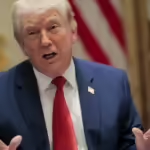
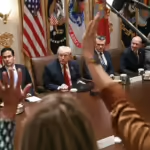
President Donald Trump said earlier Thursday that additional cases against Maduro may be forthcoming.
“I would imagine there are other trials coming,” Trump said during a Cabinet meeting.
Legal experts say prosecutors could call former Venezuelan military officials as witnesses. Some have indicated a willingness to cooperate, though details remain unclear.
Case Moving Forward
The hearing lasted about an hour, and Judge Hellerstein did not set a date for the next proceeding.
While no formal ruling was issued, the judge’s comments strongly suggest that the case will continue despite the ongoing dispute over legal fees and sanctions.
The outcome could set an important precedent regarding defendants’ rights to legal representation when international sanctions restrict access to funds.


You must Register or Login to post a comment.