

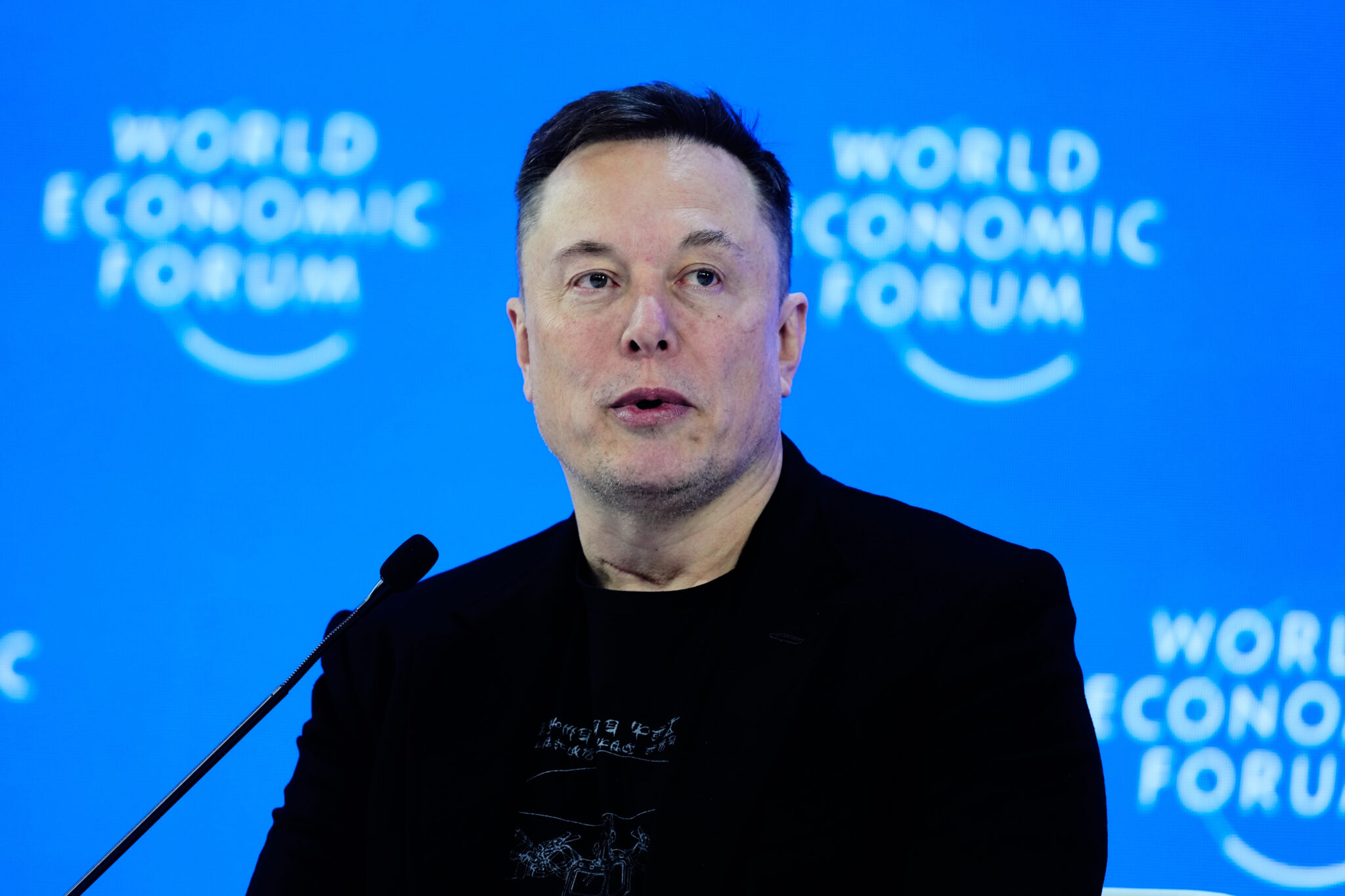
Jury Finds Elon Musk Liable for Misleading Tweets in Twitter Acquisition/ Newslooks/ WASHINGTON/ J. Mansour/ Morning Edition/ A jury found Elon Musk misled investors during his Twitter acquisition. He was held liable for certain tweets but cleared of broader fraud claims. The verdict could result in billions in damages and an appeal.
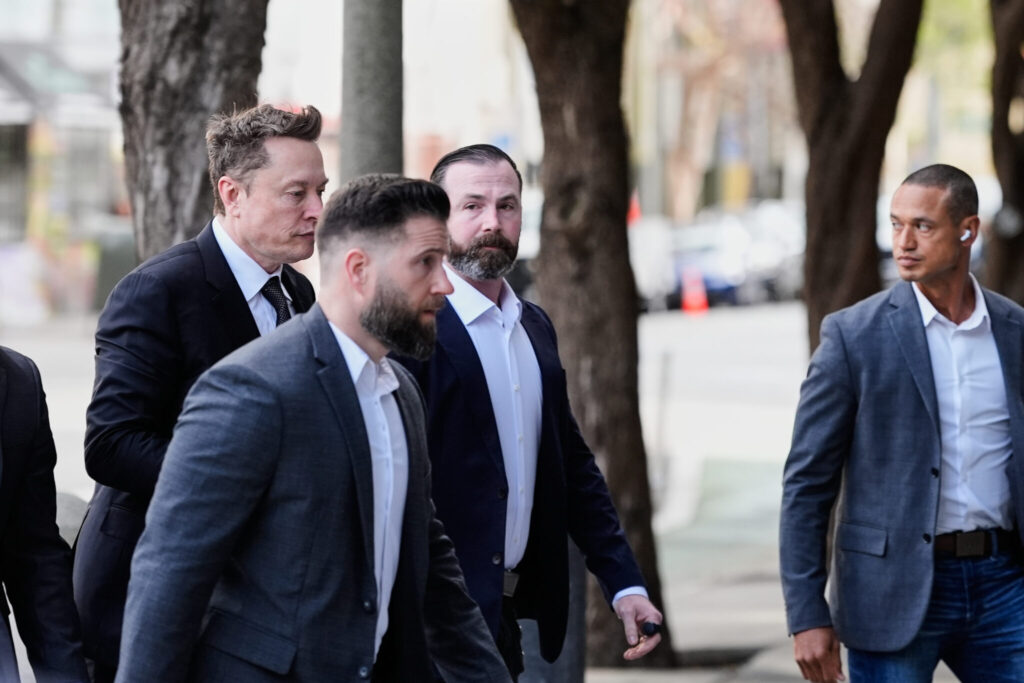
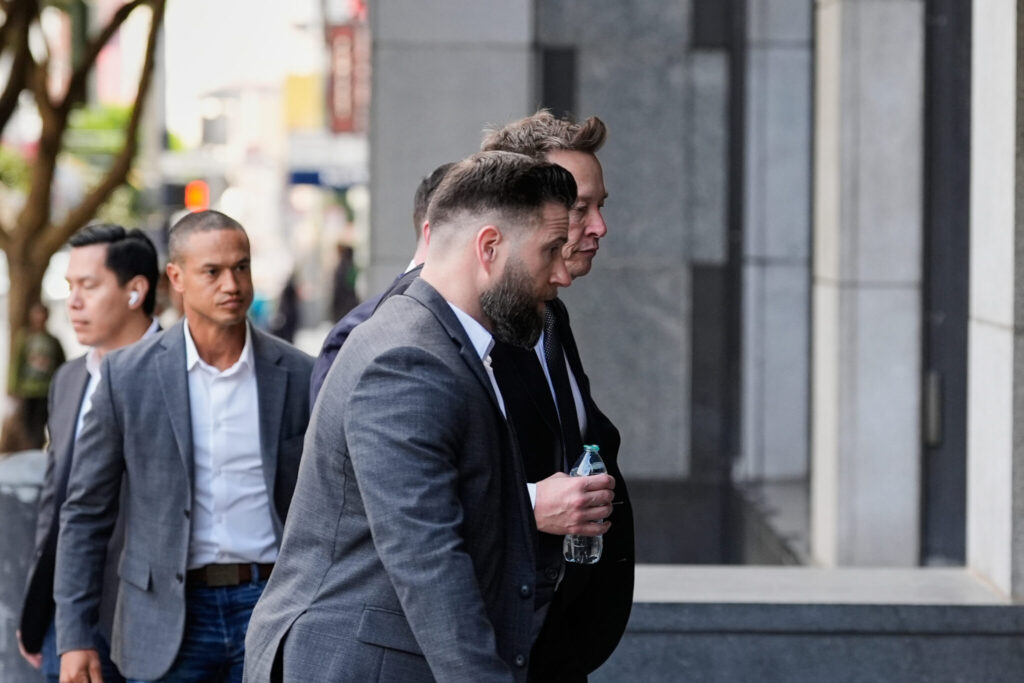
Musk Twitter Investor Lawsuit Verdict Quick Looks
- Jury finds Musk liable for misleading investors
- Cleared of broader fraud scheme allegations
- Case centers on 2022 Twitter acquisition tweets
- “Deal on hold” tweet played key role
- Estimated damages exceed $2.5 billion
- Musk plans to appeal the verdict
- Trial included testimony from former Twitter executives
- Highlights power of social media in financial markets
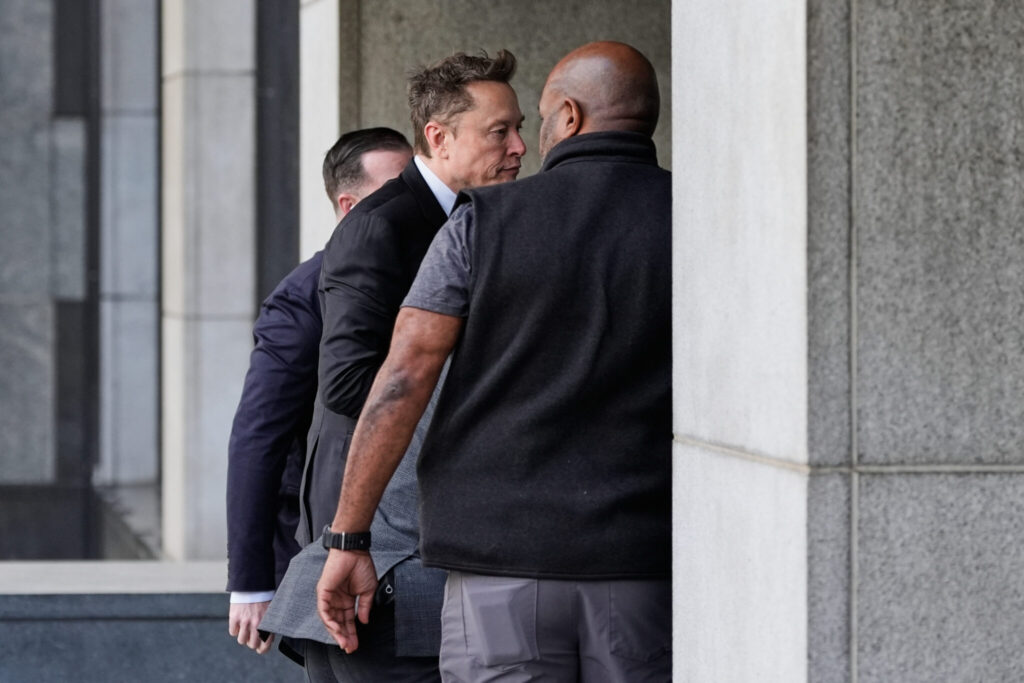
Deep Look: Jury Finds Elon Musk Liable for Misleading Tweets in Twitter Acquisition
A San Francisco jury has delivered a mixed verdict in a high-profile investor lawsuit involving Elon Musk and his $44 billion acquisition of Twitter, concluding that the billionaire misled investors with certain public statements but did not orchestrate a broader fraud scheme.
The case, brought by Twitter shareholders, focused on whether Musk’s public comments in 2022 — particularly posts on social media — were intentionally designed to influence the company’s stock price during the turbulent period leading up to his purchase of the platform, now known as X.
After nearly three weeks of testimony and several days of deliberations, jurors determined that two of Musk’s tweets misled investors. Among them was a widely scrutinized message stating that the Twitter deal was “temporarily on hold” while he sought clarity on the number of fake accounts on the platform. The jury found that such statements had a material impact on investor behavior and market pricing.
However, the panel stopped short of concluding that Musk engaged in a deliberate scheme to defraud shareholders. They also ruled that comments he made during a podcast appearance were not misleading, characterizing them as opinion rather than factual misrepresentation.
The verdict carries significant financial implications. Jurors awarded damages based on the daily losses suffered by shareholders who sold stock during the period of uncertainty. Legal teams representing the plaintiffs estimate the total payout could exceed $2.5 billion, including both stock-related losses and options.
Attorneys for the investors framed the decision as a major win for market accountability, arguing that even the most powerful figures must adhere to securities laws. They emphasized that Musk’s influence — particularly through social media — has the capacity to move markets in ways that demand responsibility and transparency.
Musk’s legal team, however, pointed to the mixed nature of the verdict as a sign that the core allegations were not fully proven. They highlighted the jury’s rejection of claims that Musk orchestrated a coordinated effort to manipulate stock prices and confirmed plans to appeal the decision.
At the heart of the case was Musk’s repeated criticism of Twitter’s reporting on fake and spam accounts. During the trial, he argued that the company had significantly understated the number of bots on its platform, which he claimed justified his hesitation and attempts to renegotiate the purchase.
Musk testified that he believed Twitter’s internal estimates — which placed fake accounts at roughly 5% — were inaccurate and misleading. He maintained that his public statements reflected genuine concerns rather than an attempt to manipulate the market.
Plaintiffs countered that Musk’s actions were strategic. They argued that as the deal became more financially burdensome — particularly as Tesla’s stock declined — Musk used public messaging to drive down Twitter’s share price, potentially to secure a better deal or exit the agreement entirely.
During the period in question, Twitter’s stock fell sharply, at one point dropping roughly 40% below the agreed purchase price. Investors who sold shares during that downturn claimed they suffered significant losses as a result of the uncertainty created by Musk’s statements.
The trial also featured testimony from key Twitter executives, including former CEO Parag Agrawal and CFO Ned Segal, who defended the company’s disclosures and internal processes for estimating fake accounts.
Ultimately, the jury’s decision reflects a nuanced view of the case. While acknowledging that Musk’s words had a misleading effect on investors, they did not find sufficient evidence of an overarching fraudulent strategy.
Legal experts say the outcome underscores the growing importance of public statements — particularly on platforms like social media — in influencing financial markets. As high-profile executives communicate directly with millions of followers, the line between casual commentary and market-moving information has become increasingly blurred.
The case also echoes previous legal battles involving Musk, including a separate trial over his 2018 statements about taking Tesla private. In that instance, he was cleared of wrongdoing, but the current verdict suggests courts and juries may be taking a stricter view of how influential figures communicate about major financial transactions.
As the appeals process unfolds, the case is likely to remain a focal point in discussions about corporate accountability, investor protection, and the power of digital communication in modern markets.



You must Register or Login to post a comment.