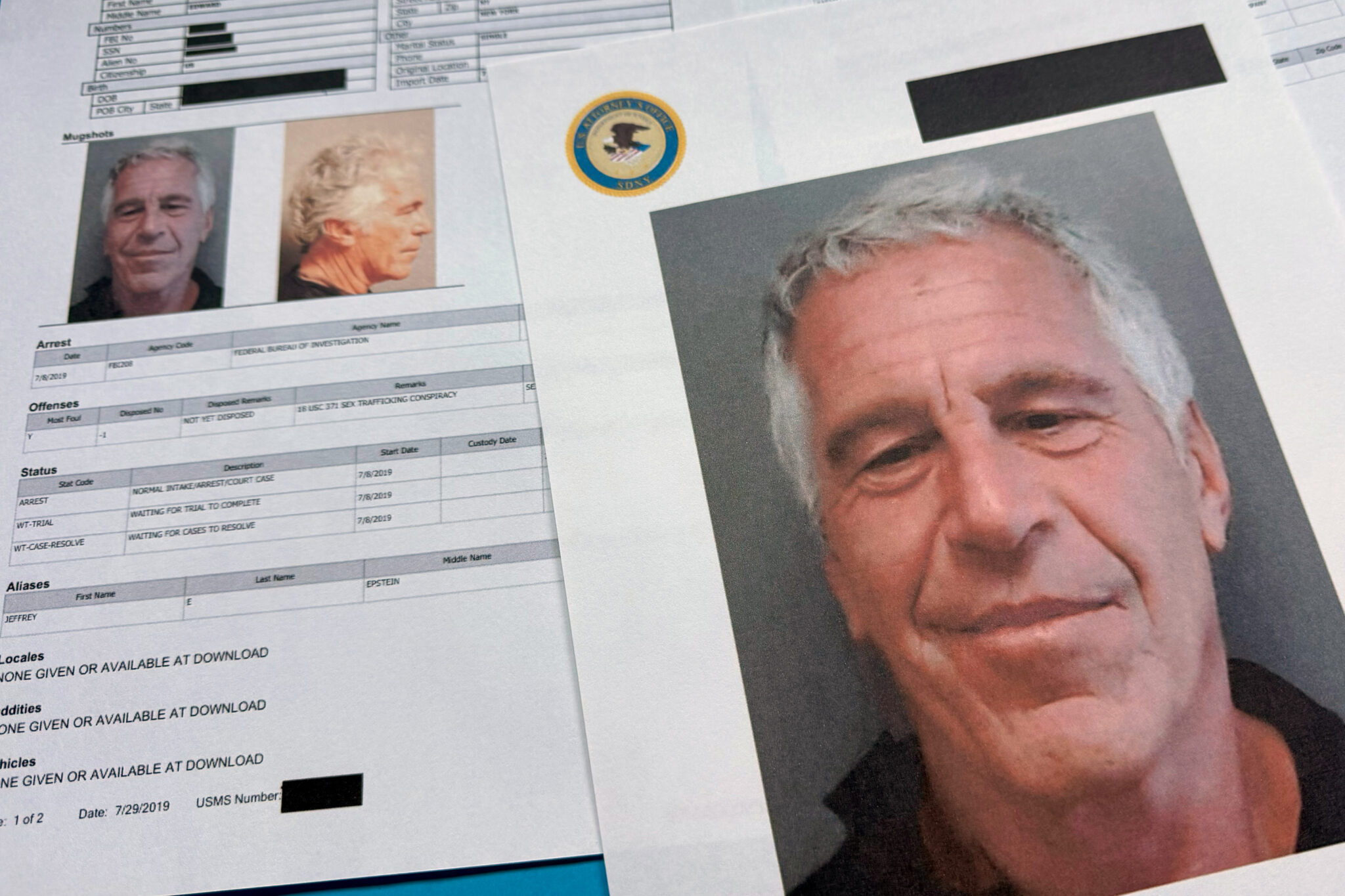
Justice Department to Let Lawmakers Review Unredacted Epstein Files/ Newslooks/ WASHINGTON/ J. Mansour/ Morning Edition/ The Justice Department will allow members of Congress to review unredacted Jeffrey Epstein files starting Monday. The move follows ongoing scrutiny over redacted records released under the Epstein Files Transparency Act. Internal DOJ documents show investigators found no evidence Epstein ran a trafficking ring for powerful figures.


Unredacted Epstein Files Head to Congress Quick Looks
- DOJ will allow lawmakers to review unredacted Epstein files
- Access begins Monday under Epstein Files Transparency Act
- Files include more than 3 million pages of records
- Many previously released documents were heavily redacted
- FBI found no evidence of a trafficking ring for powerful men
- Investigators reviewed finances, emails, photos, and videos
- No verified “client list” was found by federal authorities
- Victims’ abuse was substantiated, broader conspiracy claims were not
- President Trump criticized media focus on Epstein documents
Deep Look
WASHINGTON — The Department of Justice will begin allowing members of Congress to review unredacted files connected to convicted sex offender Jeffrey Epstein, a significant escalation in transparency following years of public pressure and political scrutiny.
According to a letter obtained by The Associated Press, lawmakers will gain access starting Monday to unredacted versions of more than 3 million documents previously released under the Epstein Files Transparency Act, legislation passed by Congress last year. Until now, most records made public were heavily redacted, fueling speculation, conspiracy theories, and calls for full disclosure.
What the Files Show
An Associated Press review of internal Justice Department records paints the clearest picture yet of why federal prosecutors ultimately closed the Epstein investigation without charging additional people beyond Epstein himself and his longtime associate Ghislaine Maxwell.
While investigators documented extensive evidence that Epstein sexually abused dozens of underage girls, the records show they found scant evidence supporting claims that he operated a sex trafficking ring supplying powerful men.
The Federal Bureau of Investigation examined Epstein’s bank records, emails, residences in New York, Florida, and the U.S. Virgin Islands, and interviewed victims for years. Prosecutors wrote that photos and videos seized from Epstein’s properties did not depict abuse or implicate other individuals.
“No videos or photos showed Epstein victims being sexually abused or showed any males with the nude females,” Assistant U.S. Attorney Maurene Comey wrote in a 2025 memo.
No Client List Found
Despite repeated public claims of a secret Epstein “client list,” investigators concluded no such document existed. Internal FBI emails from late 2024 and early 2025 confirmed that agents never located a list of elite clients during the investigation.
The conclusion directly contradicted statements made by Attorney General Pam Bondi, who had suggested on television that such materials were under review. FBI officials later clarified internally that no client list was ever uncovered.
Victims and Unverified Claims
The investigation originated in 2005, after a 14-year-old girl reported abuse at Epstein’s Florida home. Police eventually identified at least 35 victims who said Epstein paid them for sexualized massages while they were minors.
Federal prosecutors initially prepared indictments against Epstein and his aides, but in 2008 he reached a controversial plea deal with then-U.S. Attorney Alexander Acosta, serving just 18 months in jail. Renewed scrutiny in 2018 led to Epstein’s 2019 arrest in New York, where he later died by suicide while awaiting trial.
Maxwell was convicted in 2021 of recruiting and grooming victims and is now serving a 20-year prison sentence.
Investigators examined sensational allegations from some accusers who claimed Epstein trafficked them to influential men, including Britain’s Prince Andrew. While abuse by Epstein was confirmed, prosecutors said corroborating evidence for broader trafficking claims could not be established. Other victims denied experiencing such abuse, and prosecutors cited inconsistencies in some accounts.
Associates Remain Uncharged
Federal authorities also scrutinized Epstein’s relationships with prominent figures, including retail billionaire Les Wexner and French modeling agent Jean-Luc Brunel. Prosecutors determined there was insufficient evidence to charge either man. Brunel later died by suicide in a French jail while awaiting trial on unrelated rape charges.
Investigators likewise reviewed claims involving private equity investor Leon Black, but no charges were filed after local prosecutors examined the allegations.
Political Fallout
The release of unredacted files comes amid renewed political debate. Donald Trump has criticized reporters for continuing to raise questions about the Epstein documents, urging the public to “get onto something else.” However, the decision to allow congressional review suggests the issue is far from settled.
Lawmakers are expected to examine whether investigative failures, prosecutorial decisions, or institutional blind spots allowed Epstein’s abuse to continue for years.
What Happens Next
The Associated Press and other news organizations continue reviewing millions of pages of released records. While investigators maintain that the documents explain why no broader conspiracy charges were brought, congressional access to unredacted material could shape future oversight hearings — and possibly new legislation.
For now, the files offer the most detailed account yet of how one of the most notorious criminal investigations in modern history unfolded — and why it ended where it did.