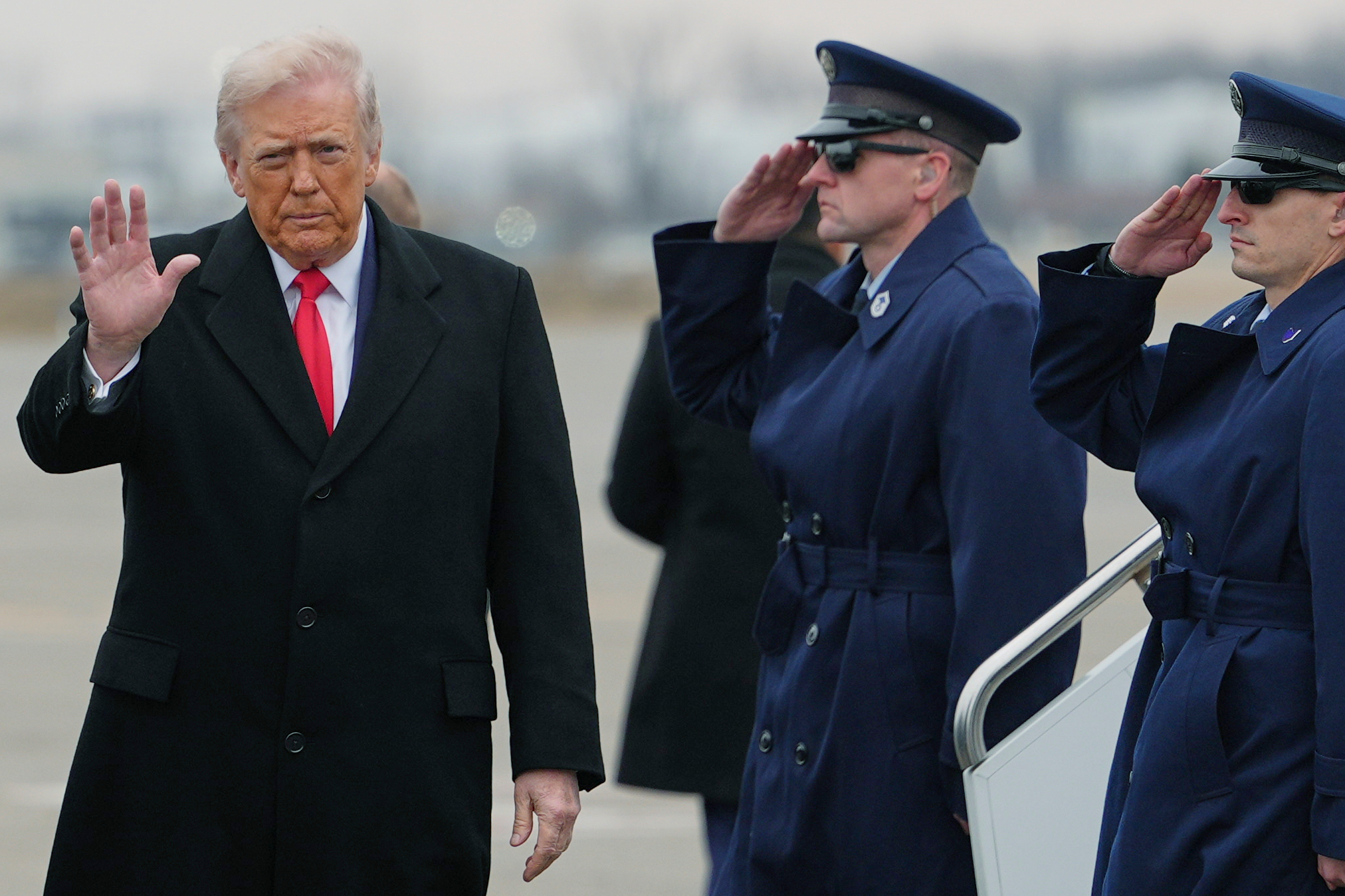
Key Middle East Allies Push Trump to Delay Iran Strike/ Newslook/ WASHINGTON/ J. Mansour/ Morning Edition/ Key Middle Eastern allies have privately urged President Trump to hold off on military strikes against Iran amid a deadly crackdown on protesters. The diplomatic pressure comes as Trump publicly shifts tone, softening threats while still considering all options. The U.S. also announced new sanctions targeting Iran’s security officials and financial networks.
Trump Iran Strategy Quick Looks
- Arab nations privately warned Trump against striking Iran
- Egypt, Saudi Arabia, Qatar, and Oman voiced economic, regional stability concerns
- Trump’s tone shifted after earlier threats, hinting at restraint
- Nationwide protests in Iran reportedly led to over 2,600 deaths
- U.S. imposed new sanctions on Iranian security officials and oil financiers
- UN ambassador Waltz said military action still on the table
- Trump praised Iran for pausing one reported execution
- No U.S. aircraft carriers currently stationed in the region
Deep Look: Key Middle East Allies Push Trump to Delay Iran Strike
As Iran continues its harsh response to widespread protests, the Trump administration faces rising diplomatic pressure from its closest Middle Eastern allies to avoid escalating the crisis through military strikes.
Officials from Egypt, Saudi Arabia, Oman, and Qatar have reportedly engaged in a behind-the-scenes diplomatic campaign urging President Donald Trump to exercise restraint. According to an Arab diplomat familiar with the discussions, these nations fear that any U.S. attack on Iran could send shockwaves through the global economy and further destabilize an already fragile Middle East.
The warnings come amid growing concern over Iran’s bloody crackdown on nationwide protests, which activists claim has already resulted in the deaths of at least 2,637 people. The demonstrations erupted following Iran’s increased authoritarian measures and were met with severe repression, including mass arrests and reported executions.
While President Trump spent much of the past week issuing harsh warnings to Iran and expressing support for the protesters, his public posture has recently softened. On Wednesday, he posted online that his administration had received credible information suggesting Tehran had paused its violent actions and executions.
The president referred to unnamed “very important sources on the other side,” indicating some level of direct or indirect communication.
Oil markets responded swiftly to Trump’s apparent change in tone. On Thursday, oil prices dropped, signaling that traders interpreted the president’s rhetoric as a step back from immediate military confrontation.
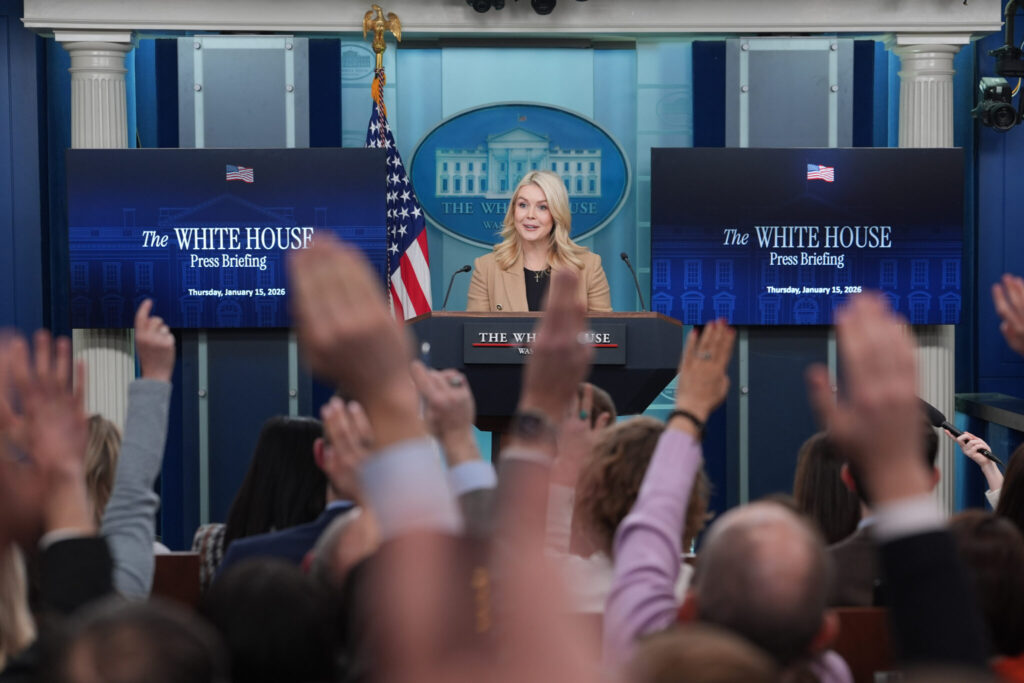
White House press secretary Karoline Leavitt reinforced the ambiguity around Trump’s intentions, stating that “all options remain on the table,” but emphasizing that only a select group of advisers truly understands the president’s thinking.
“He continues to closely monitor the situation on the ground in Iran,” Leavitt added.
Despite Trump’s recent public calm, U.S. allies remain nervous. Their message to the White House has been clear: any aggressive action risks triggering a regional conflict that would affect everything from energy markets to diplomatic stability. These Arab leaders have also urged Tehran to cease violence against protesters, warning that any Iranian retaliation for a U.S. strike would lead to severe consequences for the regime.
The issue was raised indirectly during a United Nations Security Council meeting, where U.S. Ambassador Mike Waltz declared, “President Trump is a man of action, not endless talk.” He repeated the administration’s stance that military force remains an option.
Still, Trump’s actions suggest he may be opting for a different approach—for now. The president highlighted on social media a Fox News report about the supposed suspension of a death sentence for Erfan Soltani, a 26-year-old Iranian shopkeeper detained for participating in anti-government protests. Iranian state media disputed reports of a death sentence but acknowledged Soltani remains in detention.
“This is good news. Hopefully, it will continue!” Trump wrote, referencing the halt in executions. The White House later claimed Iran had suspended as many as 800 scheduled executions, though these figures remain unverified.
Trump has long employed strategic ambiguity when dealing with adversaries, and his current Iran strategy appears to follow suit. Last year, during an earlier period of tensions with Tehran, Trump similarly delayed a strike before ultimately ordering B-2 bombers to hit Iranian nuclear targets just days later.
According to Jeremy Shapiro, research director at the European Council on Foreign Relations, Trump may currently be holding off due to practical concerns about the U.S. military’s positioning. With the USS Gerald R. Ford strike group recently redeployed for a counter-narcotics mission near Venezuela, the U.S. has no aircraft carriers in the region—a key asset for any major offensive.
“It might be that they’re delaying things and using the time for getting that posture correct,” Shapiro said.
Meanwhile, Washington has ramped up pressure on Tehran through financial and diplomatic channels. On Thursday, the Treasury Department announced new sanctions targeting 18 individuals and entities allegedly involved in a shadow banking system that helped Iran sell oil abroad. The sanctions also hit the secretary of Iran’s Supreme Council for National Security, who is accused of ordering violence against protesters.
The Treasury’s Office of Foreign Assets Control revealed that the sanctions aim to block Iranian access to international funds, particularly through networks tied to Bank Melli and Shahr Bank—two major Iranian financial institutions already under previous sanctions.
As the situation develops, the Trump administration appears to be walking a delicate line between responding to human rights abuses and avoiding a direct military clash that could spiral beyond control. Whether the current strategy of diplomatic pressure and economic sanctions will compel Tehran to change course remains uncertain.