

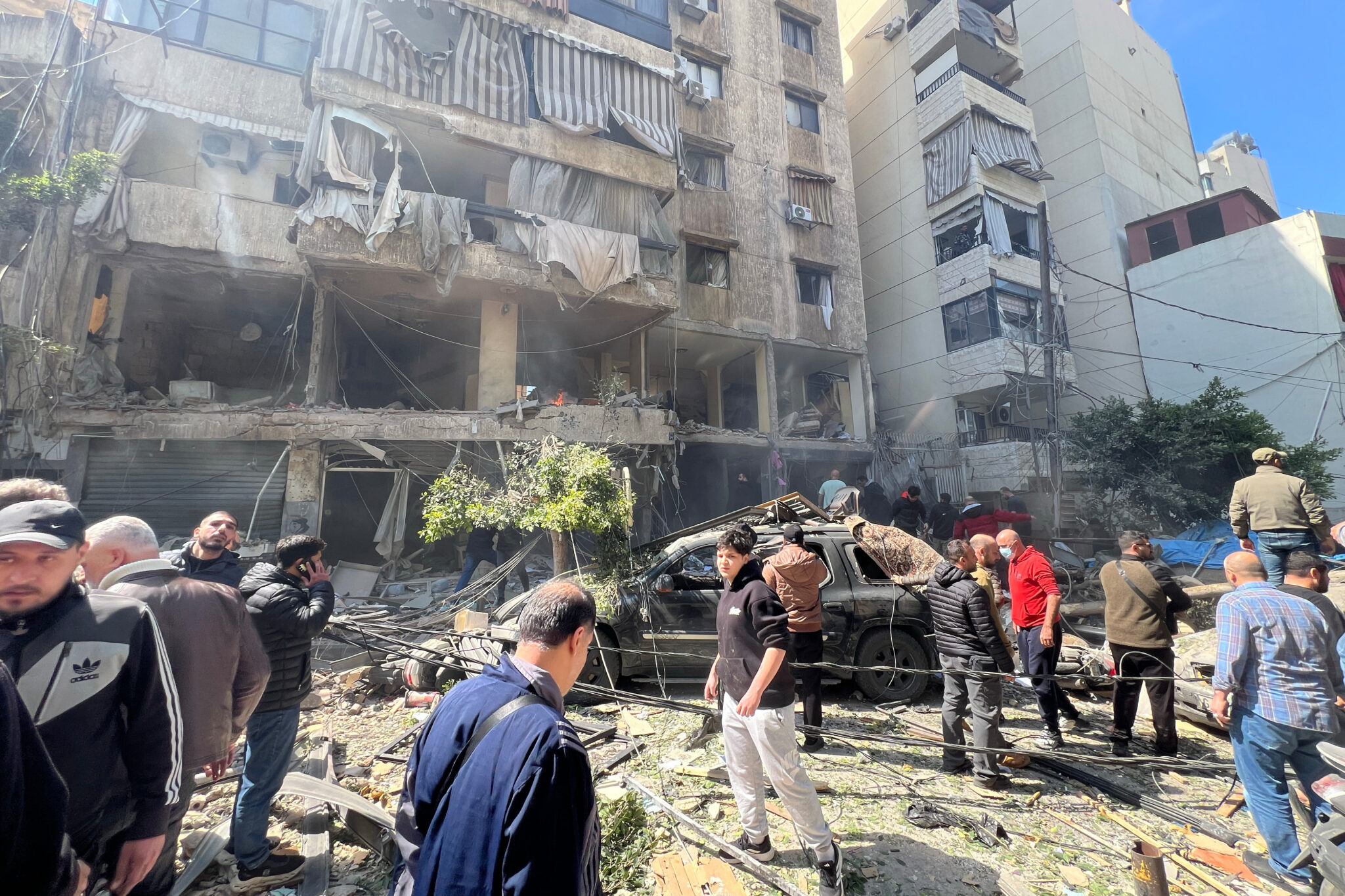
Lebanon: At Least 112 People Killed, 837 Wounded in Israel’s Midday Strikes in Beirut/ Newslooks/ WASHINGTON/ J. Mansour/ Morning Edition/ Israeli airstrikes hit central Beirut hours after the Iran ceasefire. Lebanon officials reported at least 112 killed and 837 injured. Israel said the ceasefire did not apply to Hezbollah in Lebanon.
Israel Beirut Strikes Quick Looks
- Israeli strikes hit central Beirut
- At least 112 killed, 837 wounded
- More than 100 targets hit
- Lebanon excluded from Iran ceasefire
- Apartment buildings and busy streets struck
- Displaced civilians caught in attacks
- Hezbollah yet to retaliate immediately
- Israel warns Hezbollah leadership
- Lebanon officials condemn escalation
- Over 1 million displaced in Lebanon
Deep Look: Israeli Strikes Kill Dozens in Beirut After Iran Ceasefire
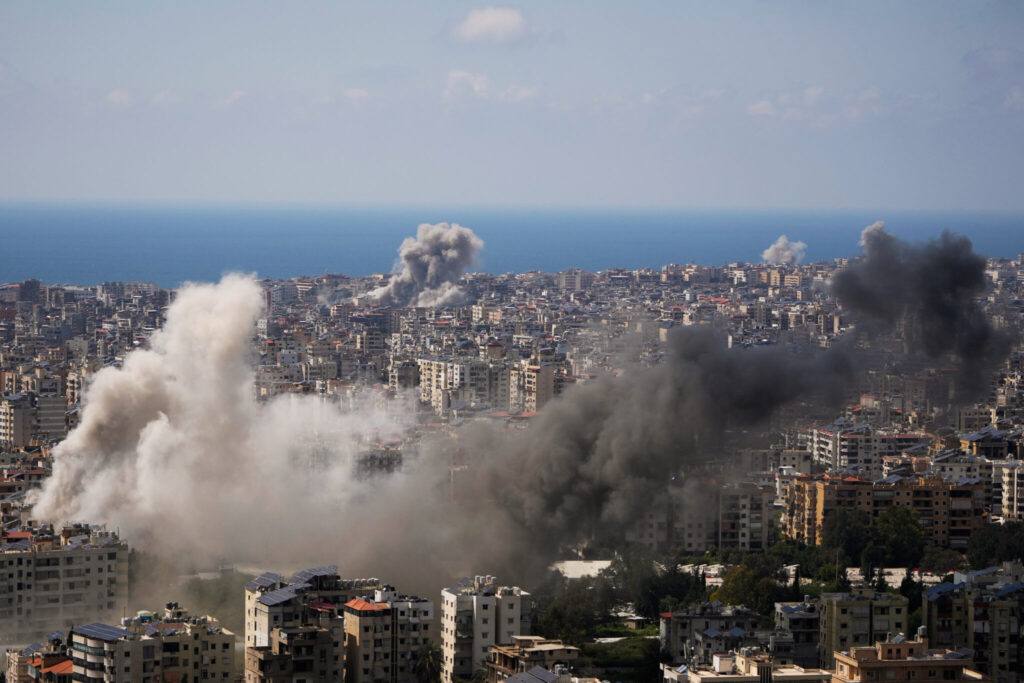
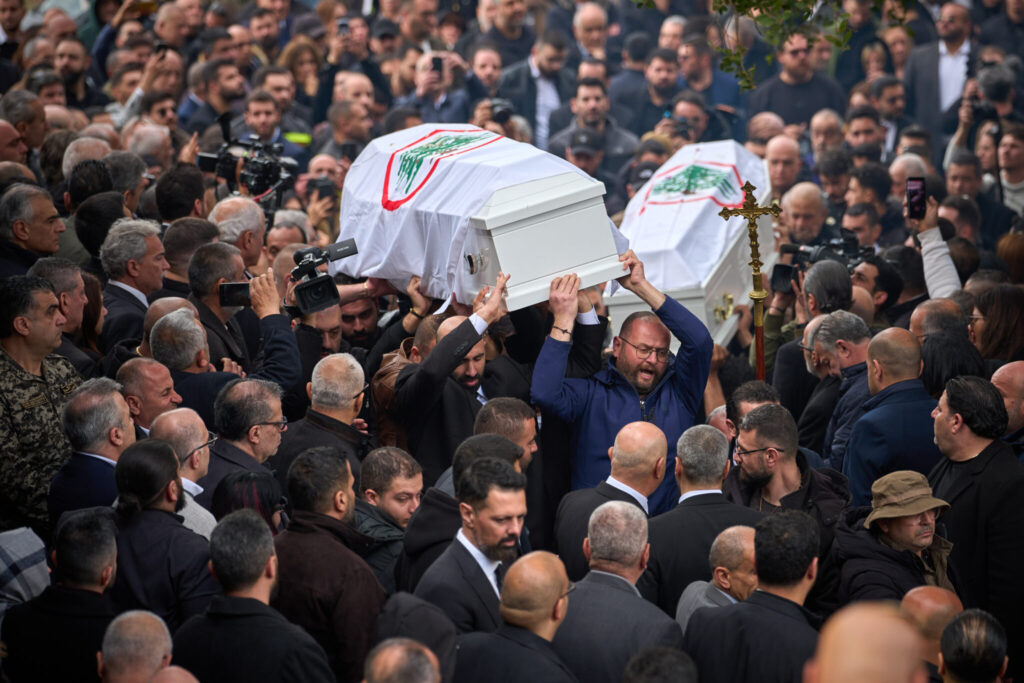
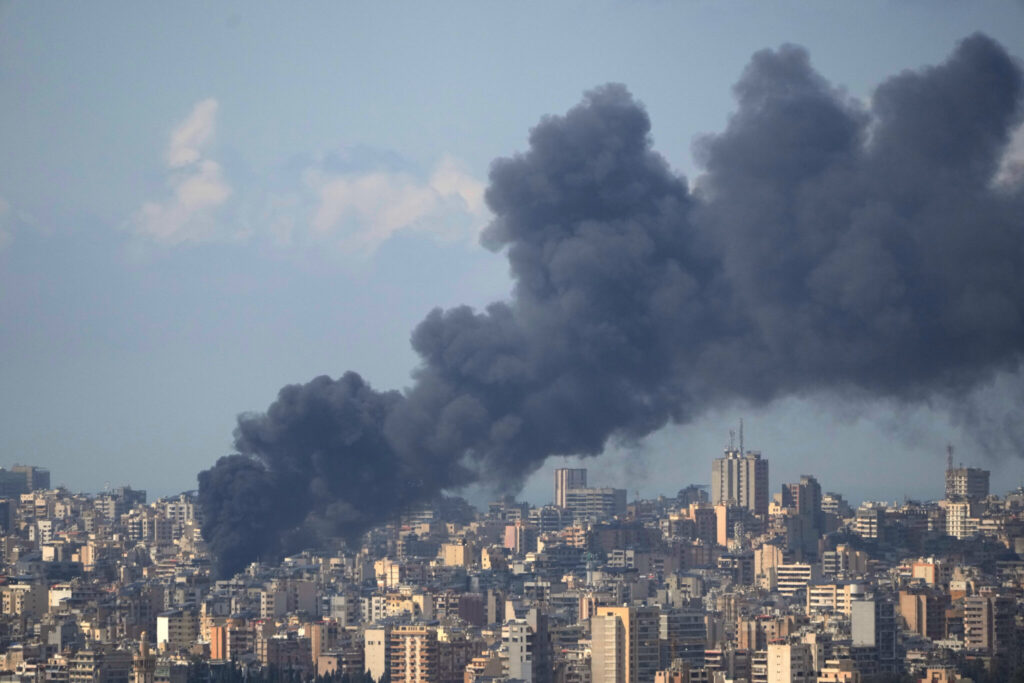
BEIRUT — Israeli airstrikes struck central Beirut Wednesday afternoon, killing at least 112 people and wounding more than 837 others, according to Lebanon’s Health Ministry, in one of the largest coordinated attacks of the ongoing conflict.
The strikes came just hours after a ceasefire was announced in the U.S.-Israeli war with Iran, briefly raising hopes for regional calm before the violence erupted again.
“That’s a separate skirmish,” Trump said in a telephone interview, explaining that the ceasefire applied only to Iran.
Massive Coordinated Strike
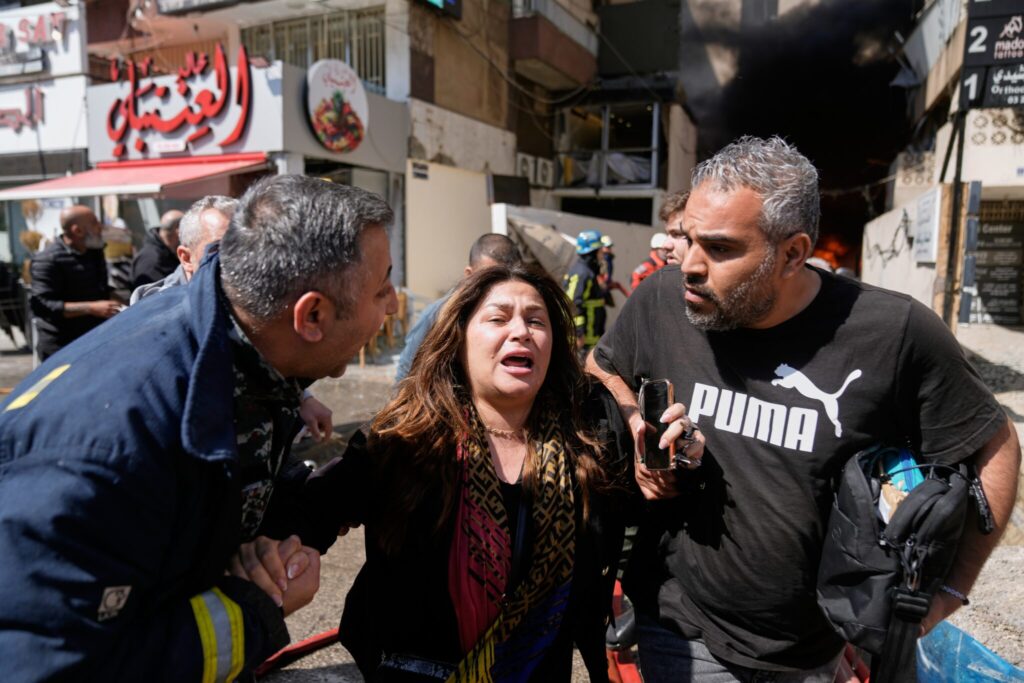
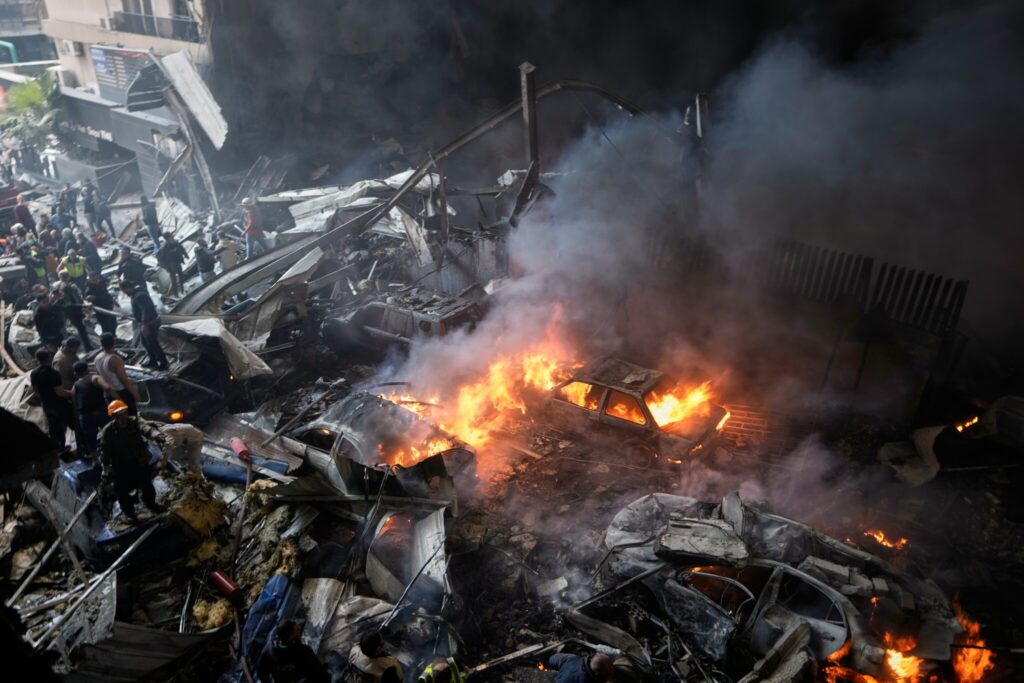
Black smoke rose across the capital as explosions rocked densely populated neighborhoods. Ambulances raced to multiple sites, and emergency crews searched through burning vehicles and collapsed buildings.
Associated Press journalists reported seeing charred bodies in cars and on the streets at Corniche al-Mazraa, one of Beirut’s busiest intersections.
Rescue workers used forklifts to remove debris and burned vehicles while searching for survivors.
Panic After Brief Hope
Earlier Wednesday, displaced families in Beirut and Sidon had begun packing their belongings after hearing news of the Iran ceasefire.
That optimism quickly turned to panic as strikes hit central Beirut during the middle of the day.
Central Beirut had previously been targeted but rarely in such a large, coordinated midday attack.
Lebanese Officials Condemn Strikes
Lebanon’s Minister of Social Affairs, Haneed Sayed, called the strikes a dangerous escalation.
“These hits are now at the heart of Beirut,” she said, noting that many displaced civilians had sought shelter in the affected areas.
Prime Minister Nawaf Salam accused Israel of striking civilian areas and disregarding international humanitarian law.
Lebanese President Joseph Aoun described the attacks as “barbaric.”
Israel Says Targets Were Hezbollah Sites
Israel’s military said the strikes targeted missile launchers, command centers, and intelligence infrastructure.
Officials accused Hezbollah fighters of dispersing into civilian neighborhoods beyond traditional strongholds.
Local residents and officials disputed those claims, saying the targeted areas were residential.
“This is a residential area. There is nothing military here,” said Beirut municipal council member Mohammed Balouza.
Hezbollah Response Unclear
In the hours following the strikes, Hezbollah had not launched immediate retaliatory attacks.
Earlier, a Hezbollah official said the group was giving mediators time to secure a ceasefire but warned it would not accept continued Israeli strikes.
“We will not accept for the Israelis to continue behaving as they did before this war,” the official said.
War Escalation
The Israel-Hezbollah conflict intensified after Hezbollah launched missiles following U.S.-Israeli strikes on Iran in late February.
Israel responded with widespread airstrikes and a ground invasion.
More than 1 million people have been displaced across Lebanon.
Families Left in Limbo
At displacement camps, families expressed despair as violence resumed.
“We can’t take this anymore, sleeping in a tent, not showering, the uncertainty,” said Fadi Zaydan, whose family had planned to return home before the strikes.
Instead, they decided to remain displaced, waiting for stability.
Fragile Regional Situation
The Beirut strikes highlight the fragile nature of the Iran ceasefire and ongoing tensions across the region.
While the ceasefire paused U.S.-Iran hostilities, fighting between Israel and Hezbollah continues.
With negotiations underway and military operations ongoing, the Middle East remains on edge.
Iran halts Strait of Hormuz oil traffic after Israel’s Lebanon attacks, Iranian media says
Iran is halting oil tanker traffic through the Strait of Hormuz after Israel attacked Lebanon, semi-official news agency Fars reported.
Pakistani Prime Minister Shehbaz Sharif said earlier that Lebanon was included in the ceasefire between Israel, the United States and Iran, but the Israeli military said attacks on Hezbollah in Lebanon would continue.
Israel today has carried out what it called the largest strikes on the country since the start of the war.
Fars said two oil tankers were allowed to cross the strait since the ceasefire came into effect.





You must Register or Login to post a comment.