Maduro Signals Willingness for Anti-Drug Agreement with U.S./ Newslooks/ WASHINGTON/ J. Mansour/ Morning Edition/ Venezuela’s President Nicolás Maduro signaled readiness for drug-trafficking talks with the U.S. However, he avoided commenting on a CIA drone strike on Venezuelan soil. Tensions remain high amid U.S. military operations and Maduro’s accusations of regime-change motives.
Venezuela Drug Policy Shift: Quick Looks
- Maduro says Venezuela is open to serious U.S. dialogue on drug trafficking
- No comment from Maduro on CIA drone strike in Venezuela
- Strike reportedly targeted cartel-linked docking area used for smuggling
- Maduro accuses U.S. of seeking regime change and oil control
- Washington has launched 35 boat strikes; at least 115 killed
- U.S. military campaign began with Caribbean deployment in August
- CIA strike marks first known U.S. operation on Venezuelan territory
- Maduro promotes further Chevron investment in Venezuela’s oil sector
Maduro Signals Willingness for Anti-Drug Agreement with U.S.
Deep Look
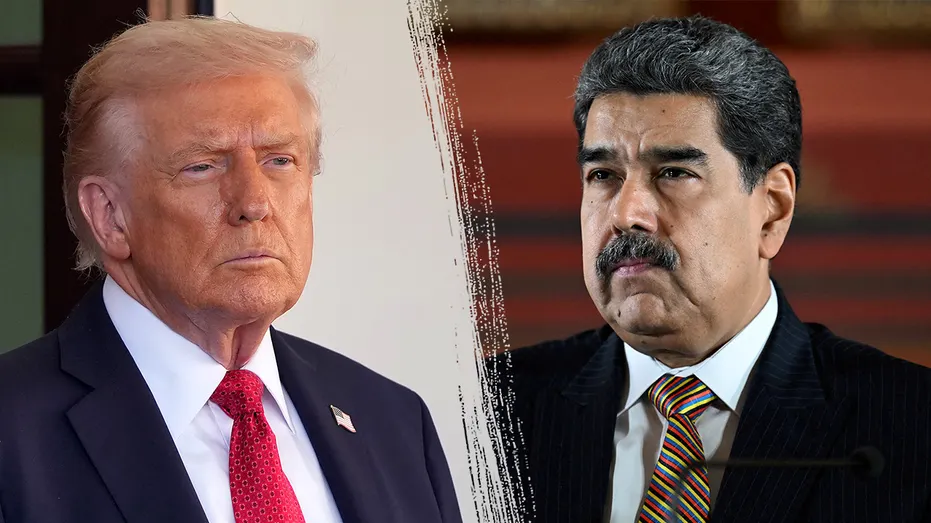
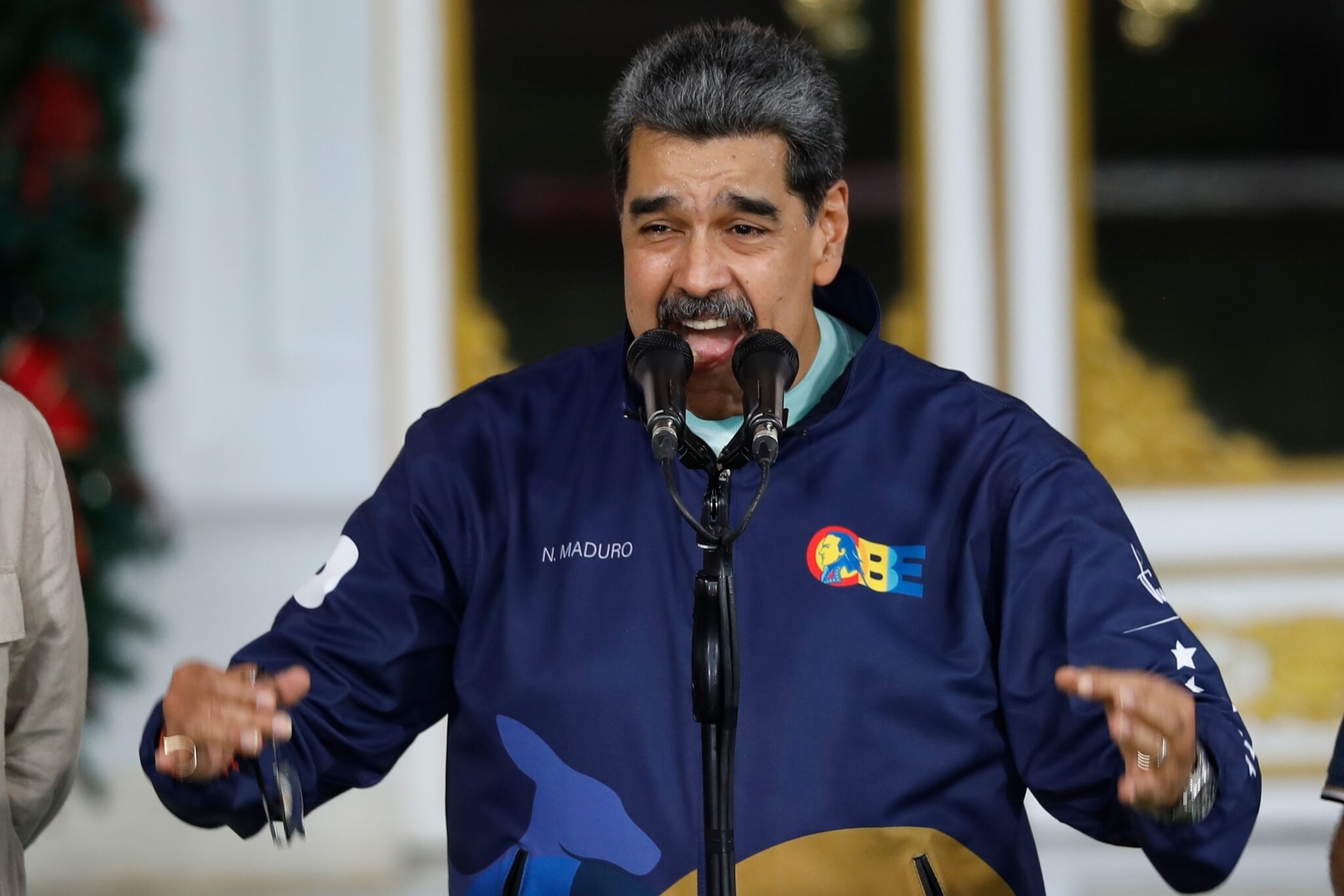
CARACAS, Venezuela — President Nicolás Maduro has expressed a willingness to engage in direct negotiations with the United States over drug trafficking, signaling a rare openness to cooperation amid escalating tensions. In a pretaped New Year’s Eve interview aired Thursday on Venezuelan state television, Maduro stated that his administration is prepared to work with the U.S. government on establishing a formal anti-narcotics agreement.
“The U.S. government knows, because we’ve told many of their spokespeople, that if they want to seriously discuss an agreement to combat drug trafficking, we’re ready,” Maduro said during his interview with Spanish journalist Ignacio Ramonet. He added that Venezuela is open to expanding oil cooperation with the United States under similar terms to existing agreements with Chevron Corp.
Chevron remains the only U.S.-based oil company legally exporting Venezuelan crude to American markets, operating under a special license despite broader sanctions. Venezuela possesses the largest proven oil reserves in the world, making its natural resources a recurring focus in geopolitical disputes.
However, while signaling a diplomatic path forward on narcotics and energy cooperation, Maduro declined to address a recent CIA drone strike on Venezuelan soil. The strike reportedly targeted a docking facility allegedly used by drug cartels, marking a significant escalation in the U.S. pressure campaign.
Two individuals familiar with the operation, who requested anonymity due to its classified nature, confirmed the CIA was behind the drone strike. The attack represents the first known U.S. intelligence operation inside Venezuelan territory since the beginning of a series of military actions launched off the country’s Caribbean coast months earlier.
The drone strike and previous naval actions form part of a broader strategy by the Trump administration, aimed at curbing the flow of illegal drugs into the United States. Since August, U.S. forces have struck 35 suspected smuggling vessels, resulting in the deaths of at least 115 individuals, including Venezuelans, according to official counts. These maritime operations have expanded from the Caribbean into the eastern Pacific Ocean.
President Donald Trump has justified the aggressive approach as a response to what he calls an “armed conflict” with international drug cartels. The Trump administration has also accused Maduro’s government of facilitating narcotics trafficking and formally charged the Venezuelan leader with narco-terrorism.
Despite the gravity of the CIA strike and its implications, Maduro avoided direct acknowledgment of the incident. “I could talk about it in a few days,” he said when asked specifically about the reported drone operation. His cautious response suggests the government is still formulating how to publicly respond to this latest move by the U.S.
In the interview, Maduro reiterated his belief that the U.S. aims to unseat his government and seize control of Venezuela’s natural resources through military intimidation.
“What are they seeking?” he asked rhetorically. “It is clear that they seek to impose themselves through threats, intimidation and force.” He maintained that now is the moment for the two nations to engage in “serious” dialogue backed by verifiable data.
While Washington continues to apply military and economic pressure, Maduro appears to be positioning himself as open to negotiation—at least in public statements. The Venezuelan leader’s dual approach of defiance toward U.S. intelligence activity and openness to economic and anti-drug cooperation highlights the complex dynamic between the two countries.
As the situation unfolds, the U.S. strategy appears to involve a combination of covert operations, economic sanctions, and open offers of dialogue—particularly regarding narcotics control. For Maduro, aligning with this overture could provide relief from international isolation while also presenting opportunities to stabilize Venezuela’s deteriorating economy. However, the CIA’s covert strike could just as easily deepen mistrust and derail any diplomatic efforts before they begin.