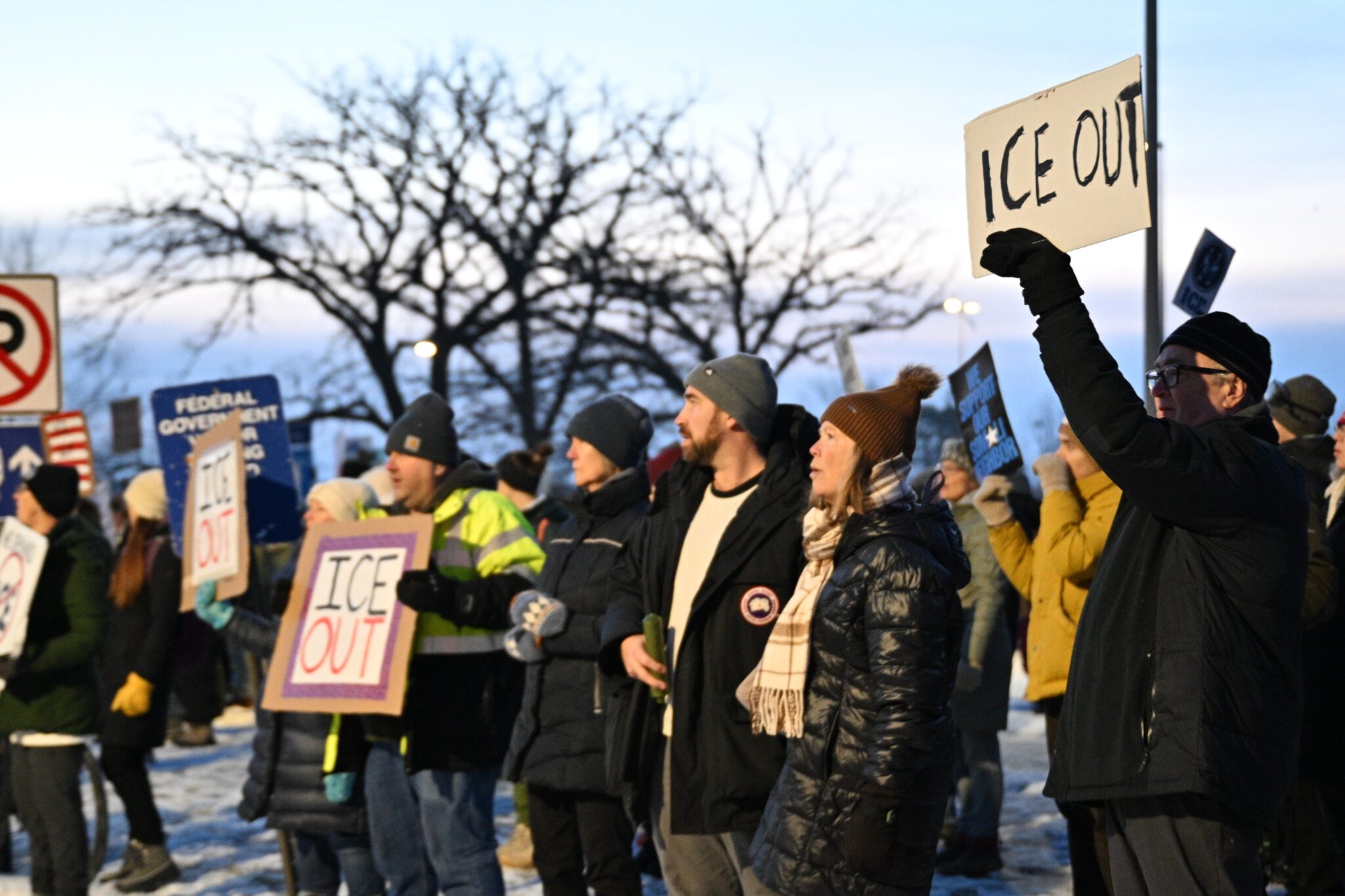
Minneapolis Protests Outside Immigration Court after ICE Officer Kills Woman/ Newslooks/ WASHINGTON/ J. Mansour/ Morning Edition/ A large protest erupted in Minneapolis after an ICE officer fatally shot Renee Nicole Macklin Good during an immigration enforcement operation. Demonstrators gathered near the federal immigration court demanding ICE’s removal from Minnesota. State officials called for calm while federal leadership defended ICE’s continued presence.
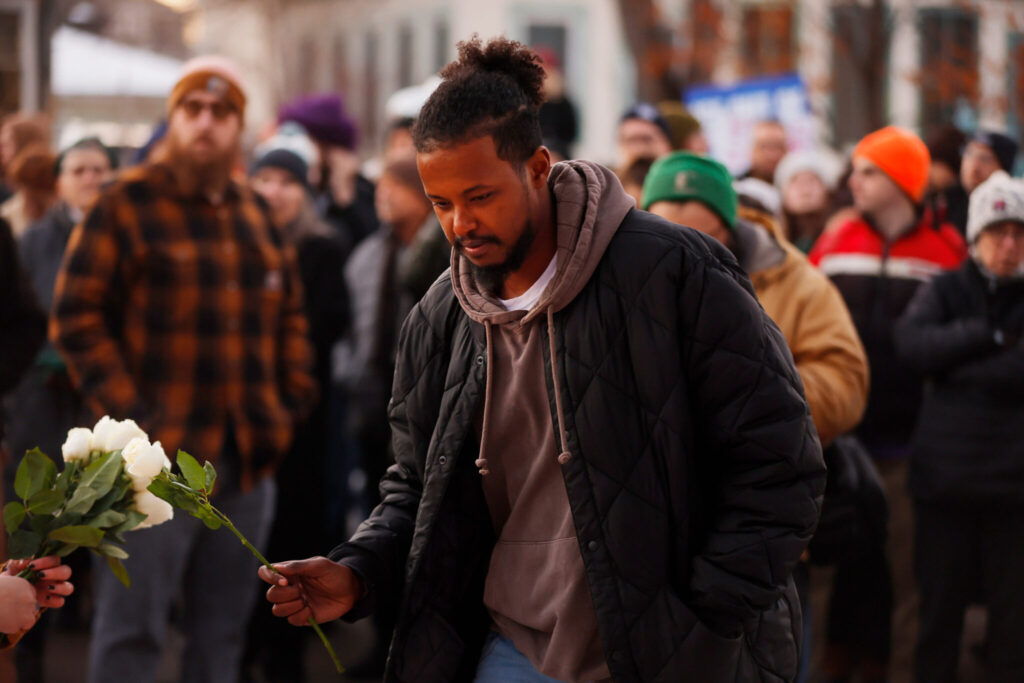
ICE Shooting Protest Quick Looks
- A 37-year-old woman, Renee Nicole Macklin Good, was fatally shot by an ICE officer
- Protests began near the Bishop Henry Whipple Federal Building at Fort Snelling
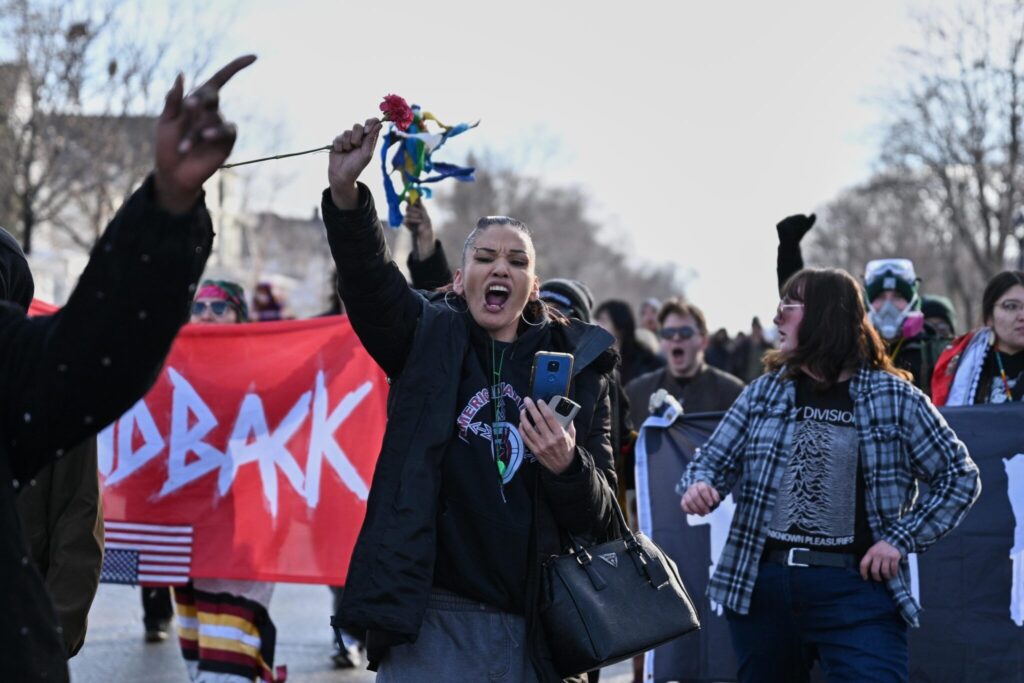
- Demonstrators chanted and held signs demanding ICE leave Minnesota
- Homeland Security Secretary Kristi Noem confirmed ICE agents will remain
- Minnesota schools canceled classes and activities as a safety precaution
- Governor urged calm amid rising tensions

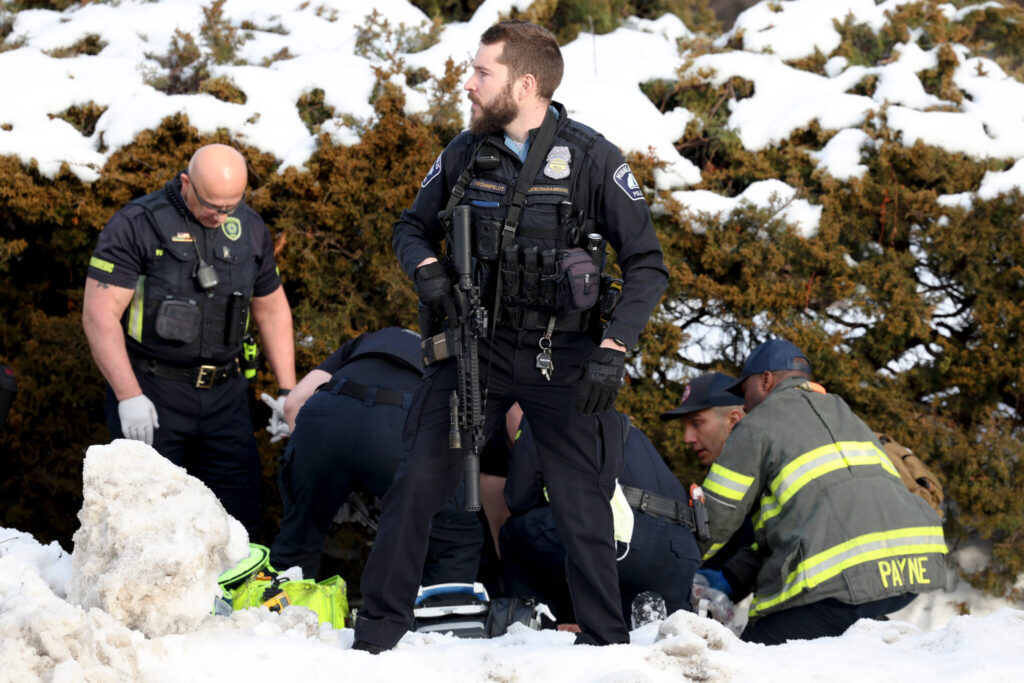
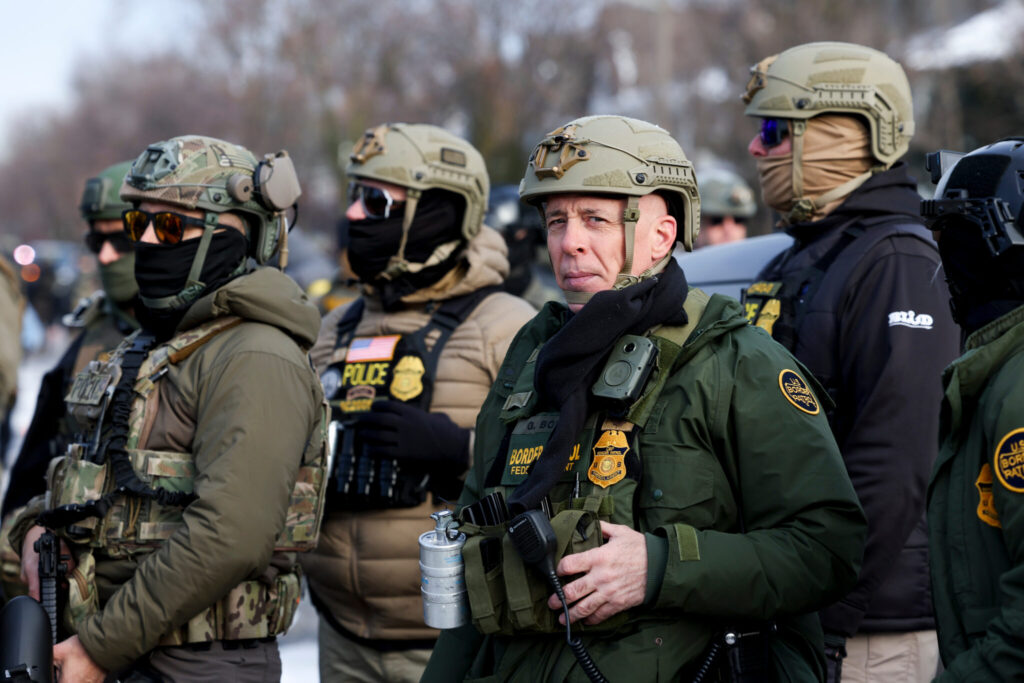
Protesters Gather Outside Minneapolis Immigration Court after ICE Officer Kills Woman
Deep Look
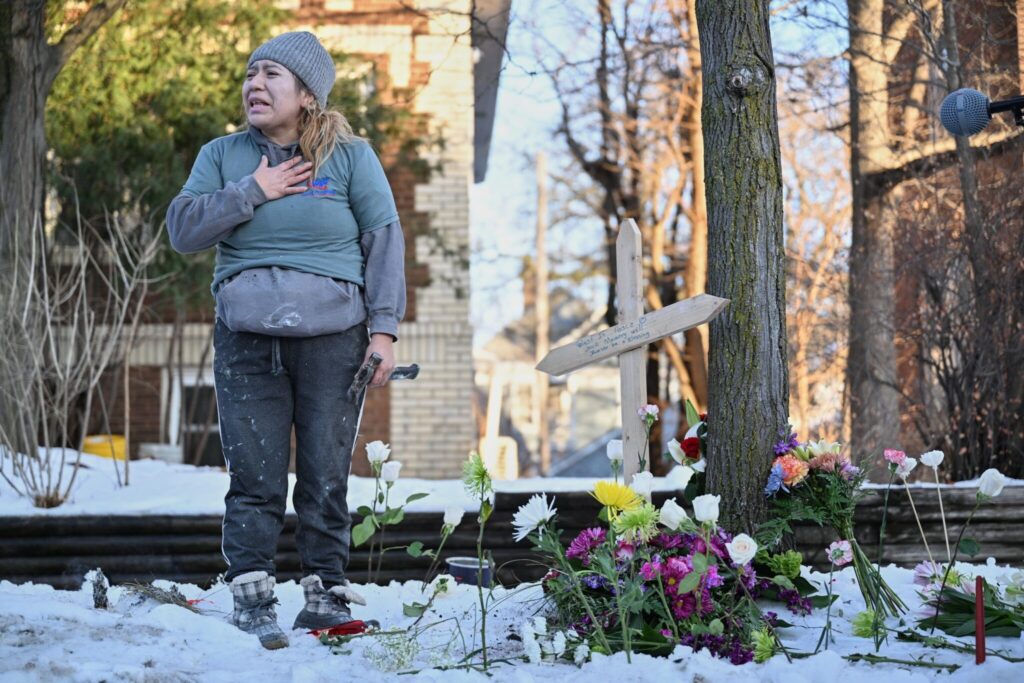
Minneapolis witnessed a tense and emotional outcry Thursday morning as protesters flooded the area outside the Bishop Henry Whipple Federal Building at Fort Snelling. This reaction came in response to the fatal shooting of Renee Nicole Macklin Good, a 37-year-old woman who was reportedly shot in the head by a U.S. Immigration and Customs Enforcement (ICE) officer. The shooting occurred during what federal officials described as an immigration enforcement action tied to new directives under the Trump administration’s revived crackdown efforts.
The Bishop Henry Whipple building, which houses multiple federal agencies including an immigration court, became the center of public outrage as community members, activists, and local leaders arrived in the early hours bundled in heavy winter clothing. Many held American flags and protest signs, demanding the removal of ICE from the state and calling attention to what they see as unjustified use of force against civilians.
Protesters chanted slogans such as “ICE Out Now,” “We Deserve to Be Safe in Our Community,” and “Resist Fascism.” Others demanded systemic change and accountability with cries of “Justice Now!” and “Quit Your Job,” directed at ICE agents and federal law enforcement officers. The atmosphere was intense but largely peaceful as people voiced their fears, grief, and anger.
State and local officials quickly responded to the incident. While details surrounding the fatal shooting remain under investigation, the response from elected leaders was swift. Minnesota Governor urged the public to remain calm and avoid further escalation, stating that community safety must be prioritized during this volatile time. In an effort to minimize potential risk, schools throughout the Minneapolis area canceled classes and extracurricular activities for the day.
Calls for ICE to cease operations in Minnesota were echoed by local leaders, including city council members and state legislators. However, Homeland Security Secretary Kristi Noem rejected such requests, firmly stating that ICE agents would continue to operate in the region.
“Our agents are following federal mandates, and they are not going anywhere,” Noem asserted during a press conference on Thursday afternoon.
This fatal encounter has reignited the national debate over immigration enforcement tactics, particularly within communities already grappling with fear and mistrust of federal agencies. The Trump administration’s renewed immigration push has been met with resistance in several cities, but the Minneapolis incident could become a flashpoint moment.
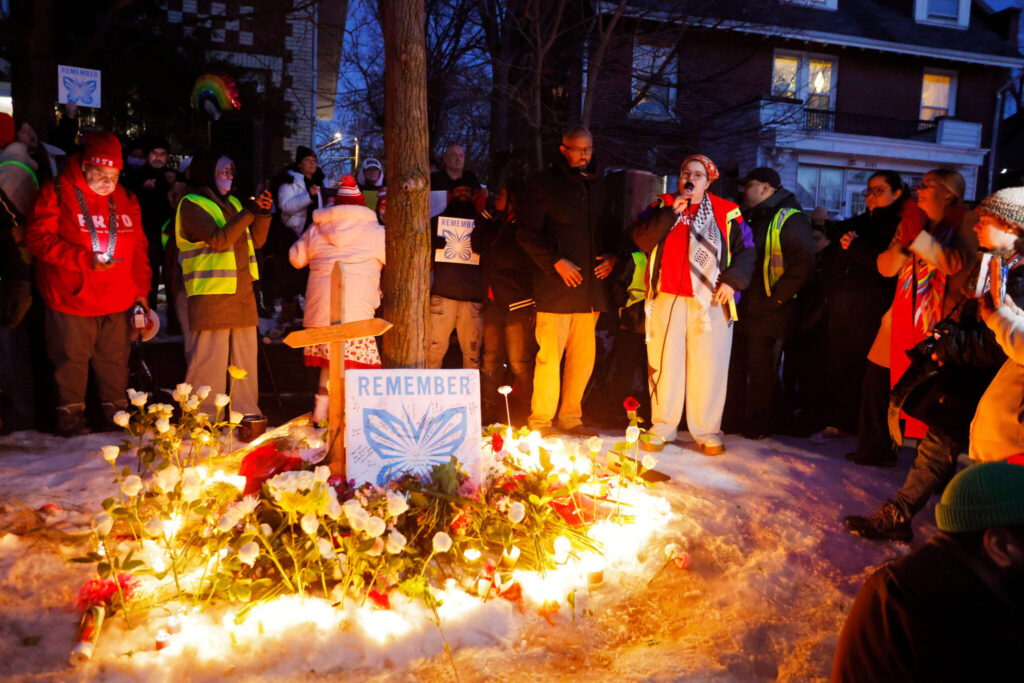
Civil rights organizations have already mobilized in response. Legal observers were reportedly present at Thursday’s demonstration, and community leaders have scheduled additional rallies and forums in the coming days to keep public attention on the issue. There is also mounting pressure for a transparent investigation into the officer’s actions, body camera footage, and a full explanation of why lethal force was used.
As Minneapolis continues to process this tragedy, the tension between federal immigration policies and local community values has reached a boiling point. Residents are demanding accountability, transparency, and a reevaluation of enforcement strategies that have too often ended in violence.
The events of January 8 could mark a pivotal moment in the relationship between federal immigration agencies and sanctuary-minded states like Minnesota. With national attention now focused on Minneapolis, the outcome of this incident may have long-term implications for immigration policy enforcement and community-federal agency relations across the country.