Minnesota Protests Erupt Over ICE Raids, Federal Lawsuit Filed/ Newslooks/ WASHINGTON/ J. Mansour/ Morning Edition/ Protests erupted across Minnesota as federal immigration enforcement escalated and tensions boiled over after an ICE officer fatally shot a Minneapolis woman. The state, alongside local governments, has filed a lawsuit against the Trump administration over what it calls unconstitutional overreach. Demonstrators and federal agents clashed repeatedly as the enforcement surge continued.
Minnesota ICE Crackdown and Protests: Quick Looks
- Federal ICE raids spark protests, clashes across Minnesota cities
- DHS deploys over 2,000 immigration officers in major enforcement surge
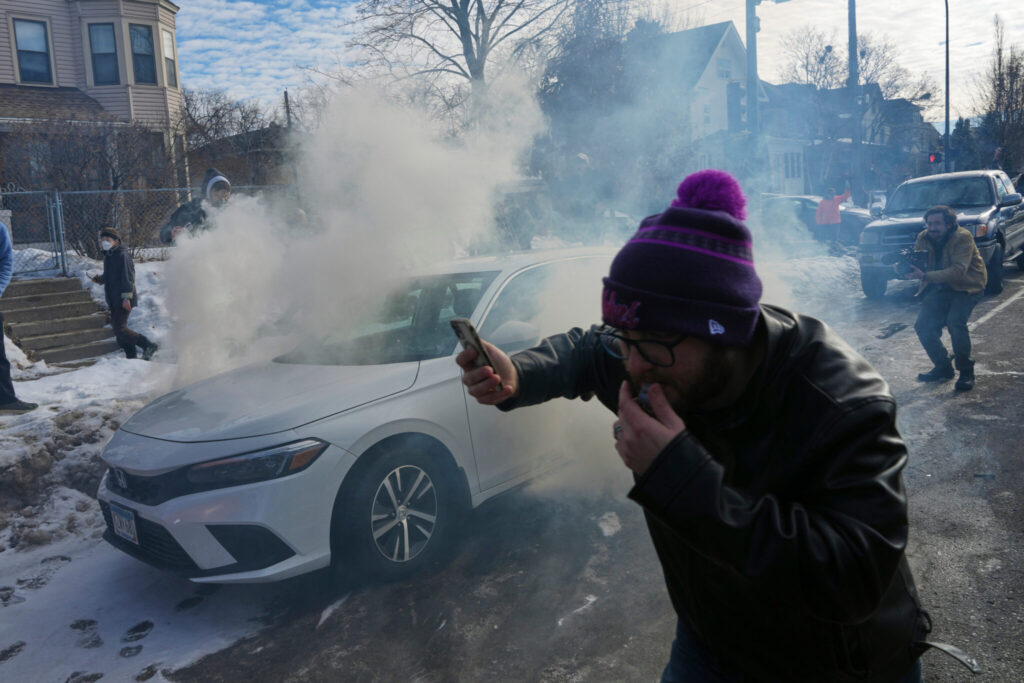
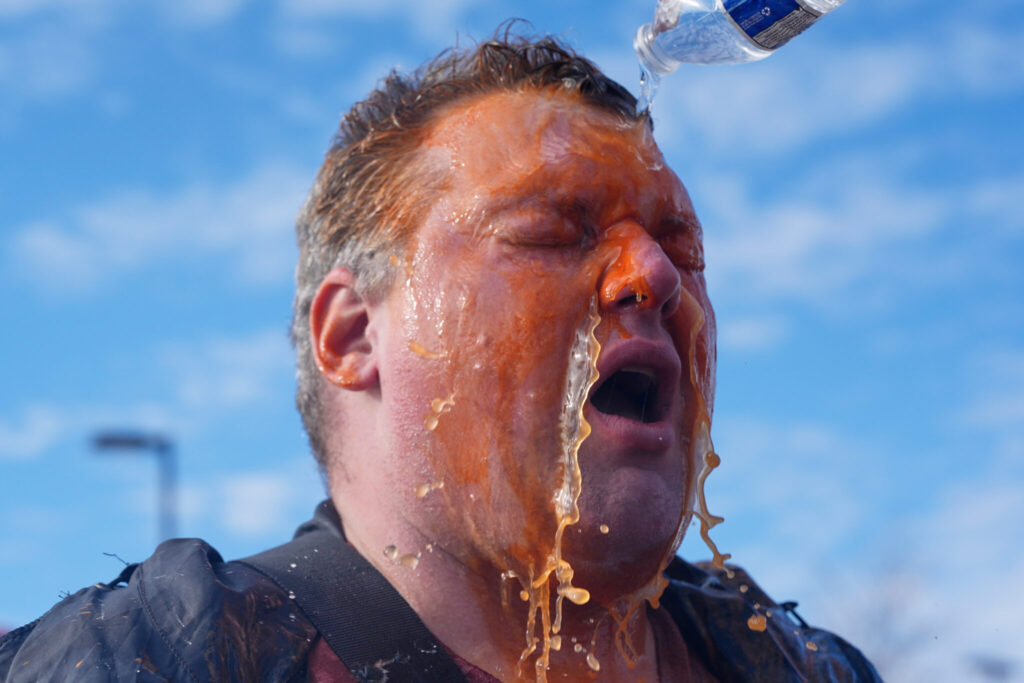
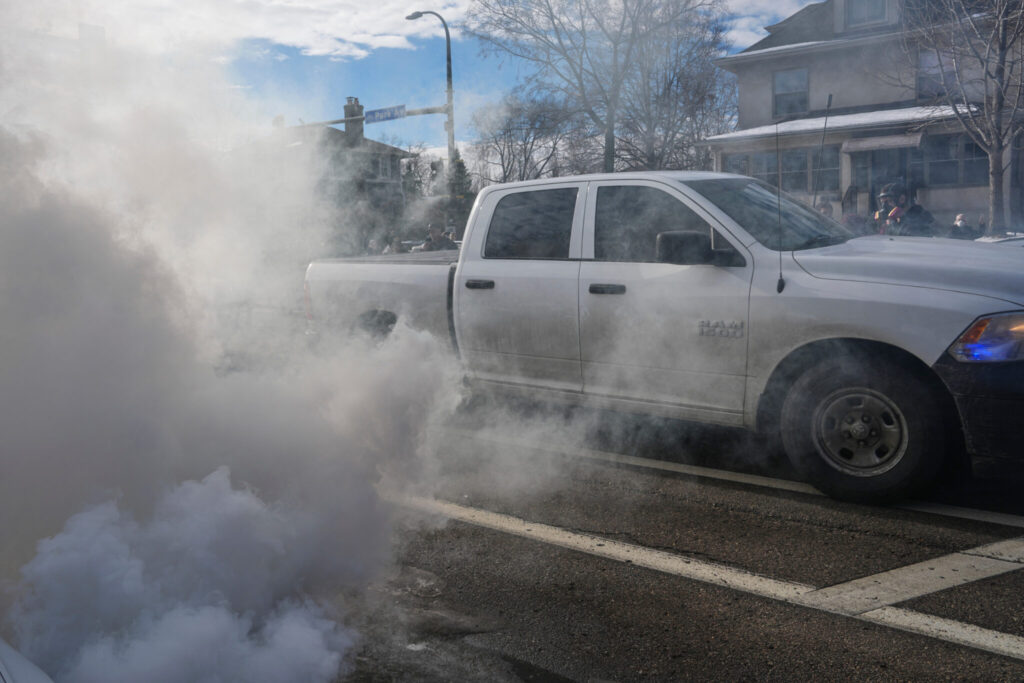
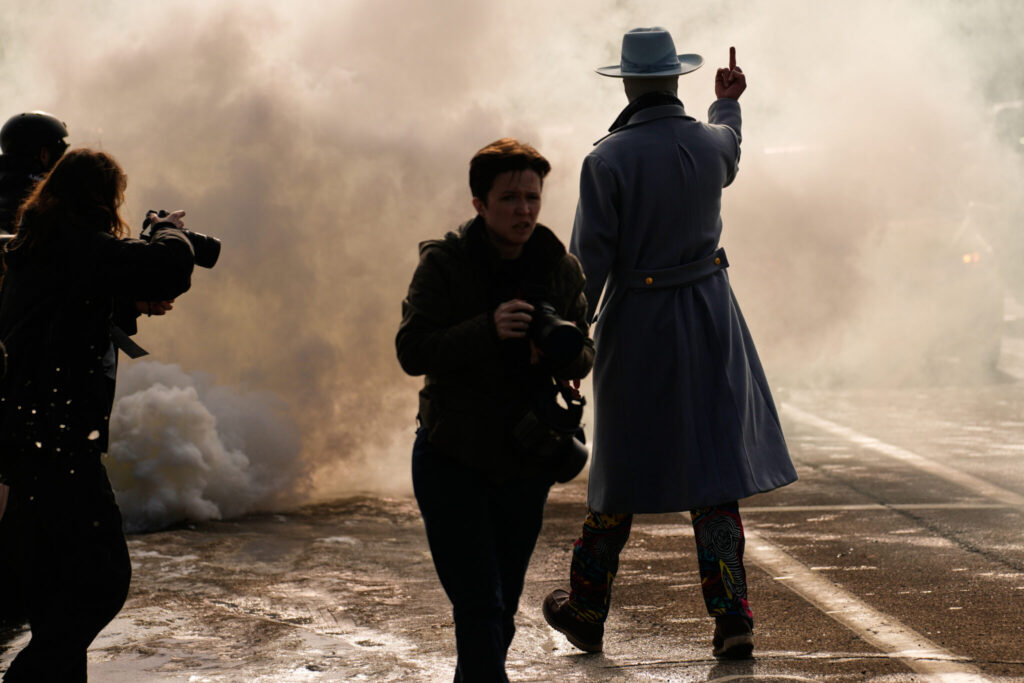
- Protesters met with tear gas outside Minneapolis and St. Cloud sites
- Renee Good’s fatal shooting by ICE agent triggers national outrage
- Minnesota, Minneapolis, and St. Paul file lawsuit against Trump administration
- Lawsuit cites violations of First Amendment and constitutional protections
- DHS defends actions, says over 2,000 arrests made since December
- Critics accuse the administration of targeting immigrant-friendly states
- Similar enforcement lawsuits filed in Illinois following mass arrests
- National protests, vigils held for Renee Good and immigration victims
Minnesota Protests Erupt Over ICE Raids, Federal Lawsuit Filed
Deep Look
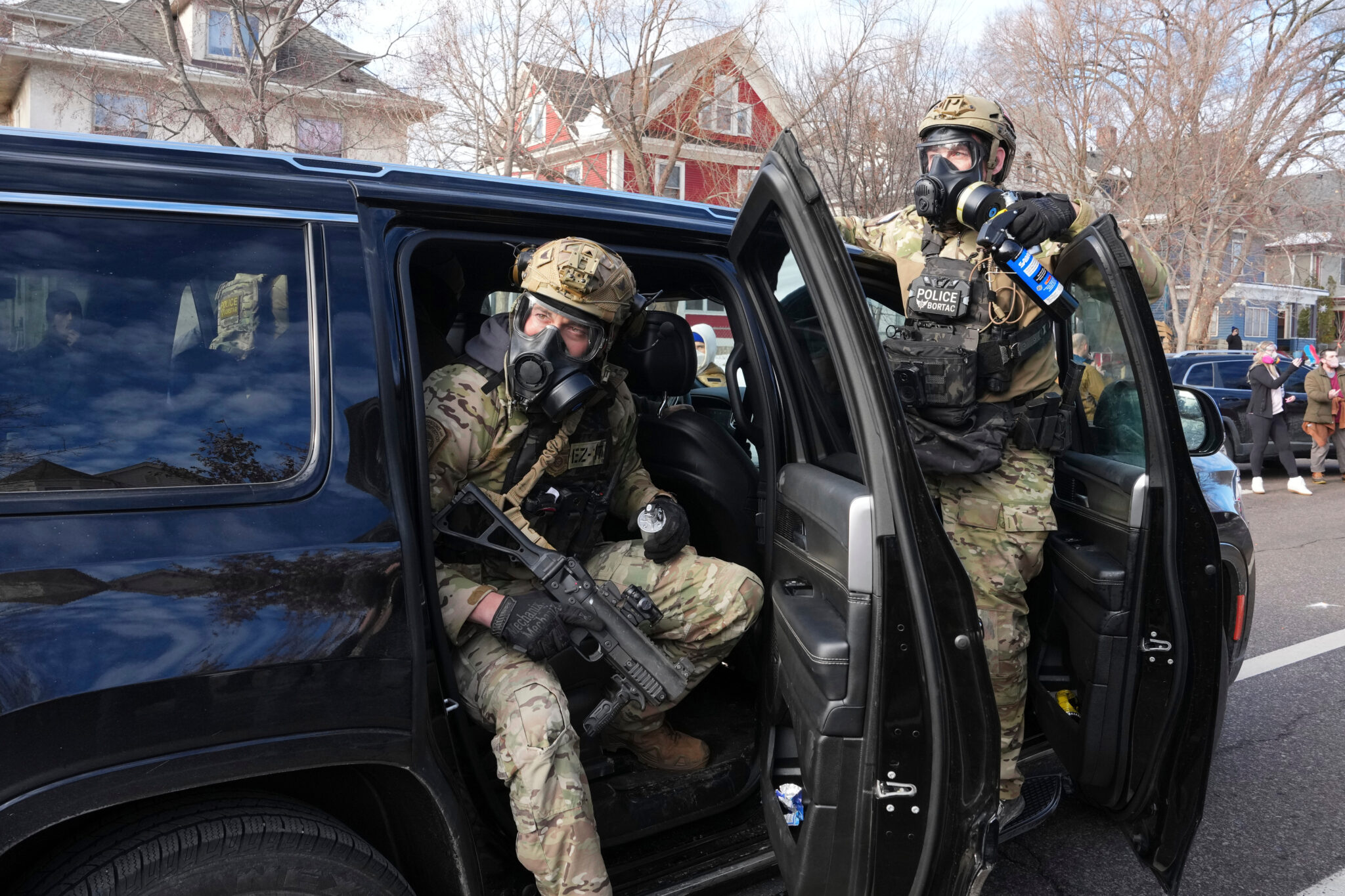
A sweeping federal immigration crackdown has thrown Minnesota into turmoil, with repeated confrontations between protesters and immigration agents intensifying throughout the state. The protests reached a flashpoint on Monday, when ICE officers used tear gas to disperse activists in Minneapolis, only days after a woman was fatally shot by an agent during a controversial traffic stop.
Demonstrators gathered in Minneapolis after federal agents reportedly stopped and questioned a man, prompting a crowd to form. Federal officers responded with tear gas, leading to clashes and growing unrest. Meanwhile, hundreds more gathered in St. Cloud, where Immigration and Customs Enforcement (ICE) operations sparked outrage outside a cluster of Somali-owned businesses.
The federal building serving as ICE’s operations hub for the region became a focus of late-night tensions, with protesters confronting law enforcement officers posted outside.
At the heart of the unrest is a large-scale federal immigration campaign announced by the Department of Homeland Security. The agency confirmed it has deployed more than 2,000 agents across Minnesota, calling it the largest immigration enforcement surge in U.S. history. Since December, DHS claims over 2,000 arrests have been made in the state alone.
The fatal shooting of 37-year-old Renee Good by an ICE officer has galvanized protesters and drawn national attention. Good, a mother of three, was shot in the head while sitting in her SUV. Her death has triggered vigils and rallies across the U.S., intensifying criticism of the Trump administration’s enforcement tactics.
In response, the state of Minnesota—along with the cities of Minneapolis and St. Paul—filed a lawsuit against the federal government on Monday. The lawsuit accuses the Department of Homeland Security of violating First Amendment rights, due process protections, and constitutional guarantees by deploying federal agents in what plaintiffs describe as a politically motivated show of force.
“This is, in essence, a federal invasion of the Twin Cities in Minnesota, and it must stop,” said Minnesota Attorney General Keith Ellison during a press conference.
The lawsuit contends that the enforcement operation unfairly targets a progressive, immigrant-friendly state with Democratic leadership. The plaintiffs seek to halt or restrict the operation and challenge the legality of ICE’s tactics.
In a sharp rebuttal, DHS spokesperson Tricia McLaughlin defended the surge, accusing Minnesota officials of prioritizing politics over public safety. “President Trump’s job is to protect the American people and enforce the law—no matter who your mayor, governor, or state attorney general is,” McLaughlin stated.
Trump officials have stood by the ICE officer who shot Renee Good, asserting that the agent acted in self-defense and that the vehicle presented a threat. However, that explanation has been strongly contested by Minnesota Governor Tim Walz, Minneapolis Mayor Jacob Frey, and others, who point to video evidence that contradicts the official account.
The controversy has drawn comparisons to similar enforcement crackdowns elsewhere. In Illinois, more than 4,300 people were arrested in “Operation Midway Blitz,” prompting another lawsuit from Chicago city officials and the state government. That case claims that mass arrests created a chilling effect in immigrant communities, discouraging residents from going to work, school, or even seeking medical help.
Back in Minnesota, activists vow to continue protesting. Demonstrations have emerged statewide, and organizers are calling for justice for Renee Good and an end to what they describe as the militarization of immigration enforcement.
Meanwhile, federal enforcement controversies are unfolding elsewhere. In Portland, Oregon, U.S. Border Patrol agents shot two people last week, including a Venezuelan national accused of using his vehicle to ram a Border Patrol vehicle. Charges have since been filed. The FBI confirmed that no video footage exists of the incident, which occurred just days before Good’s shooting—further fueling questions about transparency in immigration enforcement.
As the legal battle unfolds and tensions remain high, the nation watches closely. With immigration policy once again at the forefront of national politics, Minnesota has become the epicenter of a broader debate over the limits of federal power and the rights of immigrants and protesters alike.