Minnesota Seeks Relief as Immigration Crackdown, Raids Intensify/ Newslooks/ WASHINGTON/ J. Mansour/ Morning Edition/ A federal judge has not yet ruled on Minnesota’s bid to suspend aggressive immigration raids. State leaders say constitutional rights are being violated amid tear gas and racial profiling. The Trump administration defends the crackdown, with over 2,000 arrests since December.
Minnesota Immigration Crackdown Quick Looks
- Judge Katherine Menendez delays immediate ruling on Minnesota’s legal challenge
- State seeks pause in immigration enforcement amid violent street encounters
- Lawsuit filed by Minnesota, Minneapolis, and St. Paul targets federal actions
- Over 2,000 arrests since December, according to Homeland Security
- Mayor Frey says enforcement targets Latinos and Somalis indiscriminately
- Renee Good’s fatal shooting by ICE agent fuels protests
- Tear gas and chemical agents now common during confrontations
- Federal government has until Monday to respond to restraining order request
Minnesota Seeks Relief as Immigration Crackdown, Raids Intensify
Deep Look
MINNEAPOLIS (AP) — A federal judge on Wednesday held back from issuing an immediate decision on Minnesota’s urgent request to suspend sweeping federal immigration enforcement operations that have gripped the state in recent weeks. The request came in response to a surge of arrests and public confrontations, including the fatal shooting of a woman by an immigration agent.
The courtroom hearing marked the first major development in a lawsuit filed jointly by the State of Minnesota and the cities of Minneapolis and St. Paul. State officials argue that the Trump administration’s intensified crackdown is unlawful, excessive, and a violation of constitutional protections, including free speech and due process.
“What we need most of all right now is a pause. The temperature needs to be lowered,” said Assistant Attorney General Brian Carter during arguments before U.S. District Judge Katherine Menendez.
Although Judge Menendez refrained from granting a temporary restraining order, she indicated that the matter remains a high priority and promised to keep it “on the front burner.” The Department of Justice now has until Monday to formally respond, with state and city officials granted a few additional days for rebuttal.
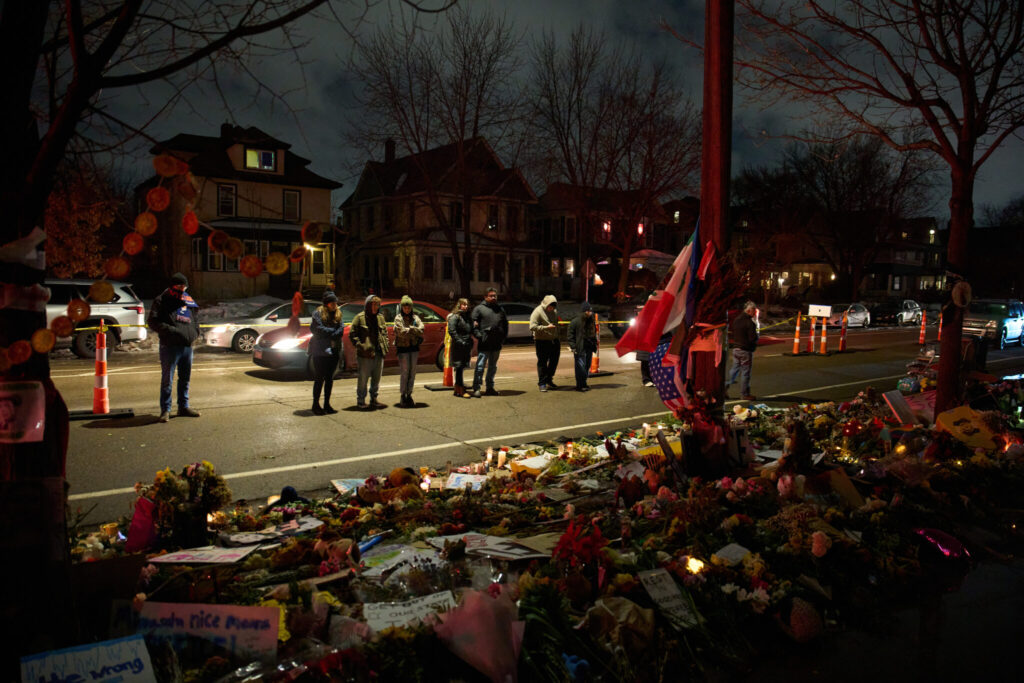
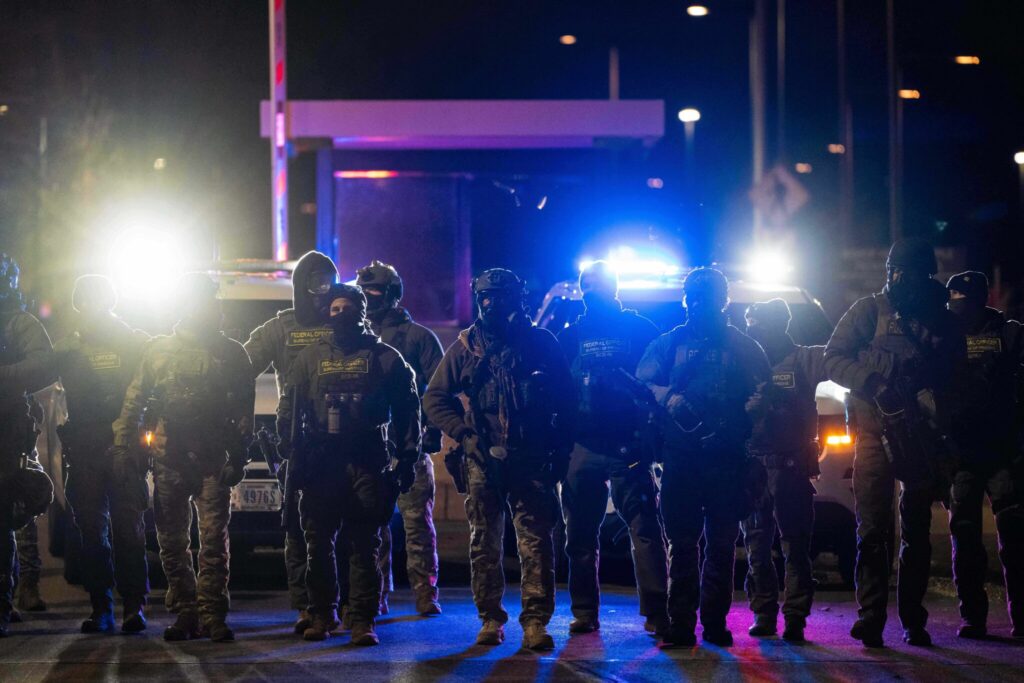
The request for judicial relief comes as unrest intensifies across Minneapolis. The city has witnessed increasingly volatile scenes, including clouds of tear gas, screeching protest whistles, and aggressive tactics by law enforcement officials. Tensions have remained high since January 7, when Renee Good was fatally shot in the head by a U.S. Immigration and Customs Enforcement (ICE) agent as she attempted to drive away from a confrontation.
The Department of Homeland Security, which oversees ICE, has confirmed more than 2,000 arrests in Minnesota since early December and vows to maintain pressure despite public outcry. Federal officials have characterized the effort as a necessary national security measure, but critics at both the state and local level argue it amounts to discriminatory targeting.
“What we see right now is discrimination taking place only on the basis of race: Are you Latino or are you Somali? And then it is indiscriminate thereafter,” Minneapolis Mayor Jacob Frey said in a televised interview with Fox News. “They are pulling people off the streets. They have pulled U.S. citizens off the streets… this has been very well documented.”
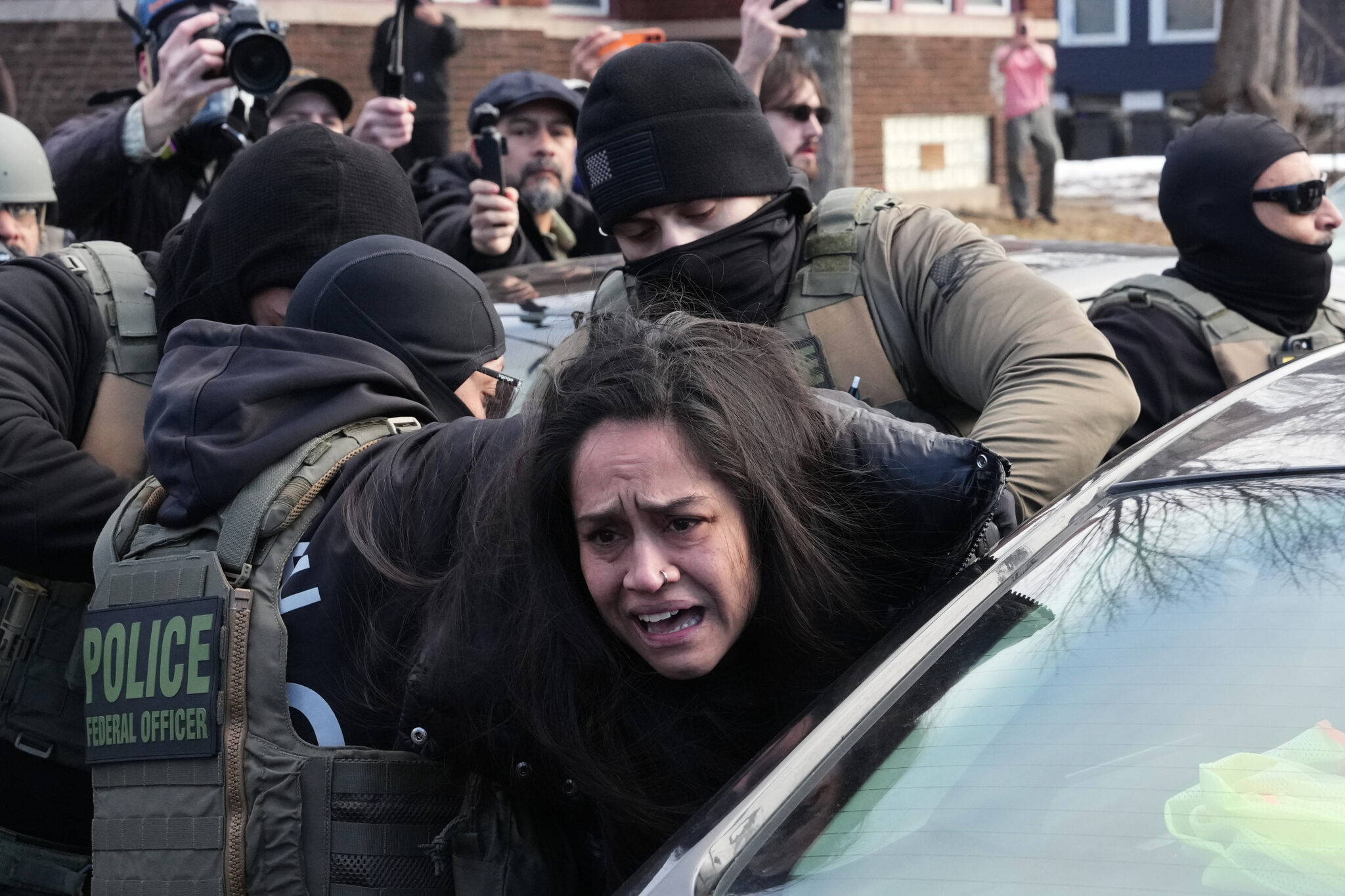
State officials and civil rights advocates argue that immigration agents have frequently ignored basic protocols, using excessive force and intimidating tactics in residential neighborhoods, traffic stops, and even during peaceful demonstrations. The shooting of Renee Good has become a flashpoint for wider protests, prompting community outrage and daily marches demanding federal accountability.
The lawsuit filed by Minnesota and its two largest cities seeks a temporary injunction to immediately halt immigration operations until the court can review the legality of the tactics being used. Officials argue that the federal government is violating residents’ constitutional rights, including protections against unlawful search and seizure, racial profiling, and limits on use of force.
Judge Menendez acknowledged the gravity of the legal questions raised, noting that there are few clear precedents to rely on in determining the legality of such broad and visible enforcement efforts. Government attorney Andrew Warden, representing the U.S. Justice Department, agreed that the cautious pace was appropriate given the complex nature of the case.
The legal dispute unfolds against a broader backdrop of national political tension over immigration enforcement. Trump’s administration has returned to a hardline stance, using federal agents more visibly and aggressively in Democratic-led states and cities.
Meanwhile, grassroots resistance has swelled in Minnesota, with immigrant advocacy groups, civil rights organizations, and city officials forming coalitions to challenge the raids in both legal and public arenas. Community leaders argue that trust between immigrant communities and law enforcement has been broken, and residents now fear simply leaving their homes.
Images of residents being pulled from vehicles by armed agents and streets shrouded in chemical agents have shocked the nation and raised concerns over whether ICE operations are operating beyond constitutional limits. The fatal shooting of Renee Good has only heightened scrutiny and brought international attention to Minnesota’s role in the national immigration debate.
Judge Menendez’s ruling, once issued, could set the tone for how federal immigration enforcement is constrained—or permitted—within state borders during the remainder of the Trump administration’s term.