

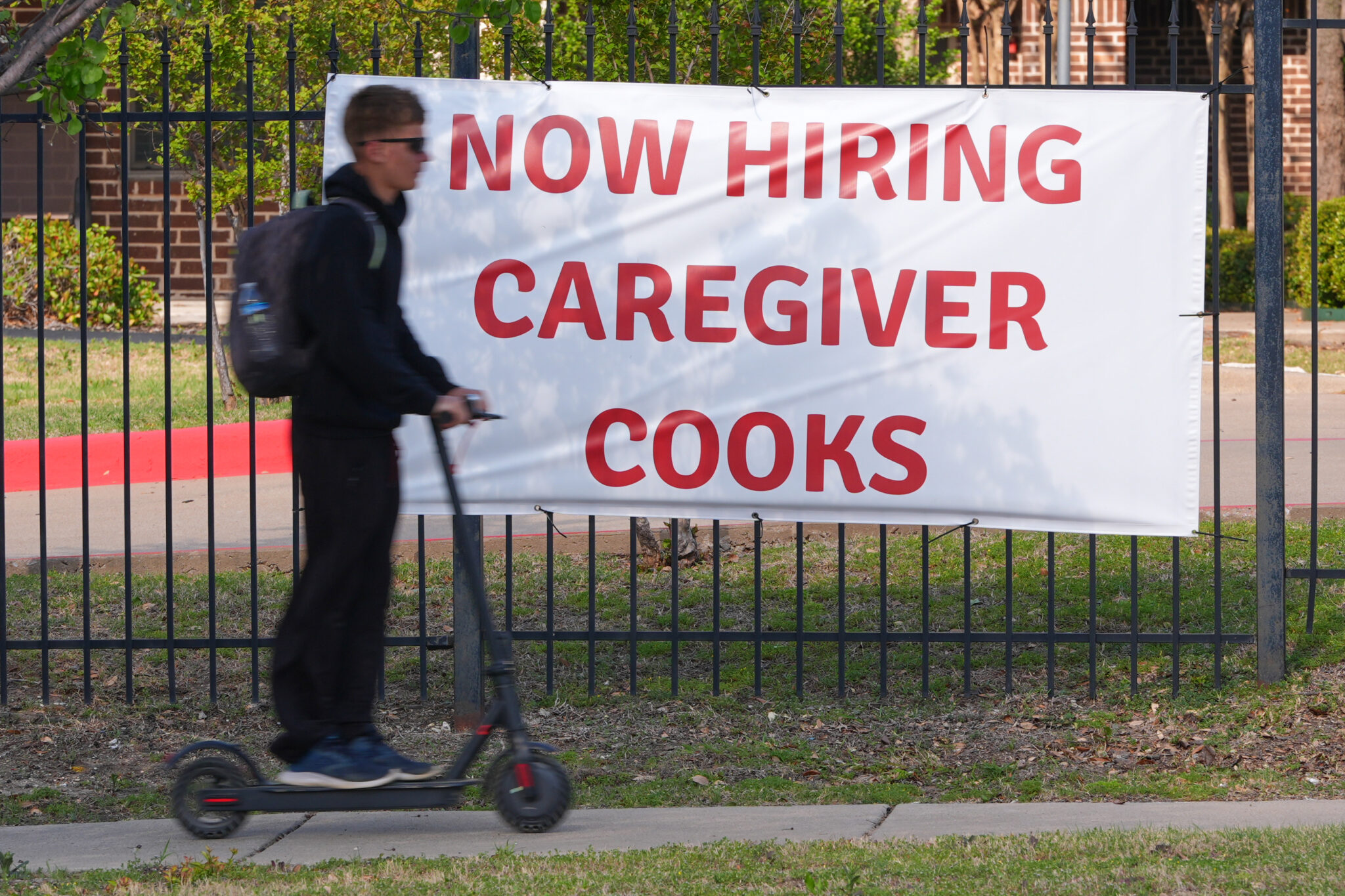
Most Americans Say Now Is A Bad Time To Look For A Job, Gallup Poll Finds/ Newslooks/ WASHINGTON/ J. Mansour/ Morning Edition/ Most Americans say it’s a bad time to find a job. College graduates and younger workers are especially pessimistic. Slow hiring is fueling concerns despite low unemployment.

Quick Looks
- Only 28% say now is a good time to find a job
- 72% say it’s a bad time
- College graduates most pessimistic
- Younger workers struggle most
- Hiring rate at lowest level in over a decade
- Economic sentiment continues to weaken
Deep Look: Most Americans Say Now Is A Bad Time To Look For A Job, Gallup Poll Finds
Americans are increasingly pessimistic about the job market, with most workers saying now is a bad time to look for a new job despite low unemployment and steady economic growth, according to a new Gallup poll.
Just 28% of workers surveyed said it’s currently a good time to find a quality job, while 72% said it’s a bad time. That marks a sharp reversal from mid-2022, when 70% of workers viewed the job market positively.
The survey, conducted during the final months of 2025, reflects growing frustration with slow hiring even as layoffs remain relatively low. Economists describe the current environment as a “low-hire, low-fire” job market, where workers keep their jobs but opportunities to move into new roles remain limited.
College Graduates Feel It Most
Pessimism is particularly pronounced among college-educated workers. Only 19% of workers with a college degree said now is a good time to find a quality job, compared with 35% of workers without a college degree.
Hiring in many white-collar sectors — including technology, advertising and customer service — has slowed significantly over the past two years. That slowdown has made it more difficult for college graduates to find new opportunities.
Gallup also found that optimism among college graduates has fallen to its lowest level since 2013. The gap between college-educated workers and those without degrees is now the widest since Gallup began tracking the data in 2001.
Younger Workers More Negative
Younger workers expressed the most pessimism about job opportunities. Only about 2 in 10 workers ages 18 to 34 said now is a good time to find a job. In contrast, roughly 4 in 10 workers age 65 and older viewed the job market more favorably.
Younger workers are also more likely to be actively searching for jobs or monitoring new opportunities. Meanwhile, about three-quarters of baby boomers reported they are not looking for new employment at all.
Hiring Rate Drops To Decade Low
Government data supports the survey’s findings. The Labor Department’s hiring rate — which measures how many workers are hired each month — fell to 3.2% last November, the lowest level since 2013.
That level was last seen when unemployment was 7.5% following the Great Recession, suggesting it may now be harder to find jobs despite today’s lower unemployment rate.
Data also shows there are now more unemployed Americans than available jobs. About 7.4 million people are unemployed, compared with 6.9 million open positions — a reversal from the post-pandemic period when job openings outnumbered job seekers.
Broader Economic Concerns
Gallup also found workers’ views of their current and future life situations are at their lowest level since 2009. Other surveys reflect similar concerns.
The Conference Board’s consumer confidence index dropped to 91.2 in February, down from nearly 130 before the pandemic and close to pandemic-era lows.
While more Americans still say jobs are easier to find than hard to get, that gap has steadily narrowed in recent years.
The Gallup poll surveyed more than 22,000 full-time and part-time U.S. workers, with results highlighting growing anxiety about job opportunities even as overall economic indicators remain relatively stable.
With hiring sluggish and economic uncertainty rising, worker pessimism about the job market appears likely to persist in the months ahead.






You must Register or Login to post a comment.