

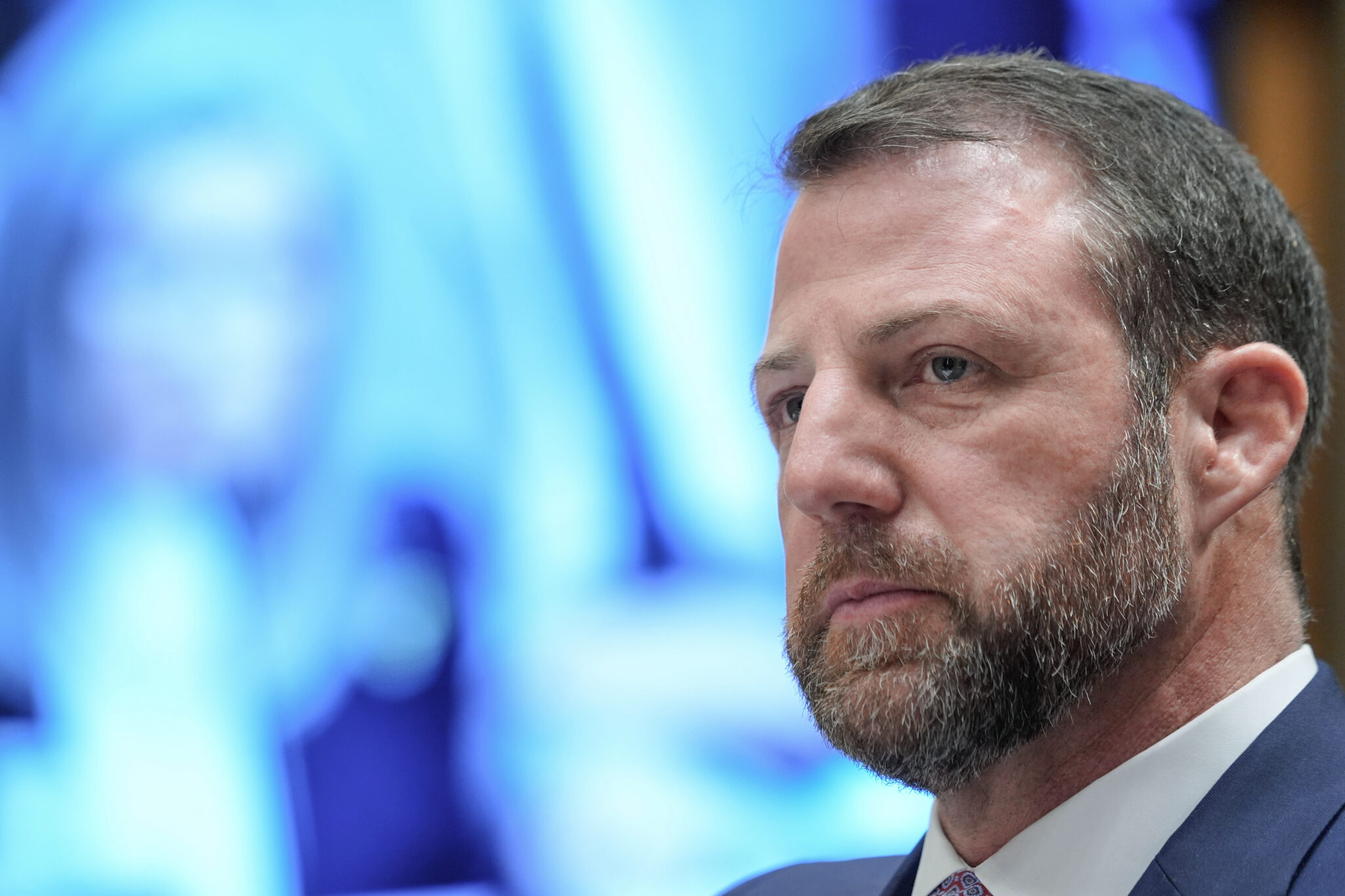
Mullin DHS Nomination Advances Despite Rand Paul Opposition/ Newslooks/ WASHINGTON/ J. Mansour/ Morning Edition/ Sen. Markwayne Mullin’s nomination for homeland security secretary advanced from committee by a narrow vote. The vote exposed bipartisan crossover, with Rand Paul opposing and John Fetterman supporting the nominee. The contentious confirmation fight comes amid a broader clash over DHS policy and funding.
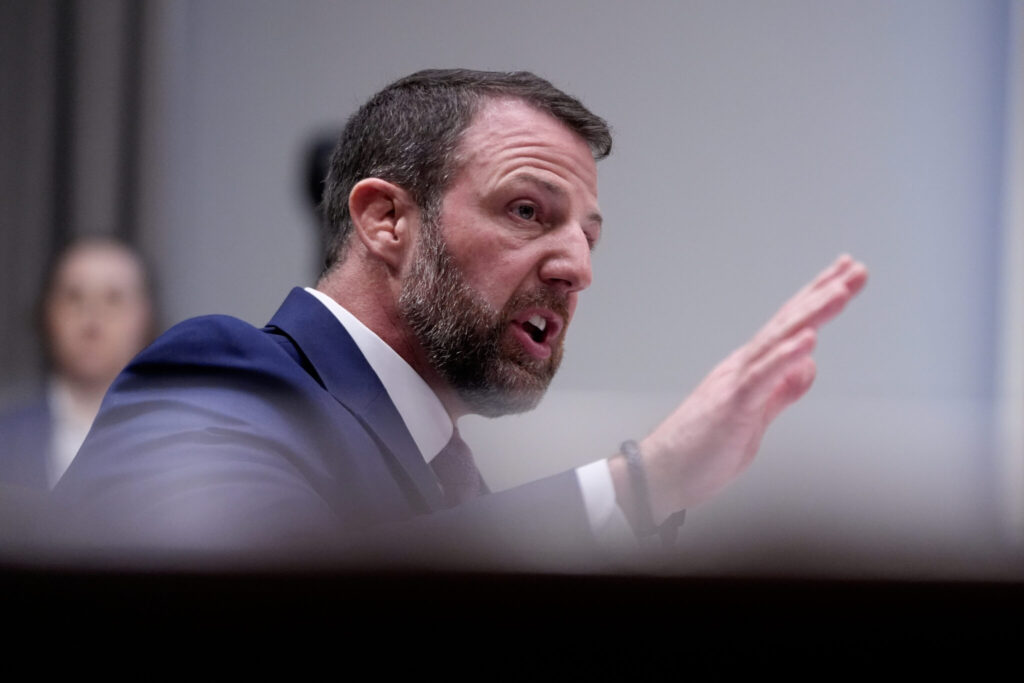
Markwayne Mullin DHS nomination Quick Looks
- Mullin’s nomination advanced to the full Senate on an 8-7 committee vote.
- Republican Sen. Rand Paul voted against the nomination.
- Democratic Sen. John Fetterman voted in favor.
- The full Senate could take up the nomination soon.
- Mullin presented himself as a steady choice for DHS leadership.
- He also aligned himself with President Donald Trump’s immigration agenda.
- The confirmation process turned combative during the committee hearing.
- The nomination fight is unfolding during a prolonged dispute over DHS funding and policy.
Deep Look: Mullin DHS Nomination Advances Despite Rand Paul Opposition
Sen. Markwayne Mullin moved one step closer to becoming the next U.S. homeland security secretary after a sharply divided Senate committee advanced his nomination to the full Senate. The narrow vote underscored both the political sensitivity of the Department of Homeland Security role and the turbulence surrounding the nomination itself.
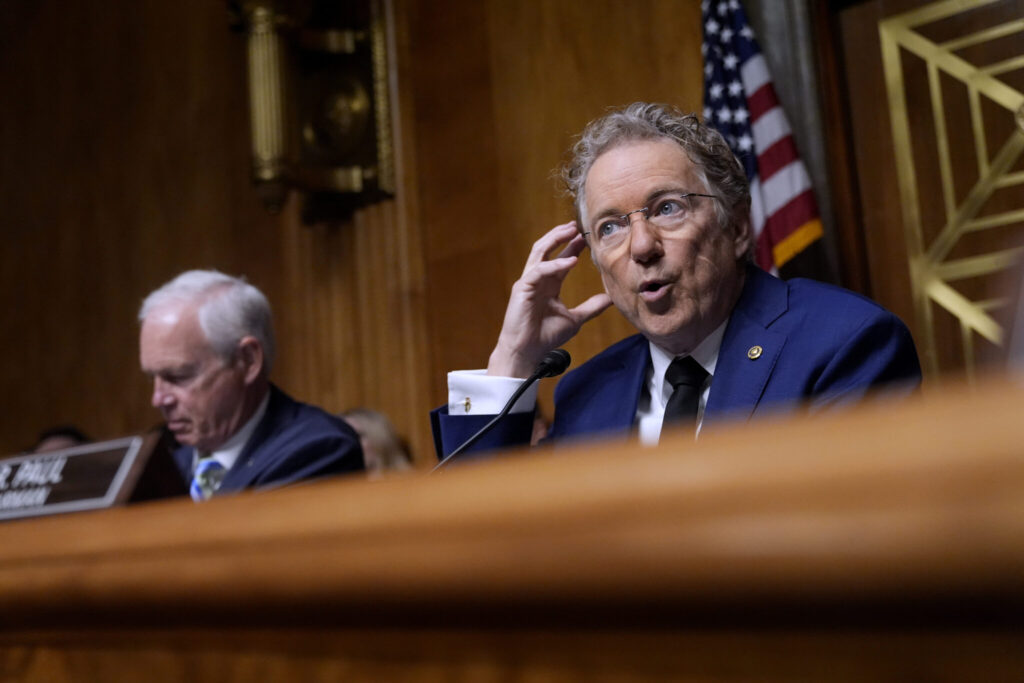
The committee approved Mullin on an 8-7 vote, sending his nomination to the Senate floor, where lawmakers could consider final confirmation in the coming days. The tally stood out because it broke along unusual lines. Republican Sen. Rand Paul, who chairs the committee, opposed Mullin, while Democratic Sen. John Fetterman crossed party lines to support him. That unusual split reflected the personal and political tensions that have shaped Mullin’s confirmation fight.
Mullin’s hearing before the Senate Homeland Security and Government Affairs Committee was notably confrontational. What is often a formal policy-focused exercise instead featured heated exchanges, accusations, and open hostility. Mullin sparred with Democrats and also clashed directly with Paul, who used the hearing to question whether Mullin has the judgment and temperament to lead one of the federal government’s most powerful departments.
A major source of friction was Paul’s criticism of comments Mullin made in the past about him. Paul referenced earlier remarks in which Mullin called him a snake and spoke in a way Paul said appeared to excuse violence against a political opponent. Paul argued that such rhetoric raises serious concerns about whether Mullin should oversee an agency that already faces intense scrutiny over the use of force and the limits of federal power.
Mullin rejected Paul’s criticism and pushed back forcefully during the hearing. He also faced questions over a congressional trip he had not disclosed while serving in the House, which he described as classified. That issue added to the sense that the hearing was as much about credibility and conduct as it was about policy.
Even so, Mullin sought to frame himself as a stabilizing figure for DHS. He argued that he could provide steadier leadership after the controversial tenure of former homeland security secretary Kristi Noem. He also made clear that he supports Trump’s immigration priorities, which remain central to the administration’s homeland security agenda and to the partisan conflict surrounding the department.
That broader conflict matters because the nomination is unfolding against the backdrop of a lengthy DHS funding lapse. The department has become a flashpoint in the fight over immigration enforcement, border policy, and federal authority. With lawmakers already bitterly divided over those questions, the confirmation process has taken on extra weight as both parties look to shape the direction of the agency.
Fetterman’s support was especially notable because it gave Mullin a Democratic vote at a moment when partisan positions around DHS have hardened. Fetterman said his backing was based on a constructive working relationship with Mullin and on concerns about national security. His vote suggested that personal relationships and institutional considerations can still influence nominations even during highly polarized fights.
The nomination now heads to the full Senate, where Mullin is likely to face continued scrutiny but also appears to have momentum. His advancement out of committee does not guarantee confirmation, yet it signals that enough senators are willing to move past the contentious hearing and give the full chamber the final say.
At its core, the fight over Mullin is about more than one Cabinet nominee. It reflects a larger struggle over who should lead DHS at a moment when the department sits at the center of some of the country’s fiercest policy battles. The committee vote made clear that Mullin remains a divisive figure, but it also showed that opposition inside his own party has not stopped his nomination from moving forward.





You must Register or Login to post a comment.