

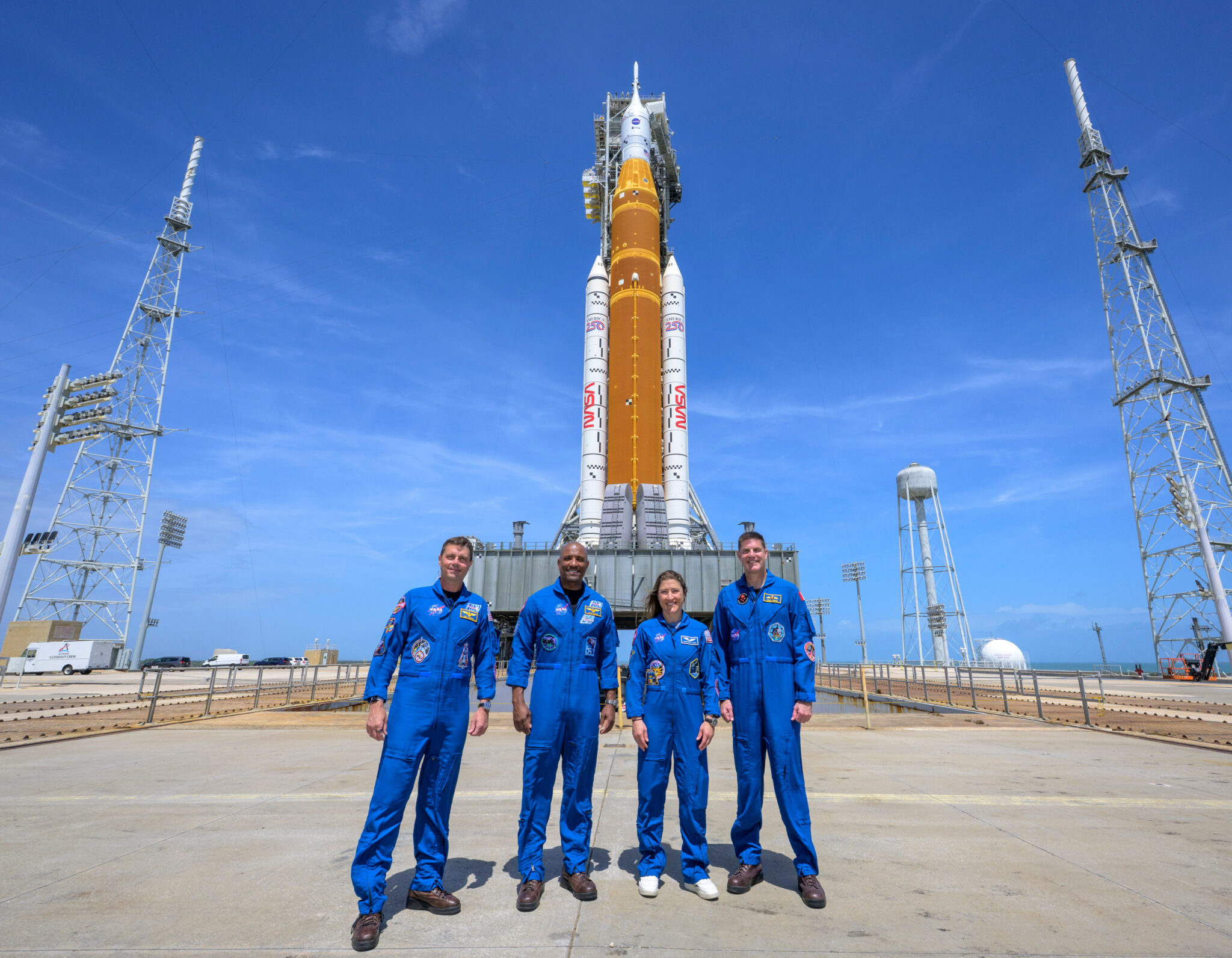
NASA Fueling Rocket to Launch Astronauts on 1st Lunar Trip in Half a Century/ Newslooks/ WASHINGTON/ J. Mansour/ Morning Edition/ NASA began fueling its Artemis II rocket for the first human lunar mission since 1972. Four astronauts are set to fly around the moon and return to Earth. The mission marks the start of NASA’s plan to establish a permanent lunar presence.
NASA Artemis II Moon Launch — Quick Looks
- NASA begins fueling Space Launch System rocket
- First human moon mission in over 50 years
- Four astronauts set for lunar flyby
- Launch window opens at 6:24 p.m. EDT
- No hydrogen leaks reported so far
- 700,000 gallons of fuel required
- Crew includes three Americans and one Canadian
- Artemis II to set distance record
- Mission supports 2028 lunar landing goal
- Historic return to deep space exploration
Deep Look: NASA Fueling Rocket to Launch Astronauts on 1st Lunar Trip in Half a Century
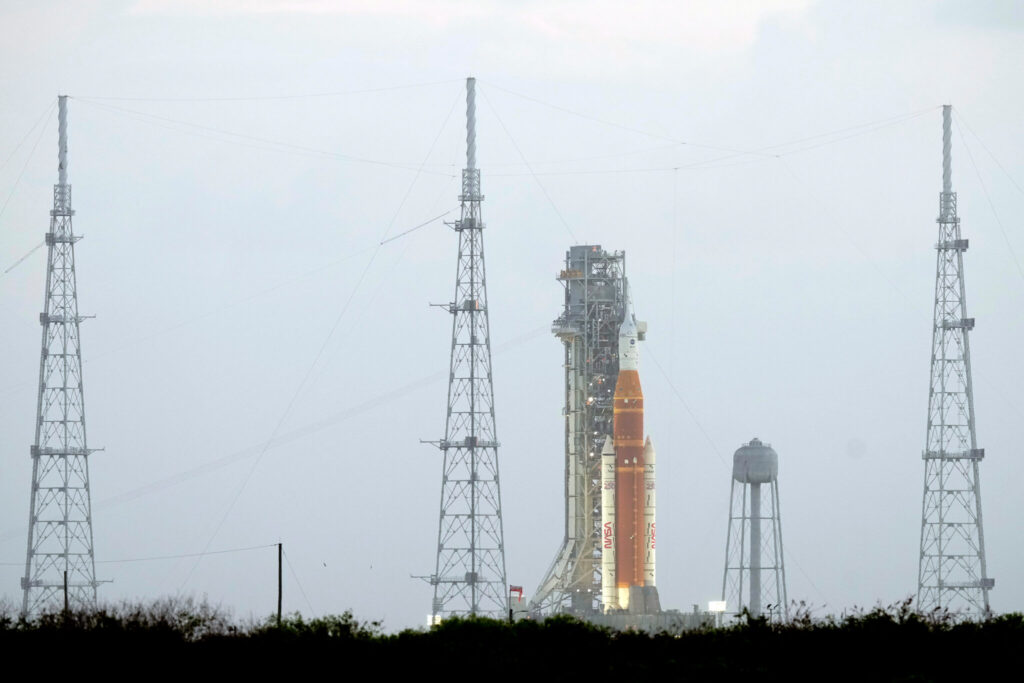
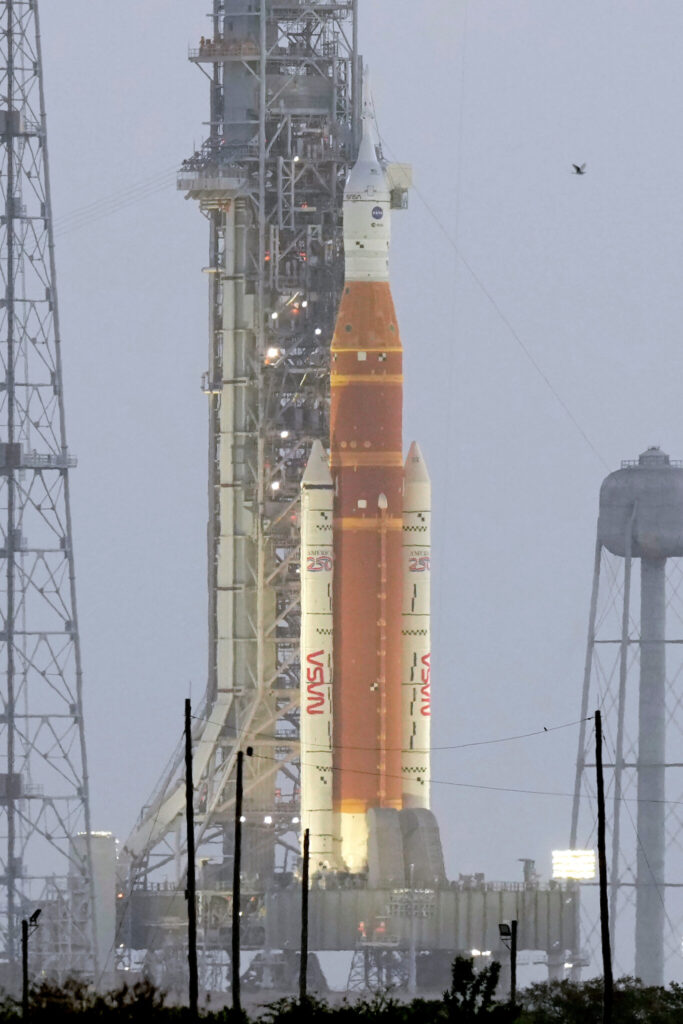
NASA began fueling its Space Launch System rocket Wednesday, marking a major step toward humanity’s first crewed mission to the moon in more than half a century. The Artemis II launch from Cape Canaveral, Florida, is scheduled for later in the day, with a two-hour launch window opening at 6:24 p.m. EDT.
The fueling process is one of the most critical and risky phases of launch preparations. More than 700,000 gallons of propellant must be loaded into the 32-story rocket before the astronauts board. Engineers closely monitored the operation after earlier hydrogen leaks forced delays during previous countdown tests.
By mid-morning Wednesday, NASA reported no hydrogen leaks, easing concerns and boosting confidence that the mission could proceed as scheduled.
“Tensions were high,” officials acknowledged, given the technical challenges experienced earlier this year. Hydrogen fuel is extremely volatile, and even small leaks can lead to launch delays or safety concerns.
If successful, Artemis II will mark the first time astronauts travel to the moon since NASA’s Apollo 17 mission in 1972. The mission will send four astronauts on a lunar flyby without landing or entering orbit. Instead, the spacecraft will swing around the moon and return directly to Earth.
The crew includes NASA astronauts Reid Wiseman, Christina Koch, and Victor Glover, along with Canadian Space Agency astronaut Jeremy Hansen. The flight will also set several milestones.
Hansen will become the first non-American to travel toward the moon. Koch will be the first woman assigned to a lunar mission, and Glover will be the first Black astronaut to fly to the moon.
Commander Reid Wiseman expressed optimism ahead of launch, posting on social media: “It is time to fly.”
The mission will push astronauts farther from Earth than ever before. The spacecraft is expected to travel approximately 4,000 miles beyond the moon before turning around and heading back toward Earth for a splashdown in the Pacific Ocean.
NASA officials describe Artemis II as the next major step in a broader exploration strategy. The mission will test systems and operations needed for future lunar landings and long-term exploration.
“The next era of exploration begins,” NASA Administrator Jared Isaacman said ahead of launch.
NASA’s Artemis program aims to establish a sustained human presence on the moon, including a planned landing near the lunar south pole in 2028. Scientists are particularly interested in the south pole region because it may contain water ice, which could support future lunar bases and missions to Mars.
The Artemis II launch has also drawn international attention and support. British monarch King Charles III sent a message to Canadian astronaut Jeremy Hansen, praising the mission’s historic significance.
“In this historic moment, you stand as a bridge between nations and generations,” the king wrote, commending Hansen’s “courage, discipline and vision.”
The launch represents a major milestone in international cooperation in space exploration. NASA has partnered with multiple countries in the Artemis program, aiming to expand global participation in future lunar missions.
If all goes as planned, Artemis II will pave the way for Artemis III, currently targeted for 2028. That mission is expected to land astronauts near the moon’s south pole, marking the first human lunar landing in more than five decades.
For now, all eyes are on Cape Canaveral as NASA prepares to send astronauts back to deep space — a historic moment that could shape the future of human exploration beyond Earth.






You must Register or Login to post a comment.