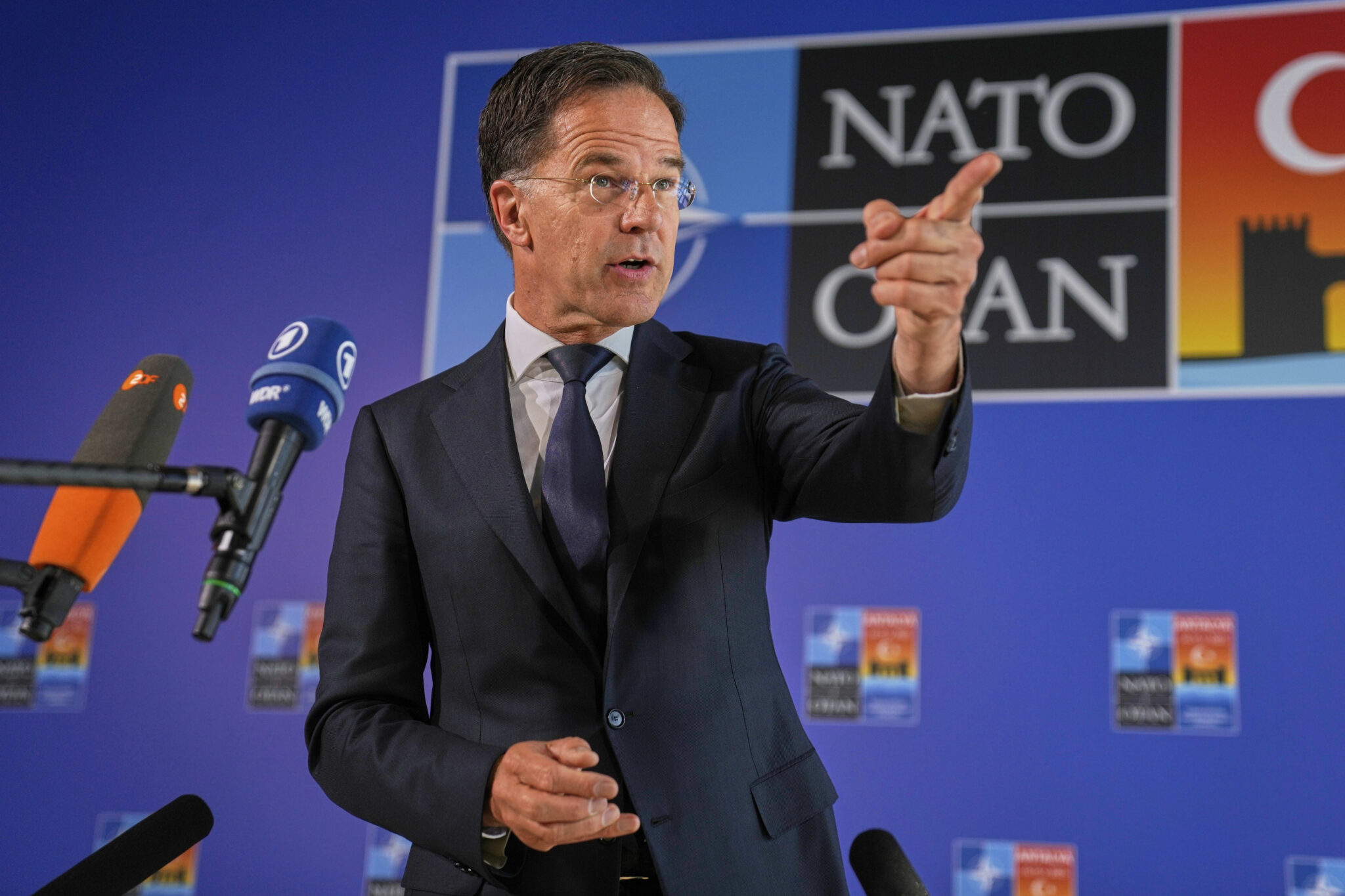
NATO’s Rutte Opposes EU Breakaway From U.S./ Newslooks/ WASHINGTON/ J. Mansour/ Morning Edition/ NATO Secretary-General Mark Rutte firmly rejected the idea of the EU pursuing military independence from the U.S., stating that America remains committed to NATO. While supporting higher European defense spending, Rutte emphasized this must occur within the transatlantic alliance. His comments countered recent European calls for more strategic autonomy amid uncertainty over U.S. political leadership.
Transatlantic Security Unity Quick Looks
- NATO Secretary-General Mark Rutte reaffirms U.S. support for NATO
- Opposes EU calls for military independence from the United States
- Stresses the importance of shared transatlantic security frameworks
- Calls for greater European responsibility—but within NATO
- Response to Manfred Weber’s push for EU strategic autonomy
- Warns against weakening NATO by excluding U.S. military support
- Notes most NATO strength lies outside the EU, in the U.S.
- Urges European defense buildup without isolating American allies
- Debate intensifies as EU prepares for shifting global threats
NATO’s Rutte Opposes EU Breakaway From U.S.
Deep Look
BRUSSELS — NATO Secretary-General Mark Rutte has firmly dismissed rising calls within the European Union for the bloc to pursue military independence from the United States, insisting that America remains a reliable and essential partner in maintaining European security.
“I am absolutely convinced that the United States stands fully behind NATO. There is no doubt about that,” Rutte told the German Press Agency (dpa) on Friday.
His remarks directly push back against suggestions that the EU should decouple militarily from the U.S., a sentiment recently voiced by Manfred Weber, head of the European People’s Party.
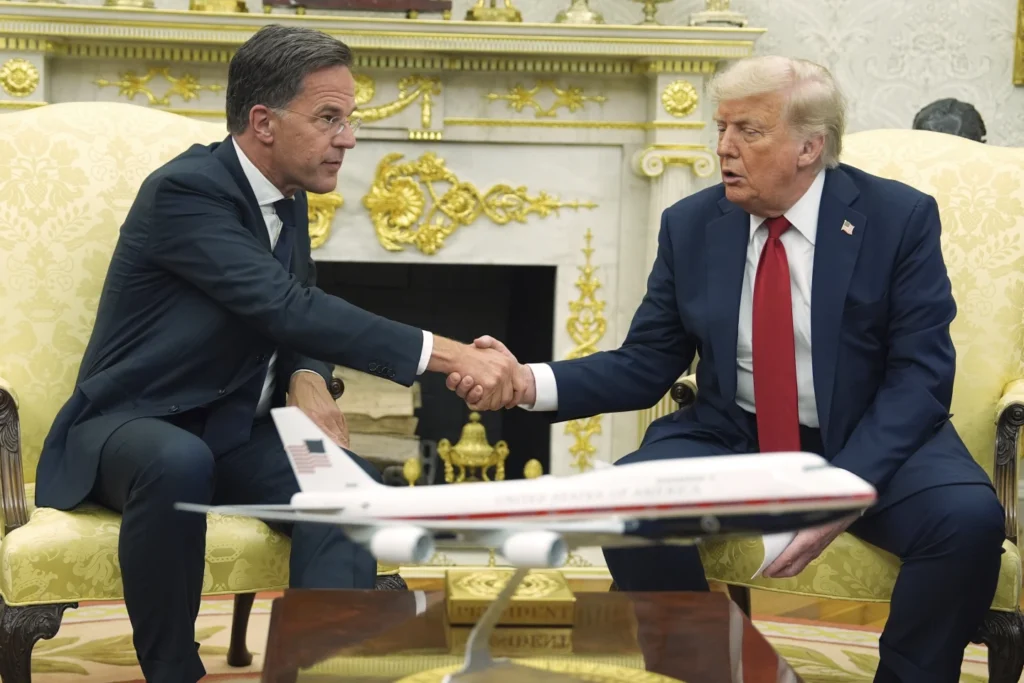
Weber questioned the reliability of the United States in the current political climate, especially with Donald Trump returning to the presidency, and argued that European soldiers should operate under a European flag, particularly in any future Ukraine security framework.
“We cannot seriously expect Trump to secure a peace solution on his own with American GIs,” Weber said in an interview with Germany’s Funke Media Group.
Strategic Autonomy Debate Heats Up
The exchange highlights the growing tension within Europe over defense strategy, particularly in light of Russia’s ongoing war in Ukraine and the unpredictability of American foreign policy.
Rutte acknowledged the need for Europe to shoulder more responsibility for its own defense — including increasing military budgets and improving readiness — but warned against framing that effort as a break from the U.S.-led NATO alliance.
“We must do more, absolutely — but do it with the United States, not without them,” he emphasized.
As Secretary-General, Rutte has been a vocal advocate for transatlantic unity, noting that the majority of NATO’s military and economic might still resides outside the EU, with the United States remaining the largest contributor to the alliance in both troop numbers and funding.
The Bigger Picture: Defense in a Volatile World
The remarks come at a time when the EU is significantly increasing its defense spending, signaling a broader shift toward strategic autonomy in the face of global instability. However, the debate remains divided over how far Europe should go in asserting military independence.
While some leaders — especially in France and Germany — have championed a more self-reliant Europe, others, including many Eastern European states, remain firmly in favor of U.S. military involvement in European defense as a deterrent against Russian aggression.
Rutte’s stance aims to bridge the gap between European ambition and realpolitik, urging leaders to build capacity without weakening the longstanding NATO framework.
European Defense: Evolving but Not Splitting
The concept of EU strategic autonomy isn’t new, but it has gained momentum amid fears that Washington’s commitment to European defense may waver under future administrations. Trump’s unpredictable foreign policy, and his past criticisms of NATO, have added fuel to these fears.
Despite this, Rutte argued that the transatlantic bond remains intact, pointing to recent U.S. security guarantees, joint NATO exercises, and ongoing American troop deployments across Europe.
“We must never forget: NATO works because of its unity. Breaking away from our strongest partner would be a mistake,” Rutte concluded.