New Epstein Files Drop Includes Trump References, Mar‑a‑Lago Subpoenas/ Newslooks/ WASHINGTON/ J. Mansour/ Morning Edition/ The U.S. Justice Department released a new trove of documents related to the Jeffrey Epstein investigation, totaling roughly 30,000 pages and including subpoenas and letters. Files contain references to former President Donald Trump, flight logs, and a 2021 Mar‑a‑Lago subpoena tied to Ghislaine Maxwell’s case. Critics and survivors are raising concerns about redactions, unredacted victim names, and incomplete compliance with the Epstein Files Transparency Act.

DOJ Epstein Files Release Quick Looks
- DOJ released a significant new batch of documents in the Epstein investigation, with about 30,000 pages.
- Files include a 2021 subpoena to Mar‑a‑Lago tied to Ghislaine Maxwell.
- Some documents contain “untrue and sensationalist” claims about President Trump, according to DOJ.
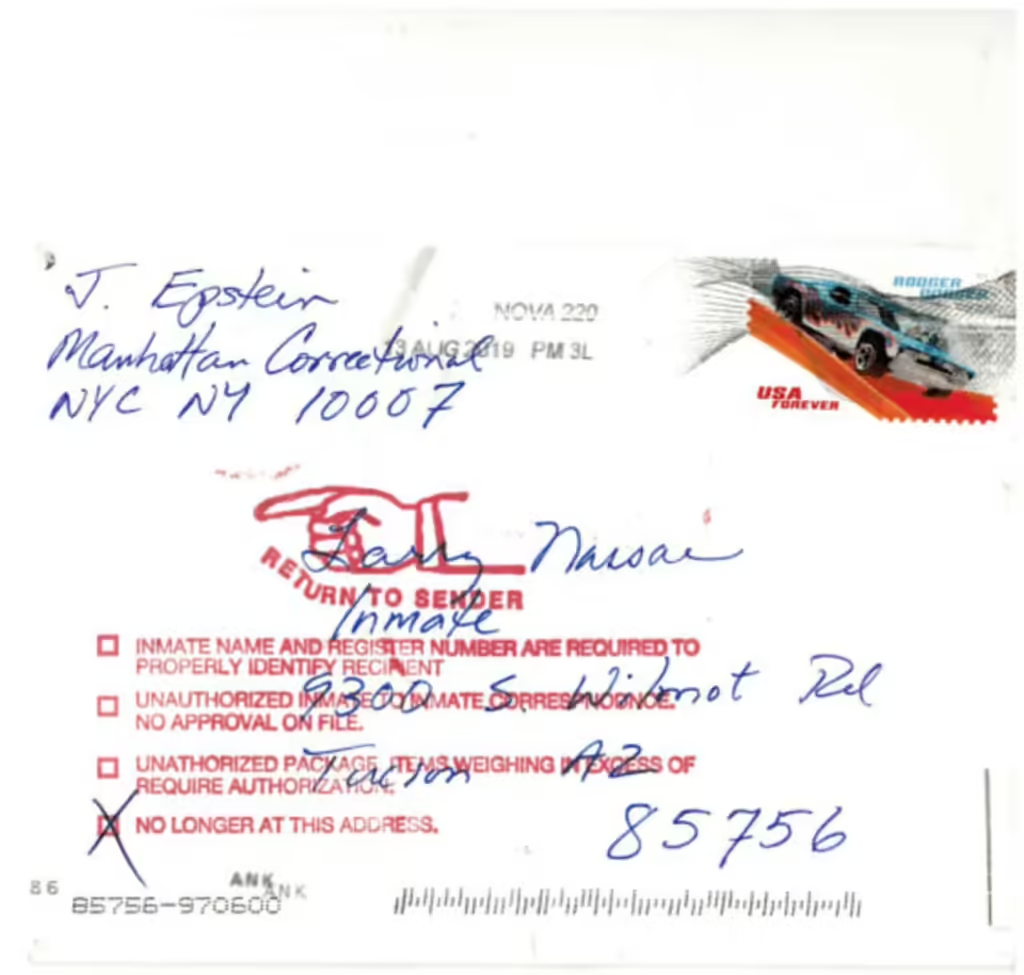
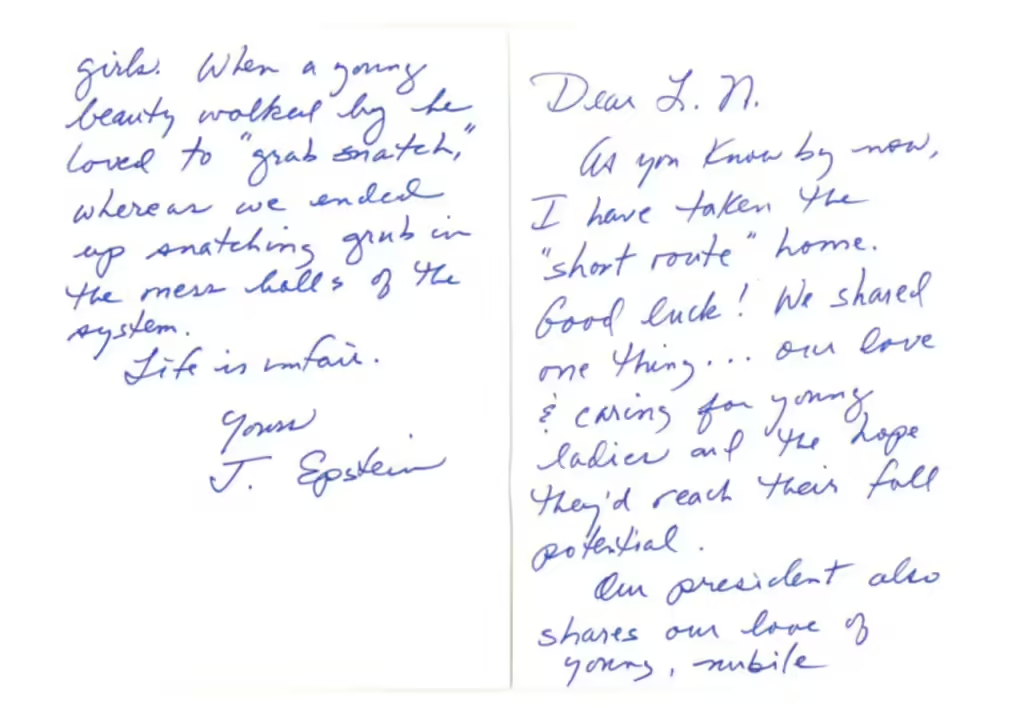
- A handwritten 2019 letter from Epstein referencing “our president” and crude content was included.
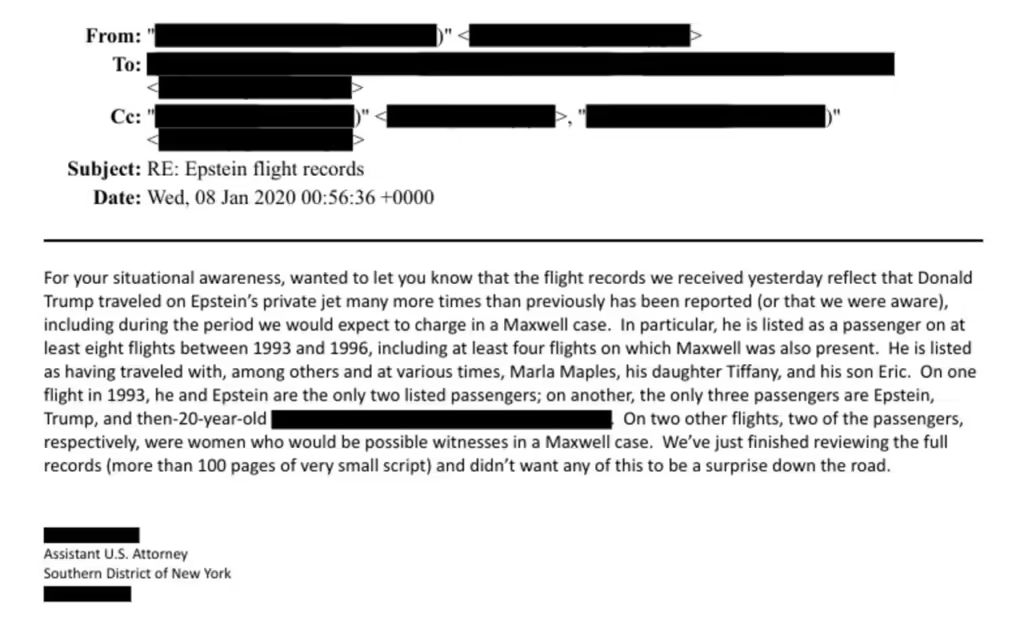
- Flight records show Trump flew on Epstein’s private jet at least eight times in the 1990s.
- DOJ made extensive redactions, citing victim protection and internal processes.
- Survivors and lawmakers criticize the release for extreme redactions and missing victim protections.
- The Epstein Files Transparency Act requires DOJ to release all unclassified documents by law, though critics say compliance is incomplete.
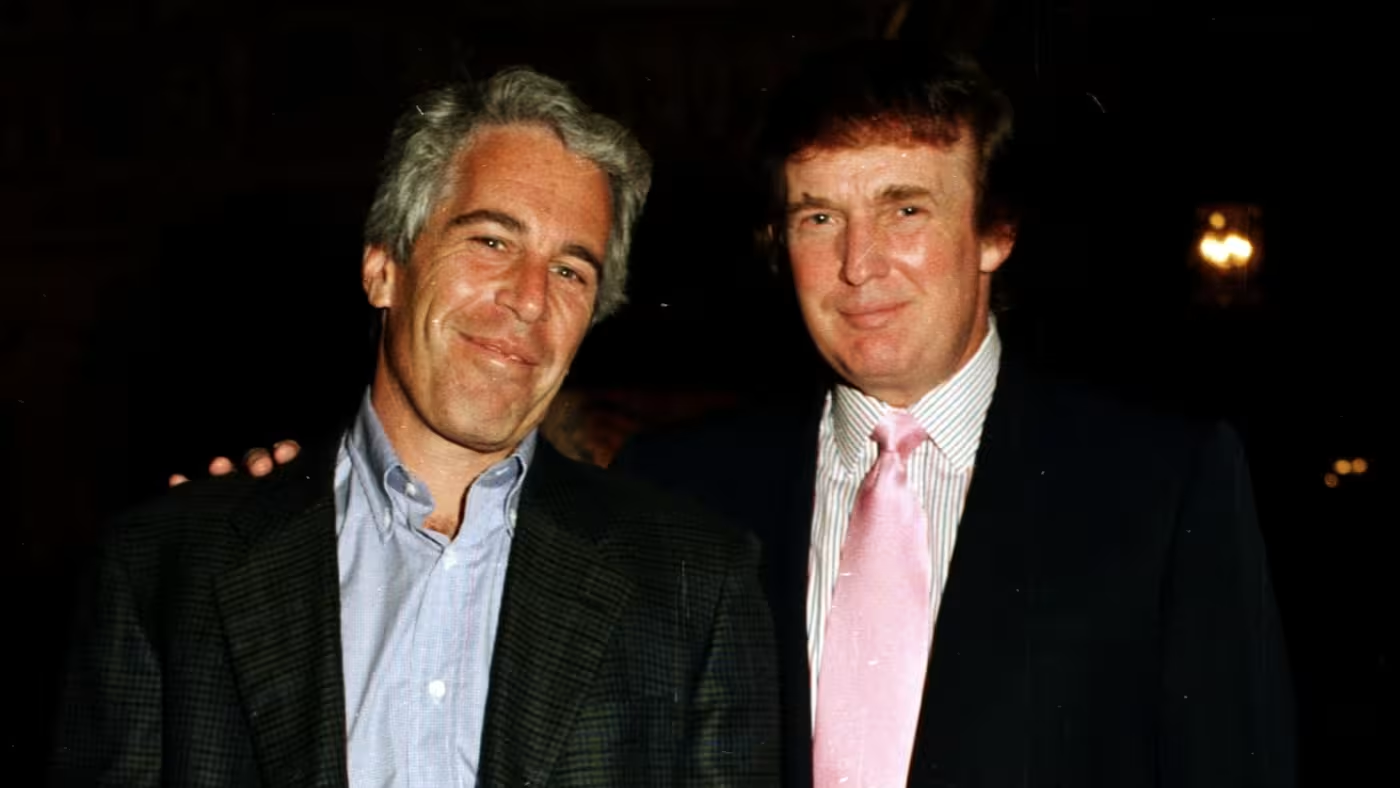
- Initial files released included photos of Epstein with high‑profile individuals.
- The controversy has sparked bipartisan backlash and potential legal and congressional actions.
Deep Look: Justice Department Releases New Epstein Investigation Documents in Major Transparency Push
The U.S. Justice Department on Tuesday released a substantial new batch of documents connected to the investigation into convicted sex offender Jeffrey Epstein, dramatically expanding the material available to the public and media. The release, spurred by the Epstein Files Transparency Act enacted by Congress, contains an estimated 30,000 pages of records, photos, letters, subpoenas, and other materials.
The Latest Document Release and Its Contents
Among the newly released trove is a 2021 subpoena directed to the Mar‑a‑Lago Club in Florida, tied to the government’s investigation into Ghislaine Maxwell, Epstein’s former associate and convicted accomplice. The subpoena demands “any and all employment records” for a redacted individual, though it is not clear whether the club complied or what records were ultimately provided.
The documents also reveal references to President Donald Trump, particularly in flight logs showing that he traveled on Epstein’s private plane at least eight times between 1993 and 1996, including flights where Ghislaine Maxwell and young women, later described as potential witnesses, were also listed as passengers.
Included in the files was a handwritten letter allegedly signed by Epstein in August 2019 and addressed to convicted sex offender Larry Nassar. The letter, sent shortly after Epstein’s suicide in federal custody, uses suggestive language referring to “our president” and mentions “our love of young, nubile girls.” Authorities have not accused Trump of wrongdoing and state that “untrue and sensationalist” claims in the materials should be viewed cautiously.
The batch contains a range of materials — from jail and court records to emails, photographs, and investigative logs — following up on earlier releases that included photos of Epstein with public figures like former President Bill Clinton and others.
Legal Context: Epstein Files Transparency Act
This wave of releases follows the Epstein Files Transparency Act, a law passed by the 119th Congress and signed by President Donald Trump in November 2025. The legislation mandates that the Justice Department publicly disclose all unclassified records related to Epstein within 30 days, in searchable and downloadable format, with limited exceptions for active investigations, national security, or victim privacy.
Despite the mandate, critics argue the DOJ has fallen short. The initial tranche of files released by the department in mid‑December drew bipartisan criticism for heavy redactions — including hundreds of pages completely blacked out — and for failing to meet the statutory deadline.
Flight records show Trump traveled on “at least eight” Epstein flights, assistant US attorney writes
Flight records show Donald Trump “traveled on Epstein’s private jet many more times than previously has been reported (or that we were aware),” an assistant US attorney from the Southern District of New York wrote in an email dated January 8, 2020.
Trump was listed as a passenger on “at least eight flights between 1993 and 1996, including at least four flights on which (Ghislaine) Maxwell was also present,” it said.
On a flight in 1993, Trump and Epstein “are the only two listed passengers; on another, the only three passengers are Epstein, Trump, and then-20-year-old.”
“On two other flights, two of the passengers, respectively, were women who would be possible witnesses in a Maxwell case,” the assistant US attorney said in the email, which was sent during Trump’s first term.
The assistant US attorney added: “We’ve just finished reviewing the full records (more than 100 pages of very small script) and didn’t want any of this to be a surprise down the road.”
For context: Trump and Epstein have a long history together, and authorities have not accused Trump of criminal wrongdoing related to Epstein. The vast scope of the documents related to Epstein cite many individuals and being named does not in itself show criminal wrongdoing.
Trump has long tried to distance himself from Epstein. Trump has called him a “creep,” insisted he was “not a fan,” and said that before Epstein’s death, they hadn’t spoken in years. Yet a comprehensive CNN review of court records, photographs, interviews, and other public documents paints a portrait of an enduring relationship until the mid-2000s, when Trump says he broke it off. Trump now repeatedly downplays his past friendship with Epstein, even as new material continues to surface.
Redactions and Criticism
The Justice Department defended its redactions, saying they are necessary to protect victim identities, internal deliberations, privileged communications, and ongoing investigations. Deputy Attorney General Todd Blanche emphasized that the process involves meticulous review to comply with both the law and privacy concerns.
Critics including survivors and lawmakers have decried the approach as insufficient. In some released files, victim names were left unredacted, prompting outcry from survivors and legal advocates who say such disclosures have caused harm. Bipartisan frustration has mounted on Capitol Hill, with some lawmakers threatening legal action against the DOJ for failing to fully comply with the law and releasing overly redacted documents.
Broader Reactions and Political Controversy
Political reactions have been widespread. Supporters of transparency argue that fully releasing Epstein materials is essential for accountability and public understanding of the scope of his activities and associations. Opponents argue that selective or delayed releases risk obscuring key facts.
President Trump has publicly criticized parts of the release, claiming that some materials damage reputations and distract from other accomplishments. His comments reflect broader debates over the political implications of documents referencing his name or associations with Epstein.
Ongoing Release and Future Expectations
The Justice Department plans to continue rolling out additional batches of documents in the coming weeks, as mandated by the transparency law. As more materials become public, analysts and media outlets are expected to sift through the files for new insights, context, and connections to Epstein’s network.