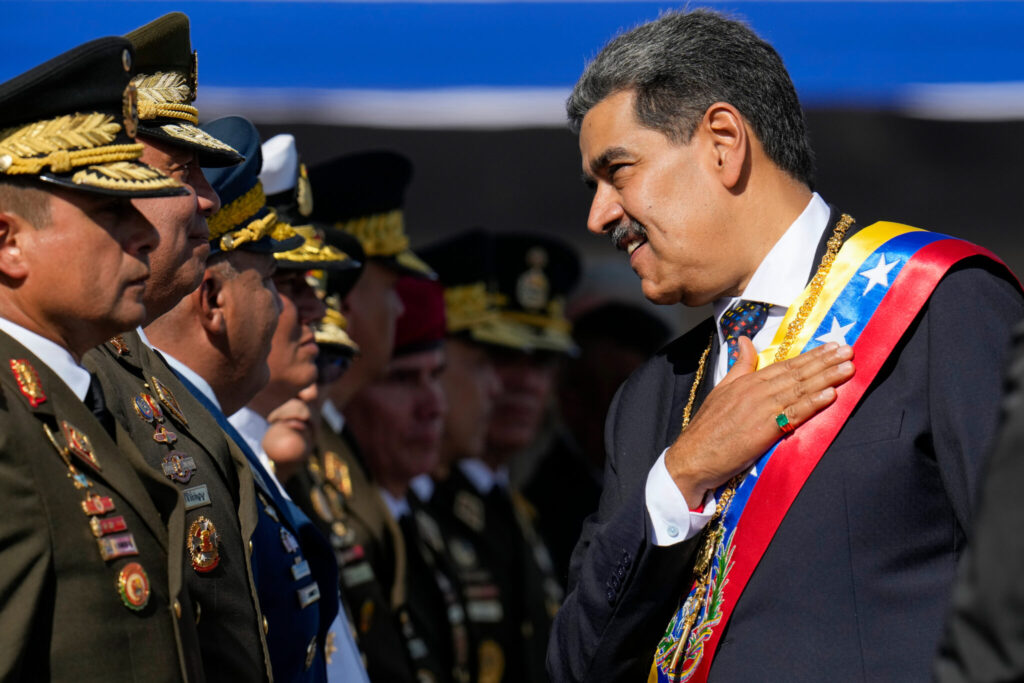
Nicolás Maduro Appears in U.S. Court on Charges/ Newslooks/ WASHINGTON/ J. Mansour/ Morning Edition/ Venezuela’s ex-president Nicolás Maduro appeared in a New York court on narco-terrorism charges. Captured in a U.S. military raid, Maduro faces life imprisonment if convicted. His legal team is expected to challenge the arrest on sovereign immunity grounds.
Maduro Court Appearance – Quick Looks
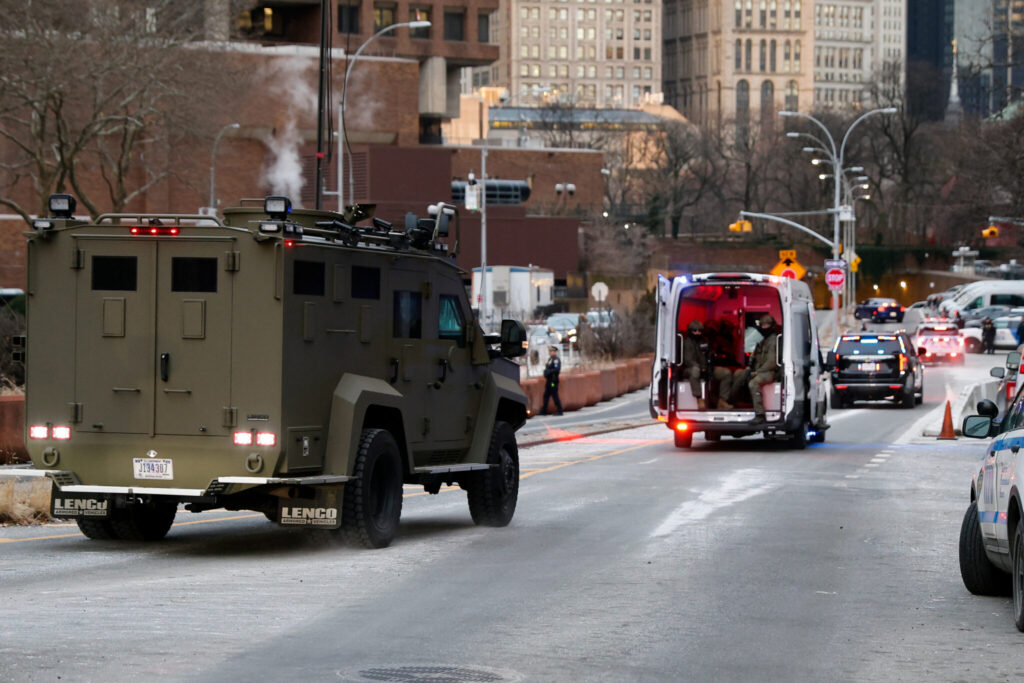
- Maduro transported under guard to Manhattan courthouse from Brooklyn jail
- Faces drug trafficking, narco-terrorism, and conspiracy charges in U.S.
- Appearance marks start of a high-profile legal and political battle
- Trump administration captured Maduro in military operation Saturday
- Legal team expected to argue sovereign immunity defense
- U.S. doesn’t recognize Maduro as Venezuela’s legitimate leader
- Venezuela’s interim president demands return, but seeks U.S. dialogue
- 25-page indictment alleges trafficking ties to Tren de Aragua gang
- Maduro’s wife also faces charges and long-standing U.S. sanctions
Deep Look
Nicolás Maduro Appears in U.S. Court on Drug Trafficking Charges
Deposed Venezuelan President Nicolás Maduro made his first appearance in a U.S. federal courtroom on Monday, days after a bold U.S. military operation removed him from power and brought him to New York to face narco-terrorism and drug trafficking charges.
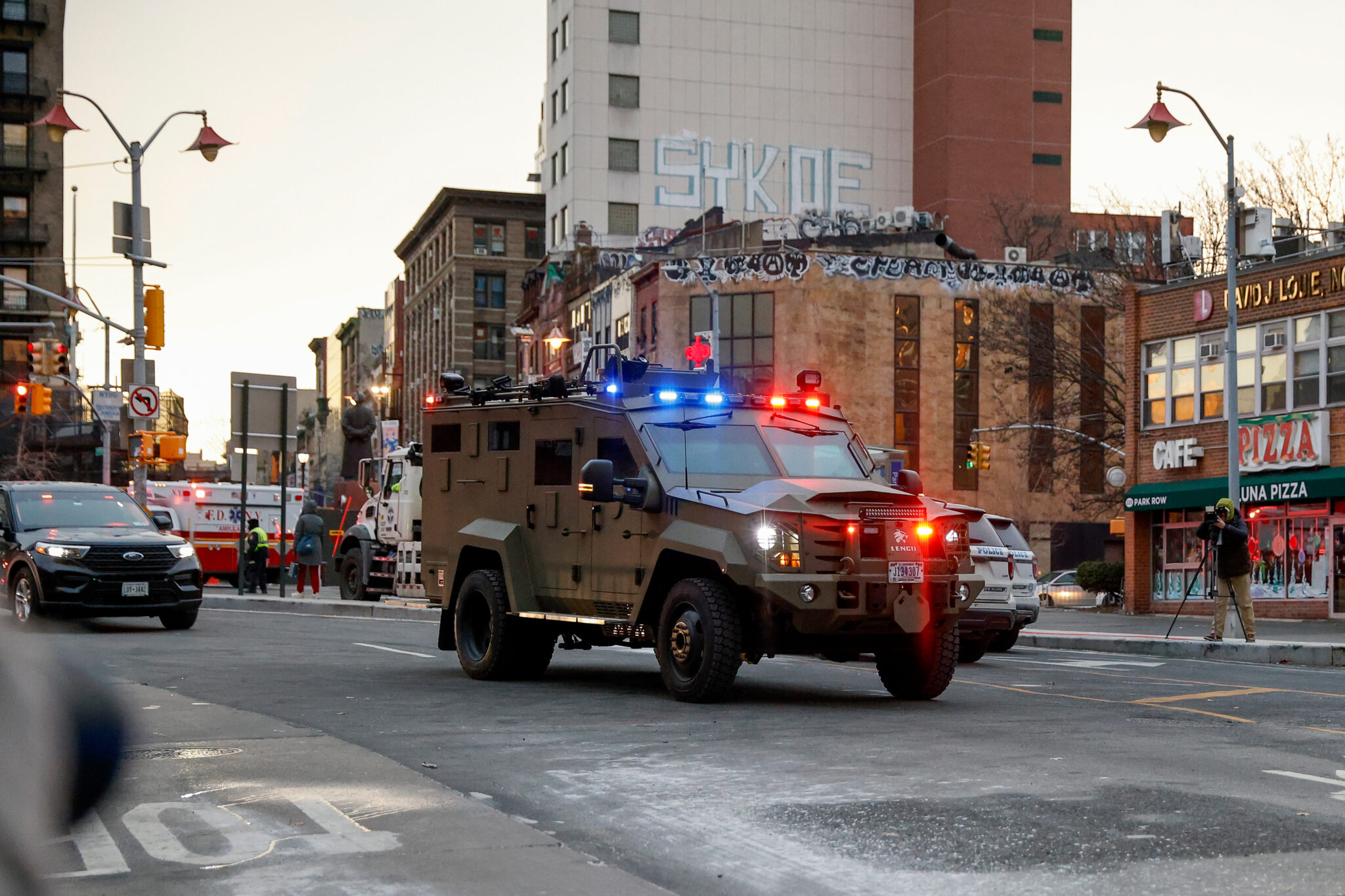
Escorted under tight security, Maduro and his wife, Cilia Flores, were moved from a Brooklyn detention facility early in the morning. The transfer began at 7:15 a.m., with a motorcade escorting the pair to a local field where they boarded a helicopter. Maduro, seen limping, was flown across New York Harbor to Manhattan, where he was quickly transported to the courthouse complex near where former President Donald Trump was convicted in 2024.
At noon, Maduro was scheduled to stand before a federal judge for a brief but pivotal hearing, beginning what legal experts expect to be a lengthy and complex battle over jurisdiction, legitimacy, and international law.
A Trial Unlike Any Other
While Maduro will be afforded the same constitutional rights as any defendant in the U.S., his case is almost unprecedented. His legal team is likely to argue that he should be immune from prosecution as a foreign head of state. That defense, however, may be undercut by the U.S. government’s formal non-recognition of Maduro’s legitimacy — especially after a widely disputed 2024 reelection.
A similar defense failed in 1990 when Panamanian strongman Manuel Noriega tried to claim head-of-state immunity after being captured by U.S. forces.
Venezuela’s newly installed interim president, Delcy Rodríguez, has demanded Maduro’s return. However, in a shift in tone, she posted a message on social media Sunday expressing a desire for “respectful relations” and potential collaboration with the Trump administration.
Legal, Political, and Diplomatic Implications
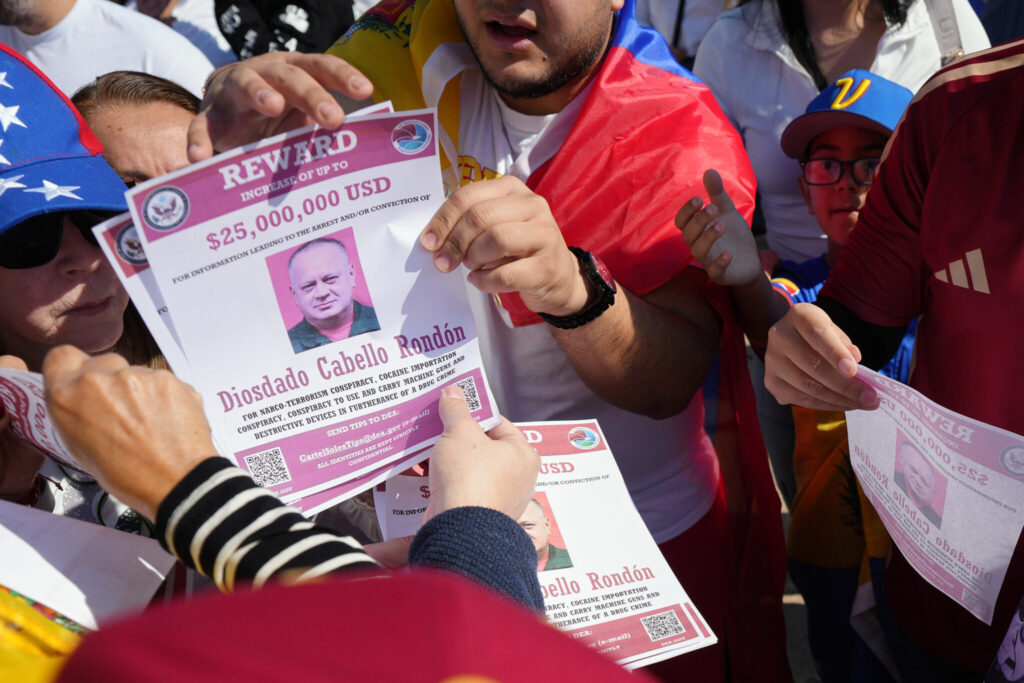
The 25-page indictment, unsealed Saturday, accuses Maduro of working with drug cartels and criminal networks to facilitate the movement of thousands of tons of cocaine into the U.S. The charges carry the possibility of life in prison if he is convicted.
The indictment alleges Maduro, his wife, and other Venezuelan officials operated a state-protected drug trafficking network, at times in collaboration with Tren de Aragua, a violent transnational gang. It also accuses Maduro and Flores of ordering murders, kidnappings, and beatings tied to drug disputes.
In one instance, Maduro allegedly ordered the killing of a rival drug boss in Caracas. Flores is accused of accepting bribes in 2007 to arrange a meeting between a large-scale trafficker and the head of Venezuela’s anti-drug agency. Those bribes, according to the charges, evolved into monthly payouts — a portion of which flowed directly to her.
While the indictment points to collusion between Venezuelan leadership and criminal elements, a 2024 U.S. intelligence report said it found no clear link between the Maduro regime and Tren de Aragua. Nonetheless, the charges suggest a broader strategy of utilizing government power to protect and profit from narcotics trafficking.
Maduro’s son, Nicolás Ernesto Maduro Guerra, remains at large and is also named in the indictment, along with current and former interior ministers and Héctor Rusthenford Guerrero Flores, a fugitive gang leader.
A Controversial Capture
Maduro and Flores were seized in a surprise military raid on a Venezuelan base early Saturday. The Trump administration cited long-standing narco-terror charges as justification for the operation. Trump later said the U.S. would “temporarily run” Venezuela while supporting its return to democracy.
Secretary of State Marco Rubio clarified Sunday that while the U.S. would enforce an oil quarantine, it did not intend to manage Venezuela’s day-to-day governance. Still, Trump’s statements aboard Air Force One Sunday hinted at broader ambitions in the region.
He launched a fresh verbal assault on Colombian President Gustavo Petro, calling him “a sick man who likes making cocaine” and warning that such activity wouldn’t continue. Trump also warned Rodríguez that unless Venezuela grants “total access,” consequences could follow.
What Comes Next?
Maduro’s legal future in the U.S. remains uncertain. As of Sunday, it was not clear whether he had retained a U.S.-licensed defense attorney. Sanctions imposed on Maduro and Flores years ago prohibit Americans from providing services — including legal representation — without clearance from the U.S. Treasury Department.
As the legal proceedings begin, they will unfold under intense global scrutiny. Critics of the operation have called it a violation of international norms and a dangerous precedent. Supporters argue the charges are long overdue and part of a legitimate campaign against narco-states in the Western Hemisphere.
If convicted, Maduro would become one of the highest-ranking foreign leaders ever imprisoned by the U.S., a decision that could reshape the global understanding of sovereignty, accountability, and international law enforcement.