October Retail Sales Stagnant As Inflation Worries Grow/ Newslooks/ WASHINGTON/ J. Mansour/ Morning Edition/ U.S. retail sales were unchanged in October as consumers slowed spending amid rising prices and economic uncertainty. Apparel, furniture, and online retailers saw modest gains, but restaurant sales declined. A weaker job market and high inflation continue to pressure household budgets.
October Retail Spending Trends: Quick Looks
- U.S. retail sales remained flat in October after modest September gains.
- Sales excluding autos rose 0.4%, showing some consumer resilience.
- Economic uncertainty, inflation, and weak job growth dampened spending.
- Furniture sales jumped 2.3%, likely driven by tariff-related price hikes.
- Online sales rose 1.8%; department store sales up 4.9%.
- Restaurant spending dipped 0.4%, signaling cautious discretionary spending.
- Job market concerns add pressure as unemployment rises to 4.6%.
- Holiday shopping season off to a steady, deal-driven start.
- NRF forecasts 3.7%–4.2% increase in holiday sales this year.
- High-income consumers spending more, low-income groups falling behind.
Deep Look
Retail Sales Hold Steady in October as Inflation and Economic Worries Weigh on Shoppers
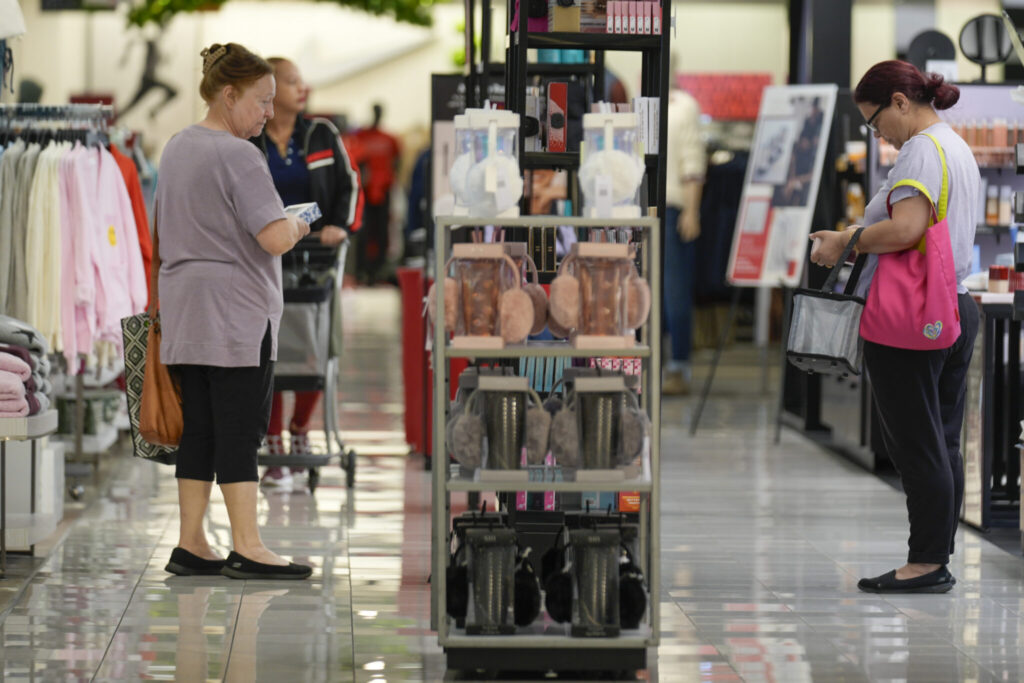
Consumer spending across the United States plateaued in October, as shoppers faced economic headwinds ranging from elevated prices to growing job market uncertainty. According to the delayed report released Tuesday by the Commerce Department, retail and restaurant sales were unchanged compared to September — a stark contrast to the robust summer spending surge.
After rising 0.6% in both July and August, and 1% in June, October’s flat figure reflects a significant pullback, especially as many households grapple with the ongoing impact of inflation, elevated rents, and higher costs for imported goods affected by tariffs introduced under President Donald Trump’s trade policies.
Excluding sales from motor vehicles and auto parts — categories often influenced by volatile pricing and supply chain fluctuations — sales actually rose 0.4%, signaling that some consumers remained active in areas like apparel and online shopping.
Mixed Results Across Retail Categories
Clothing and accessory stores saw sales increase by 0.9% in October, while home furnishings and furniture retailers recorded a 2.3% boost, likely driven by both demand and rising prices tied to tariff-related costs. Much of America’s furniture is imported from China, and tariffs have significantly impacted pricing in that category.
Online shopping continued its upward trajectory, with retailers posting a 1.8% increase in sales, while traditional department stores experienced a notable 4.9% jump. However, not all retail categories fared well — restaurant sales, a key indicator of discretionary spending, fell 0.4%. This decline suggests that many consumers are reining in nonessential purchases.
Shutdown-Delayed Data and a Weaker Labor Market
The report was delayed more than a month due to a 43-day federal government shutdown, which also disrupted the release of other key economic indicators.
The job market continues to show signs of softening. According to the latest Labor Department data, the U.S. added just 64,000 jobs in November following a steep loss of 105,000 jobs in October. These losses were largely due to federal workforce reductions following cost-cutting measures implemented by the Trump administration.
As a result, the unemployment rate rose to 4.6% — the highest since 2021 — further impacting household confidence and spending patterns.
Shoppers Shift Focus to Deals and Essentials
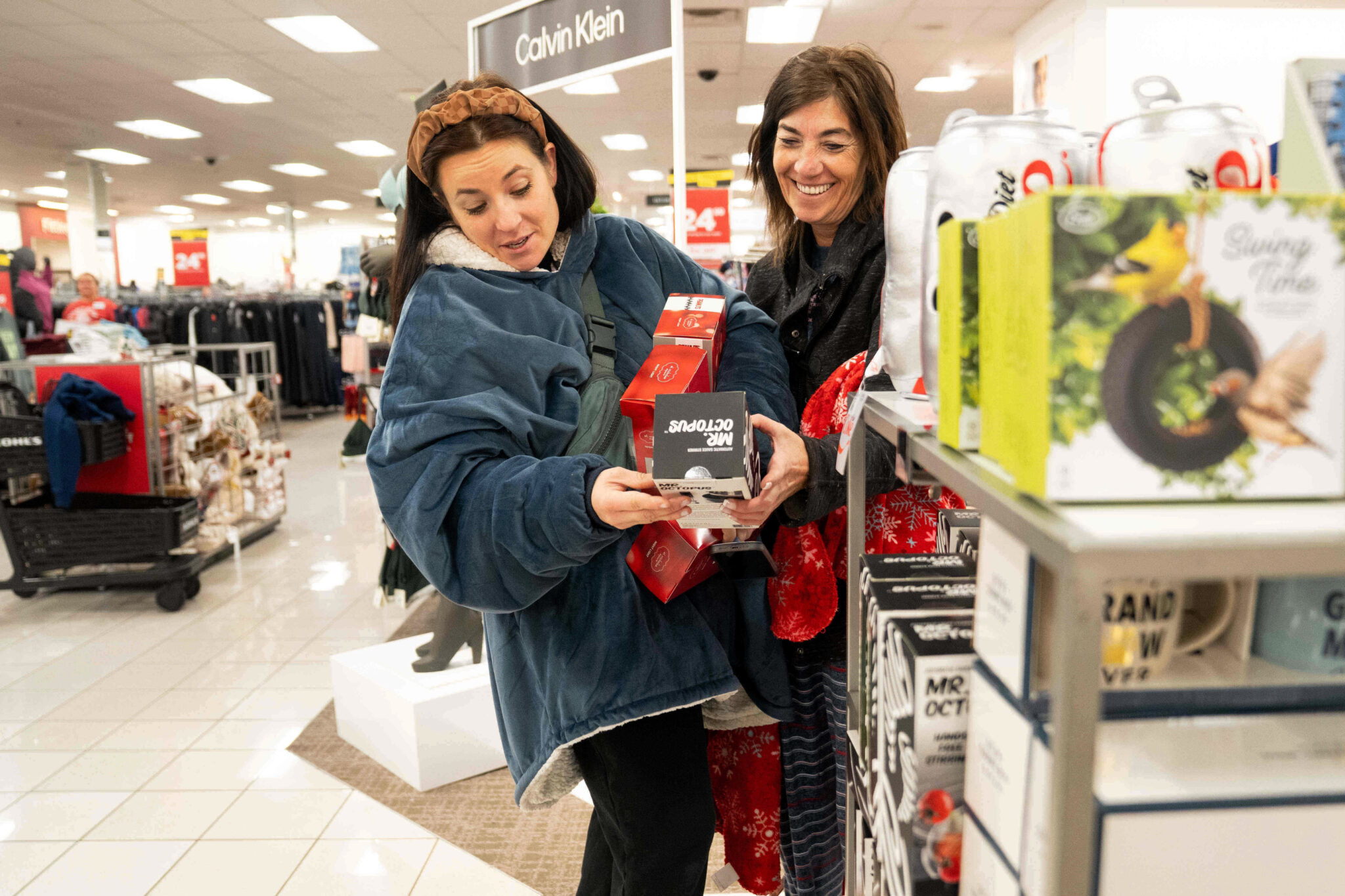
Retailers are now entering the final stretch of the holiday shopping season, where last-minute gift buying typically ramps up. Despite the October stall in spending, early signs suggest that holiday shopping got off to a reasonably strong start, particularly over the Black Friday weekend.
Many consumers are being more selective, targeting deals and promotions rather than engaging in impulse purchases. This cautious approach reflects broader anxiety about economic stability heading into 2026.
According to the National Retail Federation (NRF), holiday sales are expected to increase between 3.7% and 4.2% this year, compared to last year’s $976 billion in total holiday sales — a 4.3% increase from 2023. While this projection remains positive, it represents a more tempered outlook than during previous years of economic growth.
K-Shaped Spending Patterns Reveal Growing Divide
Not all consumers are feeling the pinch equally. Recent data from Bank of America shows that high-income shoppers increased spending by 2.6% year-over-year in November, while spending among lower-income households rose by only 0.6%. This divide illustrates the widening gap between economic groups — a hallmark of what economists refer to as a “K-shaped recovery.”
While wealthier Americans continue to spend — buoyed by rising salaries and investment gains — middle- and lower-income families face tighter budgets and limited purchasing power. This bifurcation is shaping retail trends, with luxury goods and higher-end services seeing stable demand, while discount retailers report more cautious consumer behavior.
Retailers Brace for the Final Holiday Push
Retailers across the country are now preparing for a busy end-of-year period. Brick-and-mortar stores are offering extended hours and deep discounts to entice last-minute shoppers, while online platforms optimize for fast shipping and digital deals.
Still, with unemployment rising and inflation lingering above ideal levels, many businesses are unsure how the final quarter will play out. Analysts suggest that the performance of the next few weeks could determine whether 2025 closes with a strong retail finish or further signs of consumer fatigue.