


Oil Hits $100 As Iran War Roils Markets/ Newslooks/ WASHINGTON/ J. Mansour/ Morning Edition/ Global financial markets tumbled as oil prices surged back toward $100 per barrel amid escalating tensions in the Iran war. The disruption of shipping through the Strait of Hormuz is threatening global energy supplies and raising inflation fears. Investors worry prolonged conflict could trigger stagflation and delay Federal Reserve interest-rate cuts.
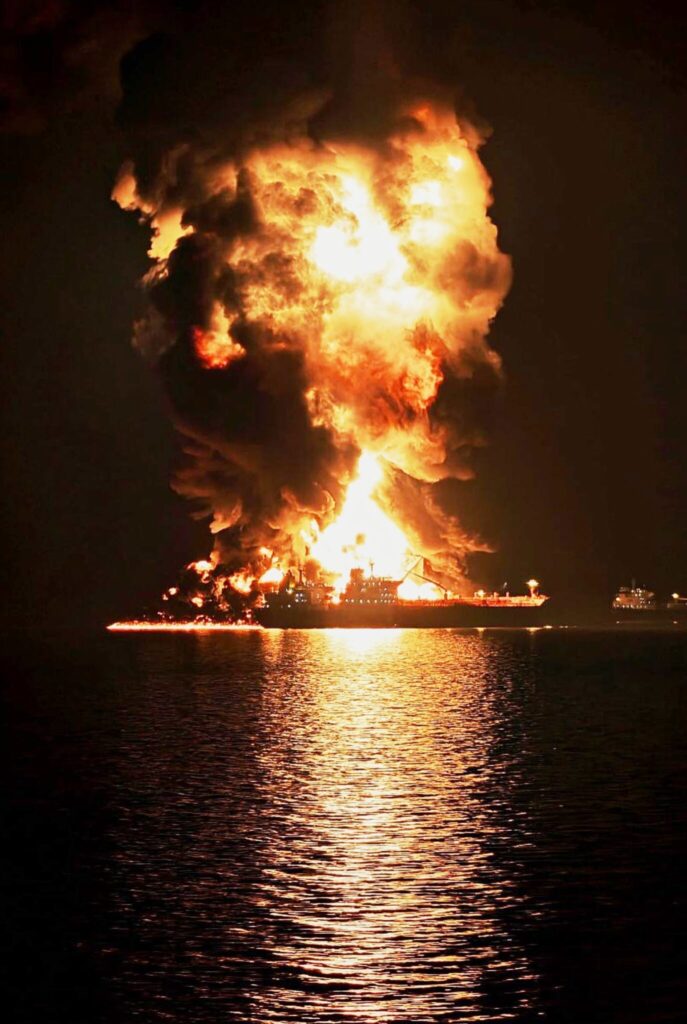
Oil Prices Surge Amid Iran War Quick Looks
- Brent crude surged above $100 per barrel during overnight trading.
- The S&P 500 fell 1.1%, with major U.S. indexes dropping.
- Dow Jones Industrial Average lost nearly 600 points early Thursday.
- Iran’s attacks have disrupted shipping in the Strait of Hormuz.
- Around 20% of the world’s oil supply normally passes through the strait.
- The International Energy Agency (IEA) plans to release 400 million barrels from reserves.
- Analysts warn oil prices could climb to $150 if shipping disruptions continue.
- Rising energy costs threaten to push inflation higher worldwide.
- Airlines and travel companies were among the hardest-hit stocks.
- Investors worry about stagflation risks as economic growth slows.
Deep Look
Oil Prices Hit $100 As Iran War Shakes Global Markets
Global financial markets slid sharply Thursday as oil prices surged back toward $100 per barrel, reflecting growing fears that the escalating war involving Iran could severely disrupt energy supplies.
Major stock indexes across the United States, Europe and Asia fell as investors reacted to renewed volatility in energy markets and uncertainty about how long the conflict could last.
The S&P 500 dropped 1.1%, while the Dow Jones Industrial Average fell about 588 points, or roughly 1.2%. The Nasdaq Composite declined 1.4%, reflecting losses across technology and travel stocks.
The biggest market action once again centered on oil prices.
Oil Market Volatility Drives Investor Anxiety
The international benchmark Brent crude oil surged to $101.59 per barrel overnight before easing slightly to around $99.50, still up more than 8% for the day.
Meanwhile, U.S. benchmark crude oil jumped 8.4% to $94.57 per barrel.
Energy markets have been swinging dramatically since the conflict began, sometimes shifting sharply within hours as traders react to military developments.
Analysts say the war could cause long-term disruption to global oil supplies, particularly if shipping lanes remain blocked.
Strait of Hormuz Disruption Threatens Global Energy
At the center of the crisis is the Strait of Hormuz, a narrow but vital waterway connecting the Persian Gulf with the global oil market.
Roughly one-fifth of the world’s oil supply normally travels through the strait each day.
Iran’s recent attacks on energy infrastructure and commercial shipping have effectively halted much of that traffic, creating a severe bottleneck for crude exports.
With tankers unable to move through the channel, oil producers in the region are reportedly reducing production because storage facilities are filling up.
The situation has amplified fears that the conflict could cause a prolonged energy crisis.
Emergency Oil Reserves Released
In response to the escalating crisis, the International Energy Agency (IEA) announced plans to release 400 million barrels of oil from strategic reserves held by member countries.
The move is intended to stabilize global markets and offset supply disruptions caused by the war.
However, economists caution that emergency reserves can only provide temporary relief.
“If the Strait of Hormuz stays closed, the impact could be far more severe,” analysts warn.
Some energy experts estimate oil prices could climb to $150 per barrel if shipping through the strait remains blocked for an extended period.
Rising Energy Prices Fuel Inflation Concerns
The oil price surge comes at an especially sensitive moment for the global economy.
Many countries are still battling inflation following years of rising prices and economic instability.
Higher fuel costs ripple through the economy by increasing transportation costs, airline ticket prices, shipping expenses and manufacturing costs.
Economists warn the situation could lead to stagflation—a dangerous combination of slow economic growth and persistent inflation.
Stagflation presents a particularly difficult challenge for central banks because policies designed to slow inflation can also weaken economic growth.
Mixed Signals From the U.S. Economy
Despite the turbulence in global markets, some economic indicators offered modest reassurance.
A new report showed that U.S. unemployment claims declined slightly last week, suggesting layoffs remain relatively low.
However, the labor market picture remains mixed after a surprisingly weak jobs report last month raised concerns about slowing economic momentum.
Retail earnings also highlighted consumer pressure.
Discount retailer Dollar General reported stronger-than-expected quarterly results but issued a cautious outlook for the coming year, signaling slower growth ahead.
Its stock fell 7.8% following the announcement.
Travel and Airline Stocks Take Major Hits
Companies that rely heavily on fuel were among the biggest losers in Thursday’s market decline.
Airlines were hit particularly hard as rising jet fuel prices threaten profits.
Shares of United Airlines plunged 33.7%, while cruise operator Carnival dropped 6%.
Travel-related businesses are often especially sensitive to energy prices because fuel represents one of their largest operating costs.
Global Markets Also Decline
The sell-off extended well beyond U.S. markets.
Stock indexes in Europe and Asia also dropped amid growing geopolitical uncertainty.
Japan’s Nikkei 225 fell 1%, while France’s CAC 40 declined 0.7%.
Investors worldwide are increasingly focused on developments in the Middle East, as any escalation could further disrupt global trade and energy supplies.
Bond Yields Rise As Investors Reassess Interest Rates
In the bond market, Treasury yields moved higher as investors factored in the inflationary impact of rising oil prices.
The yield on the 10-year U.S. Treasury climbed to 4.22%, up from 3.97% before the conflict began.
Higher yields typically translate into more expensive borrowing costs for mortgages, corporate loans and government debt.
They also place downward pressure on stock prices and other investments.
Fed Rate Cuts May Be Delayed
The surge in oil prices is also reshaping expectations for the Federal Reserve’s interest-rate policy.
Traders had been anticipating potential rate cuts later this year to support economic growth.
However, if inflation rises due to higher energy costs, the central bank may be forced to delay those cuts.
President Donald Trump has been publicly urging the Fed to lower rates to stimulate the economy and job growth.
But economists warn that cutting rates too soon could worsen inflation.
Markets Face Uncertain Outlook
Despite the current volatility, history suggests stock markets often rebound relatively quickly from geopolitical shocks.
However, that recovery typically depends on energy prices stabilizing.
If oil prices remain elevated for an extended period, economists warn the conflict could have deeper and longer-lasting effects on the global economy.
For now, investors remain focused on one key question: how long the war with Iran will last.





You must Register or Login to post a comment.