

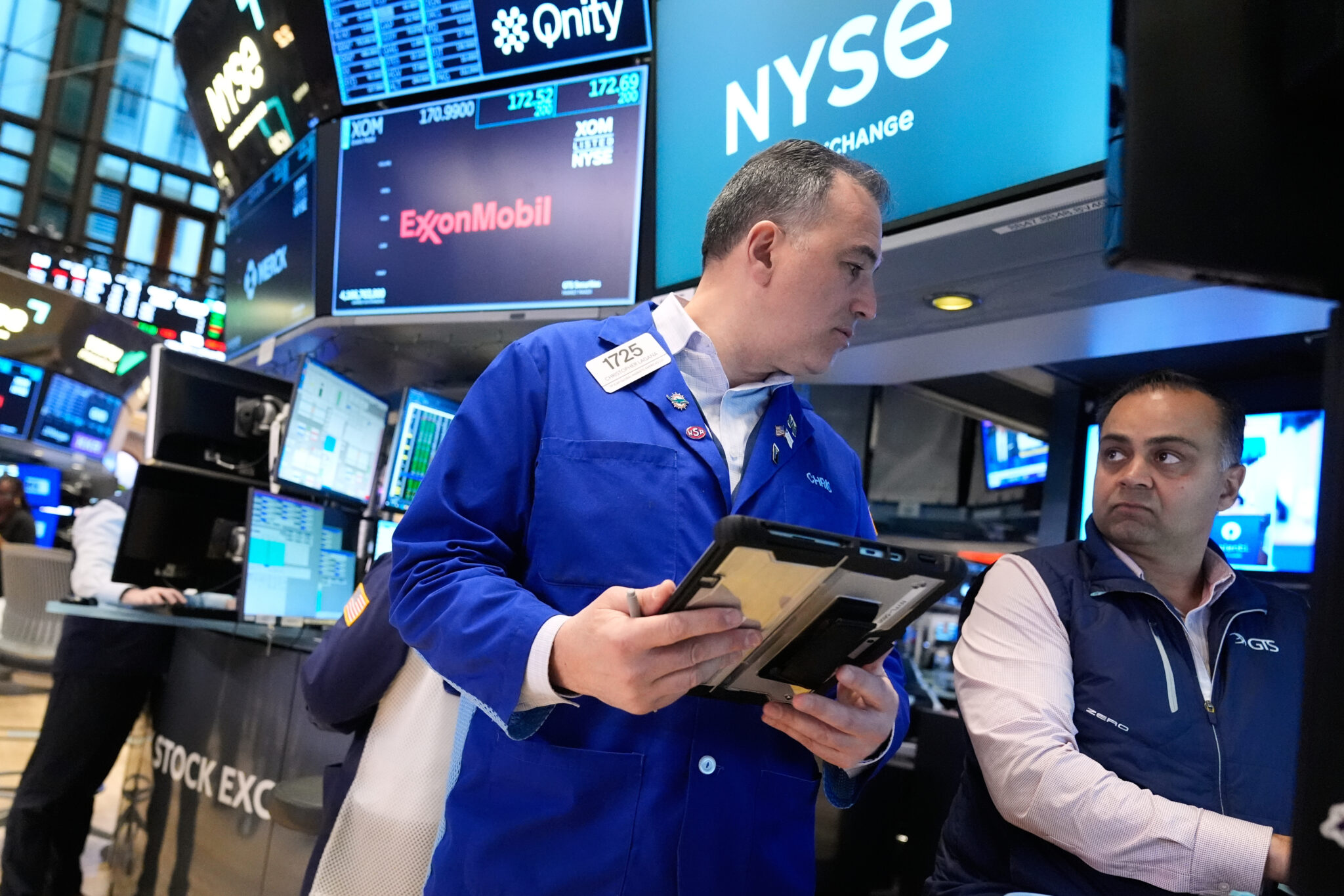
Oil Prices Hold Above $100 as Wall Street Rebounds/ Newslooks/ WASHINGTON/ J. Mansour/ Morning Edition/ Oil prices remained above $100 as the U.S. and Iran exchanged new strikes. Wall Street futures rebounded despite ongoing geopolitical tensions. Energy disruptions and Strait of Hormuz risks continue driving volatility.
Oil Prices Above $100 Quick Looks
- Oil prices hold above $100 per barrel
- Wall Street futures rebound in premarket trading
- US and Iran exchange new military strikes
- Brent crude climbs above $107
- Gas prices surpass $4 nationwide
- Strait of Hormuz disruptions continue
- Gold and silver prices rise
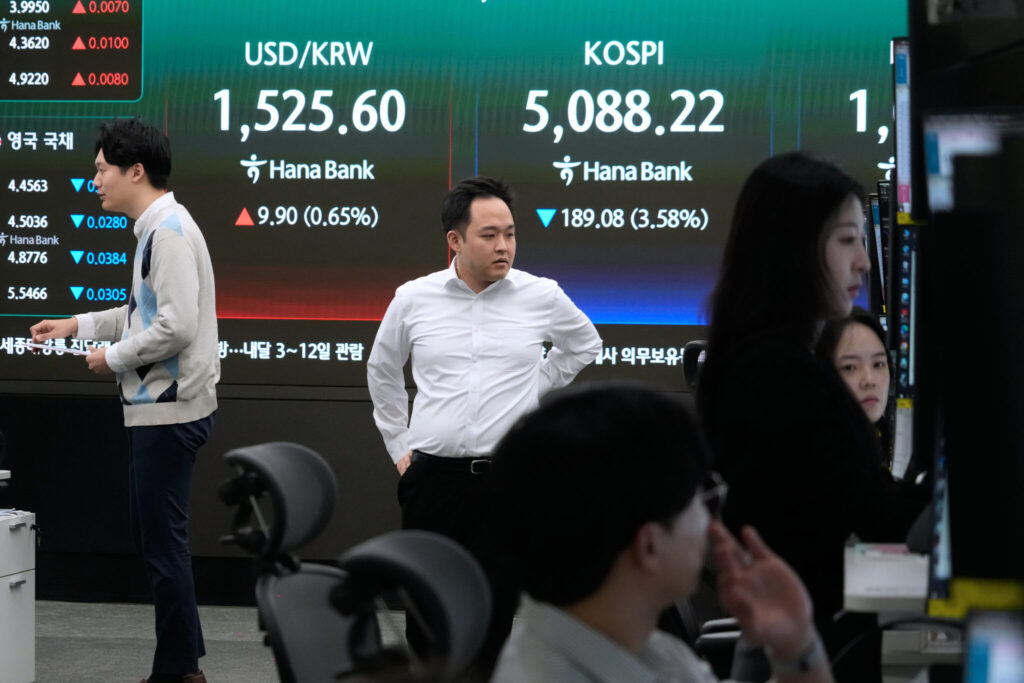
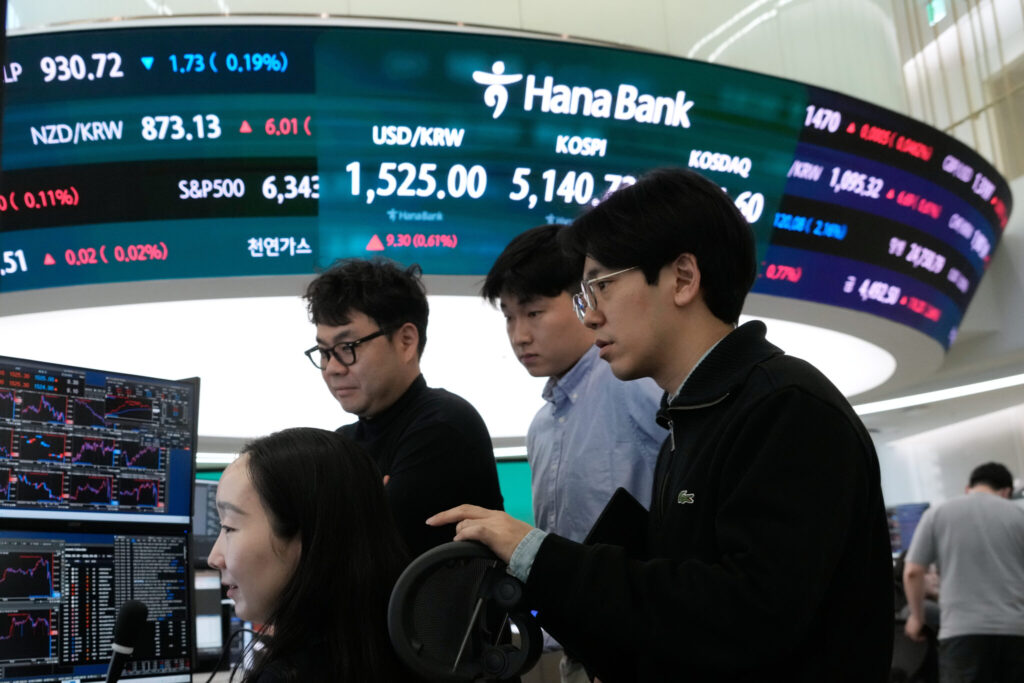
- Asian markets show mixed performance


Deep Look: Oil Prices Hold Above $100 as Wall Street Rebounds Amid US-Iran Strikes
Oil prices remained above $100 per barrel Tuesday while Wall Street rebounded in premarket trading, as the United States and Iran exchanged new military strikes in the fifth week of their escalating conflict. The developments highlight continued volatility in global markets driven by geopolitical tensions and energy supply disruptions.
Futures for major U.S. indexes moved higher ahead of the opening bell. The S&P 500 and Dow Jones Industrial Average futures each rose 0.9%, while Nasdaq futures climbed 0.8%, suggesting investors were cautiously optimistic despite the intensifying conflict.
New Strikes Intensify Conflict
The latest round of military action included U.S. strikes on a city housing one of Iran’s primary nuclear facilities. The attack reportedly triggered a large explosion visible across the region.
In response, Iran targeted a fully loaded Kuwaiti oil tanker in the Persian Gulf, escalating risks to global energy supply chains.
The conflict, which began more than a month ago when U.S. and Israeli forces launched initial strikes, has now resulted in more than 3,000 deaths and significant disruption to global oil and natural gas markets.
Oil Prices Remain Elevated
Energy markets reacted to the ongoing tensions with crude oil prices staying elevated.
- Brent crude rose to $107.56 per barrel
- U.S. benchmark crude climbed to $103.71 per barrel
Oil prices have surged dramatically during March, with Brent crude increasing more than 40% since the Iran war began.
These higher oil costs are already impacting consumers, with U.S. gas prices rising above $4 per gallon for the first time since 2022.
In Europe, inflation pressures are also mounting. Data released Tuesday showed inflation in the eurozone rose to 2.5% in March, up from 1.9% in February.
Strait of Hormuz Remains Critical Risk
A major concern for energy markets remains disruptions in the Strait of Hormuz. Roughly one-fifth of the world’s oil typically passes through the narrow shipping corridor.
U.S. Secretary of State Marco Rubio said the Trump administration has “options available” after Iran reportedly attempted to impose toll-like restrictions on vessels passing through the strait.
Any further disruption could tighten global supply and push oil prices even higher.
Corporate Developments Boost Markets
Some corporate developments also helped lift investor sentiment.
Shares of spice maker McCormick jumped 3% amid expectations that it could absorb Unilever’s food division. Unilever shares rose slightly as the company continues restructuring efforts focused on personal care and cosmetics.
The potential deal follows another major corporate announcement earlier in the week, when Sysco agreed to acquire supplier Jetro Restaurant Depot in a $29 billion deal.
Global Markets Mixed
European markets moved higher:
- Britain’s FTSE 100 rose 0.9%
- France’s CAC 40 gained 0.5%
- Germany’s DAX climbed 0.6%
However, Asian markets showed mixed performance:
- Japan’s Nikkei 225 fell 1.6%
- South Korea’s Kospi dropped 4.3%
- Hong Kong’s Hang Seng rose 0.2%
- Shanghai Composite declined 0.8%
- Taiwan’s Taiex fell 2.5%
- Australia’s S&P/ASX 200 rose 0.3%
Losses in Asia reflect ongoing uncertainty surrounding the conflict and global economic outlook.
Precious Metals and Currency Moves
Investors also moved into safe-haven assets:
- Gold rose 0.6% to $4,584.10 per ounce
- Silver jumped 3.7% to $73.17 per ounce
Currency markets showed modest movement, with the U.S. dollar slightly weaker against the Japanese yen and the euro inching higher.
Markets Remain Volatile
With military tensions continuing and oil prices elevated, markets remain sensitive to new developments.
Investors are closely monitoring:
- Further military escalation
- Oil supply disruptions
- Inflation pressures
- Central bank responses
The combination of geopolitical risks and rising energy costs suggests continued volatility in global markets.






You must Register or Login to post a comment.