

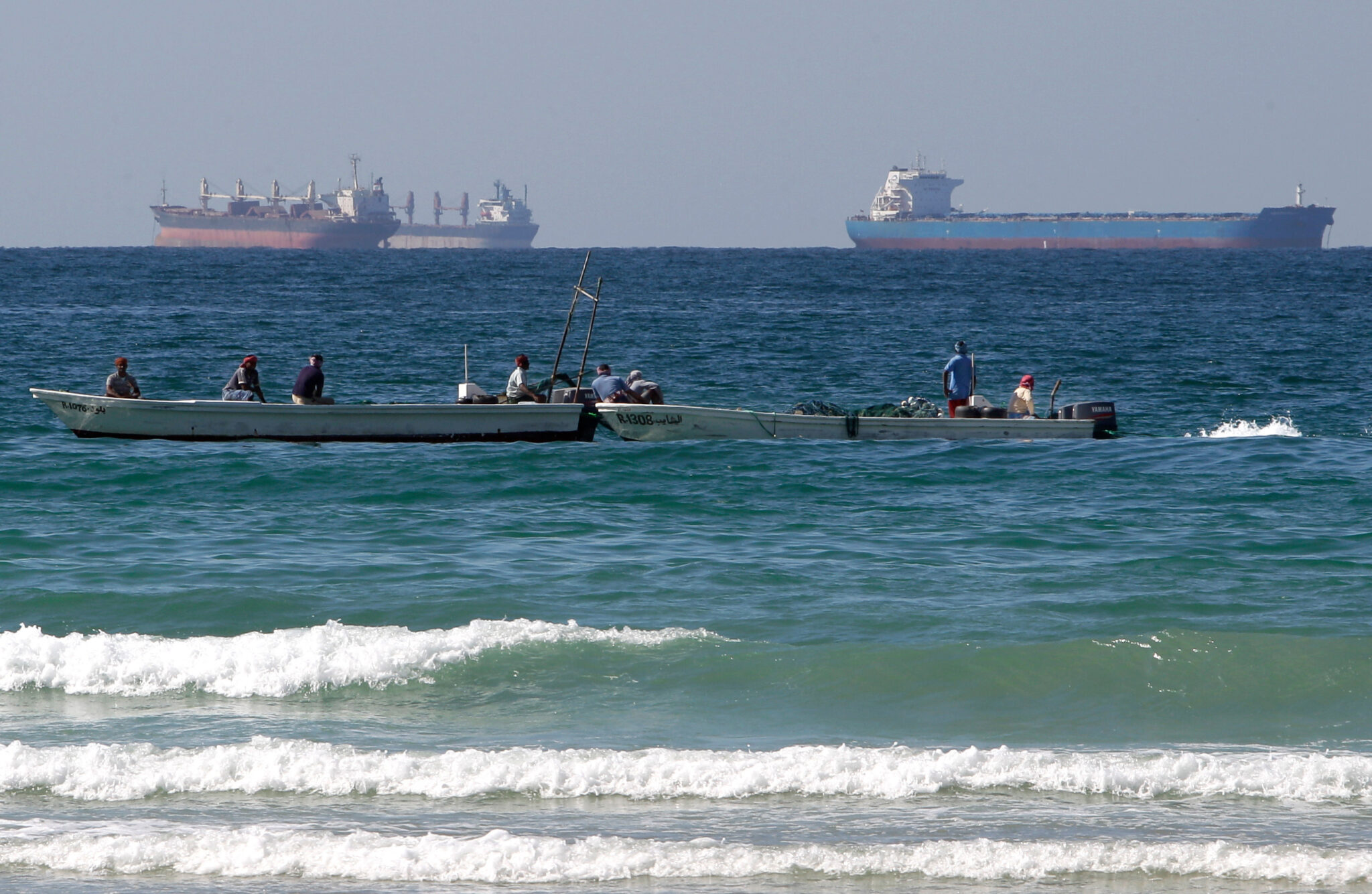
Oil Prices Surge as Hormuz Disruptions Rattle Markets/ Newslooks/ WASHINGTON/ J. Mansour/ Morning Edition/ Global oil and gas prices jumped sharply as tanker disruptions in the Strait of Hormuz threatened energy supplies. Brent crude surged above $79 per barrel while European natural gas futures soared over 40%. Investors fear prolonged shipping blockages or further attacks on Gulf energy infrastructure.
Oil Prices Surge as Hormuz Disruptions Rattle Markets Quick Looks
- Brent crude climbs to $79.11 per barrel
- U.S. oil rises to $72.12 per barrel
- European natural gas futures jump 40%
- Strait of Hormuz handles 20% of global oil
- Tanker traffic drops amid electronic interference
- Qatar halts LNG production
- Saudi refinery at Ras Tanura targeted
- U.S. gas prices already nearing $3 per gallon
- Analysts warn oil could approach $90
Deep Look: Oil Prices Surge as Tanker Disruptions and Facility Shutdowns Rattle Global Supply
FRANKFURT, Germany — Energy markets surged Monday as escalating conflict in the Middle East disrupted tanker traffic through the Strait of Hormuz and triggered shutdowns at key oil and gas facilities, raising fears of a supply shock for the global economy.
U.S. benchmark crude rose 7.6% to $72.12 per barrel, while international Brent crude climbed 8.6% to $79.11 per barrel. European natural gas futures spiked more than 40% after Qatar halted liquefied natural gas (LNG) production due to the intensifying conflict.
The sharp price movements reflect mounting anxiety over potential interruptions to energy flows from the Persian Gulf — a region that remains central to global oil and gas markets.
Strait of Hormuz Under Pressure
Market attention is fixed on the Strait of Hormuz, the narrow waterway at the southern tip of the Persian Gulf through which roughly 20% of the world’s oil supply passes daily.
Data and analytics firm Kpler reported a sharp drop in tanker traffic through the strait as satellite navigation systems experienced disruption. The UK Maritime Trade Operations Centre also warned of electronic interference affecting vessel tracking systems, alongside confirmed attacks on ships near the chokepoint.
In one incident, a bomb-carrying drone boat struck a Marshall Islands-flagged oil tanker in the Gulf of Oman, killing one crew member, according to Omani authorities.
Iran has repeatedly threatened vessels operating near the strait and is believed to be linked to multiple maritime attacks.
Refinery Shutdowns Add to Supply Fears
The energy shock widened after Saudi Arabia reported intercepting Iranian drones targeting the Ras Tanura refinery near Dammam — one of the world’s largest oil processing facilities. The refinery was temporarily shut down as a precaution.
Although pipelines exist that bypass the Strait of Hormuz, they lack sufficient capacity to handle the total volume typically transported by tanker. Major producers including Saudi Arabia, Iraq, and the United Arab Emirates depend heavily on maritime routes to export crude.
Analysts note that a full closure of the strait would also harm Iran, which exports roughly 1.6 million barrels per day through the same passage, primarily to China.
LNG Markets Hit Hard
The strait is also a crucial artery for liquefied natural gas shipments.
European gas futures for April delivery surged to 45.46 euros ($53.26) per megawatt-hour on the ICE exchange after QatarEnergy announced it would suspend LNG production due to the conflict.
Qatar is a leading global LNG supplier and a vital energy source for Europe, which has relied on imported liquefied gas to offset reduced pipeline supplies from Russia following the Ukraine war.
U.S. Gasoline Prices Already Rising
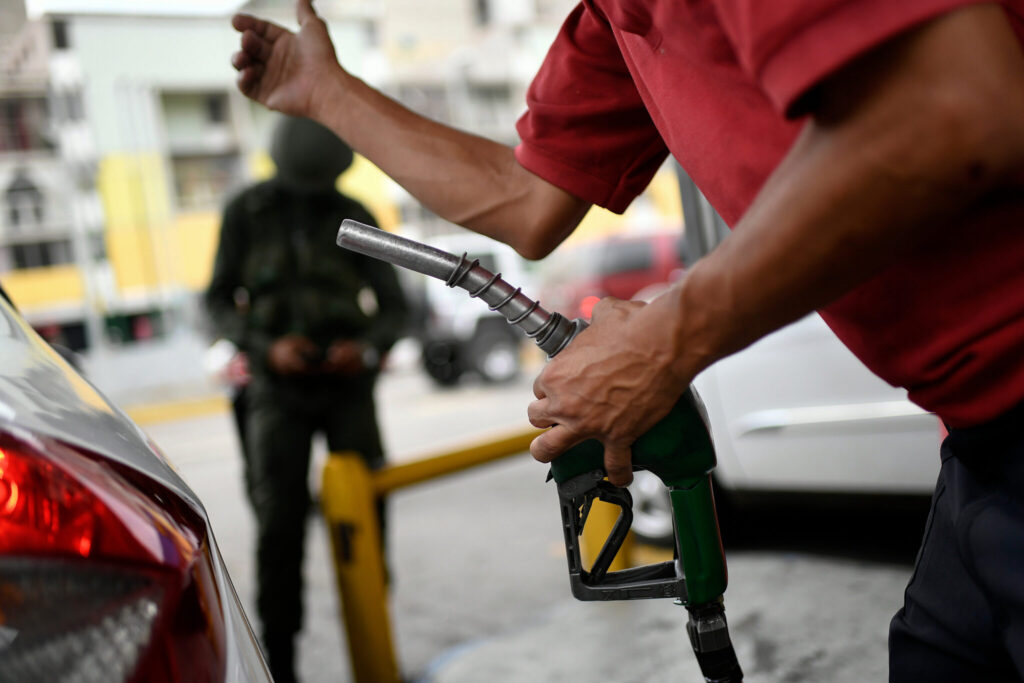
Higher crude prices typically translate into increased gasoline prices for American drivers within weeks — a politically sensitive issue ahead of congressional midterm elections.
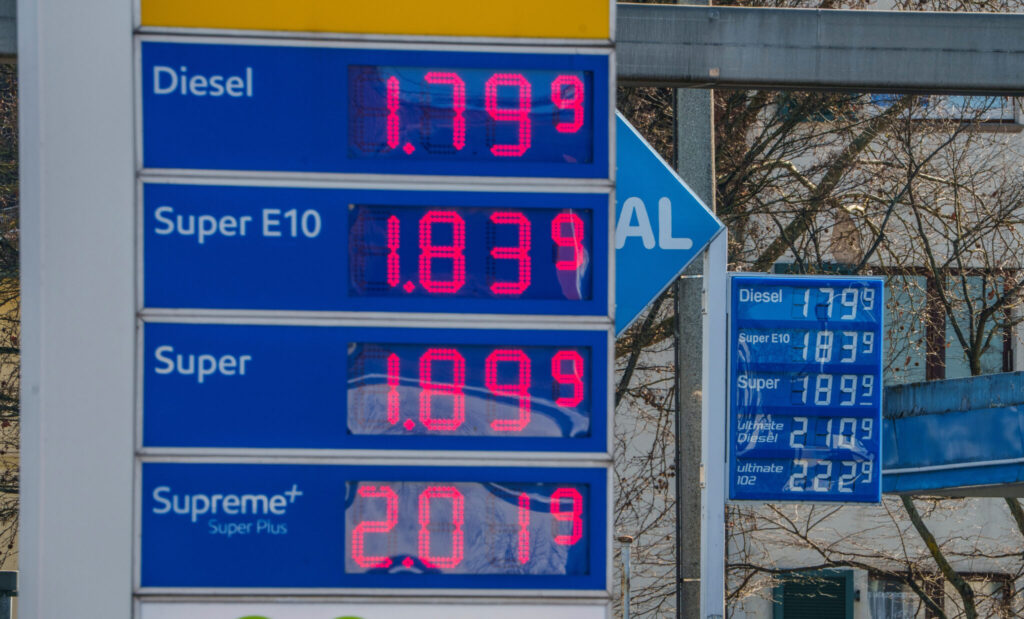
The national average for a gallon of regular gasoline rose more than five cents last week to $2.98, according to AAA. Research from the Federal Reserve Bank of Dallas indicates that a $10 increase in crude oil prices often results in roughly a 25-cent rise per gallon at the pump within about 20 days.
In Europe, fuel taxes make up a larger share of pump prices, muting the direct impact of crude price fluctuations. However, sustained energy cost increases ripple across the broader economy, potentially lifting consumer inflation.
Holger Schmieding, chief economist at Berenberg bank, estimates that a sustained $15-per-barrel increase could add about 0.5 percentage points to European inflation.
Temporary Spike or Prolonged Shock?
Some analysts view Monday’s surge — roughly $5 to $10 per barrel — as a “fear premium” reflecting the outbreak of hostilities. Oil markets had already priced in some geopolitical risk before the latest escalation.
If disruptions prove temporary and shipping lanes reopen quickly, prices could retreat toward $65–$70 per barrel in the coming weeks.
However, prolonged interference in the Strait of Hormuz or further direct attacks on Gulf energy infrastructure could drive oil prices past $80 — and potentially toward $90 per barrel.
Torbjorn Soltvedt, principal Middle East analyst at Verisk Maplecroft, said Iran’s attack on Ras Tanura marks a significant escalation, demonstrating that key Gulf energy assets are within reach.
He suggested Tehran may aim to raise economic costs for Gulf states such as Saudi Arabia and the UAE, hoping to pressure them to push for de-escalation.
“The coming days and weeks will be marked by uncertainty and volatility,” Soltvedt said.
Global Growth at Risk
The broader economic question centers on whether disruptions to energy flows will last more than a few weeks.
A sustained closure of the Strait of Hormuz would likely slow global growth and accelerate inflation worldwide. With energy markets highly sensitive to geopolitical risk, volatility is expected to persist as investors assess the conflict’s trajectory.
For now, markets remain on edge — balancing fears of extended supply shocks against the possibility that diplomatic efforts or military stabilization could ease tensions.






You must Register or Login to post a comment.