Oil Stocks Surge After U.S. Targets Venezuela’s Reserves/ Newslooks/ WASHINGTON/ J. Mansour/ Morning Edition/ Oil and energy stocks soared Monday after President Trump announced plans for U.S. companies to take over Venezuela’s oil industry. Analysts predict potential long-term shifts in global energy power if U.S. influence expands. Experts warn, however, that economic and political barriers remain.
Venezuela Oil Seizure Spurs Energy Stock Rally — Quick Looks
- U.S. oil stocks jump after Trump targets Venezuela oil sector
- Energy companies like Chevron and Exxon see strong early gains
- Oilfield service firms Halliburton and SLB rise up to 8%
- Trump says U.S. firms will rebuild Venezuela’s oil infrastructure
- Venezuela holds the world’s largest crude reserves
- JP Morgan: U.S. could control 30% of global reserves
- Heavy crude from Venezuela crucial for diesel, asphalt production
- Analysts cautious: repairs, investment, and political risks remain
- Global oil prices still down 20% from prior year
- Venezuelan production recovery will take time and billions in upgrades
Oil Stocks Surge After U.S. Targets Venezuela’s Reserves
Deep Look
NEW YORK — Energy markets responded sharply on Monday as oil and gas stocks surged following President Donald Trump’s announcement that the United States would take control of Venezuela’s oil industry, with U.S. companies leading reconstruction efforts after the capture of Venezuelan President Nicolás Maduro.
The announcement marked a bold geopolitical and economic move. While the immediate impact on global oil prices may be limited due to existing supply gluts, analysts say the long-term implications could be transformational.
The U.S. is already the world’s largest crude producer thanks to the shale boom and recent deepwater discoveries near Guyana — resources largely controlled by Chevron and ExxonMobil. Now, with Venezuela’s vast but deteriorated oil sector in play, JP Morgan analysts suggest U.S. control could reshape global energy power balances.
“The combined total could position the U.S. as a leading holder of global oil reserves,” JP Morgan noted, estimating U.S. influence could reach 30% of the world’s total reserves if Venezuela’s assets are consolidated under American interests.
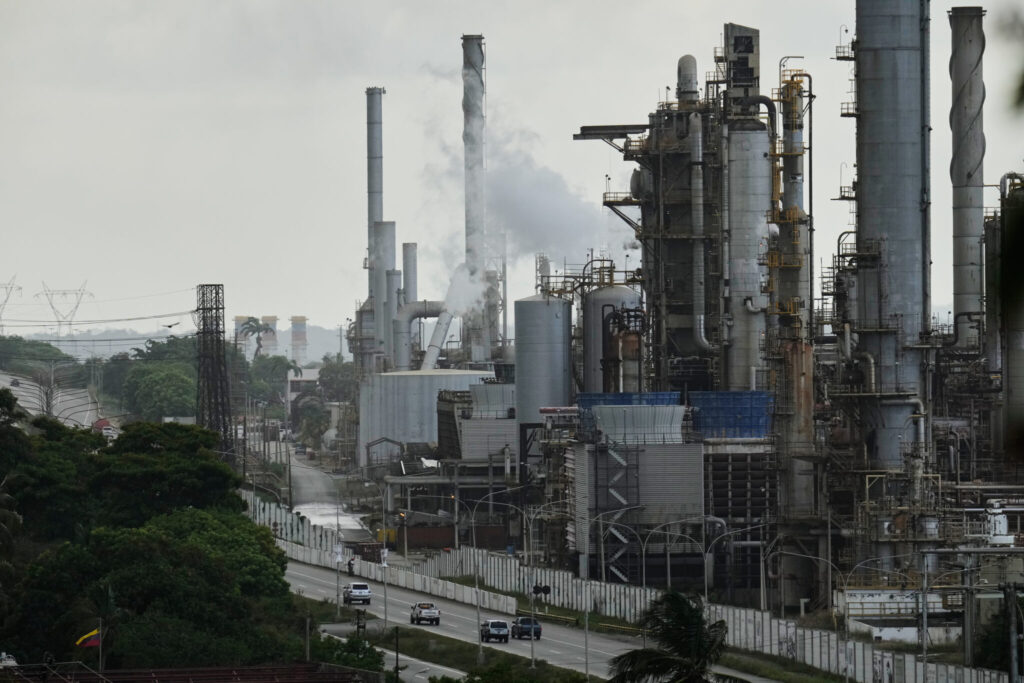
While Venezuela’s oil industry is in disrepair after years of economic collapse and sanctions, its current output of 1.1 million barrels per day could, under the right conditions, double or even triple. This potential surge would have enormous implications for global supply and pricing.
“This increased leverage would not only enhance U.S. energy security but could also stabilize prices within historically lower ranges,” JP Morgan added.
However, significant challenges remain. According to Neal Dingmann of William Blair, political instability, infrastructure decay, and persistently low oil prices are all likely to delay meaningful production increases. While Trump has proposed that major U.S. oil companies will invest heavily in Venezuela, Dingmann expressed doubt about the timing and scale of such commitments.
“It would take years and billions in infrastructure investments,” Dingmann wrote, noting the complexity of operating in a sanction-heavy, politically volatile environment.
Crude oil prices remain well below previous highs. U.S. benchmark crude is down 20% year-over-year and hasn’t climbed above $70 per barrel since June 2025, or touched $80 since mid-2024. For comparison, crude prices soared above $130 in 2008 during the financial crisis.
Analysts including John Freeman of Raymond James say that any material change in Venezuela’s output depends on multiple factors: the speed of political transition, the willingness of international firms to reenter the country, and the ability to restore essential infrastructure.
In the meantime, Wall Street rewarded energy companies on Monday for their potential future role in Venezuela. Stocks for large refiners — companies that process Venezuela’s heavier crude — jumped between 5% and 6% at market open. These include:
- Valero
- Marathon Petroleum
- Phillips 66
Venezuela’s heavy crude is critical for producing diesel fuel, asphalt, and other industrial products. These fuels are in short global supply due to sanctions on Venezuelan and Russian oil, and the fact that lighter U.S. crude is not a direct substitute.
Oilfield services firms, which provide the physical labor and technology to extract oil, posted even more dramatic gains:
- SLB (Schlumberger): up 7%
- Halliburton: up 8%
Major exploration firms — those with global drilling operations and deepwater investments — also rallied:
- Chevron: up 4.3%
- ExxonMobil: up 2%
- ConocoPhillips: up 3%
The market’s response suggests investor optimism about future profits from Venezuelan fields, even if actual production remains years away.
While Trump’s strategy has not yet shifted global oil prices, the long-term implications of such a massive expansion in U.S. energy influence — particularly over OPEC-aligned oil territories — could prove highly disruptive to traditional power structures in the global energy landscape.
For now, Wall Street is betting that control over Venezuela’s energy sector, if realized, will open new opportunities for American firms and further solidify the U.S. as a dominant force in oil and gas.