

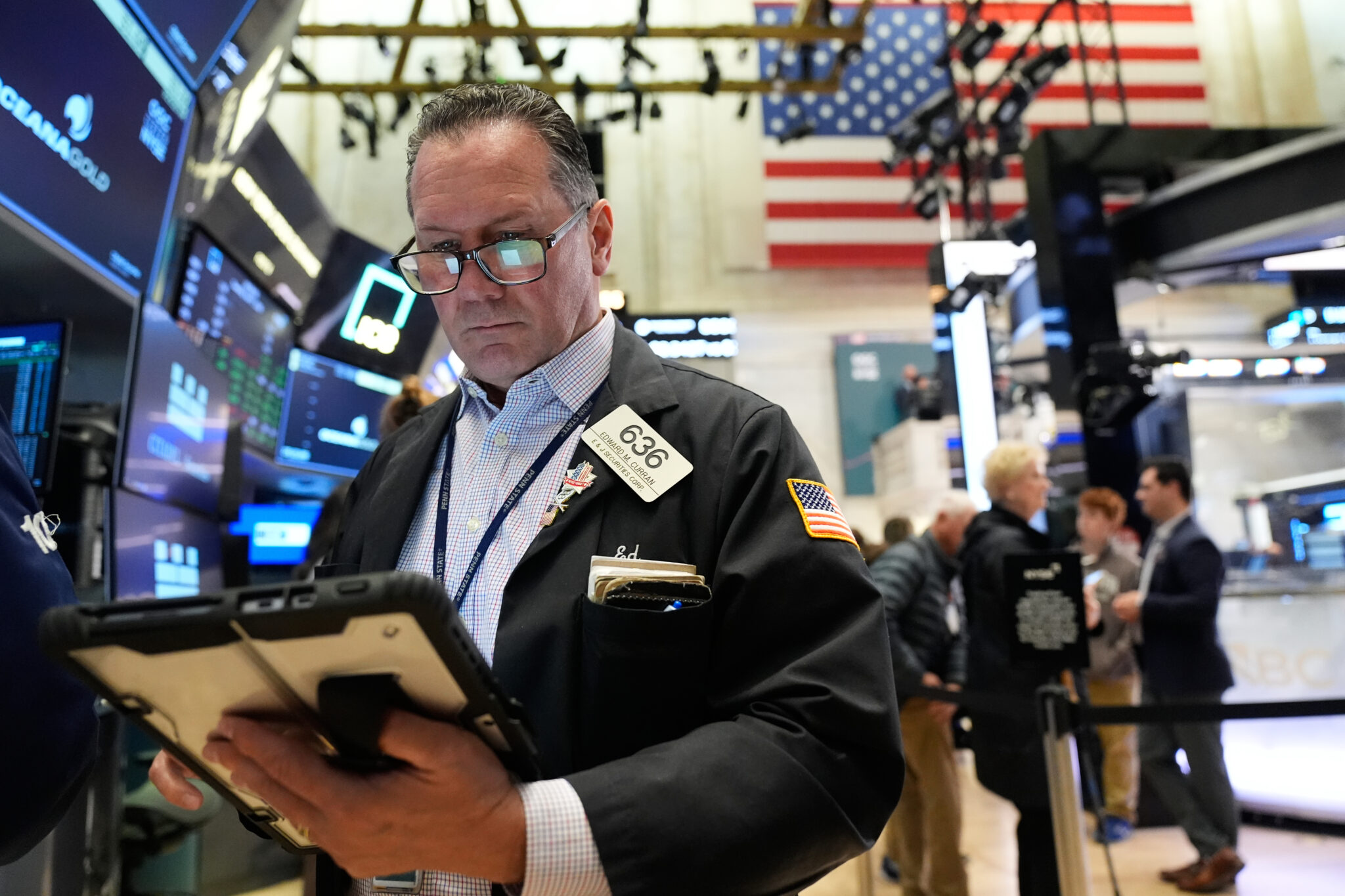
Oil Surges Above $100 As US-Iran Talks Fail/ Newslooks/ WASHINGTON/ J. Mansour/ Morning Edition/ Oil prices climbed back above $100 per barrel after U.S.-Iran ceasefire talks failed to end the war. Despite rising energy costs and geopolitical tensions, U.S. stocks remained relatively steady. Investors appear hopeful diplomacy may still prevent major economic disruption.
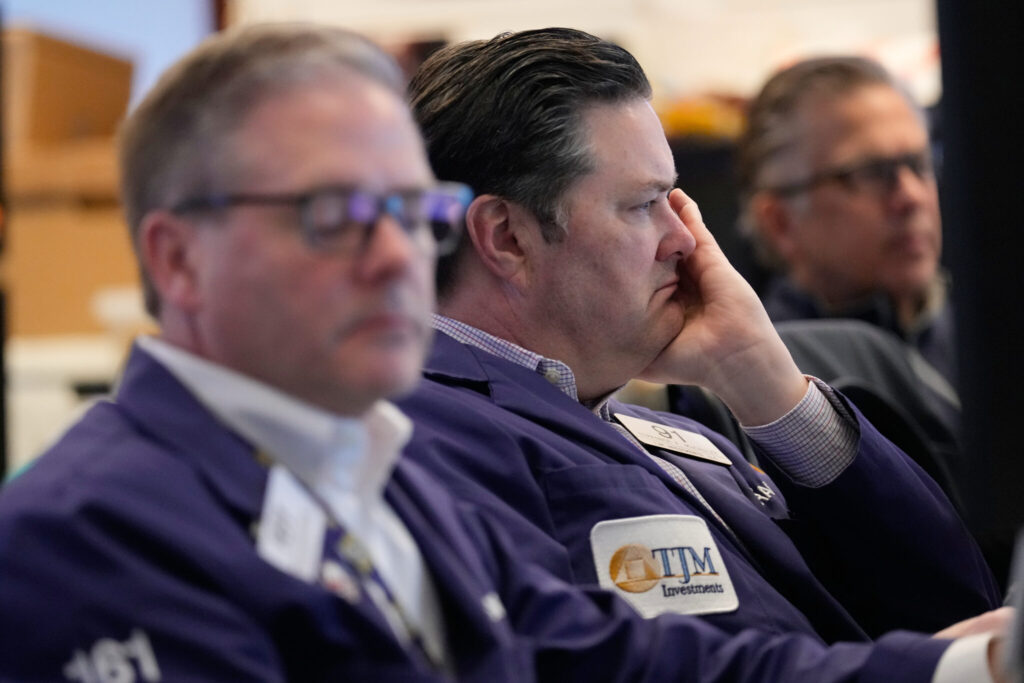
Oil Above $100 Quick Looks
- Oil rises above $100 per barrel
- U.S.-Iran talks fail after 21 hours
- S&P 500 holds mostly steady
- Dow falls modestly, Nasdaq rises
- Trump threatens Strait of Hormuz blockade
- Iran warns Gulf ports not safe
- Brent crude hits $100.18 per barrel
- Oil remains below $119 war peak
- Goldman Sachs earnings beat expectations
- Housing sales weaker than forecast
- Treasury yields remain steady
- Global markets fall across Europe and Asia
Deep Look: Oil Surges Above $100 But Markets Stay Calm
Oil prices climbed back above $100 per barrel Monday after ceasefire negotiations between the United States and Iran failed to produce an agreement, raising concerns about prolonged conflict and its potential impact on the global economy.
Despite rising oil prices and escalating geopolitical tensions, U.S. stock markets remained relatively stable. Investors appear to be cautiously optimistic that diplomacy could still prevent a worst-case scenario, even as risks grow.
The S&P 500 remained nearly unchanged in early trading after briefly dipping, while the Dow Jones Industrial Average dropped about 250 points, or 0.5%. Meanwhile, the Nasdaq composite edged 0.3% higher. These relatively mild movements contrasted with the sharp volatility seen since the war began in late February.
Oil Market Reacts More Strongly
Oil markets showed greater concern than equities, with prices rising roughly 5% following the breakdown in negotiations. However, gains moderated as trading progressed.
Brent crude oil — the global benchmark — climbed to $100.18 per barrel, significantly higher than the roughly $70 level before the conflict began. Still, prices remained below the peak near $119 reached earlier during heightened tensions.
The surge followed President Donald Trump’s warning that the United States could blockade the Strait of Hormuz — a move aimed at restricting Iran’s ability to export oil.
The Strait of Hormuz is one of the world’s most critical energy routes, handling a large portion of global oil shipments from Persian Gulf producers. Any disruption to traffic in the narrow waterway can quickly impact global energy prices.
Iran responded with strong warnings, threatening ports throughout the Persian Gulf and Gulf of Oman.
“Security in the Persian Gulf and the Sea of Oman is either for everyone or for no one,” Iranian state media reported, adding that no ports in the region would be safe if tensions escalate.
Investors Hope Diplomacy Continues
Despite rising risks, market analysts noted that investors are encouraged by ongoing diplomatic engagement and the fact that the ceasefire remains in place — at least for now.
Sameer Samana, head of global equities and real assets at Wells Fargo Investment Institute, said markets appear to be reacting cautiously rather than panicking.
“Markets are taking some encouragement from the fact that the two sides are talking,” Samana noted.
Brian Jacobsen, chief economic strategist at Annex Wealth Management, also emphasized that the details of any potential blockade will matter significantly.
“Not all blockades are created the same,” Jacobsen said, suggesting that the eventual impact on markets will depend on how restrictive U.S. actions become.
Earnings Season Begins
Meanwhile, investors are also focused on corporate earnings reports, which are beginning to roll in for the first quarter.
Goldman Sachs reported profits of $5.63 billion, exceeding analyst expectations. However, the bank’s stock fell about 4% after analysts pointed to weaker trading revenue in fixed income, commodities, and currencies.
Major banks are scheduled to report later this week, including:
- Citigroup
- JPMorgan Chase
- Wells Fargo
- Bank of America
Other major companies reporting soon include:
- Johnson & Johnson
- Netflix
- PepsiCo
These earnings will provide insight into how businesses are navigating geopolitical uncertainty and rising energy costs.
Bond Market And Housing Data
Treasury yields held relatively steady Monday. The yield on the 10-year Treasury settled around 4.31%, unchanged from Friday levels after briefly rising earlier.
Meanwhile, new economic data showed weaker-than-expected sales of previously owned homes in March. Higher mortgage rates — influenced partly by rising Treasury yields — have slowed housing demand.
Concerns about prolonged conflict and rising oil prices have increased fears that inflation may remain elevated, which could keep interest rates higher for longer.
Global Markets Fall
While U.S. stocks held steady, international markets declined.
- Hong Kong’s Hang Seng index dropped 0.9%
- South Korea’s Kospi fell 0.9%
- European markets also moved lower
Neil Newman, head of strategy at Astris Advisory Japan, said the failed negotiations disappointed investors.
“The outcome of the talks was not really what people were hoping for,” Newman said.
He added that rising oil prices remain a major concern for global markets.
Uncertainty Remains
Although the ceasefire remains in place, the failure of negotiations and rising tensions leave markets facing continued uncertainty.
Investors are watching closely for:
- Potential Strait of Hormuz blockade
- Further diplomatic negotiations
- Oil price volatility
- Inflation impact
- Corporate earnings outlook
For now, markets appear cautious but not panicked — suggesting investors still believe diplomacy may ultimately prevent a deeper economic shock.






You must Register or Login to post a comment.