


Oil Volatility Drives Uncertainty Across Global Stock Markets/ Newslooks/ WASHINGTON/ J. Mansour/ Morning Edition/ U.S. stocks traded steadily as investors waited for signals on how long the Iran conflict may last. Oil prices stabilized after dramatic swings linked to disruptions near the Strait of Hormuz. Markets worldwide remain sensitive to geopolitical developments affecting global energy supplies.

US Stocks and Iran War Market Impact Quick Looks
- U.S. stocks edged higher as investors monitored the Iran war.
- The S&P 500 rose 0.4%, while the Dow gained about 244 points.
- The Nasdaq composite climbed roughly 0.6%.
- Oil prices stabilized after plunging from nearly $120 per barrel.
- Brent crude traded near $88.53 while U.S. crude hovered around $84.29.
- Markets reacted to comments suggesting the conflict may end sooner.
- Concerns remain about disruptions in the Strait of Hormuz.
- Oil volatility is driving large swings in global financial markets.
- Economists warn prolonged high oil prices could trigger stagflation.
- Some stocks surged on strong earnings and positive drug trial results.
Deep Look
US Stocks Hold Steady as Investors Watch Iran Conflict
U.S. stock markets traded cautiously higher Tuesday as investors waited for clearer signals about how long the conflict involving Iran may last and whether disruptions to global oil supplies will continue.
Wall Street appeared calmer after a period of intense volatility triggered by dramatic movements in energy prices.
By late morning trading, the S&P 500 had climbed about 0.4%. The Dow Jones Industrial Average gained roughly 244 points, or about 0.5%, while the Nasdaq Composite rose around 0.6%.
The modest gains followed sharp market swings in previous sessions as traders reacted to rapidly changing developments related to the Middle East conflict.
Oil Prices Remain Key Market Driver
Oil prices remain the most significant factor shaping market sentiment.
Brent crude, the global benchmark for oil, was trading around $88.53 per barrel. That price represented a sharp decline from Monday’s earlier spike but remained elevated compared with levels seen before the conflict began.
Meanwhile, U.S. benchmark crude hovered near $84.29 per barrel.
The volatility comes after oil prices surged close to $120 per barrel earlier this week — the highest level since 2022 — amid fears that the conflict could severely disrupt global energy supplies.
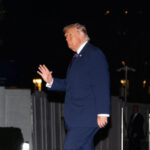
Prices then dropped dramatically after President Donald Trump suggested in a television interview that the war might soon end.
Trump told CBS News that the conflict was “very complete, pretty much,” raising hopes among investors that tensions could ease and oil shipments could resume normally.
However, later remarks from the president appeared less definitive, leaving markets uncertain about the war’s trajectory.
Iran Signals Conflict May Continue
Adding to investor uncertainty, officials in Iran said the country would decide when the conflict ends.
Iranian forces launched additional attacks Tuesday targeting Israel and several Gulf Arab countries, escalating tensions across the region.
These developments have made investors cautious about assuming the crisis will end quickly.
As a result, financial markets around the world remain highly sensitive to geopolitical news.
Strait of Hormuz a Critical Risk
One of the biggest concerns for investors is the potential disruption of shipping through the Strait of Hormuz.
The narrow waterway near Iran connects the Persian Gulf to global shipping routes and is responsible for transporting roughly 20% of the world’s oil supply each day.
Blockages or attacks near the strait have contributed to extreme oil price swings in recent days.
President Trump emphasized that the United States would respond strongly to any attempt to halt oil shipments through the critical passage.
“If Iran does anything that stops the flow of oil within the Strait of Hormuz, they will be hit by the United States of America twenty times harder than they have been hit thus far,” Trump said in a social media post.
Financial analysts say the situation creates an unusually stark outlook for energy markets.
Hakan Kaya, a senior portfolio manager at Neuberger Berman, described the current environment as highly unpredictable.
According to Kaya, the future of oil prices depends largely on whether shipping through the strait resumes normally or remains disrupted.
If the route reopens, oil prices could drop sharply as risk premiums fade. If it remains blocked, however, the world could face one of the largest oil supply disruptions in modern history.
Potential Economic Consequences
Prolonged high energy prices could have significant consequences for the global economy.
Consumers already facing high inflation could see further pressure on household budgets as gasoline and heating costs rise.
Businesses would also face higher transportation and production expenses, which could translate into higher prices for goods and services.
Economists warn that sustained inflation combined with slow economic growth could produce a scenario known as stagflation — one of the most difficult economic environments for policymakers to manage.
Historically, stock markets have often rebounded quickly after geopolitical conflicts, but that recovery typically depends on energy prices stabilizing.
Corporate News Moves Individual Stocks
Despite broader geopolitical concerns, several individual companies posted strong gains based on company-specific developments.
Retailer Kohl’s shares jumped more than 7% after the company reported quarterly profits that exceeded analysts’ expectations, even though sales came in slightly below forecasts.
Vertex Pharmaceuticals delivered one of the biggest gains in the S&P 500, with its stock climbing nearly 9%.
The biotech company reported encouraging results from clinical trials involving its experimental treatment povetacicept, which is designed to treat a severe kidney disease.
Global Markets React
Stock markets outside the United States also showed strong reactions to the shifting outlook for oil prices.
Asian and European markets rallied after investors digested Trump’s comments suggesting the war could be nearing an end.
South Korea’s market surged 5.3%, while Hong Kong’s index rose 2.2%.
In Europe, France’s market climbed around 2%.
Japan’s Nikkei 225 also posted strong gains, rising 2.9% after revised economic data showed that the country’s economy expanded faster than previously estimated during the final quarter of last year.
Bond Market Signals Caution
Meanwhile, the bond market reflected continued caution among investors.
The yield on the 10-year U.S. Treasury slipped slightly to 4.11% from 4.12% the previous day.
Lower yields often indicate increased demand for safer assets, suggesting some investors remain concerned about the broader economic outlook.





You must Register or Login to post a comment.